





Original Victorian Marine Art
Original victorian marine art captures the shifting light, rugged coastlines, and bustling harbours of the nineteenth century through enduring oil and watercolour paintings.
Original Victorian Marine Art
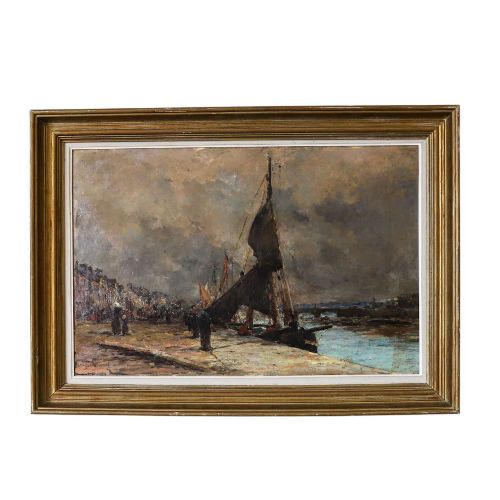
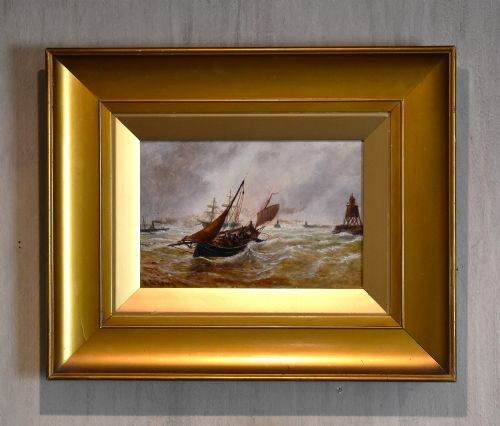
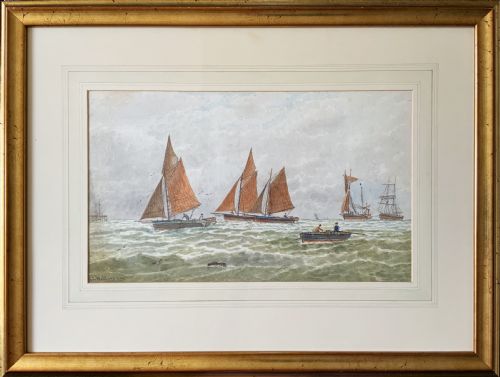
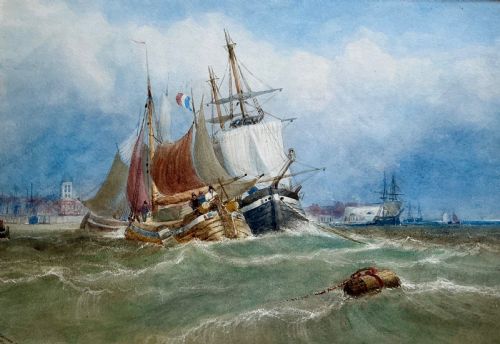
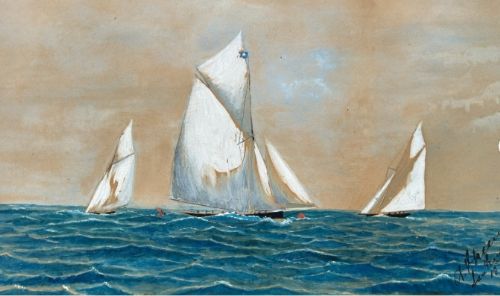
Original victorian marine art encompasses nineteenth century paintings, works on paper, and framed artwork dedicated to coastal views, shipping, and maritime life. Buyers frequently encounter detailed watercolours and oil paintings on canvas or board originating from British and European coastal locations.
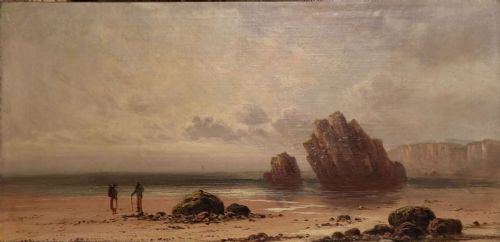
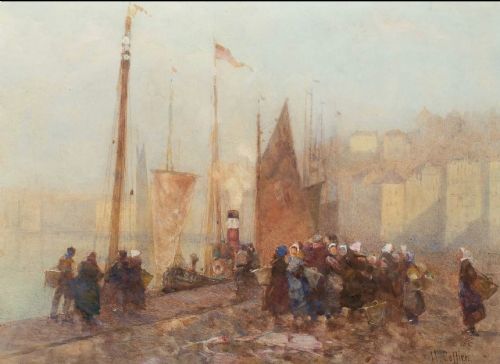
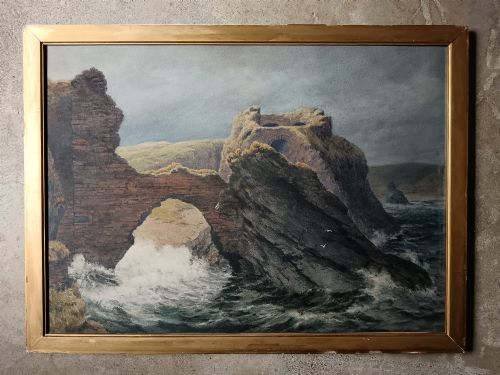
The subjects range from busy fishing harbours and sailing ships on choppy seas to quiet coastal landscapes and dramatic cliff views. Many pieces record specific locations such as Whitby, Scarborough, and various West Country ports during the Victorian era.
How They Were Made
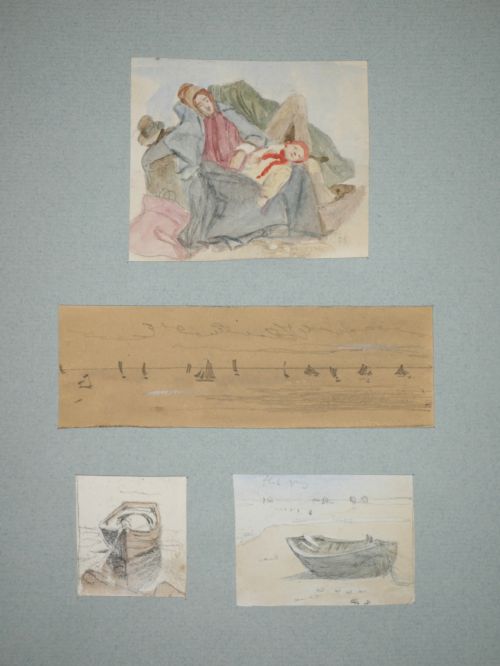
Artists worked primarily with oil paint or watercolour pigment applied to paper, canvas, prepared board, or panel. Watercolour paintings often utilised washes and fine brushwork on paper, whilst oil paintings built up rich textures using oil on canvas or wood.
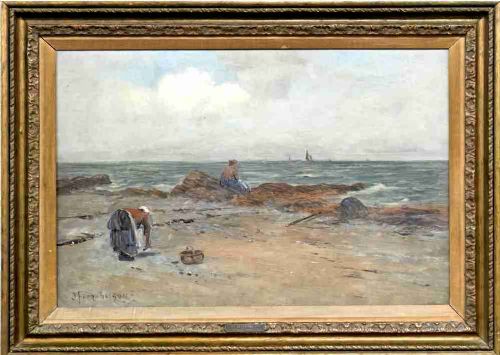
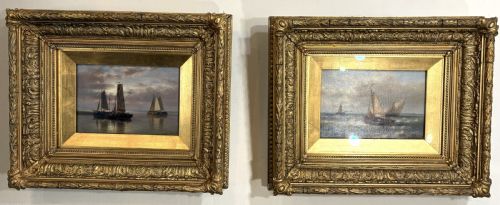
Many surviving works retain their original gilt wood frames, sometimes incorporating glass protection for delicate watercolours. The combination of traditional pigments and sturdy wooden supports allowed these coastal scenes to survive across the nineteenth and early twentieth centuries.
Artists occasionally braved freezing coastal gales to sketch seaweed gatherers and stormy waves directly from the rocky shore.
What Varies in Quality
Quality rests upon the artist's command of light, atmosphere, and maritime architecture, separating hastily produced sketches from resolved exhibition pieces. Superior examples demonstrate confident handling of turbulent water, atmospheric skies, and accurate depiction of shipping rigging.
The preservation of the pigment and the integrity of the original gilt wood frame influence the overall standard of a piece. Works by recognised nineteenth century painters typically display greater refinement in composition and detail than anonymous school pieces.
James Orrock·William Banks Fortescue·Hector Caffieri·Joseph Farquharson·Bernard Benedict Hemy·George Stanfield Walters·Abraham Hulk I·Henry Barlow Carter·John Moxon·William Frederick Settle·Alfred George Morgan·John Bedloe Goddard·Thomas Bush Hardy·James Kyd·William Greaves·John McDougal·John Dun·Frederick William Hattersley·James Thomas Watts·John Mitchell·Frederick William Booty·Charles Harmony Harrison·Kate E Booth·R P Noble·Clara Montalba
The Original Victorian Marine Art Glossary
- Watercolour
- A painting method where pigment is suspended in a water-based solution and applied to paper. These works are typically mounted under glass to protect the delicate surface from moisture.
- Oil on Canvas
- Pigment mixed with drying oil applied to a stretched woven fabric support. This technique allowed artists to build rich textures and deep tones.
- Gilt Wood
- Wood carved and coated with a thin layer of gold leaf or metallic gilt paint. These frames were frequently designed specifically to complement Victorian paintings.
- Seascape
- A work of art depicting the sea, coastal views, shipping, or marine activity. This genre was immensely popular throughout the nineteenth century.
Original Victorian Marine Art: Frequently Asked Questions
What subjects appear in marine art?
Paintings from this period depict sailing ships, bustling fishing harbours, dramatic sea stacks, and quiet coastal inlets.
Artists frequently recorded specific regional landmarks, coastal towns, and maritime rescue operations along British and European shores.
How do I care for antique watercolours?
Watercolours require protection from direct sunlight to prevent fading of the delicate pigments on paper.
Displaying them away from moisture and keeping them behind appropriate glass will preserve the paper and colours for decades.
Are these paintings signed by the artist?
Many works bear the artist's signature, monogram, or contemporary inscriptions noting the specific coastal location depicted.
Unsigned pieces are often attributed to British or American school artists based on style, technique, and subject matter.
What framing is typical for these artworks?
Victorian paintings are frequently housed in their original decorative gilt wood frames with moulded ornamentation.
These frames range from simple wooden battens to ornate gilded structures designed to enhance the depth of the painting.