


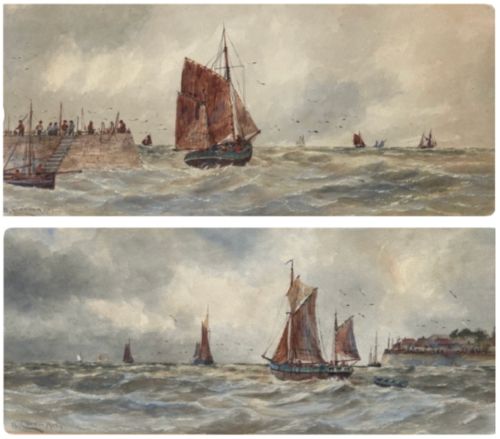
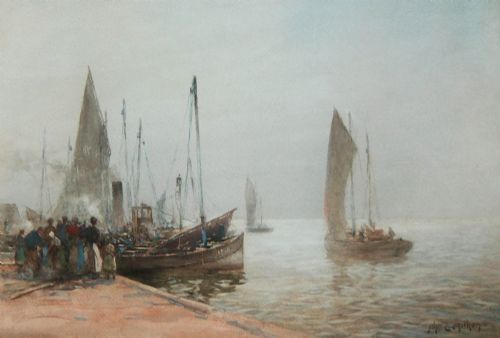
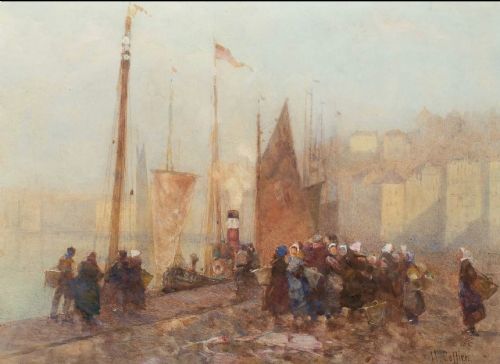
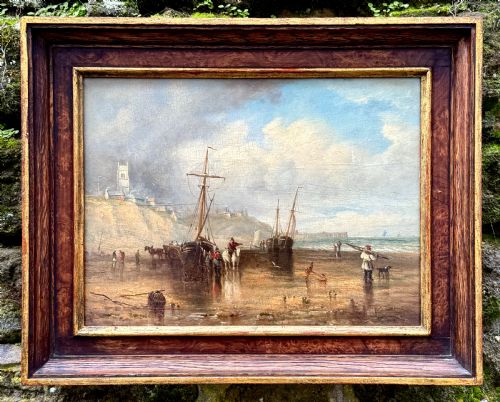


Coastal Fishing Boat Painting
When you examine a coastal fishing boat painting, you step into 19th-century and 20th-century maritime scenes that capture working vessels in oil and watercolour.
Coastal Fishing Boat Painting
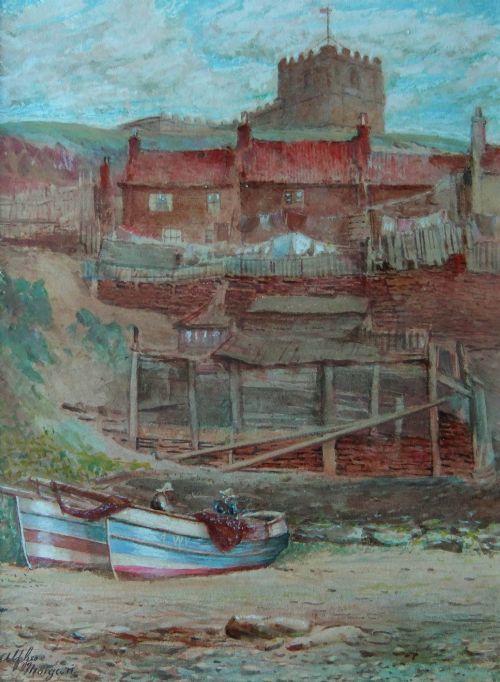
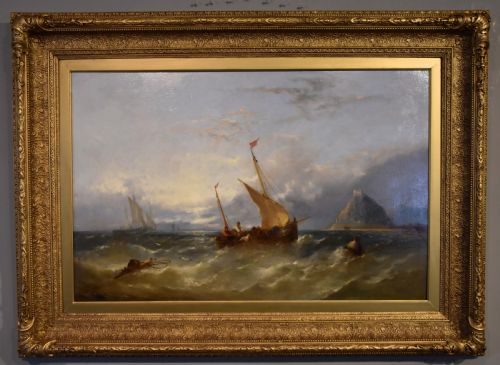
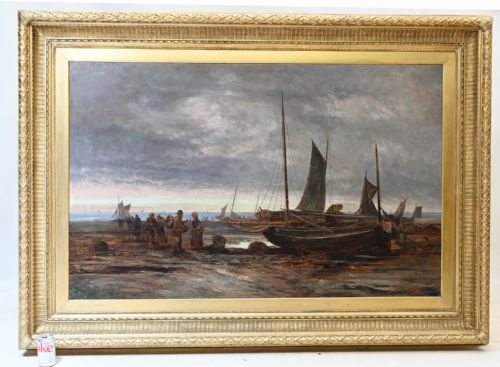
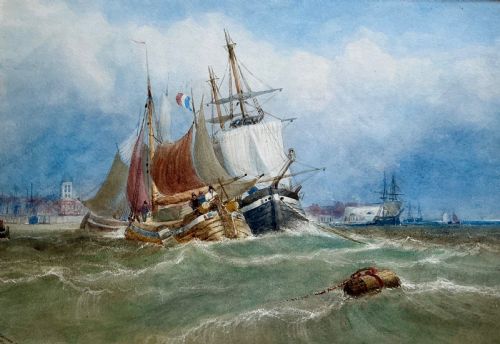
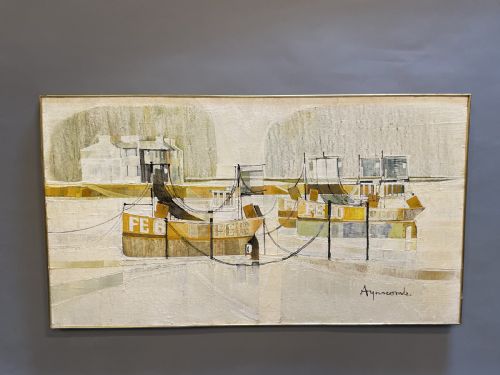
A coastal fishing boat painting records the maritime heritage of British and European shores through depictions of working vessels, harbours, and choppy seas. The most common examples on this page date from the Victorian period up through the mid-20th century, reflecting changing artistic movements from Victorian marine art to British Impressionism and Mid-Century Modernism.
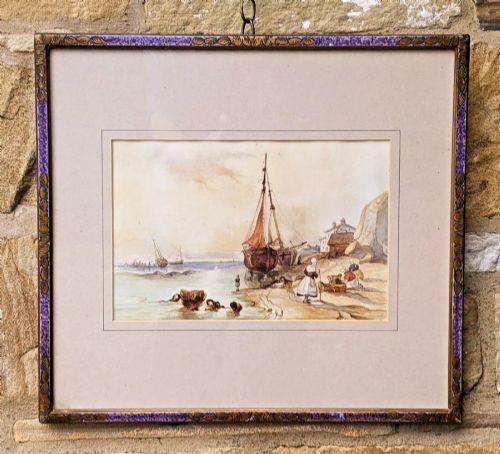
These works range from intimate watercolours on paper to large-scale oil paintings on canvas and wood panel. Artists frequently documented specific locations such as Whitby, St Ives, Scarborough, and various Cornish harbours, capturing both the gritty reality of the fishing trade and tranquil coastal moods.
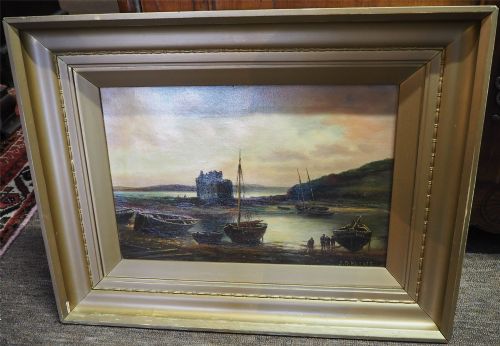
Collectors encounter both signed works by known Victorian and Edwardian painters and pieces attributed to the broader British School. The subject matter centres on boats landing the catch, moored trawlers, and open seascapes that reveal deep observation of coastal life.
How They Were Made
Artists painted these scenes using oil paint or watercolour pigment applied to supports of canvas, wood panel, card, and heavy paper. Oil on canvas allowed for rich texture and layered brushwork suited to stormy seas, while watercolours captured the bright, luminous atmosphere of coastal air and tidal flats.
Many surviving works retain their original giltwood or moulded frames, which were constructed to complement the maritime subject matter. Support materials vary by period, with 19th-century pieces favouring heavy canvas stretchers and wood panels, while later 20th-century works occasionally utilise board and pastel.
Listings feature 19th-century and 20th-century works spanning the Victorian era, Edwardian period, and Mid-Century Modernism.
What Varies in Quality
Quality in a coastal fishing boat painting rests upon the artist's handling of light, atmosphere, and maritime architecture. Superior works demonstrate confident brushwork that accurately renders the rigging of vessels and the movement of water, rather than relying on formulaic repetition.
The degree of finish and contextual detail distinguishes works executed by accomplished professional painters from simpler commercial or school pieces. The integrity of the original medium, the preservation of the pigment, and the harmony between the painting and its frame further define the upper tier of the range.
James Orrock·William Henry Williamson·Henry Barlow Carter·Charles Napier Hemy·William Lee Hankey·Thomas Bush Hardy·Gustave De Bréanski·Pieter Cornelis Dommersen
The Coastal Fishing Boat Painting Glossary
- Watercolour
- A painting method where fine pigment is suspended in a water-based solution, typically applied to paper. It offers luminous transparency well suited to coastal light.
- Canvas
- A heavy woven fabric stretched across a wooden frame to serve as a durable support for oil paint. It provides a flexible and textured surface for large marine compositions.
- Seascape
- A work of art depicting the sea, coastal views, or maritime activity. These scenes often focus on weather conditions and working vessels.
- Panel
- A flat piece of wood or board used as a rigid support for painting. Artists frequently utilised wood panels for smaller oil sketches and finished works.
- Giltwood
- Wood that has been coated with a thin layer of gold leaf or gilt paint. Antique frames finished in giltwood are common on 19th-century oil paintings.
Coastal Fishing Boat Painting: Frequently Asked Questions
How do I date a marine painting?
Examine the materials, support types, and framing styles characteristic of the period. Pigments, canvas types, and artist signatures also help establish the date.
Compare the clothing of figures or the style of boats depicted with historical records. Many works bear signatures or dates inscribed by the artist.
What is the difference between oil and watercolour?
Oil paintings use slow-drying pigments suspended in oil on canvas, wood, or board, allowing for rich textures. Watercolours use water-soluble pigments on paper for translucent effects.
Oils are typically heavier and require protective framing without glass, whereas watercolours require framing behind glass to protect the paper surface.
Where were these coastal scenes painted?
Artists worked across British and European coastal locations, frequently recording busy fishing ports and villages. Popular sites include Yorkshire harbours, Cornish coastal towns, and Norman ports.
Inscriptions on the reverse or title plaques often identify the exact harbour, beach, or town depicted in the artwork.
How should I hang and light marine art?
Display paintings away from direct sunlight and excessive humidity to protect the pigments and canvas. Proper wall placement prevents warping of wood panels and paper degradation.
Utilise picture lights with low-heat bulbs to illuminate the canvas evenly without causing thermal damage to the paint surface.