

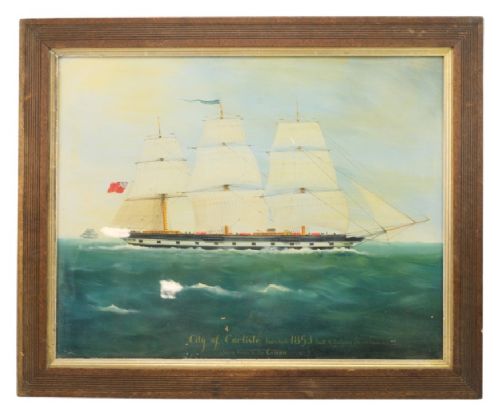
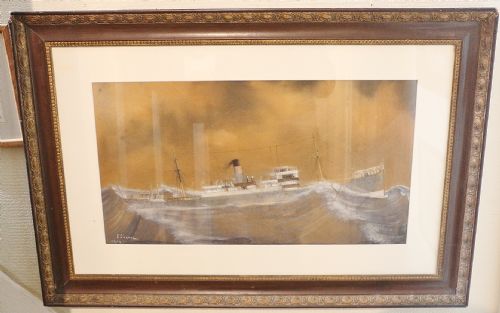
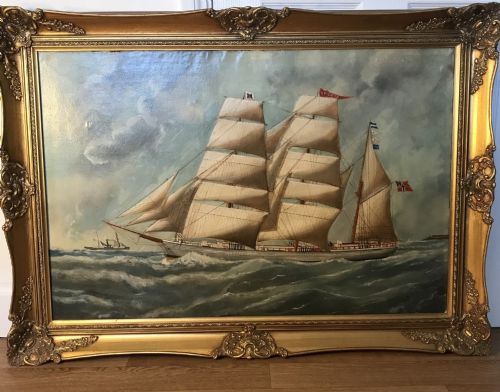
Antique Ocean Wall Painting
Antique ocean wall painting captures the restless power of the sea through historic oil and watercolour visions of ships and shores.
Antique Ocean Wall Painting
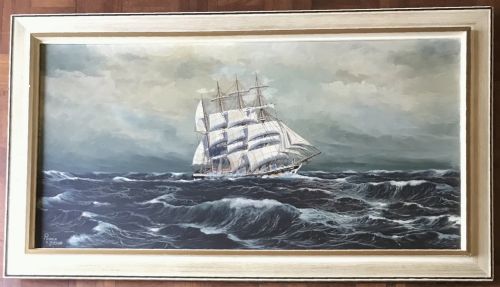
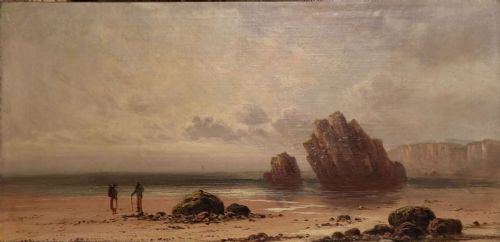
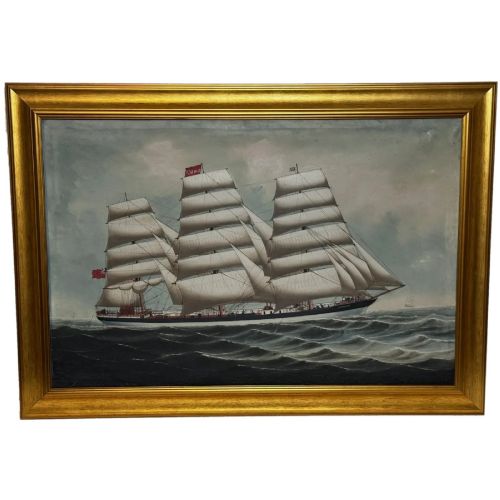
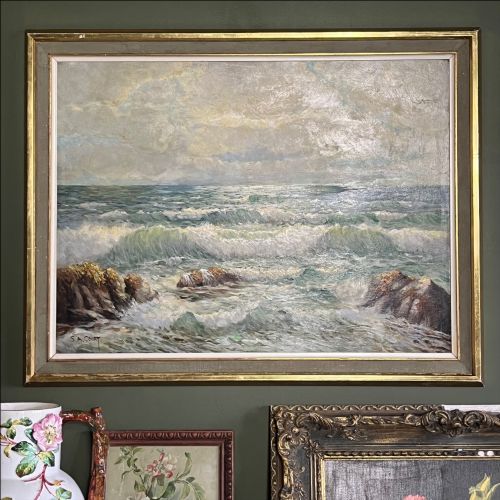
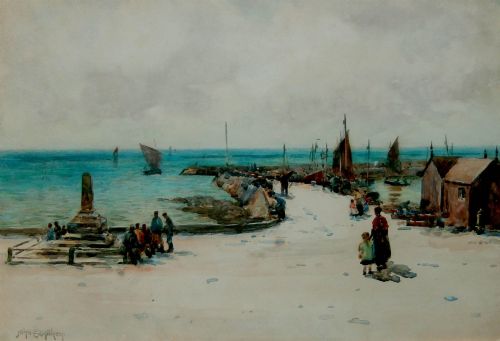
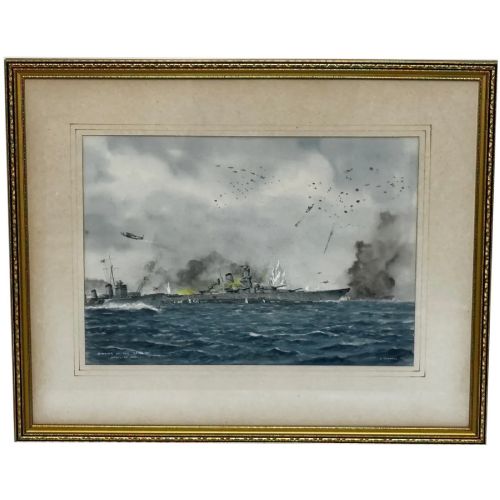
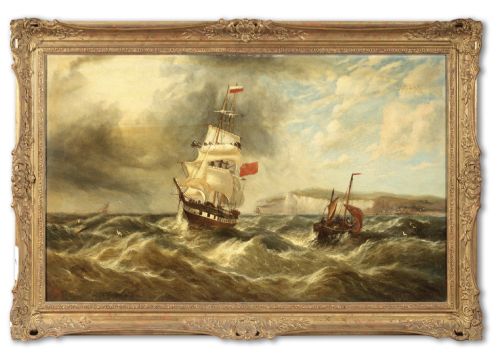
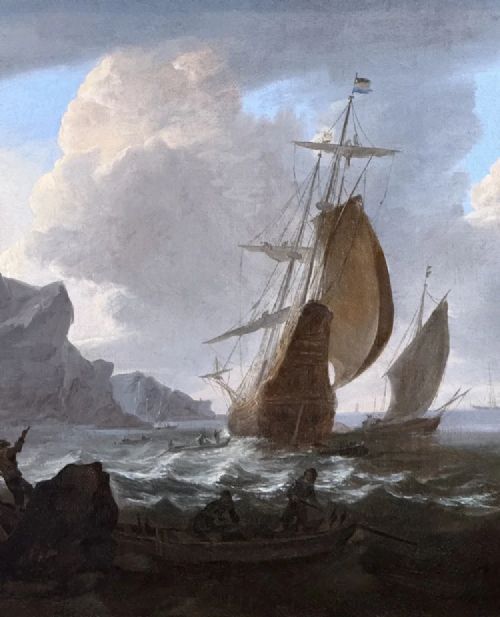
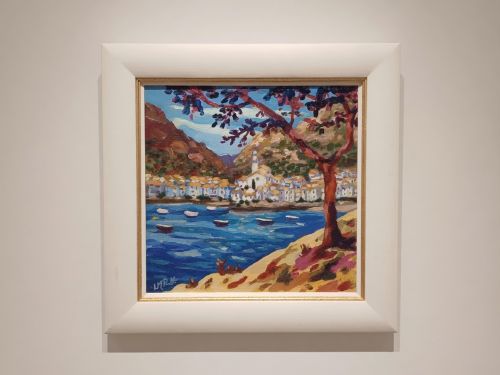
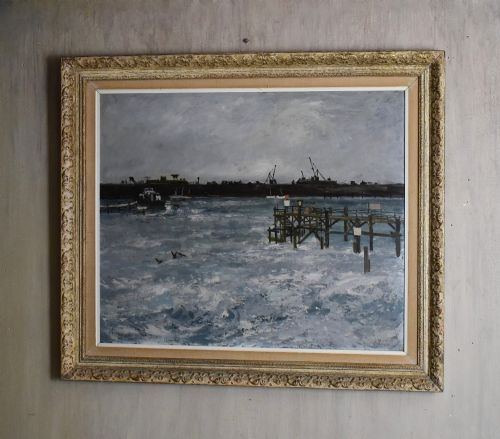
An antique ocean wall painting brings historic maritime scenes into domestic spaces, recording vessels, harbours and coastlines from past centuries. When searching for an antique ocean wall painting, collectors encounter diverse formats ranging from intimate watercolours to large oil compositions. Victorian and Edwardian examples dominate the selection, portraying everything from calm coastal inlets to dramatic gales.
The subjects span British seashores, European ports and international shipping routes, often capturing specific vessels in changing weather. Many works reflect the nineteenth-century obsession with maritime trade and naval might, executed by professional marine artists or skilled regional painters. These pictures served as records of maritime heritage, designed to hang in parlours and captain's quarters alike.
Most surviving pieces utilise traditional canvas or paper supports, frequently retained within period gilt wood frames that complement the maritime subject matter. Buyers find both signed works by known nineteenth and early twentieth-century painters and accomplished pieces by anonymous British and continental schools. Each painting offers a distinct window into historical seafaring life and coastal topography.
How they were made
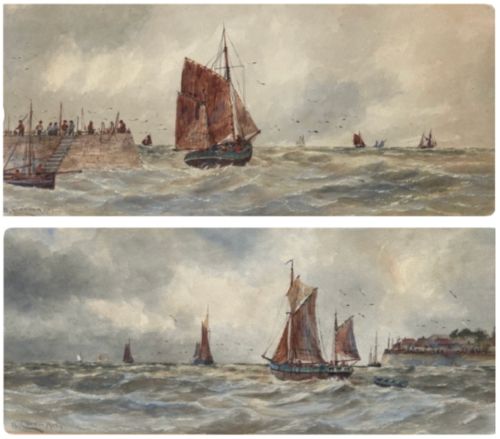
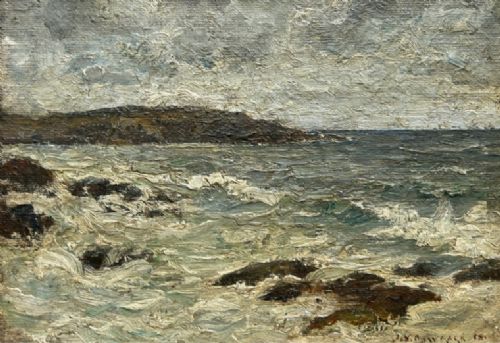
Artists relied primarily on oil on canvas or delicate watercolour on paper to capture the shifting moods of the sea and sky. Oil paintings built rich textures through layered pigment, sometimes employing impasto to render crashing waves or churning foam with physical depth. Watercolours achieved luminous transparency, using fluid washes of pigment on paper to depict atmospheric haze and tranquil coastal light.
Support materials included stretched canvas, wooden panels and sturdy boards, often housed beneath glass for works on paper or framed in ornate gilt wood. Gouache appeared occasionally to add opaque highlights and dense colour saturation to marine watercolours and board paintings. These traditional mediums ensured durability, allowing centuries of coastal atmosphere to survive intact.
Listings feature works spanning the nineteenth and twentieth centuries, executed in oil on canvas, watercolour, gouache, and gilt wood frames.
What varies in quality
Quality rests on the artist's command of maritime architecture, nautical rigging and the fluid mechanics of open water. Superior works display accurate vessel proportions and convincing atmospheric perspective, capturing the weight of heavy seas or the brilliance of coastal sun. Weaker examples often stiffen the waves into repetitive patterns and render ships with flat, lifeless perspective.
The handling of light and weather differentiates master marine art from standard decorative production. Skilled painters imbue skies and water with dynamic interplay, whereas lesser hands produce static, formulaic horizons lacking depth or movement.
William Cannon·Reginald Arthur Borstel·John E Aitken·William Banks Fortescue·John Rose Miles·Bonaventura Peeters·F Corpuz·Nicholas Condy·Thomas Hodgson Liddell·William Henry Williamson·George Stanfield Walters·John Moxon·Charles William Adderton·Charles Napier Hemy·Norman Lloyd·Gustave De Bréanski·Thomas Bush Hardy·Daniel Sherrin·William Greaves·Abraham Hulk Snr·Charles Sim Mottram·Frank H Mason·Roger de la Corbiere·Claude Thomas Stanfield Moore·Samuel Owen
The Antique Ocean Wall Painting Glossary
- Impasto
- Paint applied thickly to a canvas, standing out in relief from the surface and adding tactile dimension to crashing waves or heavy clouds.
- Gilt wood
- Carved wooden framing finished with a thin layer of gold leaf, commonly used to enhance nineteenth-century marine paintings.
- Seascape
- A work of art depicting the sea, coastal views, ships or maritime activity.
- Watercolour
- A painting method in which fine pigments are suspended in a water-based solution, typically applied to absorbent paper.
- Provenance
- The documented history of ownership surrounding a work of art, tracing its journey from the artist's studio to the present day.
Antique Ocean Wall Painting: Frequently Asked Questions
How do I date an antique marine painting?
Dating relies on stylistic clues, framing techniques, and the specific rigging or architecture of the ships depicted within the scene. Painters often recorded contemporary vessels, providing a reliable chronological anchor for the composition.
Examine the back of the canvas or paper support for remnants of old labels, framer stamps, or handwritten inscriptions left by previous owners or galleries.
What is the difference between oil and watercolour marine art?
Oil paintings utilise suspended pigments in drying oils on canvas or board, offering rich textures, deep tones, and high durability against environmental factors. Watercolours use water-soluble pigments on paper, producing luminous, transparent effects that require protective glass framing.
Oils generally suit dramatic storms and heavy seas, while watercolours excel at capturing soft coastal light and hazy atmospheric conditions.
How should I hang and light an ocean painting?
Hang marine paintings away from direct sunlight and steady moisture sources to protect organic materials like canvas, paper, and gilt wood frames. Position picture lights above the frame at a downward angle to reduce glare on glazed watercolours or varnished oil surfaces.
Keep the centre of the canvas at standard eye level to allow proper appreciation of the horizon line and fine nautical details.
Are pierhead paintings different from standard seascapes?
Pierhead paintings specifically focus on portraits of individual ships entering or leaving port, often commissioned by sea captains or shipowners. Standard seascapes focus more broadly on coastal scenery, fishing fleets, or dramatic maritime weather without a specific vessel portrait as the primary subject.