


Grey Watercolour Marine Painting
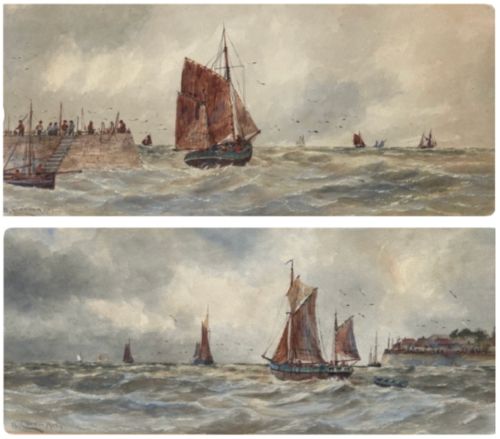
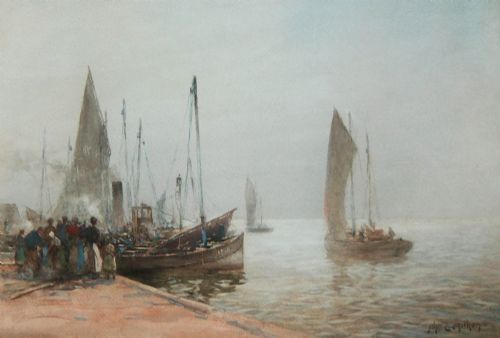
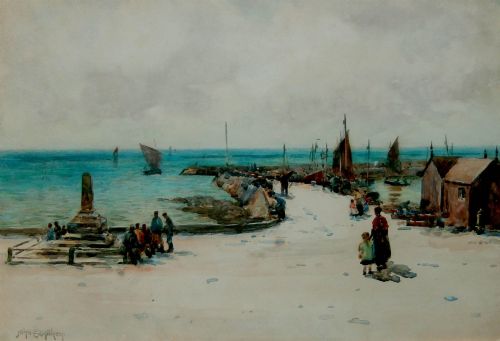
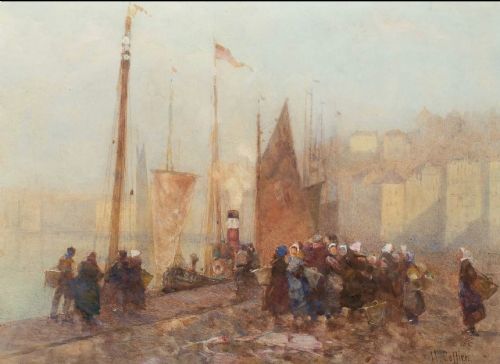
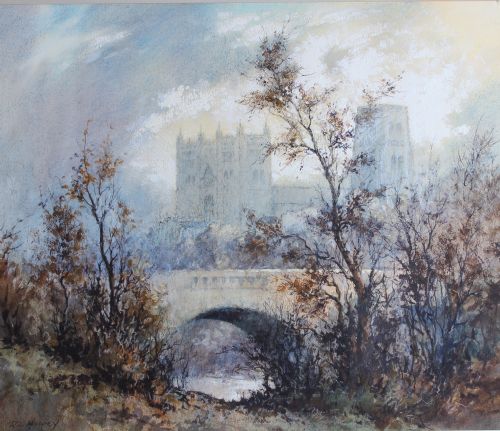
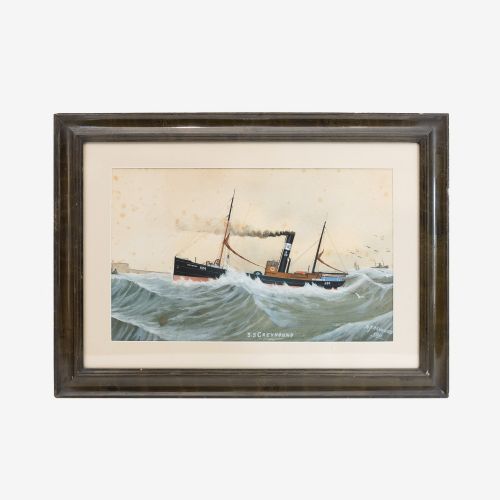
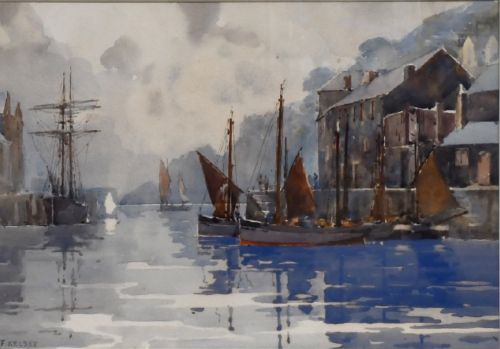
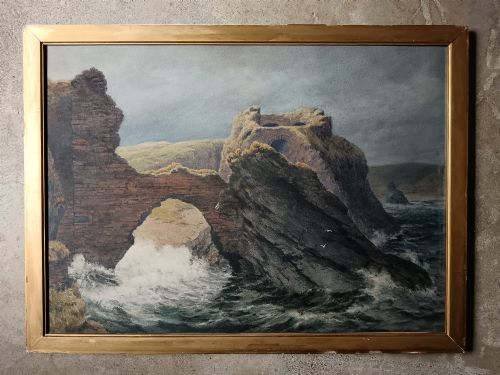
A grey watercolour marine painting captures the atmospheric mood of coastal havens and tall-masted ships using delicate washes on paper.
Grey Watercolour Marine Painting
A grey watercolour marine painting presents maritime subjects, coastal harbours and shipping scenes through tonal restraint and fluid brushwork. When searching for a grey watercolour marine painting, collectors encounter works depicting British fishing ports, naval vessels and coastal architecture.
The selections span from the late nineteenth century through to the mid-twentieth century, capturing changing approaches to maritime art. Many pieces focus on specific harbours in Yorkshire, Cornwall and Scotland, alongside international coastal views.
Examples range from detailed Victorian portrayals of tall ships to freer interpretations influenced by British Impressionism. The physical presentation typically involves a framed artwork protected beneath glass, set within a wooden frame.
Materials and technique
These works rely principally upon watercolour pigment and gouache applied to various grades of paper. Artists built up transparent washes for skies and sea, occasionally employing gouache highlights to capture the glare of light on water.
The application of paint demands precise control, as watercolour permits little room for correction once settled onto the paper surface. Monochromatic and subdued grey palettes required masters of tone to delineate distant horizons, stormy skies and stone harbour walls through subtle shifts in saturation.
Sailors doubled as artists on distant deployments, creating atmospheric watercolours of ironclads as sentimental tributes to their ships and messmates.
Evaluating standard and execution
Quality rests upon the artist's command of atmospheric perspective and tonal balance within a restrained palette. Superior works capture the weight of a heavy sea or the damp mist of a northern harbour through confident, economical brushstrokes rather than laboured detail.
The handling of light upon water and the structural accuracy of shipping rigging separate accomplished works from routine topographical records. Furthermore, the condition of the paper and the preservation of subtle grey tones without fading dictate the lasting visual impact of the painting.
Thomas Bush Hardy·Edward Seago·Hector Caffieri·Frank H. Mason·Vincenzo D’Esposito
The Grey Watercolour Marine Painting Glossary
- Gouache
- An opaque water-based medium often combined with transparent watercolour to add dense highlights and bright accents to maritime scenes.
- Seascape
- A work of art depicting the sea, coastal views, ships or maritime activity.
- Drifter
- A type of fishing vessel designed for drift-net fishing, frequently recorded by early twentieth-century marine artists in harbour scenes.
- Wash
- A fluid application of diluted watercolour pigment across the paper to create smooth skies, water or atmospheric haze.
Grey Watercolour Marine Painting: Frequently Asked Questions
What periods do these paintings date from?
The pieces span from the late nineteenth century through the Edwardian era and into the mid-twentieth century. This period encompasses Victorian academic styles alongside later impressionistic approaches to coastal subjects.
Artists working across these decades documented both traditional sail and the introduction of steamships and naval vessels. Each era brought different tonal priorities to the depiction of grey marine atmospheres.
How should I frame and display a watercolour?
Watercolours require framing behind glass with acid-free mount board to protect the delicate pigments from dust and physical damage. Direct sunlight causes fading in historic watercolours, so placement away from bright south-facing windows is essential.
Maintaining stable indoor humidity prevents the paper from cockling or developing mould over time. Proper conservation framing preserves the integrity of the original paper support.
How do artists create grey tones in watercolour?
Painters mix complementary colours or use neutral tints to achieve varied grey tones rather than relying solely on black pigment. These mixtures allow the artist to suggest cool sea mists, heavy rain clouds or overcast daylight.
Transparent washes layered gradually over one another build depth within the grey areas without muddying the paper's texture. The luminosity of the white paper shines through the thinnest washes to illuminate the scene.
What subjects appear most often in marine watercolours?
Harbour entrances, fishing fleets at rest, coastal architecture and heavy seas dominate the compositions. Scenes often record specific locations such as Whitby, St Ives or various international ports visited by the artists.
Naval vessels, ironclad battleships and working coastal craft also feature prominently in works commissioned or painted by maritime specialists. These subjects reflect Britain's deep historical connection to seafaring and trade.