

Original Portrait Painting
When you explore original portrait painting, you encounter centuries of rendered likenesses on canvas, panel and paper that connect you directly to past subjects.
Original Portrait Painting
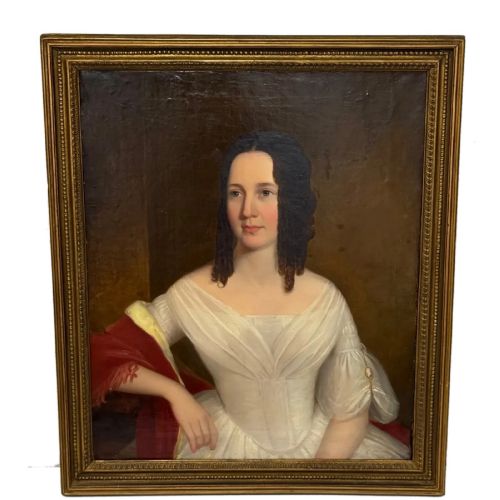
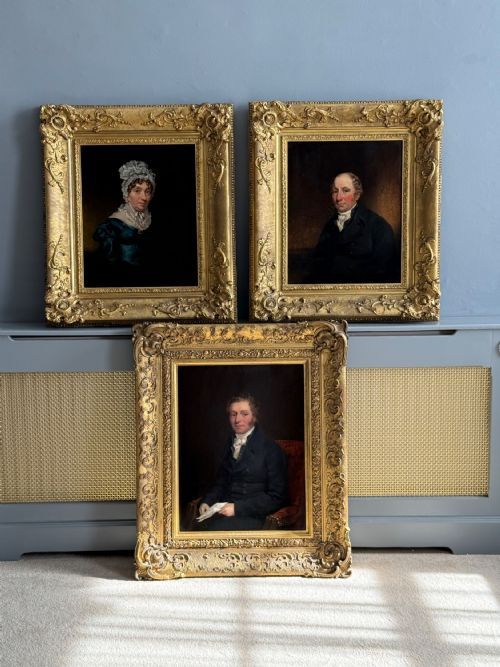
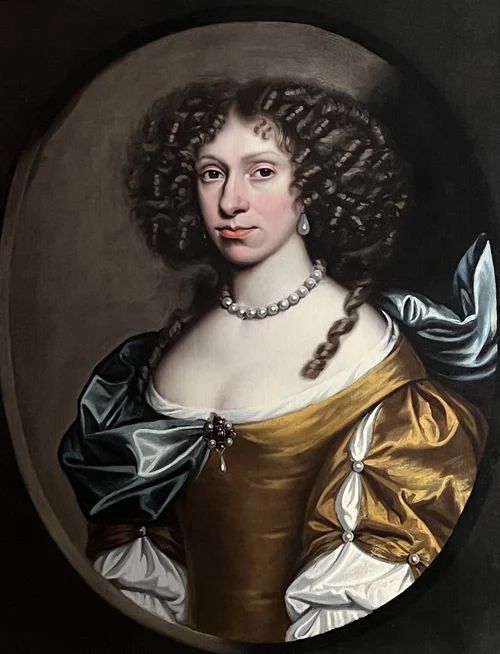
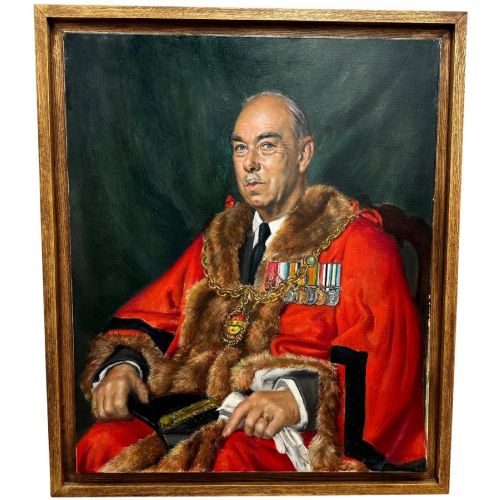
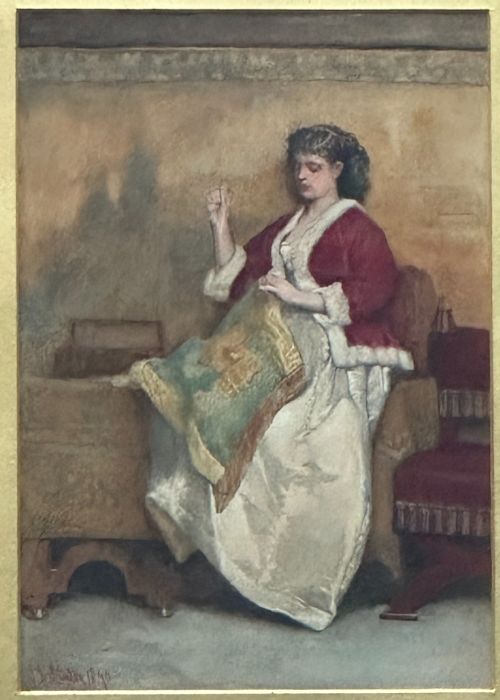
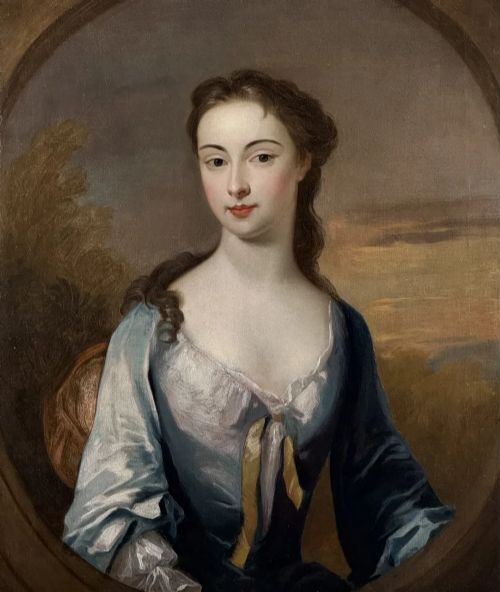
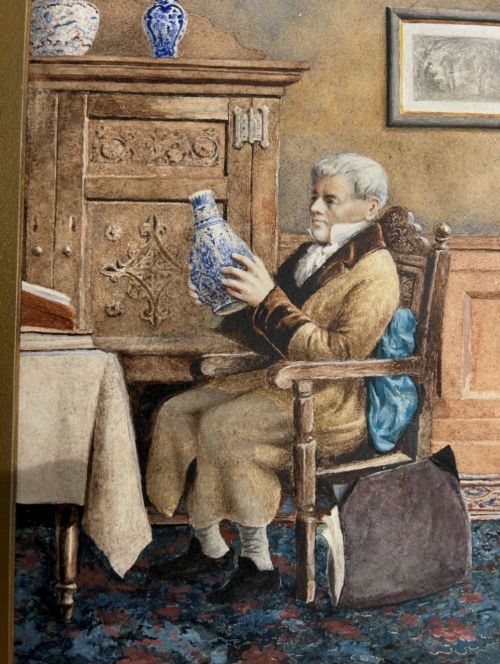
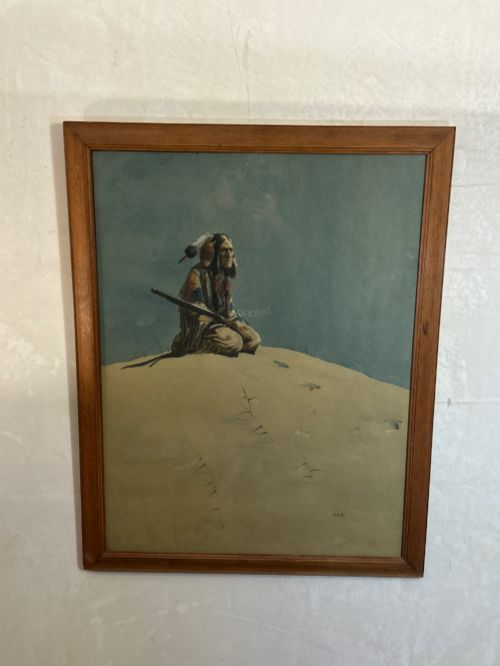
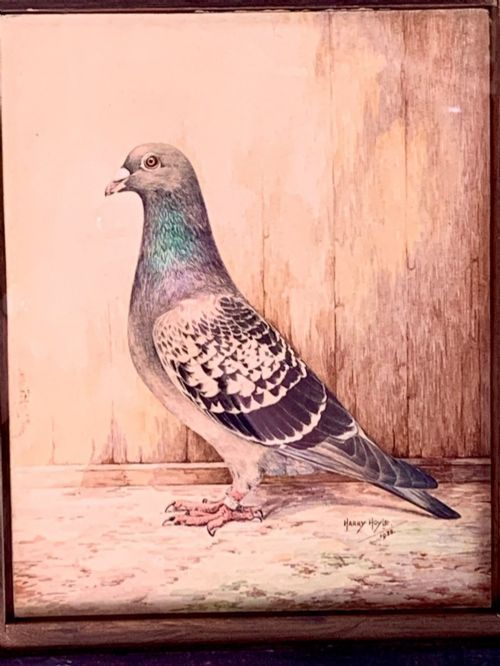
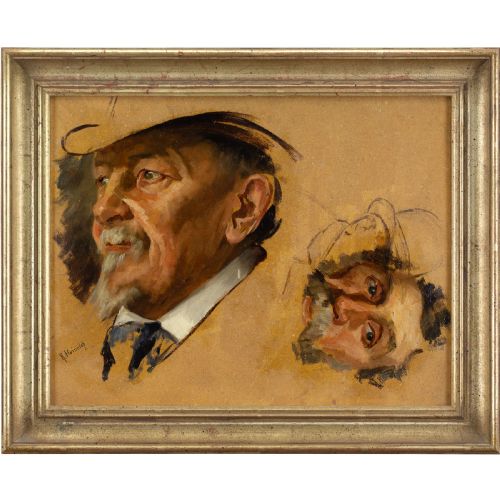
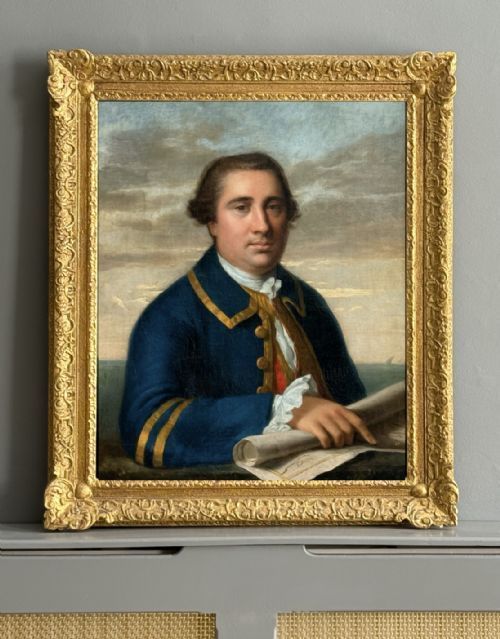
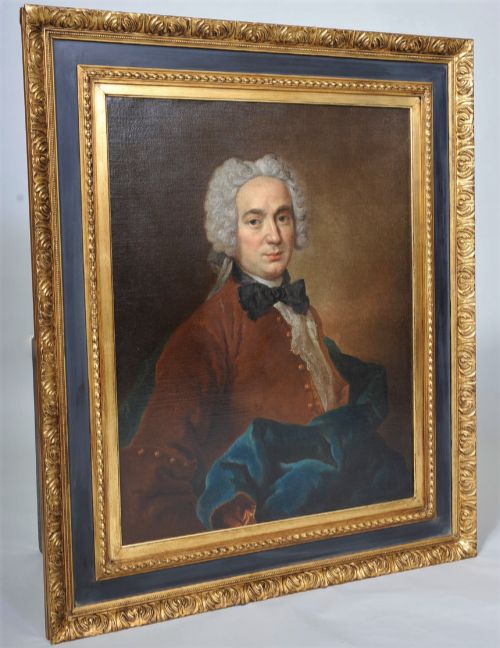
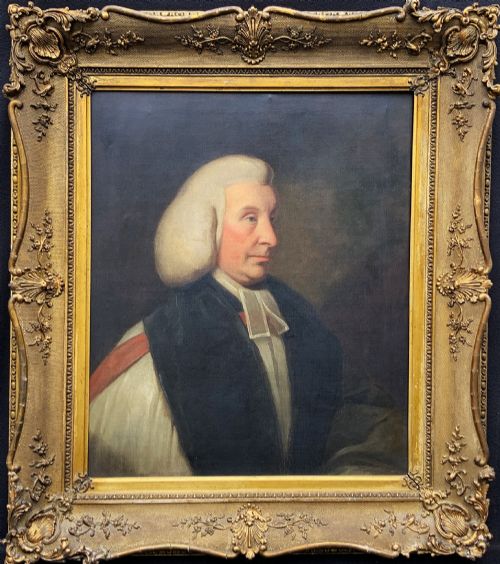
An original portrait painting captures the likeness of a specific individual, ranging from noblewomen and merchants to artists and children, executed by hand during periods spanning the seventeenth century through to the mid twentieth century. These works appear across various formats, including large canvases set within giltwood frames, intimate wood panels, and delicate watercolours on paper.
The selections available bridge multiple aesthetic movements and eras, encompassing Georgian elegance, Regency restraint, Victorian realism, and mid-twentieth-century modernism. Many pieces originate from named British and European artists or regional schools, depicting sitters accompanied by personal attributes, animals, or simple domestic settings.
How They Were Made
Artists painted primarily using oil on canvas or wood panel, applying layers of pigment to build depth in clothing, backgrounds, and flesh tones. Alternatively, works on paper utilised watercolour, gouache, or pastel mediums to capture rapid character studies and detailed profile sketches.
Support structures varied according to the period and scale, with heavier canvases stretched over wooden frames and secured with traditional tacks, while smaller compositions utilised solid wood panels, metal plates, or heavy card stock housed behind protective glass.
Original Portrait Painting Retail Price Guide 2026
Typical asking prices for original portrait painting among the pieces listed under this phrase on Sellingantiques today, from the lower quarter to the upper quarter. They describe what is for sale here now, not the wider market.
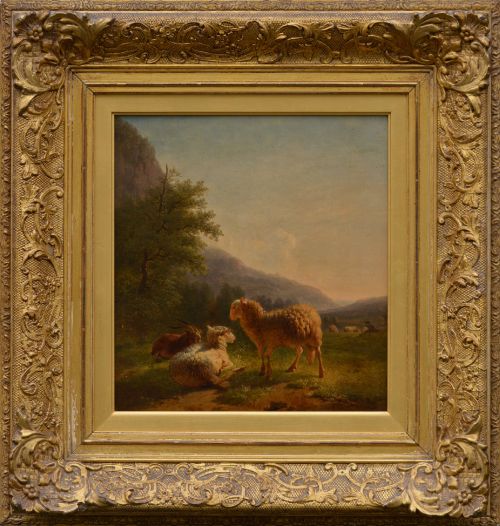
Several portraits quietly record the presence of family pets, capturing horses, spaniels, and goats posing alongside their human owners.
What Varies in Quality
The sophistication of brushwork and the precision of anatomical rendering distinguish skilled academic output from routine provincial production. Master painters captured light across fabric and rendered psychological depth within the sitter's expression, whereas lesser works remain stiff and formulaic.
Material preservation dictates overall integrity, separating pieces retaining their original stretchers, unlined canvases, and period giltwood frames from those compromised by heavy overpainting, tears, or unstable structural alterations.
Joseph Clover·David Scougall·John Hayls·Charles Jervas·Lemuel Francis Abbott·John Opie·Margaret Sarah Carpenter·James Howe
The Original Portrait Painting Glossary
- Oil on Canvas
- A traditional painting medium where coloured pigments suspended in drying oils are applied to a woven fabric support. This method allowed artists to achieve rich colour saturation and subtle tonal blending.
- Giltwood
- Carved wood decorated with a thin layer of gold leaf. Frames finished in this style frequently accompany formal oil paintings from the Georgian and Victorian eras.
- Panel
- A rigid wooden or metal support used instead of canvas. Painters working in earlier centuries often favoured wood surfaces for stability and smooth application.
- Watercolour
- A paint consisting of colour pigments suspended in a water-soluble vehicle. Artists applied these translucent washes to paper for sketches and finished portraits.
- Pastel
- A dry drawing medium composed of powdered pigment and a binder. These works require placement behind glass to protect the friable chalk surface from physical disturbance.
Original Portrait Painting: Frequently Asked Questions
How do I date an old portrait painting?
Dating relies primarily on the sitter's costume, hair styling, and framing materials. Portraiture shifted noticeably across decades, reflecting changing fashions in dress and artistic conventions.
Secondary clues include stretcher construction, canvas types, and inscriptions or signatures left on the reverse of the support.
Where should I hang a portrait painting?
These works suit traditional reception rooms, studies, or hallways where lighting can be controlled. Stable wall environments away from direct sunlight protect the pigments and underlying supports from degradation.
Pairing a canvas with a compatible period frame enhances its visual weight within an interior scheme.
What is the difference between oil and watercolour portraits?
Oil portraits use heavy, buildable pigments on canvas or panel, offering rich texture and durability. Watercolour works utilise thin, translucent washes on paper, resulting in lighter, more immediate studies.
Oils generally hung in formal reception rooms, while watercolours often served as personal likenesses kept in smaller formats.
How should I clean an antique painting?
Surface dust should be removed gently with a soft, dry brush by someone experienced in handling delicate artworks. Liquid cleaners and household agents damage fragile paint layers and historic varnishes.
Professional conservators should handle deeper cleaning, varnish removal, or canvas repairs to maintain the integrity of the piece.