







Original Marine Painting
An original marine painting captures the movement of coastal tides, working harbours and open water across centuries of artistic record.
Original Marine Painting
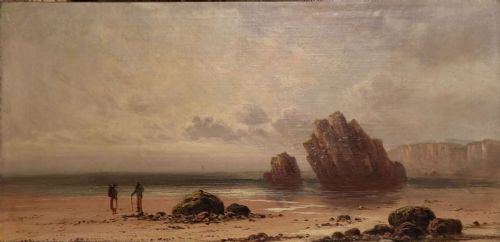
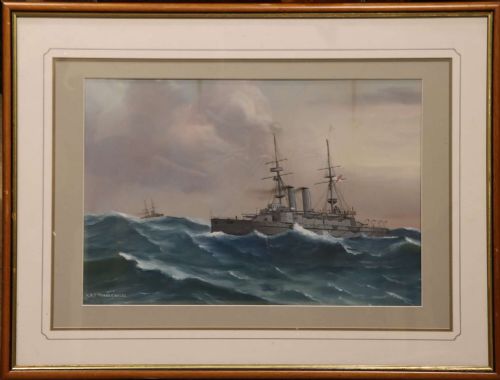
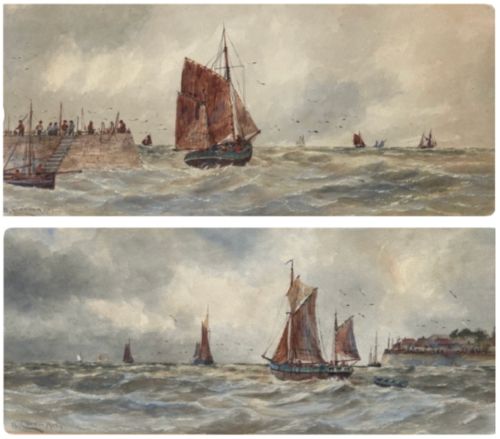
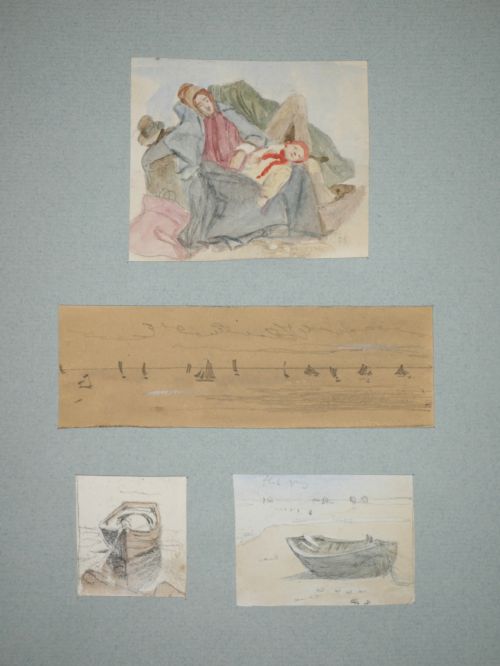
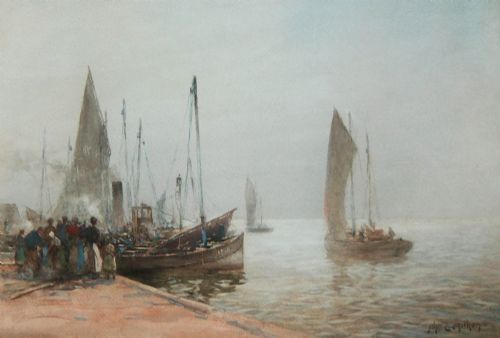
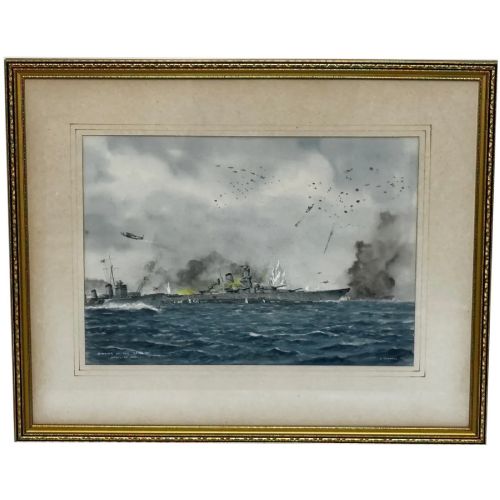
When you search for an original marine painting, you encounter works depicting coastal views, harbour scenes, shipping vessels and open seas. These works range from late Victorian watercolours of fishing boats to mid-century oil paintings on board capturing British and European shores.
The selections span the nineteenth century through the twentieth century, encompassing periods such as Edwardian, Victorian, and mid-century British art. You will find watercolours on paper alongside oils on canvas and board, framed within period gilt wood or simple mounts.
Subjects frequently centre on specific locations including Yorkshire harbours, Cornish fishing ports, and international coastal havens. The makers and artists documented here range from named professional painters to regional observers working en plein air.
Materials and methods
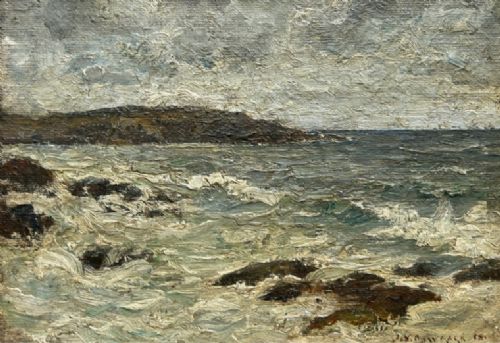
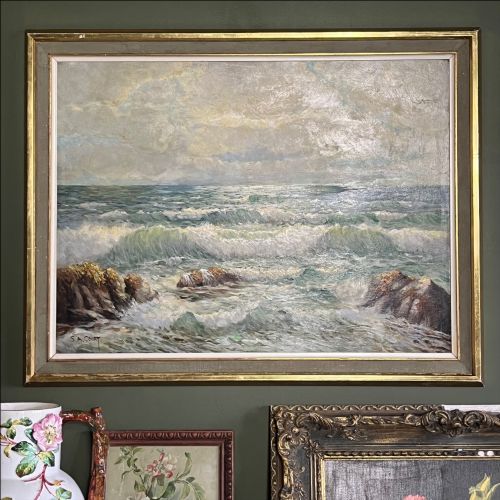
Artists painted primarily with oil paint or watercolour applied to canvas, wood panels, artists' boards, or heavyweight paper. Oil paintings often utilise thick impasto brushwork to build texture in waves and skies, while watercolours rely on fluid washes to capture light on water.
Surviving works are frequently housed in their original decorative frames, often constructed from gilt wood or moulded wood with glass protection for works on paper. These framing choices reflect the period aesthetics of the Victorian, Edwardian and mid-century eras.
Listings feature works spanning the 19th century through the 1960s, executed in oil, watercolour, and mixed media on paper, canvas, and wood board.
Quality factors in marine art
The strength of a composition rests on the artist's handling of light, atmospheric perspective, and the dynamic movement of water and wind. Superior pieces demonstrate confident brushwork and precise topographical or nautical detail rather than formulaic repetition.
Condition plays a part in evaluation, distinguishing works with vibrant, unfaded pigments and stable canvas or paper from those suffering from heavy discolouration, moisture damage, or extensive repainting. Original period framing also contributes to the integrity of the piece.
Kenneth Cozens·James Orrock·William Cannon·Clifford Hanney·Eugène-Louis Gillot·Sidney A. Court·James E. Aitken·Charles Edward Dixon·John E. Aitken·Eric Tufnell·William Banks Fortescue·Clive Browne·Peter Brannan·Hector Caffieri·Joseph Farquharson·Robert Leslie Howey·Bernard Benedict Hemy·George Stanfield Walters·Frank Kelsey·Walter Goodin·Abraham Hulk I·Henry Barlow Carter·F A Roylance·John Moxon·William Frederick Settle
The Original Marine Painting Glossary
- Impasto
- Paint applied thickly to a canvas or board, standing out from the surface so that the marks of the brush or palette knife remain visible. This technique adds tactile dimension to representations of crashing waves and turbulent seas.
- En plein air
- The act of painting outdoors to capture the direct effects of light and weather upon a landscape or seascape. It was widely practised by artists working along the coast during the nineteenth and twentieth centuries.
- Provenance
- The documented history of ownership and origin associated with a work of art. A clear lineage helps verify the authenticity and attribution of a marine painting.
- Watercolour
- A paint consisting of colour pigments suspended in a water-soluble vehicle, typically applied to paper. It allows for translucent washes that effectively convey the shifting moods of coastal skies and sea.
Original Marine Painting: Frequently Asked Questions
How do I care for an antique watercolour?
Keep works on paper away from direct sunlight to prevent the pigments and washes from fading over time. Maintaining stable indoor humidity also protects the paper and prevents foxing.
Ensure that the framing is sealed properly against dust and moisture. Professional conservation mounting using acid-free materials preserves the longevity of the artwork.
Were these paintings made on location?
Many artists worked directly on the coast to capture shifting light and weather conditions firsthand. This en plein air approach allowed them to record accurate sea states and harbour atmospheres.
Other larger studio pieces were developed from initial pencil sketches or watercolours completed outdoors. Both methods yielded authentic representations of maritime life.
How can I identify the date of a marine painting?
Signatures, dates, and inscriptions on the reverse often provide clear markers for when a piece was created. Stylistic clues such as the rigging of ships and the clothing of figures on the shore offer further context.
Framing styles and materials also correspond to specific periods of production. Comparing the work to known pieces by the same hand helps narrow down the timeframe.
What is the difference between oil and watercolour marine art?
Oil paintings use heavy pigments on canvas, board, or wood panels, allowing for rich textures and deep tones. They are typically displayed without glass protection.
Watercolours utilise pigment on paper and require glass to guard against surface damage. They generally offer a lighter, more translucent quality well suited to coastal light.