
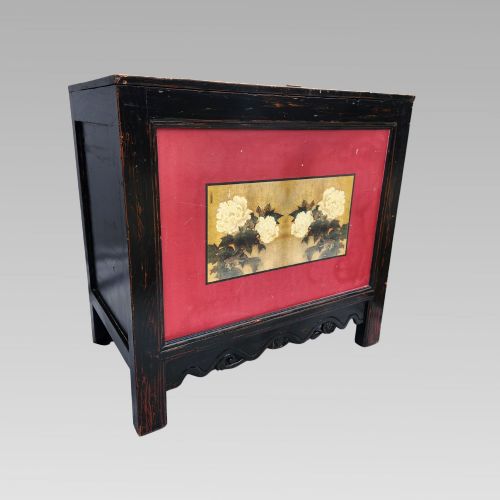


Oriental Wooden Storage Chest
An oriental wooden storage chest brings distinct regional craftsmanship and aromatic timber into a room, serving practical organisation with deep historical character.

Oriental Wooden Storage Chest
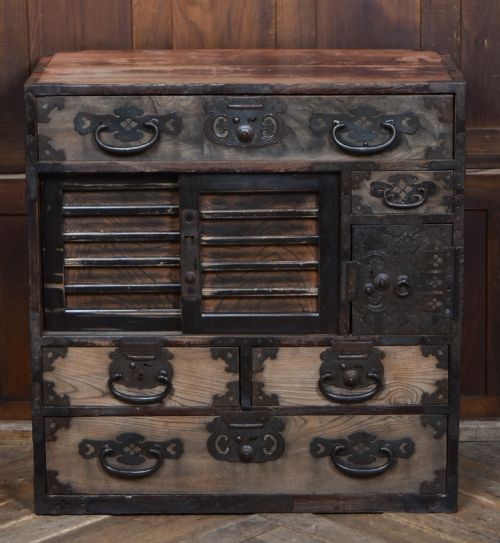
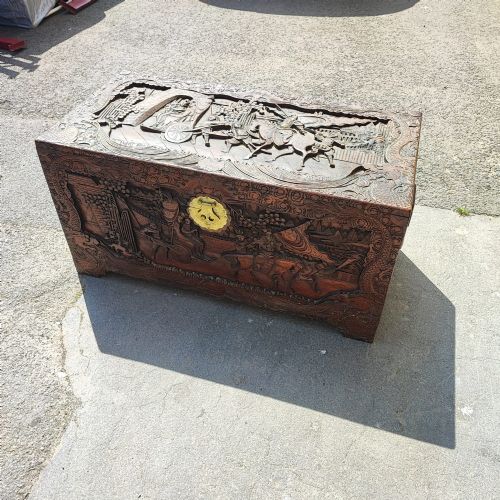
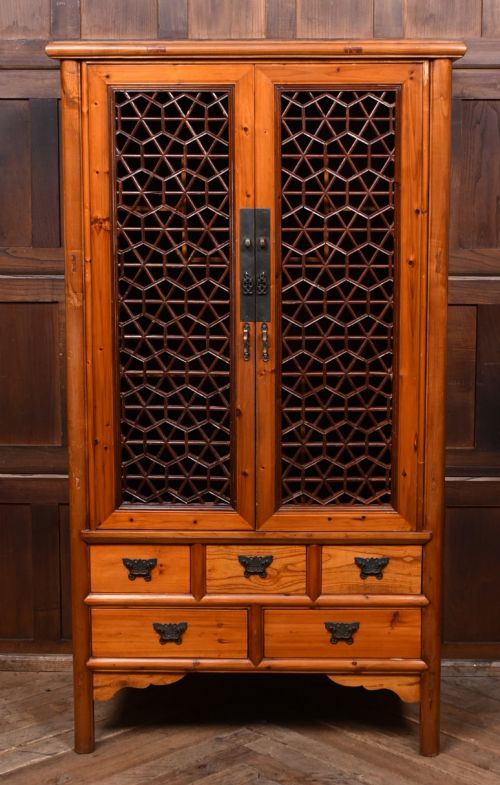
An oriental wooden storage chest encompasses a broad range of utilitarian forms designed to secure textiles, valuables, and provisions across Asian and global trade routes. Buyers encounter everything from robust blanket boxes and tea caddies to multi-tiered larder cupboards and merchant trunks. The nineteenth century yields the highest concentration of examples, supplemented by pieces stretching back to the eighteenth century and forward into the nineteen-thirties.
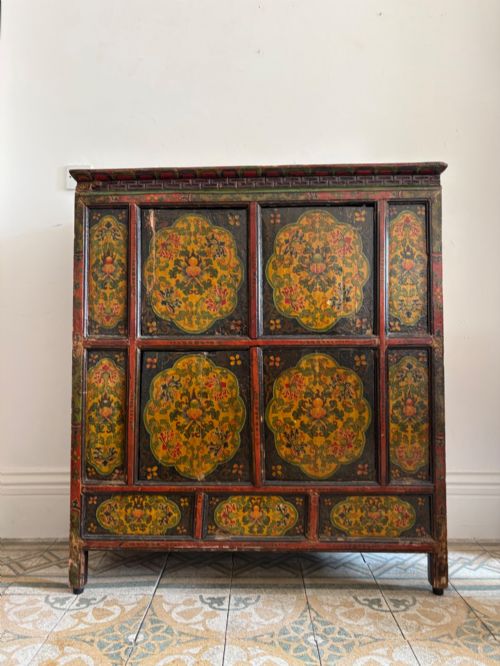
Camphor wood emerges as the dominant timber for these trunks, prized for its natural insect-repelling qualities and aromatic grain. Alongside camphor, makers utilised elm, cedar, kiri, burr elm, rosewood, teak, and general hardwood. Surfaces appear plain, richly carved, hand-painted with floral motifs, or finished in black and red lacquer.
Geographic origins span multiple traditions, notably Chinese export work, Qing Dynasty pieces, Japanese tansu and mizuya cabinetry, Korean painted and burr elm chests, Anglo-Indian items, and Zanzibar chests. Traditional Chinese and Japanese forms sit alongside cross-cultural export pieces created for Western markets. This variety ensures buyers find items ranging from austere, utilitarian kitchen storage to highly decorated, carved display furniture.
Materials and construction methods
Construction relies heavily on native Asian timbers chosen for specific properties, such as resilient camphor wood for trunks and dense elm or cedar for structural cabinets. Carpenters joined panels using traditional framing and joinery techniques that accommodated seasonal timber movement without splitting. Surfaces frequently received protective and decorative coatings of natural lacquer, floral hand-painting, or intricate low-relief carving.
Hardware forms an integral part of the manufacturing process, with blacksmiths and metalworkers fashioning robust brass and iron hinges, lock plates, and corner braces. These metal fittings provided structural reinforcement for travel while serving as decorative focal points against the dark wood or lacquer. Inlaid details involving mother-of-pearl further enriched select surfaces.
Listings span the eighteenth century, nineteenth century, and early twentieth century, incorporating materials like lacquer, camphor wood, burr elm, and brass.
Factors influencing quality and execution
The standard of carving and surface decoration dictates the visual tier of a piece, moving from simple utilitarian surfaces to deeply undercut, intricate floral reliefs and detailed Chinoiserie lacquering. Master carvers achieved crisp depth and symmetry that lesser hands missed. Similarly, the sophistication of painted floral schemes and lacquer finishes separates standard workshop output from exceptional examples.
Hardware integrity and originality define another layer of quality, as hand-beaten brass or iron mounts fitted flush to the timber indicate careful initial construction. Pieces retaining their original functional locks, hinges, and decorative metal plates carry greater authenticity than those with later replacements. The selection of timber figure, such as highly figured burr elm or select camphor grain, also marks out superior examples.
The Oriental Wooden Storage Chest Glossary
- Tansu
- A traditional Japanese mobile storage cabinet or chest built for domestic or mercantile use. These pieces often feature multiple drawers and sliding doors designed for specific household functions.
- Mizuya
- A traditional Japanese kitchen larder or storage cupboard used for holding utensils and food provisions. They represent a specialised form within domestic cabinetry.
- Camphor Wood
- An aromatic timber harvested from the camphor tree, widely utilised for trunks and blanket boxes. Its strong scent naturally protects stored textiles from moths and insects.
- Cofer
- An archaic term for a heavy storage chest or box, typically bound in metal and used for valuables. These sturdy containers pre-date lighter domestic cabinetry.
- Chinoiserie
- European-derived artistic interpretation and imitation of Chinese architectural, textile, and decorative styles. Artisans applied these designs to lacquered cabinets and screens.
- Zanzibar Chest
- A heavy, brass-studded storage trunk associated with East African and Omani trade routes, often constructed from teak or rosewood. These chests reflect multicultural design influences from maritime commerce.
Oriental Wooden Storage Chest: Frequently Asked Questions
What is a tansu chest?
A tansu is a traditional Japanese mobile storage chest built with multiple drawers and compartments. These pieces served various domestic functions, from clothing storage to kitchen organisation.
Carpenters constructed them using timbers such as cedar, kiri, and general hardwoods, often fitted with robust iron hardware.
Why use camphor wood for chests?
Camphor wood emits a strong, distinctive aroma that naturally deters moths and silverfish from damaging stored woollens and textiles. This made it the preferred material for blanket boxes and luggage chests.
Over decades, the timber retains its characteristic scent and develops a warm surface patina.
How do I care for lacquered wood?
Lacquered surfaces require stable indoor humidity away from direct sunlight to prevent drying and cracking. Dusting with a soft, dry cloth maintains the finish without chemical polishes.
Avoid placing damp items directly onto antique lacquer to protect the delicate surface layers.
What defines a Zanzibar chest?
A Zanzibar chest is a heavily constructed maritime storage trunk featuring brass studding, strapwork, and elaborate corner mounts. They were produced for trade across the Indian Ocean using dense timbers like teak and rosewood.
These pieces combine functional security for travel with decorative metalwork.