

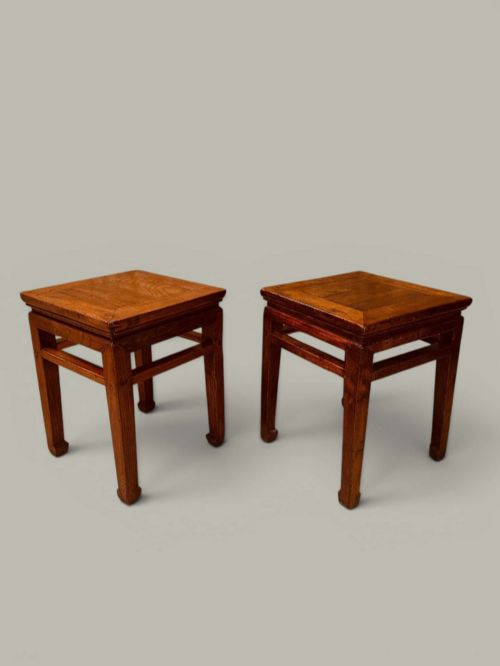
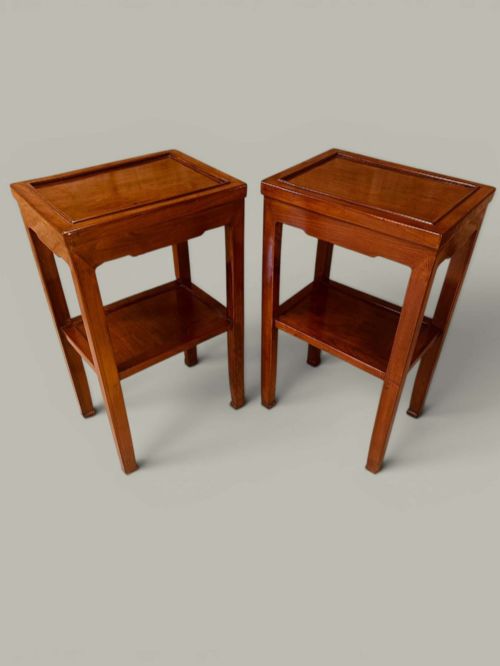


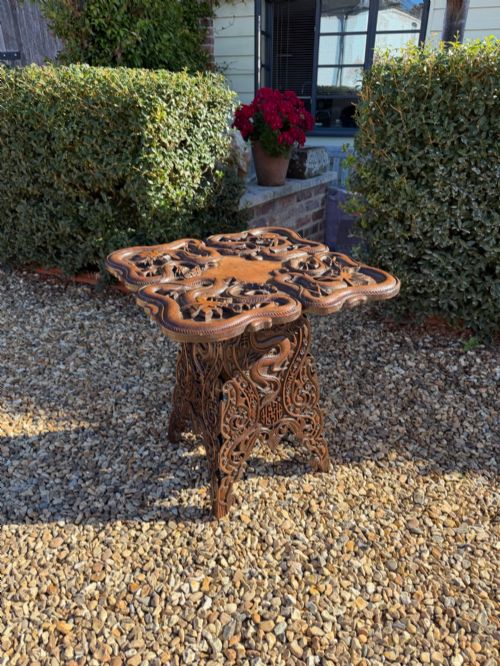
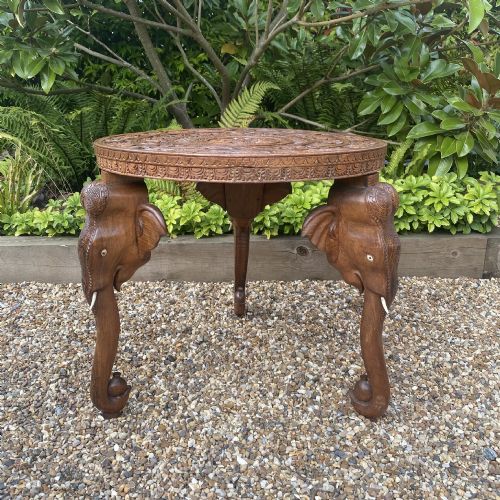


Oriental Wooden Plant Stand
An oriental wooden plant stand brings an intricate display surface into a room, holding ceramics and jardinieres with carved presence.
Materials and construction methods
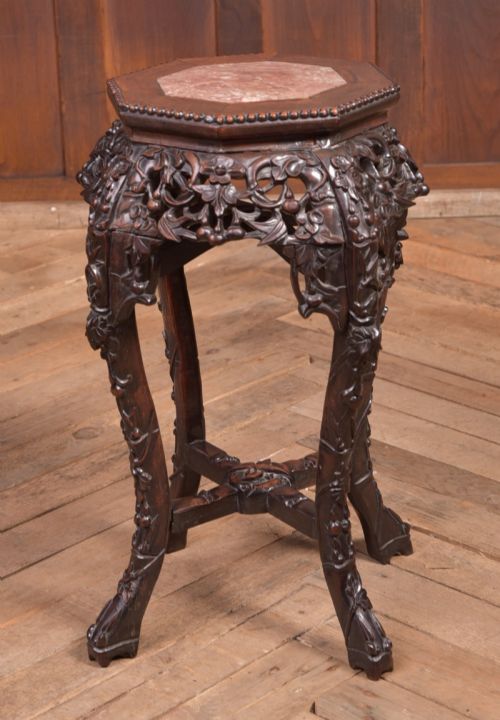
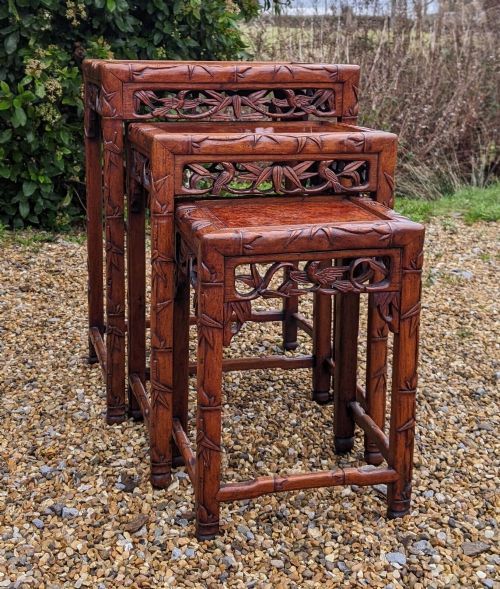
Dense timbers such as hardwood, rosewood, teak and elm provide the structural integrity required for heavy items. Artisans shape these materials using deep hand carving, producing detailed dragons, foliage and geometric motifs.
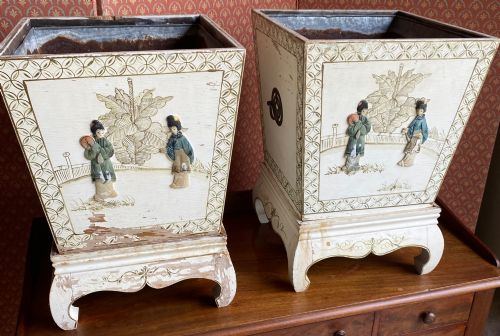
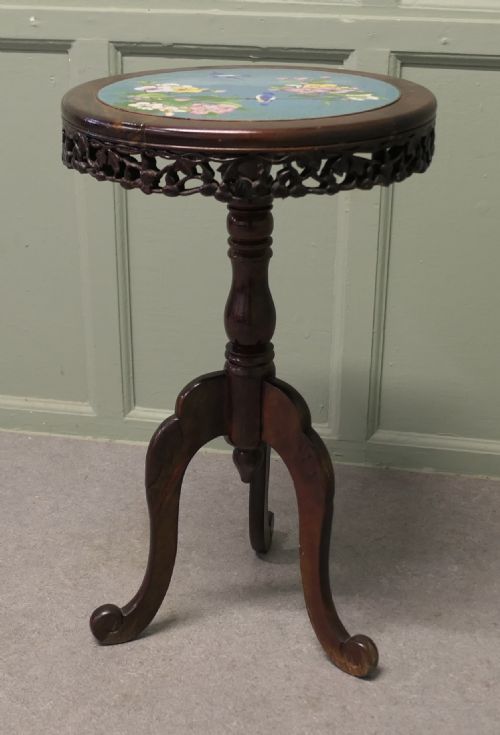
Many examples integrate contrasting elements like marble inserts, bone details, copper tops or mother-of-pearl inlay within the wooden frames. Lacquer and paint finish certain surfaces, while others rely on the natural grain of burr wood and huanghuali.
Assessing quality in construction and detail
Superior examples display crisp, deep hand carving where every scale of a dragon or petal of a flower retains sharp definition. The choice of dense timbers like solid rosewood or heavy hardwood separates finer output from simpler constructed items.
The integration of materials dictates distinction, notably where smooth marble slabs fit flush into shaped wooden bezels. Exceptional pieces show balance in proportion and refined finishing on surfaces that remain hidden from casual view.
Oriental Wooden Plant Stand Retail Price Guide 2026
Typical asking prices for oriental wooden plant stand among the pieces listed under this phrase on Sellingantiques today, from the lower quarter to the upper quarter. They describe what is for sale here now, not the wider market.
The selection includes nineteenth century pieces alongside early twentieth century items, incorporating materials such as marble, bone, lacquer and solid rosewood.
Liberty of London·Gabriel Viardot
The Oriental Wooden Plant Stand Glossary
- Torchère
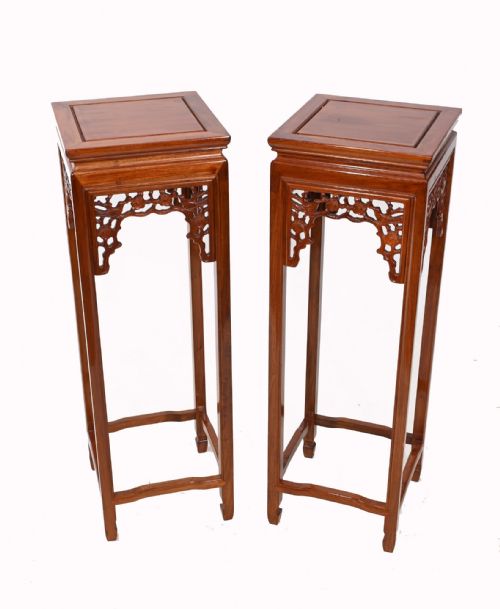
- A tall, slender stand designed specifically to hold a lamp, vase or plant aloft. These elevated pieces often feature circular tops supported by carved pedestals.
- Jardiniere stand
- A low or medium table created to hold a large ceramic plant container. They frequently incorporate marble inserts to protect the wooden structure from water damage.
- Huanghuali
- A prized aromatic hardwood from China known for its rich colour and distinctive grain patterns. It appears in high-status tables and stands.
- Meiji
- A Japanese historical period spanning from eighteen sixty-eight to nineteen twelve. Furniture from this era often utilises elm and meticulous hand carving.
- Chinoiserie
- European decorative style reflecting Chinese artistic traditions. It manifests in lacquered finishes and painted motifs on stands and tables.
Oriental Wooden Plant Stand: Frequently Asked Questions
What is an oriental wooden plant stand used for?
These pieces function primarily as elevated surfaces for heavy ceramic pots, vases and decorative items. They raise greenery and sculpture to eye level within a room.
Beyond holding plants, many serve as occasional tables, wine tables or lamp stands in diverse interior settings.
How do I identify a Chinese hardwood stand?
Chinese stands often utilise dense timbers such as hongmu or huanghuali, displaying deep relief carvings of dragons, foliage or traditional motifs. The construction frequently incorporates joined frames without metal fasteners.
Many examples feature inset marble tops designed to accommodate potted plants securely.
What is the difference between an Anglo-Indian and a Chinese stand?
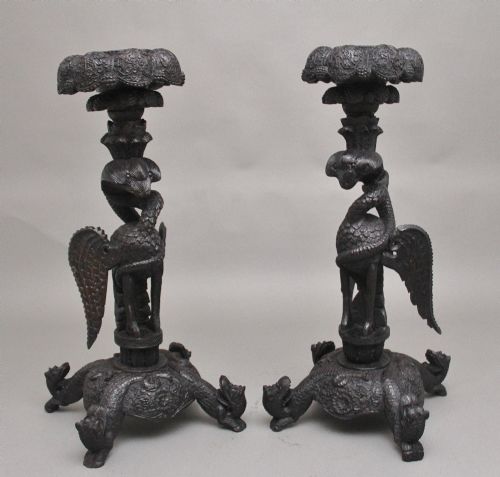
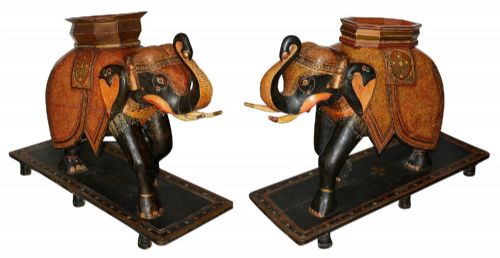
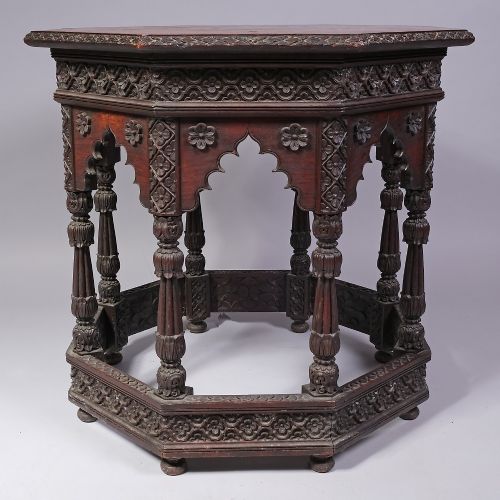
Anglo-Indian pieces typically employ solid rosewood or teak, showcasing dense overall carving inspired by regional Indian flora and fauna, including elephants and peacocks. They often feature octagonal or hexagonal tops.
Chinese stands lean towards structural forms like barrel stools and pedestals, utilising traditional dynasty styling and specific hardwood species.
Where should I place a jardiniere stand in a room?
A jardiniere stand suits corners, hallways or alongside seating where a vertical accent is required. Their compact footprints allow them to occupy tight spaces effectively.
Placing them near light sources supports the plants they hold while highlighting the carved wooden details.