






Oriental Tiered Accent Table
These oriental tiered accent table pieces offer layered display surfaces shaped by nineteenth century craftsmanship and diverse global influences.
Oriental Tiered Accent Table
An oriental tiered accent table serves as a functional display surface, often taking the form of a side table, occasional table, or plant stand. These pieces provide multiple tiers to elevate ceramics, plants, or decorative objects within a room.
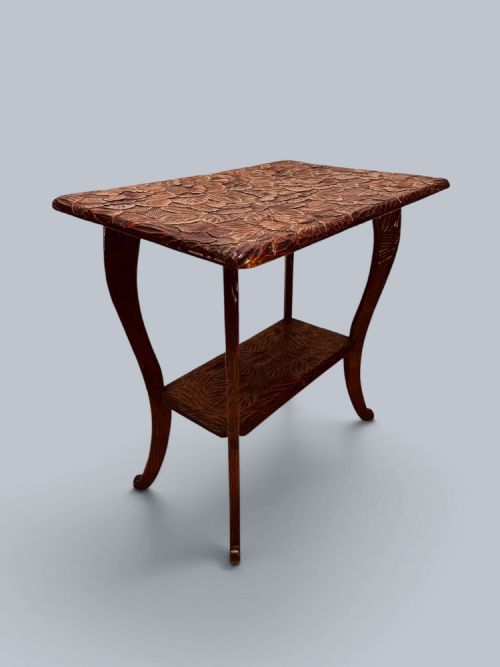
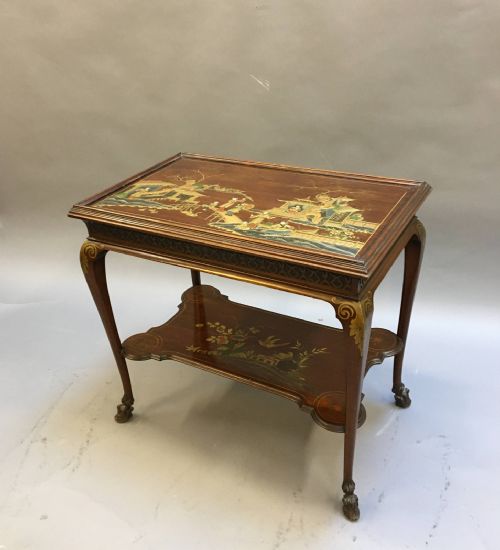
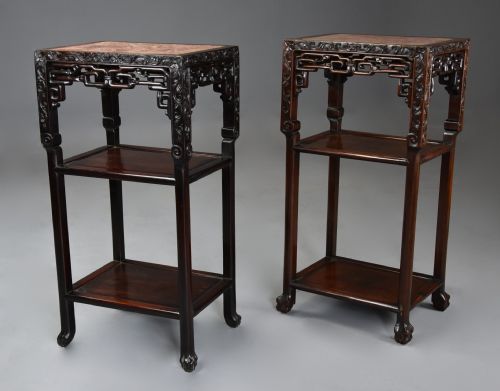
The selections seen here span the nineteenth century into the early twentieth century, encompassing Chinese Qing style, Chinoiserie, Japonisme, and Anglo-Burmese designs. Hardwood constructions and marble tops appear frequently across these varied forms.
How oriental tiered accent table examples were constructed
Maker workshops utilised dense hardwoods such as hongmu, rosewood, and teak to build sturdy frames capable of supporting tiered platforms. These timbers often received careful joinery to create multi-level stands and pedestals.
Surface decoration incorporated inlaid marble panels, lacquer work, bamboo accents, and occasional applications of gold leaf. These materials combined to produce distinct finishes associated with nineteenth century Asian and European export styles.
Oriental Tiered Accent Table Retail Price Guide 2026
Typical asking prices for oriental tiered accent table among the pieces listed under this phrase on Sellingantiques today, from the lower quarter to the upper quarter. They describe what is for sale here now, not the wider market.
Listings feature hardwood, marble, lacquer, and teak materials across nineteenth and early twentieth century periods.
What varies in quality among these tables
The refinement of the carved details and the density of the chosen hardwood distinguish finer examples from standard production. Superior execution shows crisp joinery and well-integrated tiers that balance decorative flair with structural stability.
The quality of inset elements, such as marble inserts or lacquered panels, dictates the overall character of the piece. Artisanal precision in these decorative inclusions marks the difference between basic utility and high craftsmanship.
Gabriel Viardot
The Oriental Tiered Accent Table Glossary
- Hongmu
- A dense, dark tropical hardwood traditionally utilised in classical Chinese furniture construction. This heavy timber accommodates intricate carving and polished finishes.
- Japonisme
- A nineteenth century Western artistic movement inspired by Japanese aesthetics and craftsmanship. Objects in this style incorporate asymmetrical compositions and natural motifs.
- Chinoiserie
- European decorative style reflecting Chinese artistic traditions through imaginative interpretations. These pieces often feature lacquered panels and painted ornamentation.
- Anglo-Burmese
- A design style combining British furniture forms with Burmese carving techniques and timber selections. Such items typically emerge from nineteenth century colonial production.
- Qing Dynasty
- The final imperial dynasty of China, spanning from the seventeenth to the early twentieth century. Furniture from this era displays distinct regional carving styles and robust hardwood frames.
Oriental Tiered Accent Table: Frequently Asked Questions
What is an oriental tiered accent table?
An oriental tiered accent table is a multi-level stand designed for display and utility, utilising forms such as occasional tables and pedestals.
These pieces typically feature two or three tiers constructed from dense hardwoods and occasionally incorporate marble tops or lacquered panels.
How were these tables used originally?
Historically, these tiered surfaces functioned as stands for ornamental vases, urns, and indoor plants within domestic interiors.
The multiple levels allowed households to display precious objects at varying heights to maximise visual impact.
Where do these tables originate from?
The pieces originate from diverse cultural intersections, including nineteenth century Chinese workshops, British colonial production in Burma, and European studios influenced by Eastern design.
Styles range from traditional Qing Dynasty forms to Western interpretations like Chinoiserie and Japonisme.
How should I care for a hardwood table?
Maintaining these hardwood surfaces requires consistent indoor humidity levels to prevent timber movement or cracking. Gentle dusting with a dry cloth preserves the polished finish without harming antique lacquering or inlay.