


Oriental Style Low Table
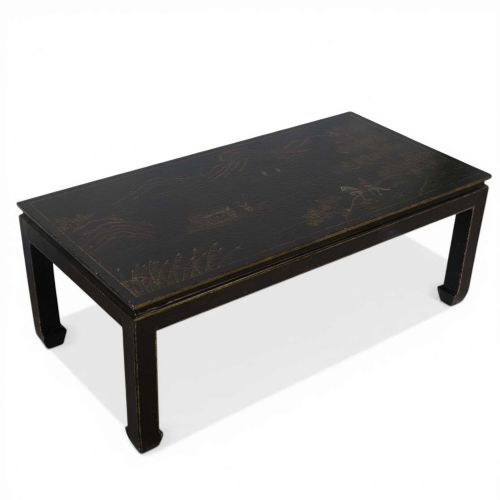
An oriental style low table brings low-slung proportion and decorative lacquer or hardwood grain straight to a sitting room.
Oriental Style Low Table
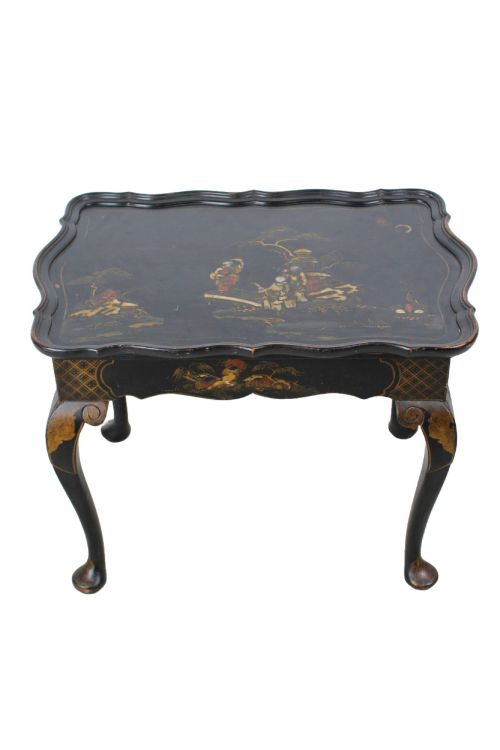
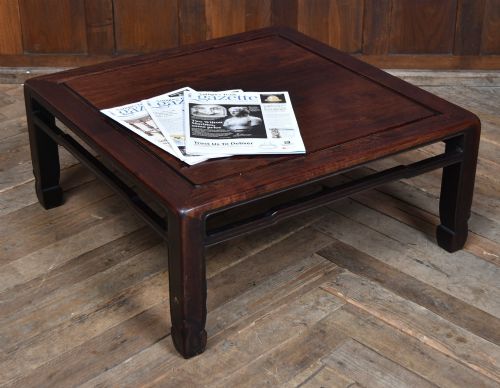
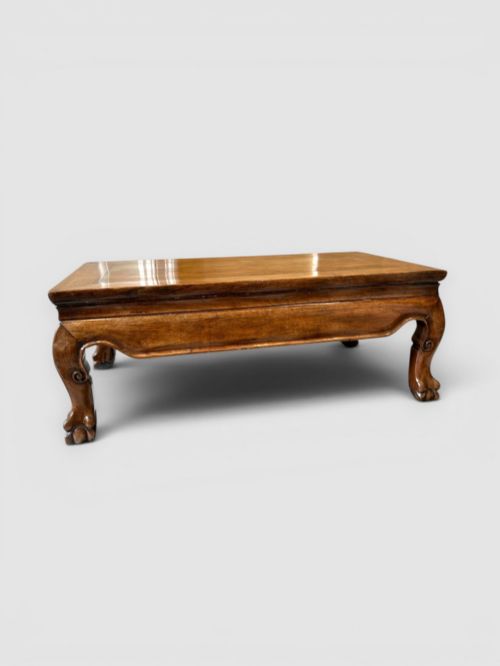
When you search for an oriental style low table, you enter a field defined by low profiles, tray tops, and distinct regional interpretations from the nineteenth and twentieth centuries. These surfaces function primarily as coffee tables, occasional tables, or opium tables, sitting close to the floor with restrained elegance.
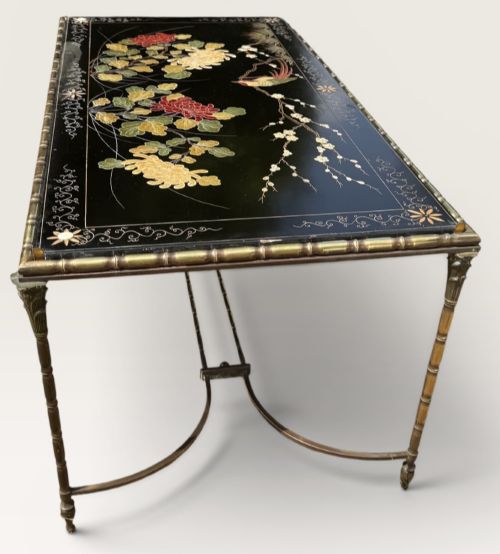
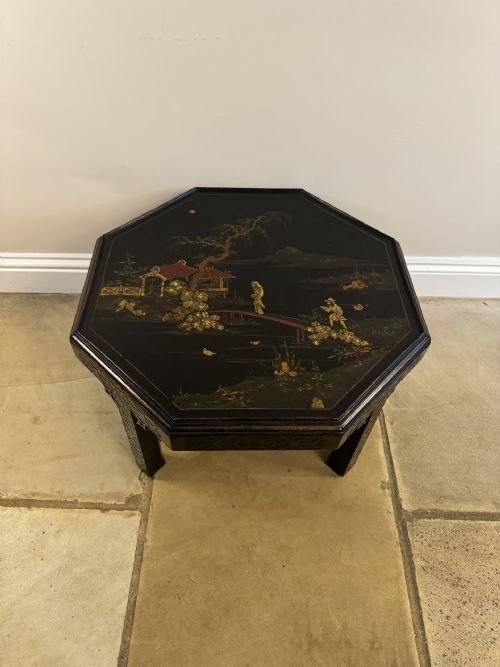
The versions most commonly met on this page span Edwardian chinoiserie iterations, traditional Chinese hardwood forms, and Japanned English pieces. Makers varied from nineteenth-century workshops to twentieth-century French houses, producing items that range from simple elm panels to intricate raised relief work.
Alongside standard coffee tables, the selection includes related low forms such as plant stands, low stools, and small chests. Each piece adapts traditional eastern design principles for western domestic interiors, maintaining a low centre of gravity and compact footprint.
Materials and construction methods
Construction relies heavily on dense timbers such as hardwood, rosewood, elm, and huanghuali, chosen for structural stability and fine grain. Workshops often employed traditional joinery techniques to shape low frames, opium tables, and tray tops without excessive metal hardware.
Surfaces frequently receive applied decoration through lacquer, paint, gilding, or ebonisation. Japanned finishes and raised relief details add pictorial depth, while glass tops sometimes protect delicate painted scenes on nineteenth and twentieth-century examples.
Several tables retain scars from past cups of tea, proving they have spent a century or more actually holding things.
Assessing quality in construction and finish
Quality rests primarily on the integrity of the timber and the execution of the surface finish. Dense hardwoods and well-seasoned elm provide a robust skeleton that resists warping, whereas lesser examples employ thinner secondary woods beneath heavy paint.
The depth and durability of the lacquer or painted decoration distinguish finer pieces from mass production. Hand-applied gilt, crisp carved relief work, and balanced proportions separate workshop pieces from simpler decorative adaptations.
Maison Bagues·Liberty and Co
The Oriental Style Low Table Glossary
- Chinoiserie
- European decorative style imitating Chinese artistic motifs and techniques. It appears frequently on Edwardian and mid-century tables.
- Japanned
- European imitation of Japanese lacquerwork using layered varnish and painted decoration. This finish is common on twentieth-century English tables.
- Opium table
- Low-slung traditional Chinese table designed for use on a platform or floor. These pieces now serve widely as low coffee tables.
- Tray top
- Table surface featuring a raised moulded rim designed to contain objects. This edge profile is typical of many Edwardian and nineteenth-century examples.
Oriental Style Low Table: Frequently Asked Questions
What is an oriental style low table used for?
These pieces serve primarily as low coffee tables or display surfaces in modern living rooms. Their modest height keeps sightlines open across a room.
Historically, specific forms like opium tables or Kang tables were designed for kneeling or floor seating. Today, they integrate easily into contemporary seating arrangements as central coffee tables.
How do I date an antique chinoiserie table?
Dating relies on examining the timber, the composition of the lacquer, and structural joinery. Edwardian pieces often feature lighter secondary woods beneath applied Chinoiserie decoration.
Nineteenth-century examples tend to utilise heavier hardwoods and traditional Chinese joinery. Comparing the painted motifs against known period styles helps narrow the manufacturing decade.
Are these tables solid hardwood?
Materials vary significantly across the selection depending on the regional origin and period. Some pieces utilise dense timbers like huanghuali, rosewood, or elm throughout the frame.
Other examples employ softer woods as a carcase beneath painted or lacquered finishes. Inspecting the underside reveals the primary timber and construction method.
How do I care for a lacquered coffee table?
Lacquered and Japanned surfaces require gentle cleaning with a soft, dry cloth to prevent scratching. Avoid abrasive cleaners, strong solvents, and direct sunlight.
Many owners place a custom glass top over delicate painted scenes to protect the finish from daily wear and moisture rings.