



Hand Painted Coffee Table
A hand painted coffee table brings together utility and intricate surface decoration, drawing on traditions from Edwardian Chinoiserie to rustic painted oak.
Hand Painted Coffee Table
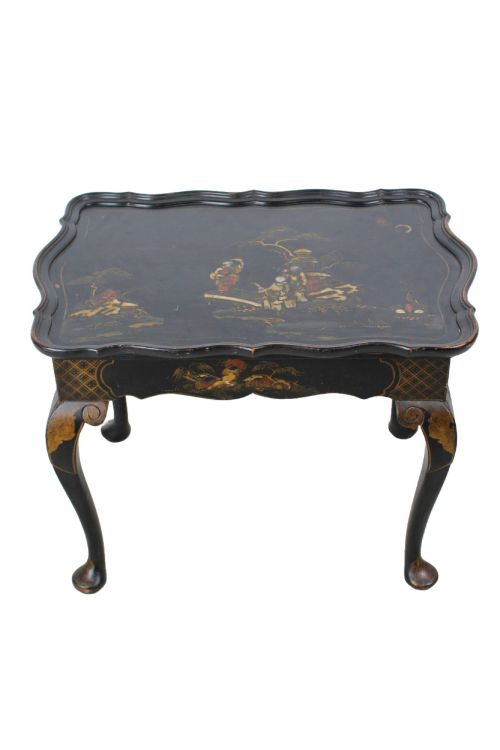
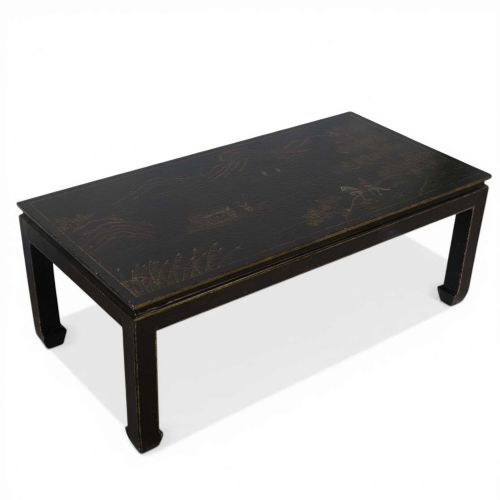
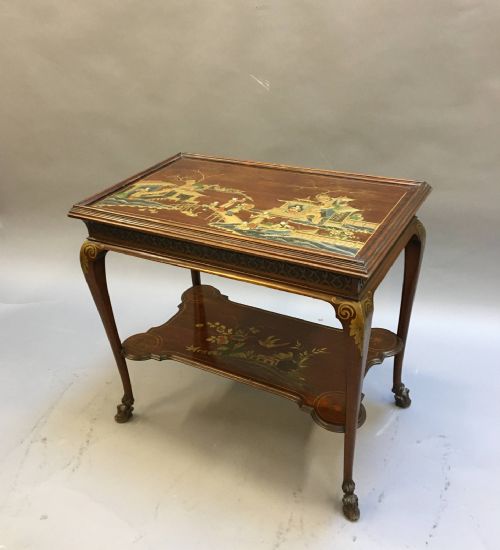
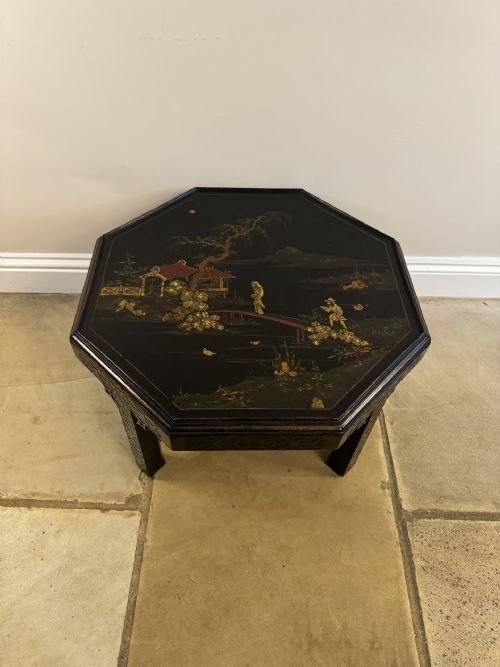
When you search for a hand painted coffee table, you encounter a diverse selection of low tables, tray tables, nests of tables, and occasional pieces adapted for daily use. The most common examples on this page are Edwardian and nineteenth-century Chinoiserie tables finished in lacquer and gilt pigment.
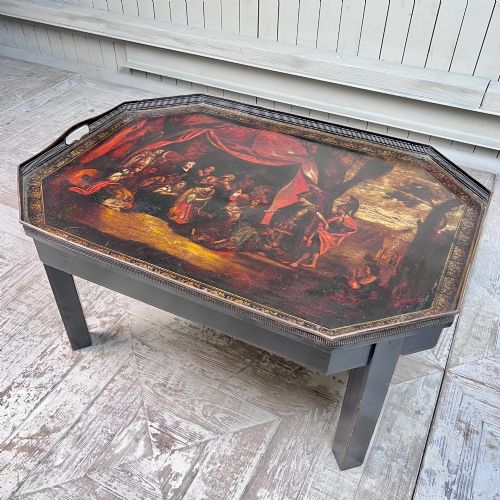
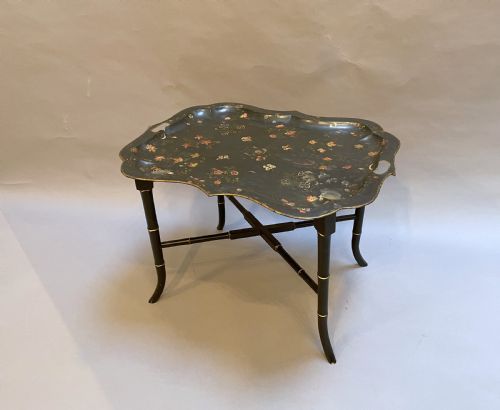
Many of these low tables originate from converted serving trays, toleware trays, or papier-mâché trays mounted on later stands, alongside occasional tables and nests of four. Alongside British and European styles, the selection includes pieces with distinct regional origins such as Burmese, Kashmiri, and Middle Eastern designs.
The form spans centuries, stretching from early nineteenth-century examples through to pieces made around 1930, encompassing rustic painted oak and formal Queen Anne style frames. Each piece combines a functional surface with decorative painted scenes, figural subjects, or traditional motifs.
How they were made
Makers built these tables using wood, lacquered wood, and papier-mâché, often pairing painted surfaces with structural supports made of iron or oak. Trays formed from papier-mâché or metal toleware were frequently combined with later stands to create functional low tables.
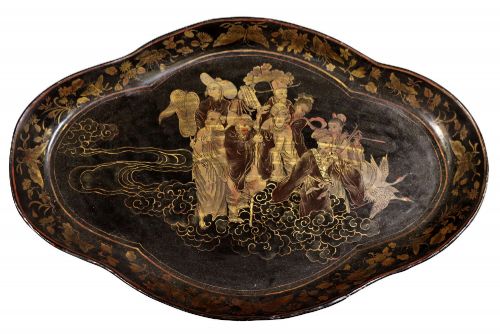
Decoration relied on paint, gold leaf, and gilt, applied over lacquer to build up intricate scenes and borders. Skilled hands executed the painted motifs, utilising pigment and gold leaf to achieve the characteristic sheen of Chinoiserie and Japanned surfaces.
Listings feature wood, lacquer, paint, gold leaf, and papier-mâché across periods spanning the nineteenth and early twentieth centuries.
What varies in quality
The distinction between standard examples and the finest pieces lies in the execution of the painted decoration and the depth of the lacquer work. Superior items display meticulous detail in the figurative scenes and gilt highlights, whereas simpler pieces feature heavier or more repetitive brushwork.
Construction methods and the integration of stands also dictate quality, particularly where trays have been adapted to form tables. Original pairings and signed pieces demonstrate a higher level of craftsmanship than later, utilitarian conversions.
E. Daligny
The Hand Painted Coffee Table Glossary
- Chinoiserie
- A European decorative style reflecting Chinese artistic influences, commonly featuring figures, landscapes, and pavilions rendered in paint and gilt upon a lacquered ground. This style dominates many of the tables found in this selection.
- Toleware
- Painted or enamelled metalware, frequently taking the form of trays that were later mounted onto stands to serve as coffee tables. These pieces often exhibit rich floral or pictorial decoration.
- Japanned
- A European imitation of East Asian lacquerwork, created by applying successive layers of varnish and pigment. This finish produces a hard, glossy dark surface suited to decorative scenes.
- Papier-mâché
- A composite material made from paper pulp or layers of paper mixed with glue, moulded and dried before being lacquered and painted. It provided a lightweight yet durable surface for decorative trays.
- Quartetto nest
- A set of four graduating tables designed to stack inside one another when not in use. These occasional tables frequently feature elaborate painted and gilt decoration.
Hand Painted Coffee Table: Frequently Asked Questions
What is a tray table?
A tray table is a low surface created by placing a decorative serving tray onto a dedicated wooden or iron stand. These pieces offer a removable top and portable utility.
Many examples date from the nineteenth century, utilising papier-mâché or metal toleware trays paired with later frames.
Are these tables sturdy enough for daily use?
These tables are generally suited to holding cups, books, and decorative objects during everyday living. Their durability depends on the solidity of the underlying wood or metal frame.
Care should be taken with lacquered and painted surfaces to protect the original finish from moisture and heat.
How do I identify an Edwardian piece?
Edwardian pieces often feature lighter frames, refined Chinoiserie decoration, and neat proportions suited to parlour or drawing room use. They frequently appear as nests of tables or lamp tables dating from around 1900 to 1910.
Construction details and the specific style of the lacquer work help distinguish them from earlier nineteenth-century items.