
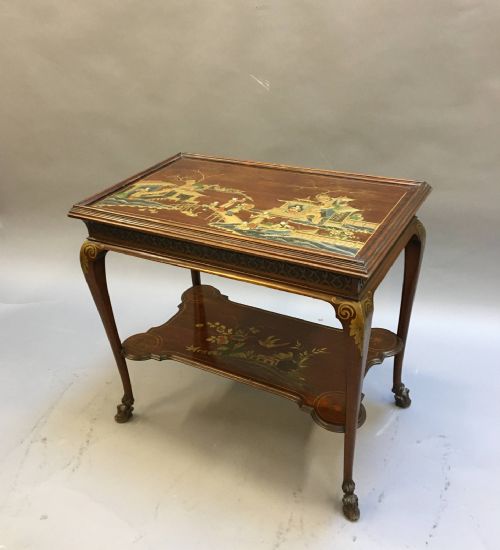


Edwardian Style Japanned Table
These edwardian style japanned table pieces bring painted lacquer and Chinoiserie ornament into a room, offering functional surfaces layered with historic motifs.
Edwardian Style Japanned Table
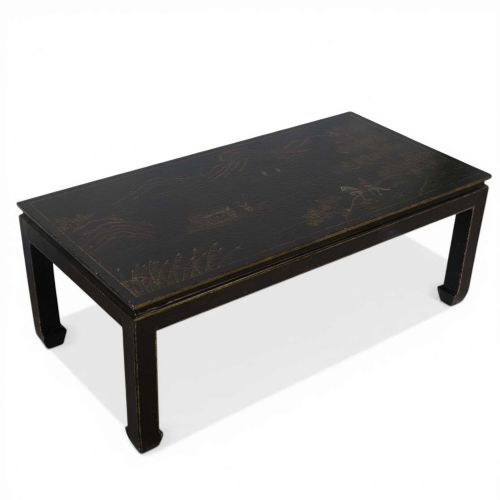
When you search for an edwardian style japanned table, you are looking at items defined by lacquer, paint, and Chinoiserie or Queen Anne styling. The selection spans occasional tables, coffee tables, tray tables, and side tables produced across the nineteenth and twentieth centuries.
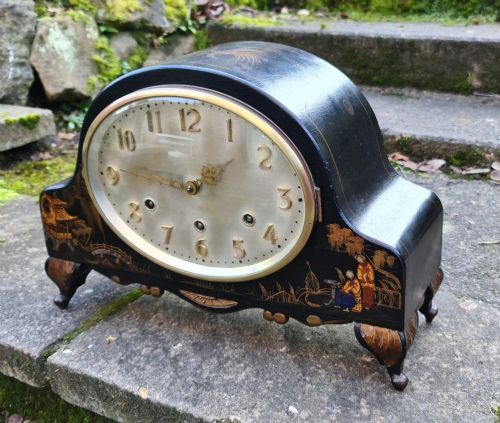
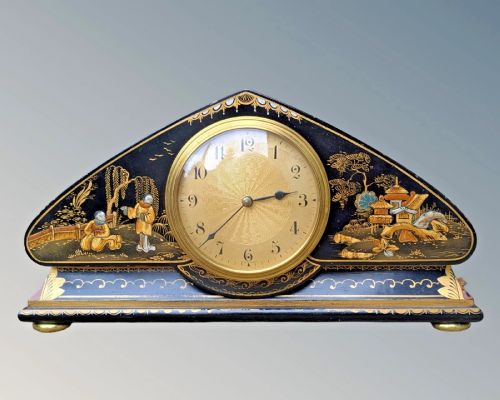
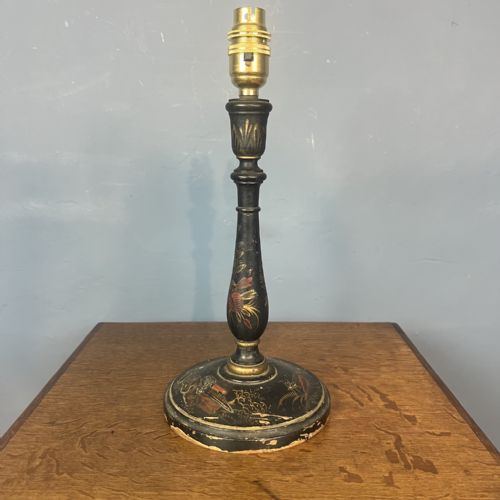
While the phrase points to Edwardian examples, the actual pieces available range from late nineteenth-century bamboo and lacquer side tables to early twentieth-century coffee tables and multi-piece bedroom suites. Alongside standard tables, the current listings include related forms such as lacquer mantel clocks, table lamps, and display tables sharing the same decorative vocabulary.
Materials and construction
Makers utilised wood, hardwood, and bamboo as structural foundations before applying layers of lacquer and decorative paint. Brass hardware and glass components appear across specific forms like display tables and clocks.
Surface ornament relies heavily on painted scenes executed in the Chinoiserie and Aesthetic Movement traditions. This decorative skin transforms simple timber and bamboo frames into reflective, highly detailed statement objects.
Listings span periods from the nineteenth century through nineteen-thirty, uniting lacquer, bamboo, hardwood, and glass across various table forms.
Assessing quality and execution
The distinction between ordinary and superior pieces rests on the depth of the lacquer finish and the hand-painted fidelity of the decorative scenes. Finer examples display meticulous brushwork and stable underlying joinery in hardwoods rather than lesser construction.
The integrity of the surface lacquer and the cohesion of the stylistic period influence the overall character of each piece. Tables that retain their original painted surfaces without excessive degradation represent the stronger tier of survivors.
The Edwardian Style Japanned Table Glossary
- Japanned
- European-made furniture finished with imitation lacquer techniques intended to emulate East Asian lacquerware. It involves layered varnishes and painted decoration.
- Chinoiserie
- The European interpretation and imitation of Chinese and East Asian artistic traditions, prominent in furniture, clock cases, and decorative painting.
- Bijouterie table
- A glass-topped display table designed for showing small valuable objects, curiosities, or jewellery beneath the surface.
- Aesthetic Movement
- A late nineteenth-century design movement that emphasised visual and aesthetic beauty over narrative or moral function in the decorative arts.
Edwardian Style Japanned Table: Frequently Asked Questions
What is an edwardian style japanned table?
It is a decorative surface finished with lacquer and painted Chinoiserie motifs, echoing eighteenth-century tastes during the Edwardian era and adjacent periods.
Such pieces function as accent furniture in sitting rooms and bedrooms, providing both utility and strong visual pattern.
How do I care for lacquered furniture?
Keep these pieces away from direct sunlight and excessive moisture to protect the delicate painted lacquer surfaces from cracking or fading.
Dust them gently with a soft, dry cloth rather than using modern chemical polishes that might damage the historic finish.
Are these tables strictly from the Edwardian period?
The material evidence shows production spanning the late nineteenth century through the early twentieth century, including items made around eighteen-eighty and nineteen-thirty.
Stylistic labels often group similar revival pieces together regardless of the exact decade of manufacture.
What materials are used besides wood?
Makers frequently incorporated bamboo frames, glass panels, and brass fittings alongside traditional timber carcasses.
Painted scenes and applied lacquer finishes unite these varied materials under a cohesive aesthetic.