




Black Lacquer Cocktail Table
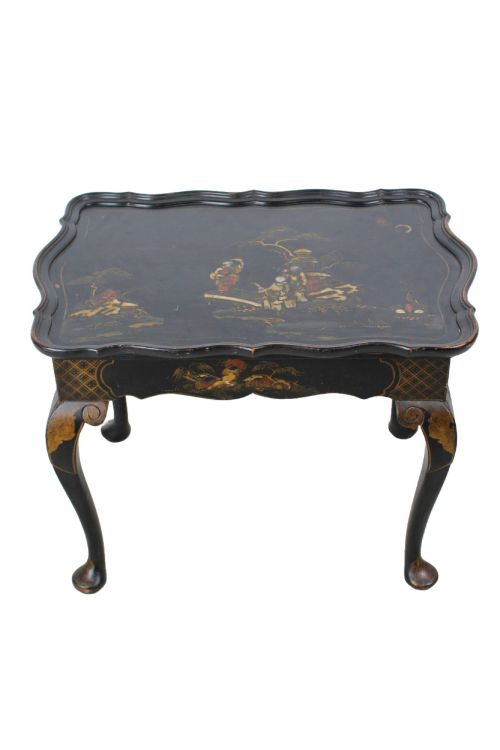
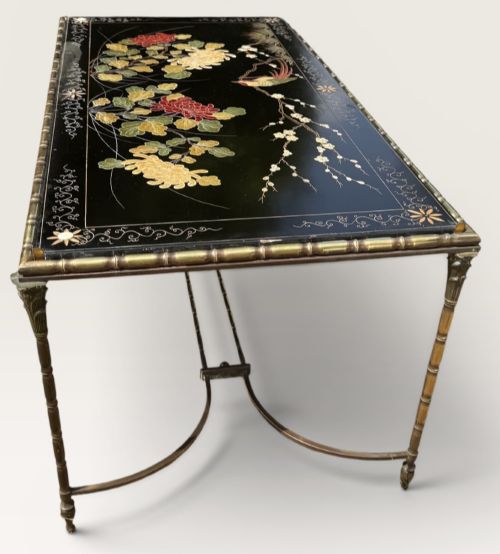
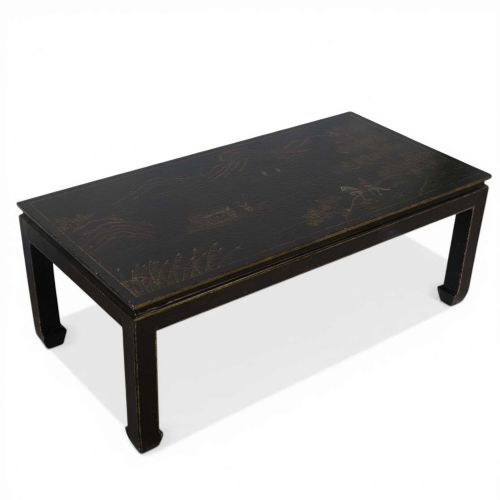
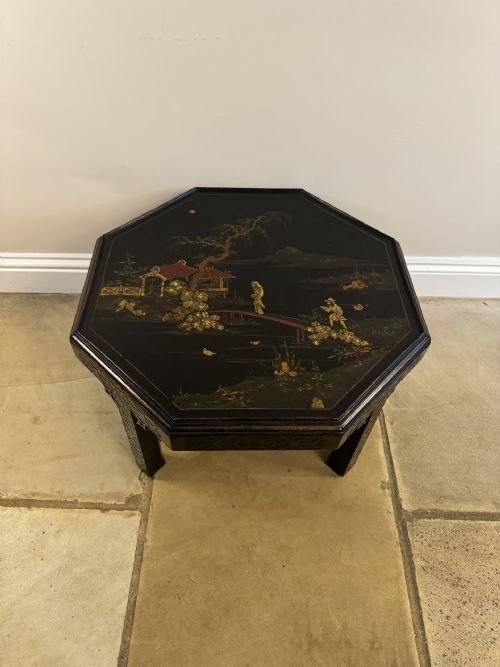
These black lacquer cocktail table pieces combine low, functional proportions with decorative painted scenes, offering a striking centrepiece for a sitting room.
Black Lacquer Cocktail Table
When you search for a black lacquer cocktail table, you encounter low coffee and occasional tables designed for entertaining and daily use. The pieces span periods from the nineteenth century through the Edwardian era and the 1930s, reflecting diverse interpretations of low table forms.
Most examples lean heavily into Chinoiserie and Japanned decoration, featuring painted scenes and raised relief details upon dark surfaces. You will also find Regency style tray tables and French Louis XV style occasional forms adapted to low coffee table heights.
Materials and construction
The foundation of these pieces relies on wood, frequently finished with black lacquer, ebonised treatments, or paint. Artisans applied decorative painted scenes directly to the surface, occasionally incorporating raised relief detail or soapstone elements.
Many examples utilise gilt or gilt paint to highlight the intricate oriental motifs and borders against the dark background. Brass fittings and tray top edges appear on specific pieces, combining structural utility with decorative flair.
The listings span the nineteenth century, the Edwardian period, and the 1930s, showcasing wood, lacquer, gilt, and soapstone.
Distinctions in quality
Quality rests upon the execution of the painted and lacquered decoration, distinguishing fine hand-painted Chinoiserie scenes from simpler surface treatments. The depth of the lacquer finish and the crispness of the gilt work dictate the visual presence of the table.
The integrity of the underlying wood frame and the subtlety of carved or raised relief details separate standard production from superior examples. Proportion and the harmonious integration of style, whether Regency, Edwardian, or Louis XV, anchor the better pieces.
Maison Bagues
The Black Lacquer Cocktail Table Glossary
- Japanned
- European imitation of Japanese and Chinese lacquerwork. The technique involves applying layers of varnish and paint, often curing to a dark, glossy finish.
- Gilt
- Application of gold paint or thin gold leaf to surfaces. It provides bright contrast against black lacquer and ebonised wood.
- Tray table
- A low table featuring a top with raised edges, originally designed for serving. Many examples adapt this form for use as a coffee table.
- Ebonised
- Wood finished to resemble ebony through staining or painting. This process creates a dark, uniform surface common on twentieth-century low tables.
Black Lacquer Cocktail Table: Frequently Asked Questions
What is a black lacquer cocktail table?
A black lacquer cocktail table is a low surface designed for living rooms, finished with dark lacquer and frequently decorated with painted Chinoiserie scenes. These pieces serve practical functions while introducing bold visual pattern into a room.
They bridge historical styles and modern seating arrangements, offering a durable surface for daily use. The dark finish helps anchor a seating group visually.
How do I date a black lacquer table?
Dating relies on examining the construction methods, wood types, and decorative styles present on the piece. Edwardian and 1930s examples often display specific stylistic traits associated with Chinoiserie revivals.
Nineteenth-century versions show distinct wear patterns and hand-mixed paints differing from later twentieth-century production. Comparing the hardware, such as brass accents, aids in establishing the period.
Are these tables sturdy enough for daily use?
Most pieces are built from solid wood frames designed to withstand everyday living room requirements. The lacquered and painted surfaces require sensible care with coasters to prevent moisture marks.
Regular dusting and gentle cleaning preserve the integrity of the painted scenes and gilt details over time. Their sturdy wood construction ensures they function reliably as coffee tables.
What styles complement a black lacquer table?
These tables pair well with traditional upholstery, contemporary minimalist sofas, and eclectic interior schemes. The dark surface and decorative motifs provide a strong focal point that contrasts with neutral fabrics.
They suit rooms featuring Asian antiques, Art Deco furniture, or classic English seating arrangements. The versatile low proportions integrate smoothly into diverse decorative layouts.