

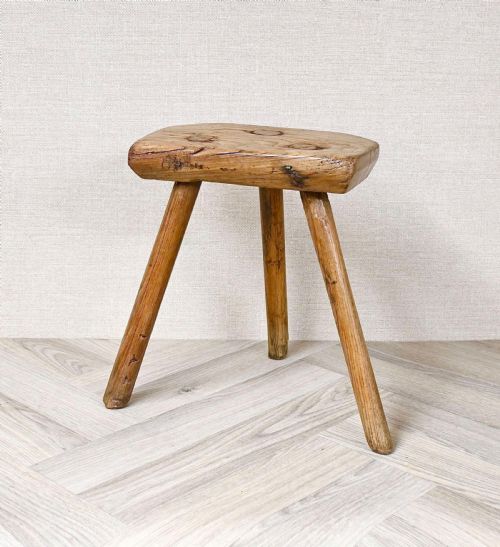


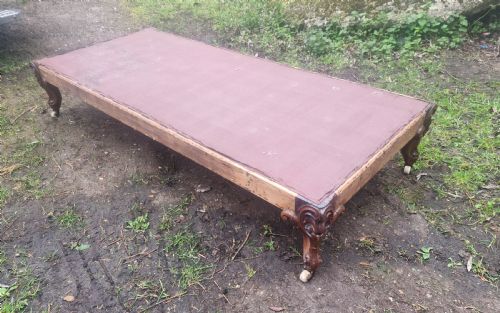


Carved Wood Low Bench
A carved wood low bench brings immediate ground-level presence to a room, functioning equally well as a seat, coffee table or display surface.
Carved Wood Low Bench
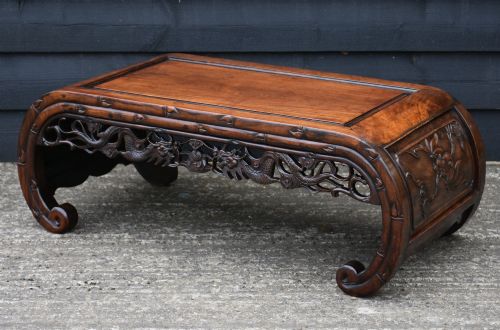
A carved wood low bench combines structural timber with decorative relief, spanning forms from Chinese opium tables and window seats to African ceremonial beds and European dressing stools.
Buyers searching for a carved wood low bench will frequently encounter pieces originating from the nineteenth century through the early twentieth century, utilising dense exotic woods and regional joinery traditions.
The category incorporates diverse cultural styles, ranging from Qing Dynasty hardwood seating and Anglo-Indian ottomans to Victorian rosewood frames and tribal wooden stools.
Materials and construction methods
Craftsmen utilised heavy hardwoods including rosewood, walnut, oak, mahogany, and huali, selecting dense timbers capable of holding intricate chisel work without splitting.
Construction relied on traditional joinery methods combined with hand carving, piercing, and occasional gilding or ebonising to articulate the surface decoration.
Several low benches double as historical multifunctional furniture, having spent past lives as milking stools, ceremonial beds, and opium tables.
Distinguishing quality across examples
Quality rests upon the crispness and depth of the hand carving, where deeply undercut dragon details or geometric motifs demonstrate superior artisan skill compared to shallow, mechanical scoring.
The integrity of the timber selection dictates longevity, with dense tropical hardwoods and quarter-sawn European oaks maintaining stability better than softer utility woods.
The Carved Wood Low Bench Glossary
- Opium table
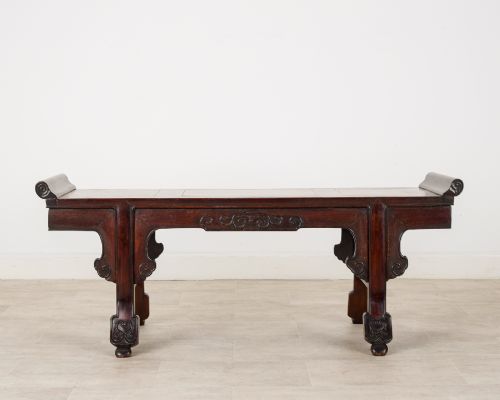
- A low domestic table traditionally used in East Asia for serving tea or smoking, characterised by short legs and substantial timber tops. These low surfaces translate easily into modern coffee table use.
- Cross stretcher
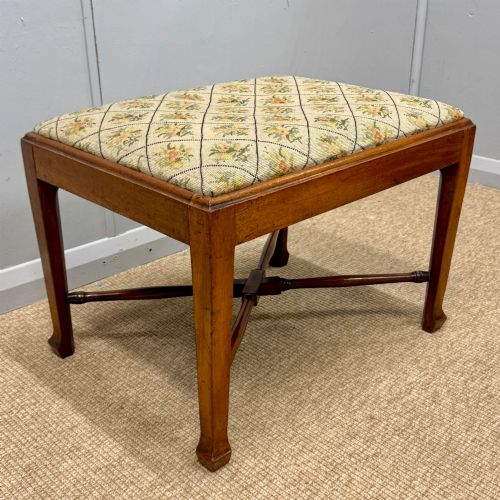
- An intersecting timber brace joining the legs beneath a seat or table to provide lateral rigidity. This structural element frequently carries decorative turning or carving.
- Cabriole leg
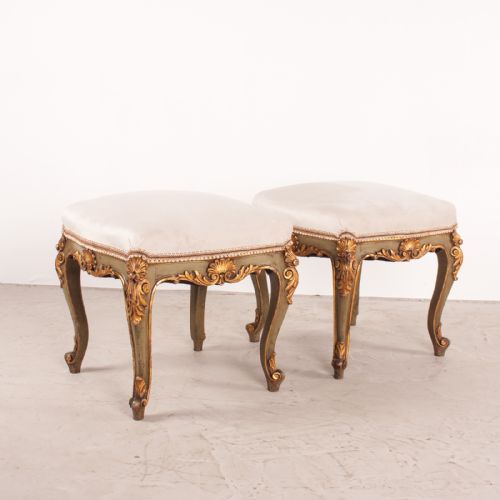
- A furniture leg featuring a double curve, flowing outward from the knee and tapering inward toward the foot. This classic silhouette appears frequently on revival and period seating frames.
- Hongmu
- A general Chinese term translating to red wood, applied to dense, heavy tropical hardwoods used in fine traditional furniture. It encompasses species like rosewood and huali.
- Window seat
- A long, narrow bench designed to fit within the recess of a window bay. These low forms often feature upholstered tops or carved wooden surfaces.
Carved Wood Low Bench: Frequently Asked Questions
How do I use a low bench in a modern room?
Place a low bench centrally as a coffee table to anchor a seating arrangement, or position it beneath a window for casual seating.
Heavier hardwood versions support books and trays securely, while upholstered variants double as flexible footstools.
Are these benches sturdy enough for daily seating?
Most solid hardwood variants possess robust traditional joinery capable of withstanding regular use as seats or low tables.
Lighter decorative or gilded frames require more careful placement to protect delicate carved details and surface finishes.
How do I identify the period of a carved bench?
Examine the tool marks, timber shrinkage, and wear patterns around the feet and handholds to gauge age.
Stylistic cues, such as Victorian rosewood turning or Qing Dynasty dragon motifs, align pieces with specific nineteenth and early twentieth century workshops.
Can I reupholster a padded low bench?
Many frames feature drop-in pads or open frames intended for traditional webbing, horsehair, and fabric reupholstery.
Consulting a professional upholsterer ensures the historical wooden frame remains undamaged during textile updates.