
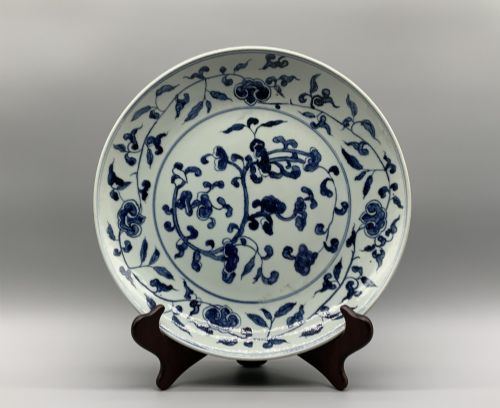




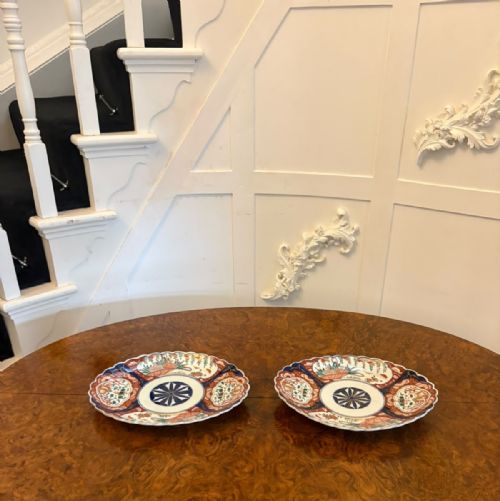


Oriental Porcelain Wall Plate
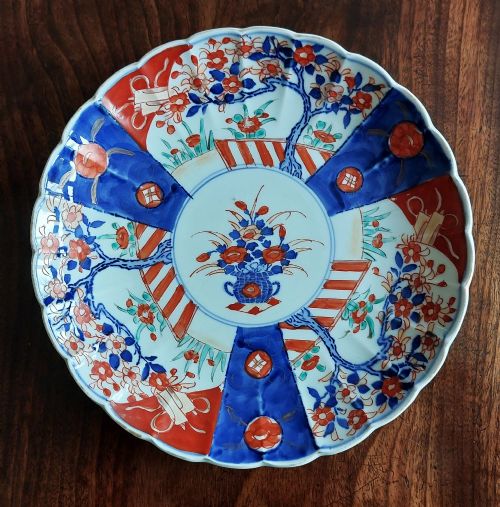
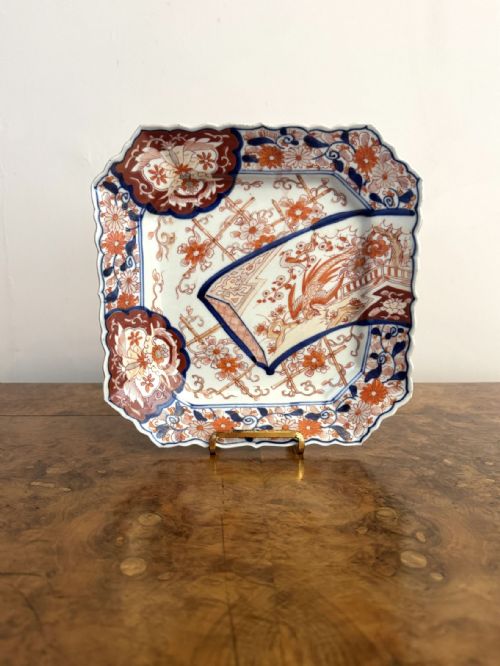
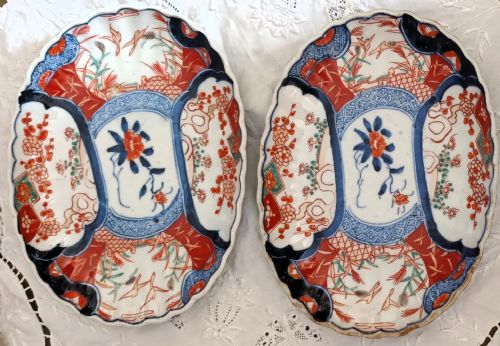
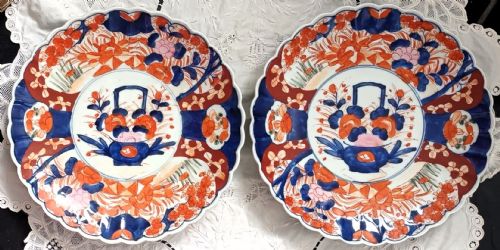
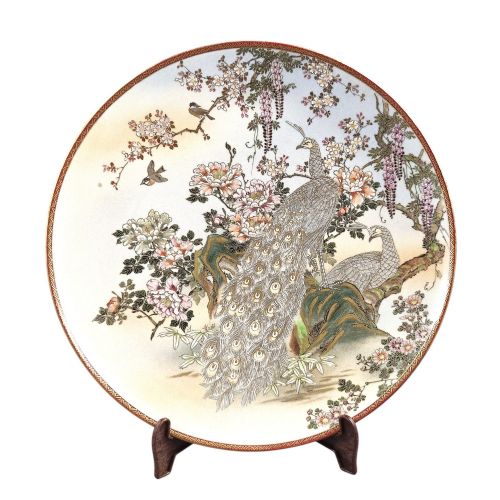
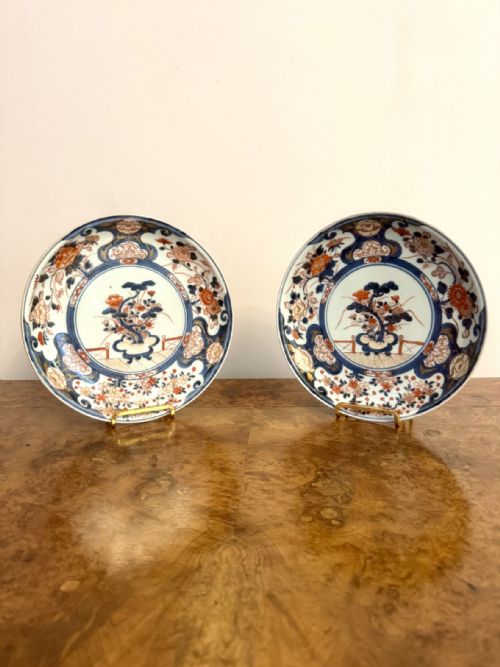
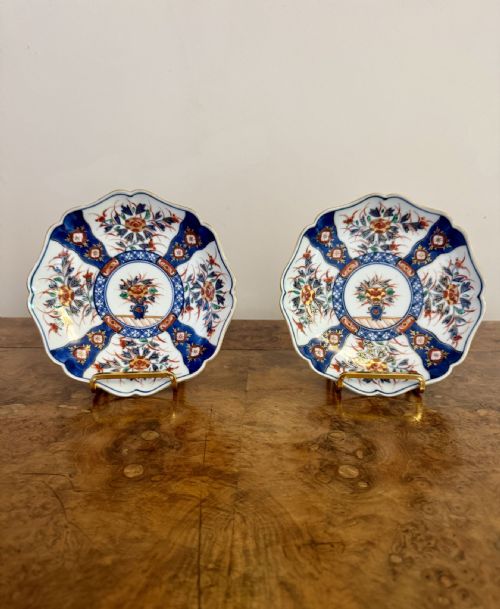
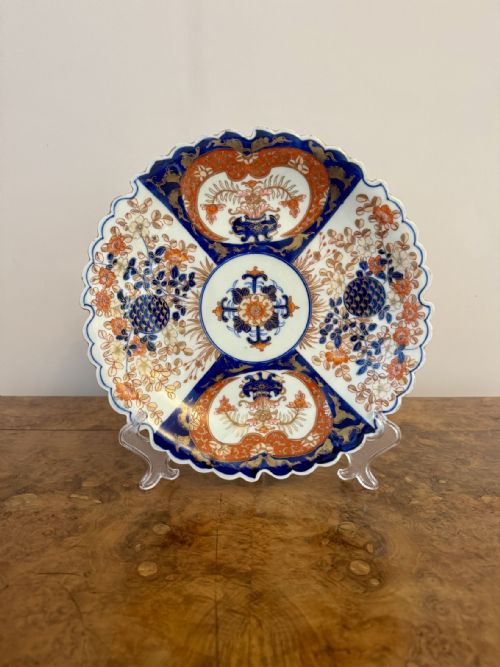
These oriental porcelain wall plate examples bring hand-painted Japanese Imari style into your home, prized for their rich colour and decorative presence.

What oriental porcelain wall plates are
An oriental porcelain wall plate is a decorative ceramic dish designed for display, carrying the distinct aesthetic of Japanese Imari work. These pieces span the nineteenth century, nineteen hundred, and nineteen twenty.
The objects take the form of decorative plates, occasionally featuring a scallop-shaped edge. They often arrive accompanied by a protective box, marking their status as curated decorative items.
How oriental porcelain wall plates were made
Makers utilised hard porcelain as the base material, applying a smooth glaze to seal the ceramic body before adding further decoration. Enamel colours and gold leaf were then painted onto the surface to create the traditional palette.
Wooden elements sometimes feature in the storage apparatus, such as the protective boxes designed to house the plates safely between displays.
Retail Price Guide 2026
Typical UK retail prices for oriental porcelain wall plate, calculated from the Sellingantiques database of over a million retail prices indexed since 2003. This retail price guide relies exclusively on Sellingantiques data; no external sources or auction records are used, so the figures do not describe the wider market.
One plate comes safely tucked inside its own box, proving that even antique porcelain appreciates a good night's sleep.
What varies in quality
The refinement of the painted enamel and the application of gold leaf separate standard examples from finer pieces. Precision in the brushwork and the complexity of the Japanese Imari pattern dictate the visual strength of each plate.
Structural details such as a neatly formed scallop-shaped edge elevate the craftsmanship. The survival of original storage boxes also influences the completeness of the piece.
The Oriental Porcelain Wall Plate Glossary
- Porcelain
- A hard, fine-grained ceramic material fired at high temperatures to achieve a vitrified, non-porous body. It forms the structural base for these decorative plates.
- Enamel
- Opaque vitreous paint applied over the glaze and fired to bond with the ceramic surface. This technique produces the vibrant colours characteristic of the style.
- Gold leaf
- Extremely thin sheets of beaten gold applied to the decorated surface for highlights. It adds a reflective metallic quality to the finished design.
- Imari
- A traditional Japanese decorative style known for its rich palette, typically incorporating iron red, cobalt blue, and gold. Plates in this tradition were produced for both domestic use and export.
- Glaze
- A glassy coating fused to the porcelain body during firing to seal the surface. It provides a smooth, protective finish that enhances the painted details underneath.
Frequently Asked Questions
How do I hang an oriental porcelain wall plate?
These decorative plates are typically displayed using specialised wire wall hangers that grip the rim securely without causing damage. Ensure the fixing on the wall is secure before mounting.
Take care to position the plate away from high-traffic areas where it might be accidentally knocked from the wall.
What periods do these plates come from?
The available examples originate from the nineteenth century, nineteen hundred, and nineteen twenty. Each period carries specific characteristics tied to Japanese Imari production.
Examining the glaze and enamel work helps identify the manufacturing era of each individual plate.
What is Japanese Imari style?
Japanese Imari is a distinct decorative approach recognised by its use of underglaze blue, iron red, and gold leaf. This style was widely exported and highly prized in Western interiors.
The intricate patterns cover the surface of the porcelain in dense, balanced compositions.
How should I clean my wall plate?
Dust the surface gently with a soft, dry brush or a microfiber cloth to prevent the accumulation of dirt. Avoid using water, abrasive cleaners, or chemical solvents which could harm the enamel and gold leaf.
Regular, gentle maintenance preserves the delicate painted details without risking the glaze.