




Oriental Porcelain Wall Charger
An oriental porcelain wall charger brings rich hand-painted colour and intricate historical motifs directly to your interior walls.
Oriental Porcelain Wall Charger
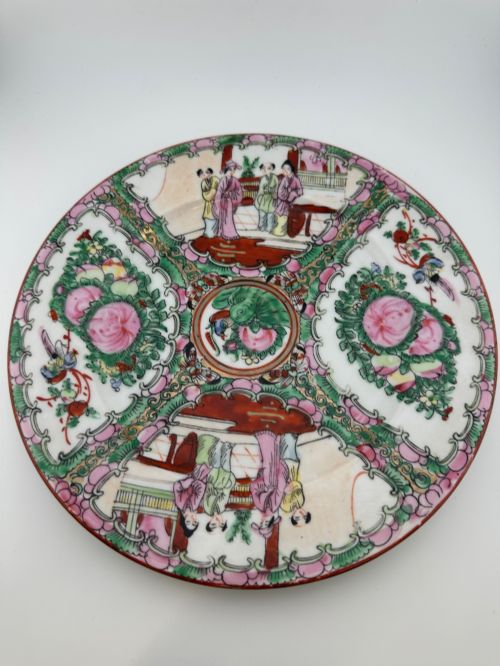
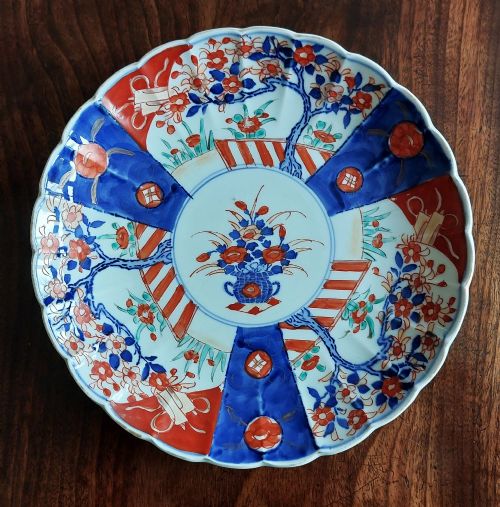
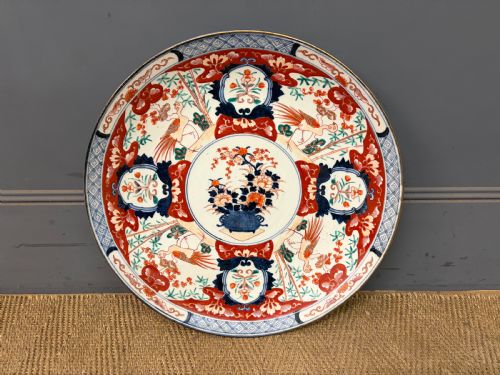
An oriental porcelain wall charger is a large decorative plate designed primarily for display rather than dining. When you search for an oriental porcelain wall charger, you encounter heavy porcelain platters created across East Asia for domestic display and international export.
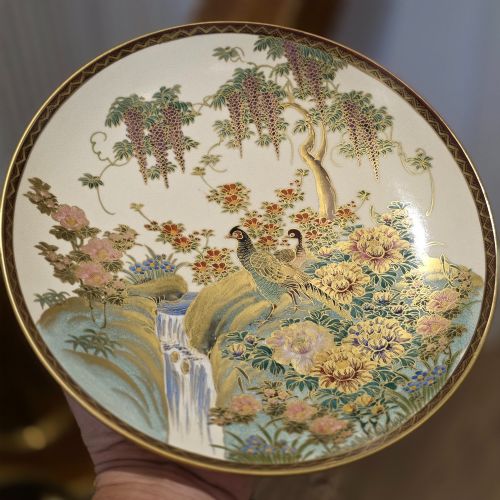
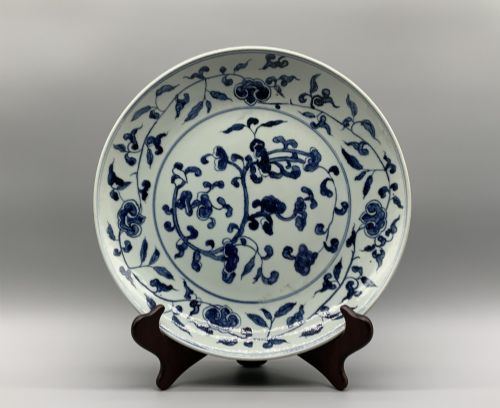
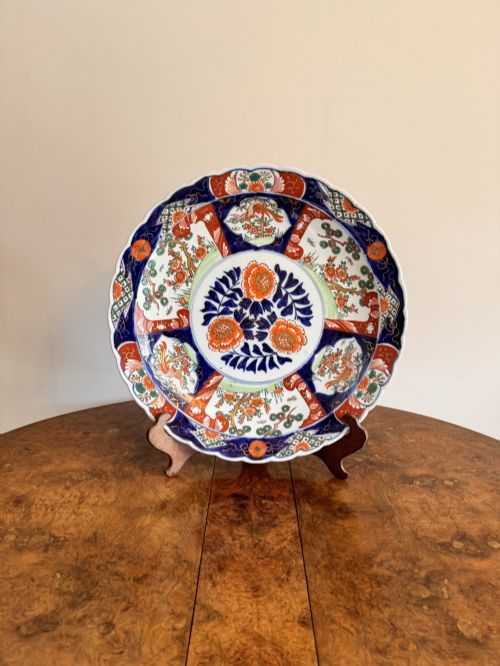
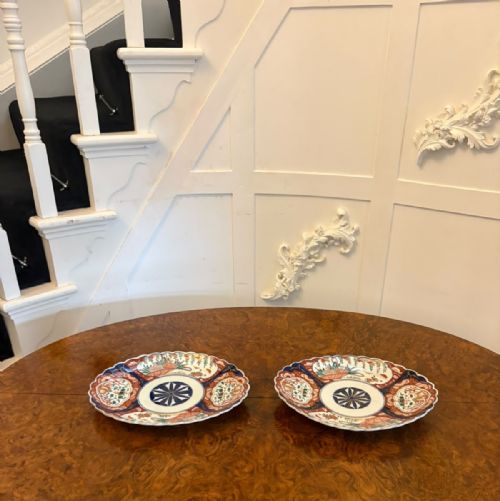
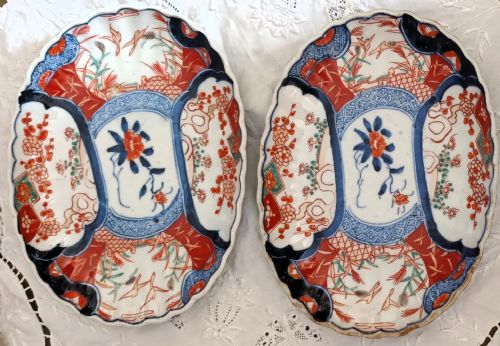
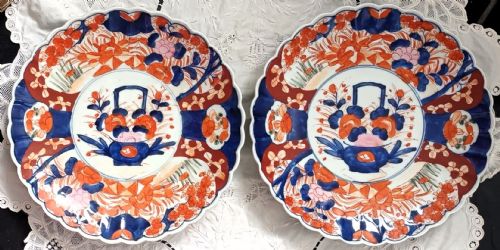
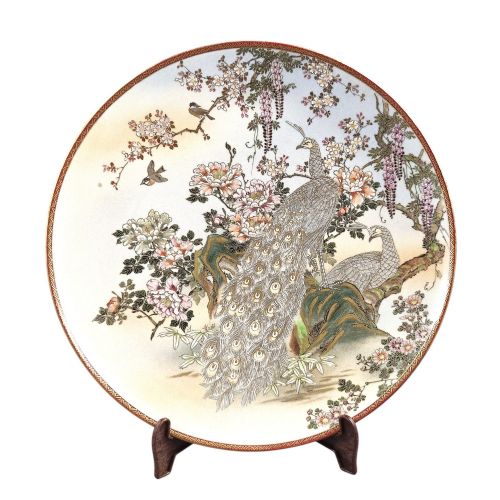
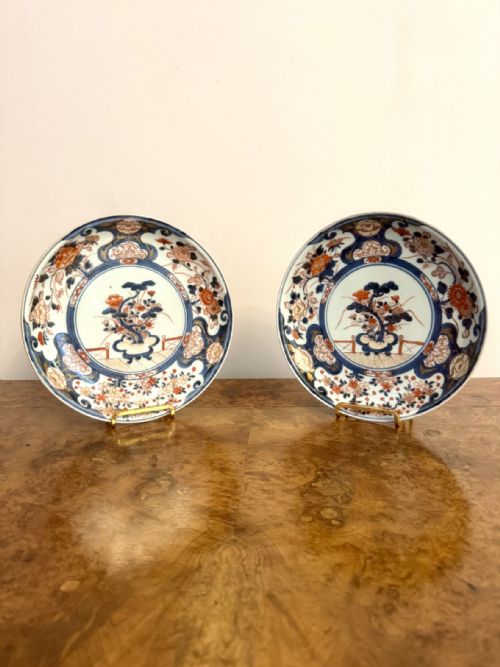
The pieces appearing on this page date predominantly from the late nineteenth century and the Meiji period, alongside select examples from the eighteenth century. Japanese Imari and Satsuma styles dominate the selection, sitting alongside Chinese blue and white porcelain.
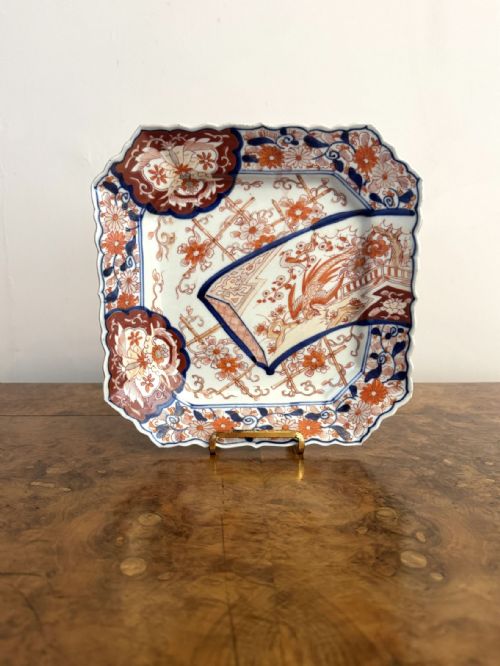
Common forms span round chargers, scalloped dishes, oval platters and square plates. These items were built to hang or sit on heavy stands, transforming blank wall space into focal points.
How they were made
Potters built these vessels using ceramic paste and fine porcelain clay, shaping large circular and scalloped forms before firing. Cobalt glaze provided deep blue underglaze decoration on pieces like Chinese Kangxi and Japanese Arita wares.
Enamel pigments and gold leaf were applied over the glaze during secondary firing stages, delivering the characteristic rich palette seen on Imari and Satsuma wares. Hand painting defined every surface, incorporating detailed motifs ranging from exotic birds to the Seven Lucky Gods.
Listings span the eighteenth century to the early twentieth century, incorporating porcelain, earthenware, cobalt glaze and gold leaf.
What varies in quality
Quality rests in the precision and density of the hand painting across the porcelain surface. Finer examples display meticulous brushwork, crisp cobalt tones and controlled application of gold leaf and enamel pigments.
The weight and purity of the ceramic body also separate standard output from superior studio work. Early periods, such as eighteenth-century Kangxi pieces, demonstrate exceptional throwing and glazing discipline.
Koshida
The Oriental Porcelain Wall Charger Glossary
- Imari
- A style of Japanese porcelain featuring a distinctive palette of underglaze blue, iron red, and gilt highlights. These wares were heavily exported to Europe from the port of Imari.
- Meiji Period
- The era of Japanese history running from 1868 to 1912, marked by opening trade with the West and prolific production of decorative arts. Pieces from this period often show complex hand-painted scenes.
- Satsuma
- A type of Japanese earthenware featuring an ivory-coloured, crackle-glaze body decorated with elaborate enamels and raised gilt work. Moriage techniques are frequently found on Satsuma chargers.
- Cobalt Glaze
- A mineral pigment used under the glaze to produce deep blue designs on porcelain. It withstands high firing temperatures without losing definition.
Oriental Porcelain Wall Charger: Frequently Asked Questions
How do I hang a heavy charger?
Displaying a large oriental porcelain wall charger requires a secure, properly tensioned brass or coated-wire wall hanger that grips the rim evenly. Ensure the wall fixing fastens directly into a stud or uses a rated plaster anchor to support the ceramic weight safely.
Avoid spring clips that press too tightly against fragile antique edges. A dedicated plate stand offers a sturdy alternative if you prefer placing the charger on a sideboard or mantelpiece.
How do I tell Imari from Satsuma?
Imari pieces use a hard porcelain body painted predominantly in cobalt blue, iron red and gold, presenting a vibrant glazed finish. They ring clearly when lightly tapped and display smooth, vitreous surfaces.
Satsuma items utilise an earthenware body covered in a finely crackled, creamy glaze, serving as a textured base for intricate enamel and raised moriage decoration. The material feels slightly softer and more opaque than porcelain.
Were these plates used for dining?
Large chargers and display dishes served primarily as decorative table centrepieces or ornamental wall hangings rather than everyday tableware. Their generous diameters and intricate surface painting made them luxury display items.
Export wares were frequently shipped to Western markets specifically for interior decoration. Smaller companion plates within sets occasionally saw practical use, but heavy chargers were meant to be seen.