







Floral Painted Ceramic Platter
These floral painted ceramic platters offer generous serving surfaces and bold wall displays, bringing hand-painted colour from eighteenth-century Europe and Meiji Japan into modern rooms.
Floral Painted Ceramic Platter
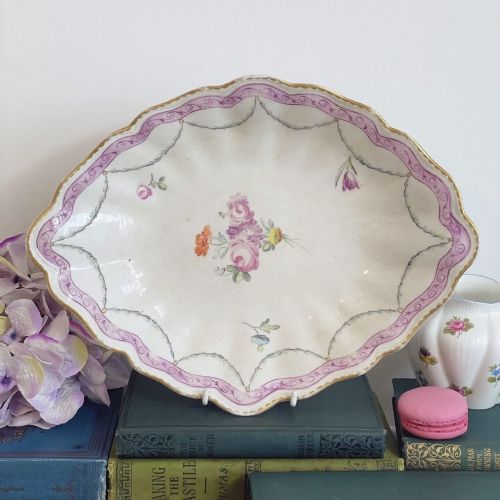
A floral painted ceramic platter encompasses a wide variety of serving dishes, decorative plates, and large chargers produced across European porcelain factories and Asian kilns. When searching this phrase, a buyer encounters everything from eighteenth-century Delft chargers and Derby serving dishes to late-nineteenth-century Japanese Imari platters.
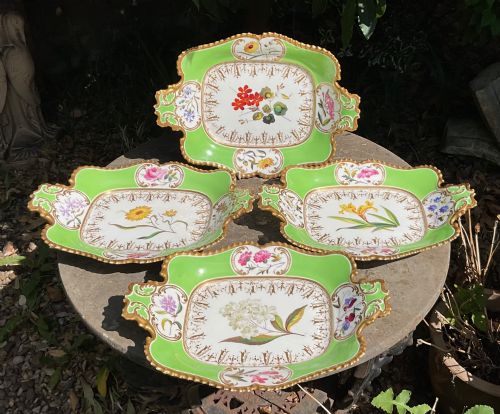
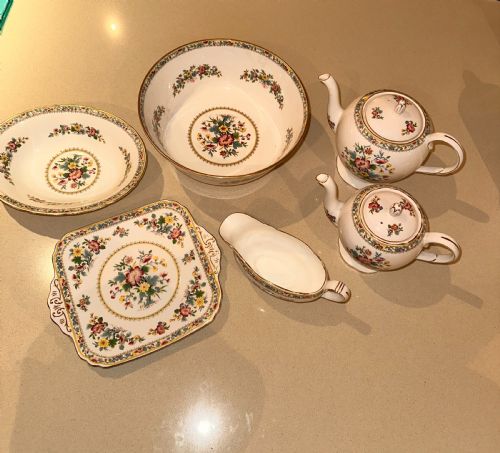
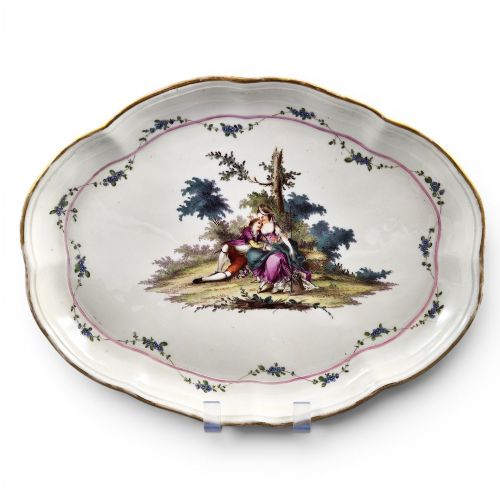
The English examples span the Georgian and Regency periods, featuring botanical patterns and hand-painted flowers on porcelain and ironstone from makers such as Chamberlains Worcester, Coalport, and H & R Daniel. Alongside these sit continental works from French and Dutch potteries, alongside extensive Asian export wares.
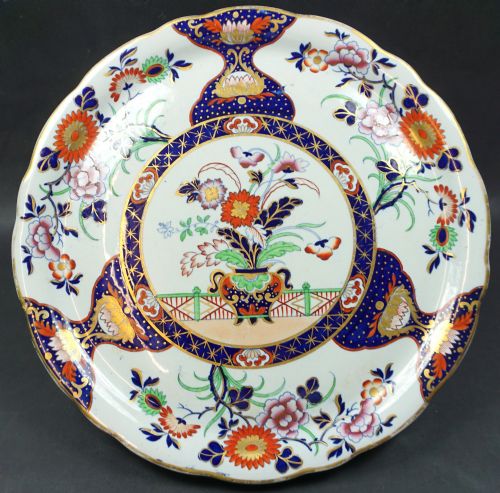
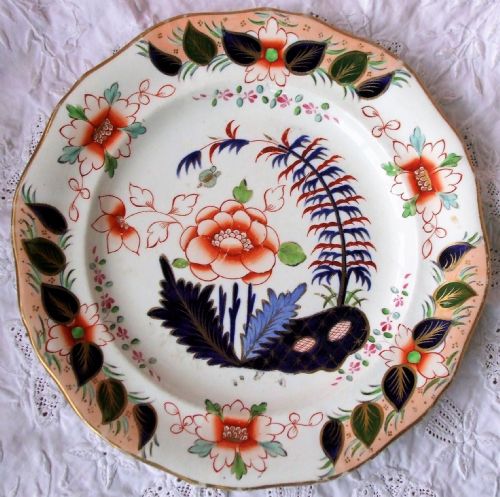
The Japanese output leans heavily toward Imari and Kutani patterns executed on large porcelain chargers and plates during the nineteenth century and the Meiji period. These pieces alternate between scalloped edges, square forms, and standard round platters designed for prominent display.
Materials and Technique
The bodies of these pieces rely on porcelain, earthenware, and ironstone, shaped either on the potter's wheel or formed within moulds to create scalloped edges, oval serving dishes, and heavy chargers. Potters applied an initial glaze before firing, creating a vitreous surface suitable for absorbing intricate pigments.
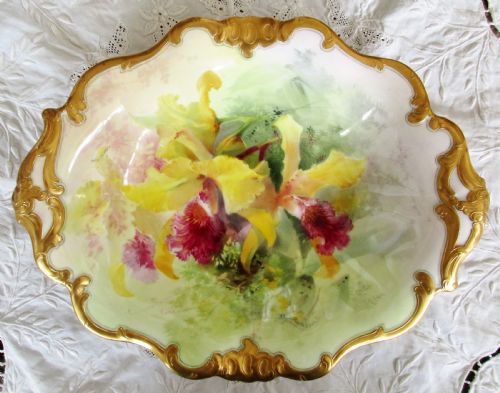
Decoration involved hand-painting using polychrome enamels, cobalt blue underglazes, and manganese, sometimes augmented with gold leaf and gilding applied during secondary low-temperature firings. Japanese works incorporated traditional Arita and Kutani pigment techniques, while European factories utilised botanical painting styles executed by named porcelain artists.
Listings feature ceramic platters and chargers spanning the eighteenth, nineteenth, and early twentieth centuries across European and Japanese origins.
Distinctions in Quality
Quality rests upon the crispness of the hand-painting and the complexity of the palette, where finely rendered botanical studies or dense Imari patterns demonstrate superior brushwork. The purity of the ceramic body and the uniformity of the glaze also separate standard utilitarian wares from superior cabinet pieces.
Provenance and attribution to documented makers or specific periods elevate certain items, as seen in signed works or numbered dessert services. The preservation of original gilding and the absence of firing distortions in large chargers further distinguish high-grade examples.
H & R Daniel·Chamberlains Worcester·John Davenport of Longport·Joseph Gaspard Robert·Müller Volkstedt MV Co
The Floral Painted Ceramic Platter Glossary
- Charger
- A large decorative plate or platter, typically exceeding twelve inches in diameter, originally used for serving at grand meals or displayed upright on sideboards. These items frequently feature elaborate hand-painted decoration across the central well and rim.
- Imari
- A traditional Japanese style of porcelain originating from Arita, characterised by a palette of cobalt blue, iron red, and gold leaf. These designs frequently incorporate floral and bird motifs.
- Grand Feu
- A ceramic firing technique using high temperatures to fuse polychrome pigments directly into the raw glaze, common in Dutch Delftware production. This method creates a durable, integrated surface finish.
- Ironstone
- A heavy, durable type of earthenware patented in the nineteenth century as a robust alternative to porcelain. It accepts botanical enamel transfers and hand-painted floral motifs readily.
- Cabinet Dish
- A decorative ceramic plate intended primarily for display in a cabinet or on a wall rather than everyday table use. These pieces often showcase meticulous hand-painted botanical or ornithological subjects by notable artists.
Floral Painted Ceramic Platter: Frequently Asked Questions
Can I use these antique platters for serving food?
Most of these historic pieces function safely for serving dry foods, though antique glazes can be sensitive to modern detergents and dishwashers.
Hand washing in lukewarm water preserves the delicate overglaze enamels and gold leaf found on eighteenth and nineteenth-century ceramic surfaces.
How do I hang a heavy charger on the wall?
Large chargers require coated spring-tension wall hangers sized specifically to the diameter and rim depth of the individual ceramic plate.
Ensure the wall fixing secures directly into a stud or uses a proper masonry plug to support the substantial weight of nineteenth-century porcelain.
How do I distinguish Japanese Imari from European copies?
Japanese Imari pieces display a characteristic grayish-white porcelain body, dense iron-red and cobalt-blue pigments, and often unglazed foot rims showing typical kiln grit.
European factories like those in Staffordshire produced Imari-pattern ironstone and earthenware with different paste densities and distinct maker marks stamped or painted underneath.
What is the difference between a platter and a charger?
Platters are generally oval or oblong serving dishes designed to hold meats or vegetables at the table, featuring slight wells for juices.
Chargers are notably larger, round decorative plates historically used beneath lesser plates or displayed upright on sideboards and walls.