
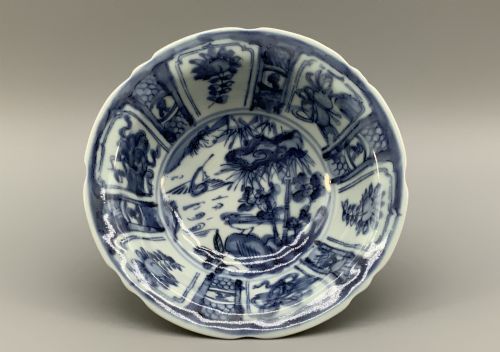
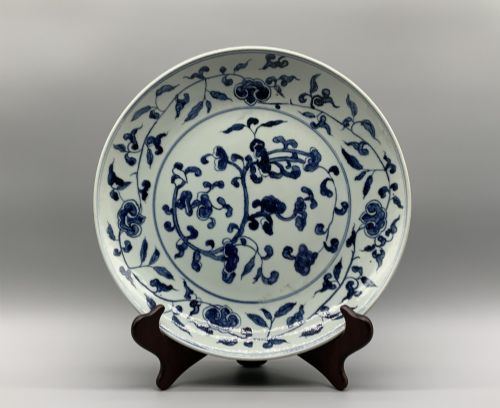
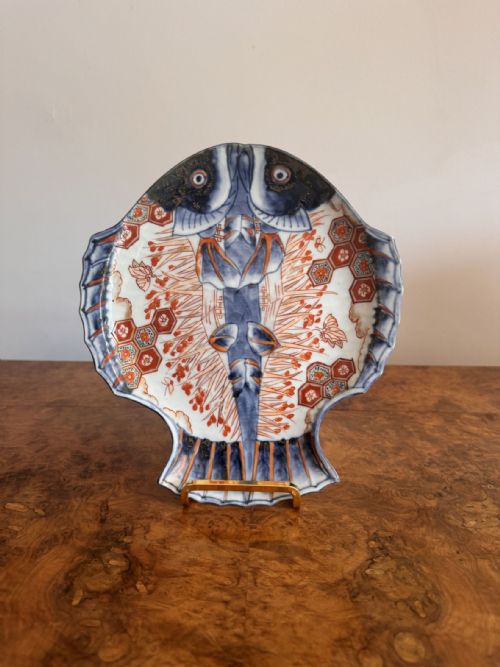
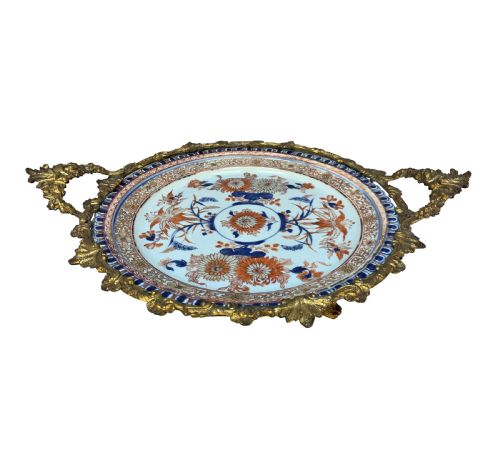
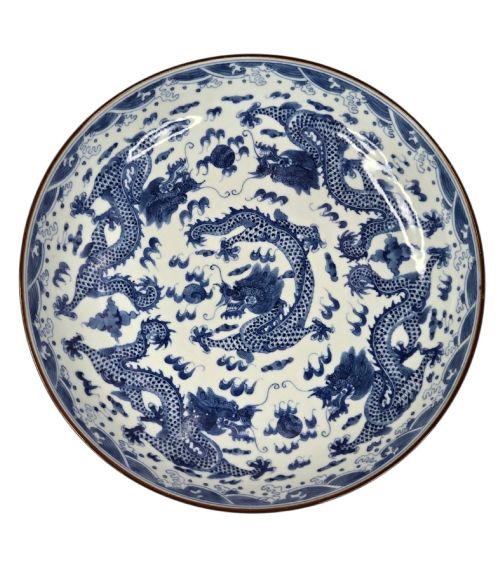




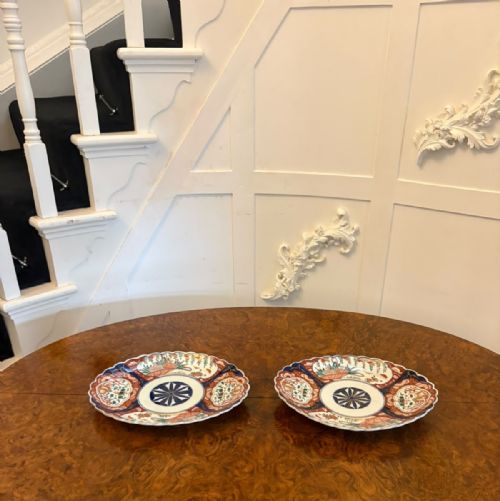
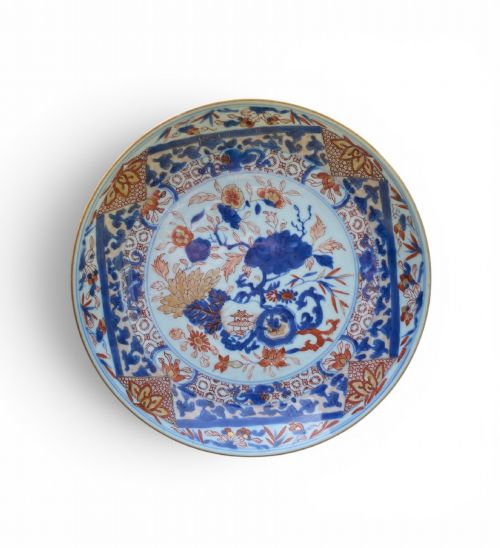
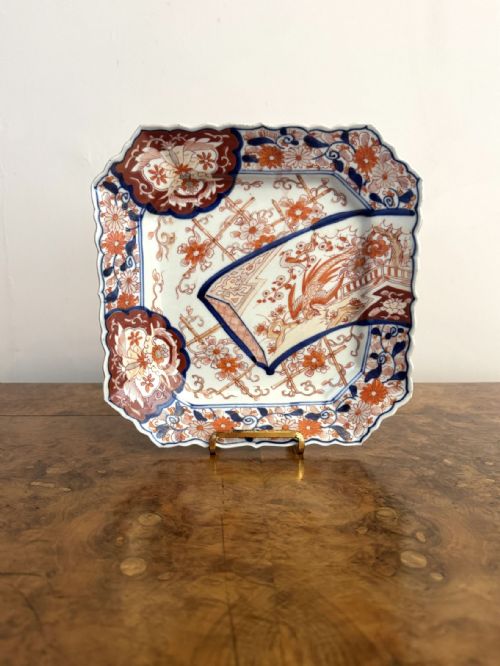

Oriental Porcelain Platter
An oriental porcelain platter brings vibrant colour and grand scale to a room, offering striking hand-painted scenes that anchor a wall or table.
Understanding Oriental porcelain platters
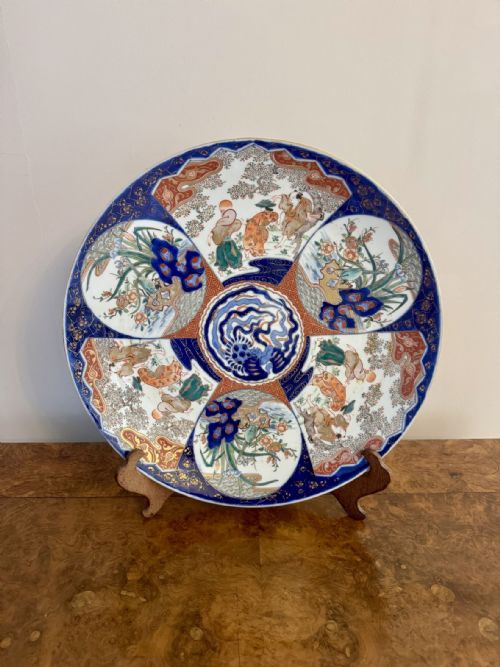
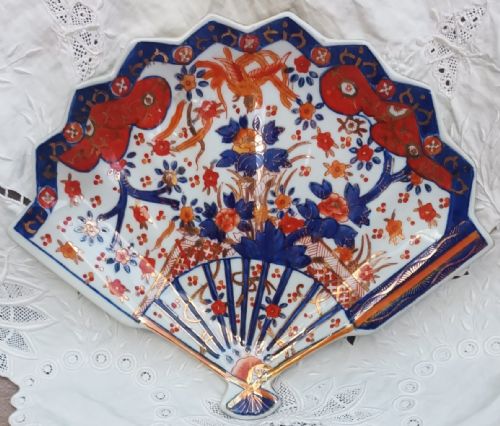
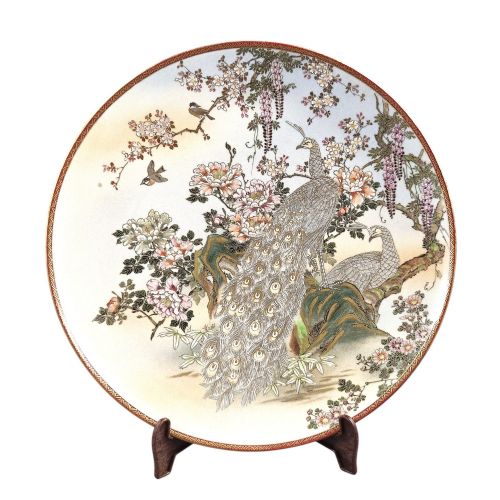
When searching for an oriental porcelain platter, you encounter large decorative plates, chargers, and dishes originating from Asian traditions. These pieces often serve as commanding focal points, whether displayed on walls or set upon tables.
The selections available here span significant periods from the seventeenth century through the Victorian era and into nineteen-hundred. You are most likely to meet substantial Japanese Imari chargers and Chinese blue and white plates from these varied historical epochs.
Makers and artisans from the Chinese Qing Dynasty and the Japanese Edo Period created these works for both domestic use and export to Europe. Their enduring appeal lies in the rich palette of cobalt blue, iron red, and gilt highlights that define the aesthetic.
Materials and manufacture
These items are fashioned from hard-paste ceramic and porcelain, fired at high temperatures to achieve a dense, durable body. Artisans applied liquid glazes to the surface before secondary firings that vitrified the vitreous layers.
Decoration relied upon hand-painted enamel and cobalt pigments applied directly to the biscuit or glazed surface. Certain exceptional pieces received luxurious embellishments such as ormolu mounts, gilt bronze, gold leaf, and applied gilding.
European workshops frequently added cast ormolu mounts to imported East Asian porcelain during later periods, particularly in French Rococo tastes. This combination united Eastern ceramic craft with Western metalworking techniques.
Retail Price Guide 2026
Typical UK retail prices for oriental porcelain platter, calculated from the Sellingantiques database of over a million retail prices indexed since 2003. This retail price guide relies exclusively on Sellingantiques data; no external sources or auction records are used, so the figures do not describe the wider market.
Materials recorded across the inventory include porcelain, enamel, glaze, ormolu, gilt bronze, gilt, gold leaf, and ceramic.
Judgements of quality
The distinction between ordinary production and superior work rests upon the precision of the hand-painting and the depth of the glaze. Masterpieces display finely controlled brushwork that renders intricate dragons, florals, and geometric borders with absolute clarity.
Scale and ambition elevate certain objects, particularly massive chargers and octagonal plates requiring immense skill during the kiln firing. The integration of secondary materials like fire-gilt bronze mounts further distinguishes high-status examples from standard export wares.
The Oriental Porcelain Platter Glossary
- Imari
- A traditional Japanese style of porcelain originating from the town of Arita, typically characterised by a palette of underglaze blue, iron red, and gold. These colourful patterns became immensely popular across European stately homes during the seventeenth and eighteenth centuries.
- Charger
- A large decorative plate or platter intended primarily for display on a sideboard or wall rather than for serving food. Their generous dimensions allow for complex, narrative painted scenes.
- Ormolu
- Finely ground high-carat gold applied to a bronze base, frequently utilised for decorative mounts on European and export decorative arts. This technique adds substantial weight and visual richness to the object.
- Edo Period
- The period in Japanese history spanning from sixteen-o-three to eighteen-sixty-eight, known for economic growth and strict isolationism that fostered distinct artistic traditions. Works from the late portion of this era demonstrate exceptional technical mastery.
- Qing Dynasty
- The last imperial dynasty of China, ruling from sixteen-forty-four to nineteen-twelve, celebrated for immense refinement in porcelain manufacture and blue and white export wares. Pieces from the Kangxi reign within this era are particularly sought after by collectors.
Frequently Asked Questions
What is an oriental porcelain platter used for?
These large ceramic pieces were historically created for grand presentation, dining display, and interior decoration within elite households. Today, collectors primarily utilise large chargers and platters as wall-mounted art or striking centrepieces on heavy furniture.
The substantial diameter of these items allows the painted cobalt and enamel narratives to be fully appreciated from a distance. They bring historic depth and vibrant colour into both traditional and contemporary interior spaces.
How do I date a Chinese or Japanese charger?
Dating relies upon examining the characteristics of the porcelain body, the specific pigments used in the underglaze blue or enamel, and stylistic markers of dynasties and periods. Reign marks, when present, provide a direct indication of the ruling emperor under whom the piece was produced.
Secondary additions, such as French Rococo ormolu mounts, also help establish the timeline of when an Asian porcelain plate was adapted for Western markets. Comparing the potting weight and foot-ring formation against known examples clarifies the era of manufacture.
What is the difference between Imari and blue and white?
Imari porcelain employs a vibrant tripartite colour scheme featuring underglaze cobalt blue, contrasting iron red, and abundant gold leaf accents. This creates a dense, brocaded visual effect across the surface of the plate or charger.
In contrast, blue and white porcelain relies solely on cobalt oxide painted beneath a clear glaze before firing. This technique produces stark, elegant tonal contrasts favoured across successive Chinese dynasties.
Can these platters be hung on a wall safely?
Displaying large chargers on walls requires specialised, secure bracket hangers designed to distribute the weight evenly across the rim and base. It is essential to mount the hardware directly into wall studs rather than relying on standard plaster anchors.
Regular inspection of the mounting wires and brackets ensures the porcelain remains secure over time. This method keeps heavy antique plates safe while transforming them into prominent vertical displays.