







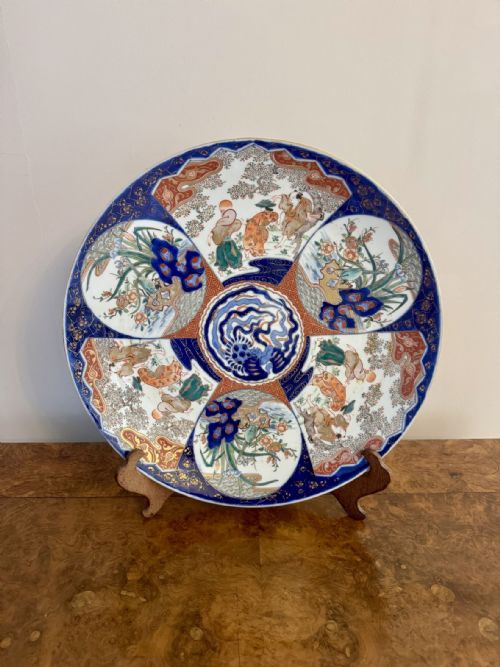
Oriental Porcelain Display
Oriental porcelain display pieces bring rich hand-painted colour and intricate design into a room, offering centuries of ceramic artistry.
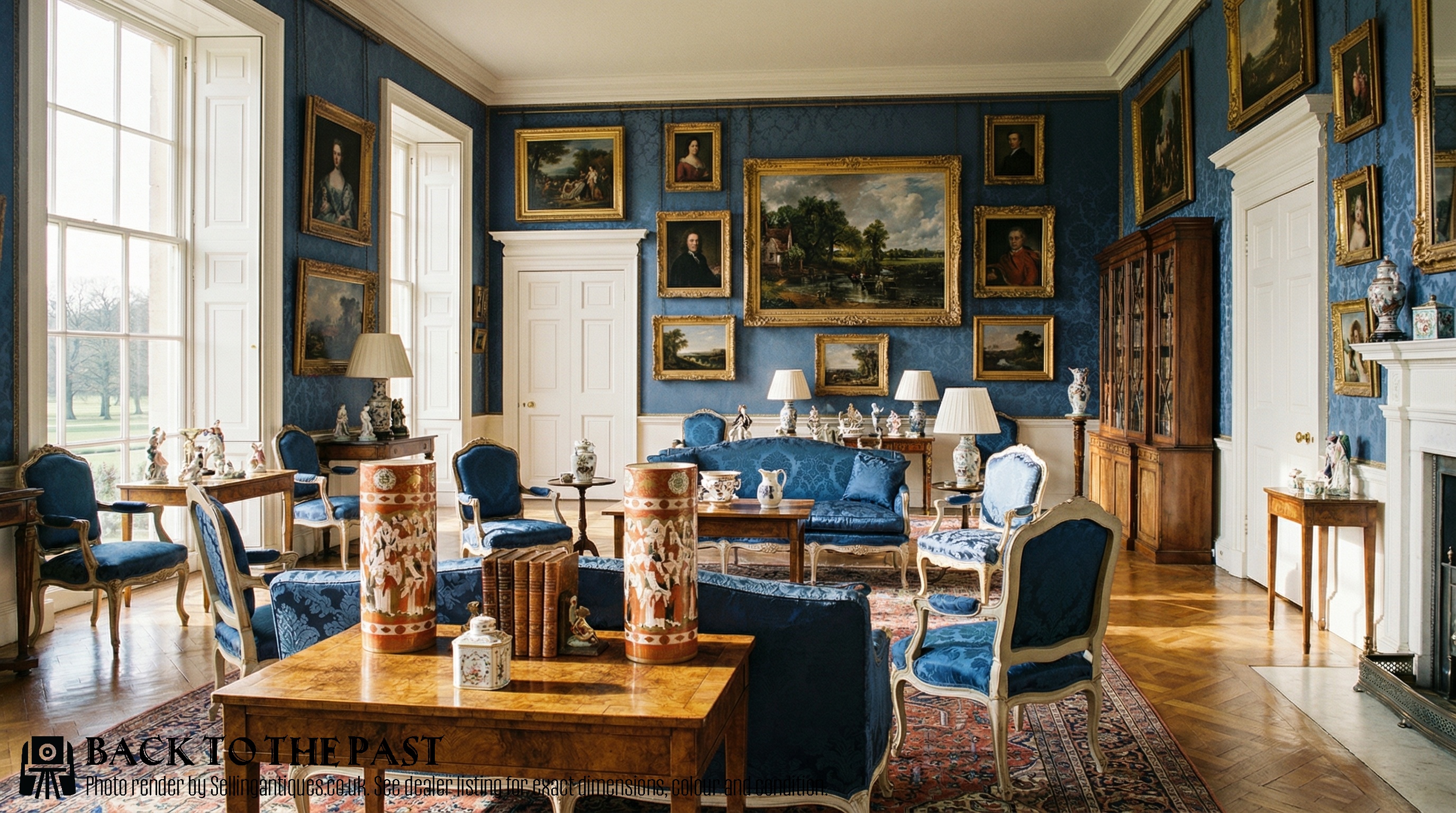
Oriental Porcelain Display
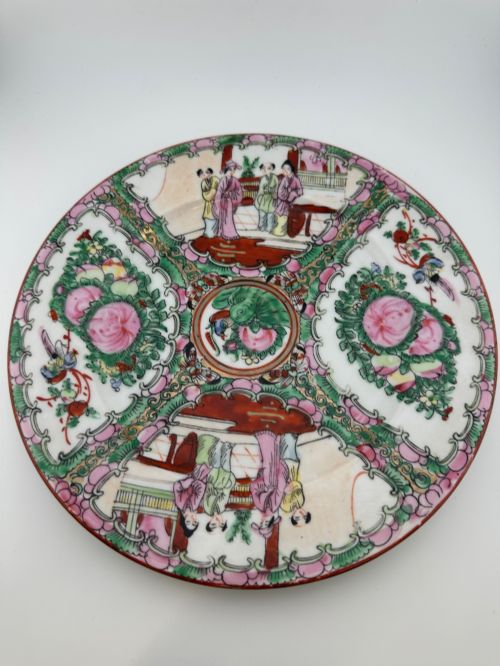
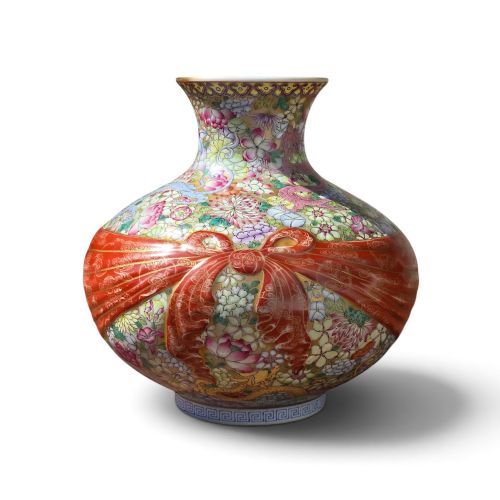
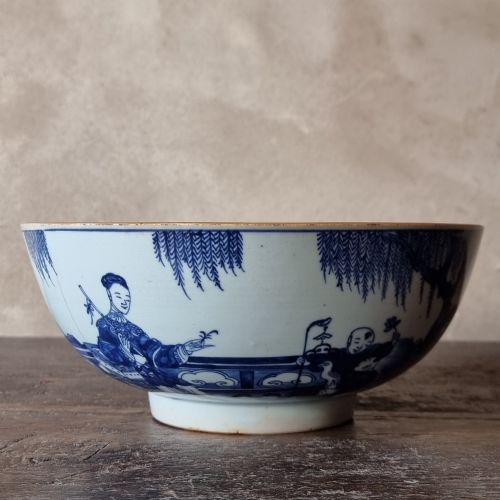
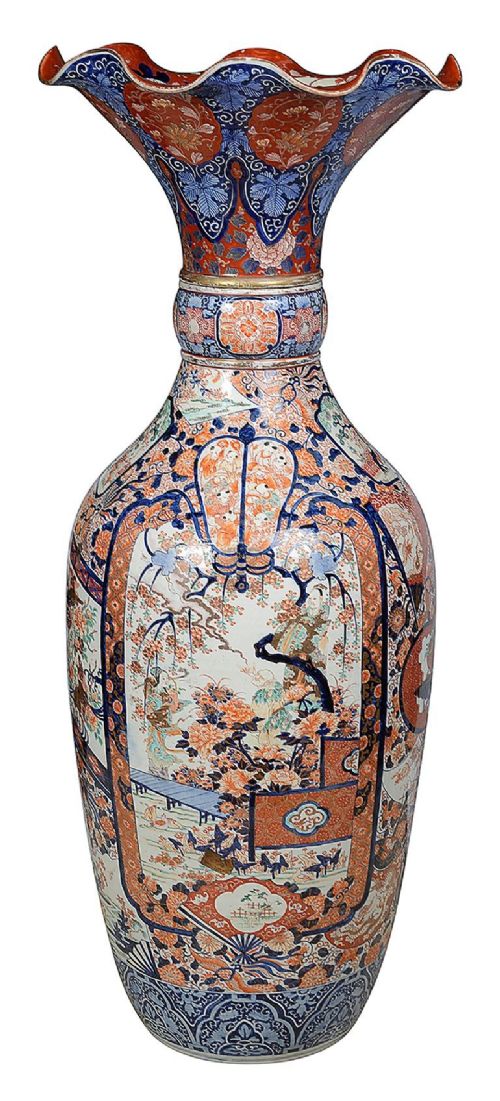
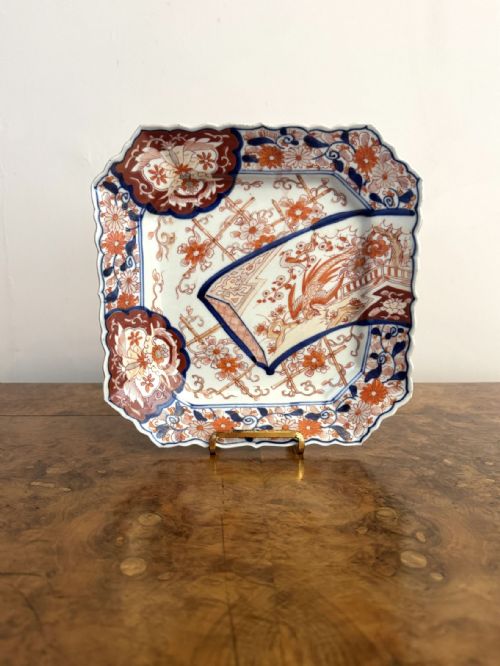
An oriental porcelain display selection centres on decorative plates, chargers, bowls, and vases originating from China and Japan. Buyers encounter numerous Imari chargers and plates alongside Satsuma bowls and Qing Dynasty vases.
The objects span the Victorian era, the Meiji period, and the early twentieth century. Forms range from large floor vases down to scalloped edge display dishes.
Vessels arrive from distinct traditions, including Chinese export wares and Japanese Arita productions. These items serve primarily as decorative focal points within interiors.
Materials and Technique
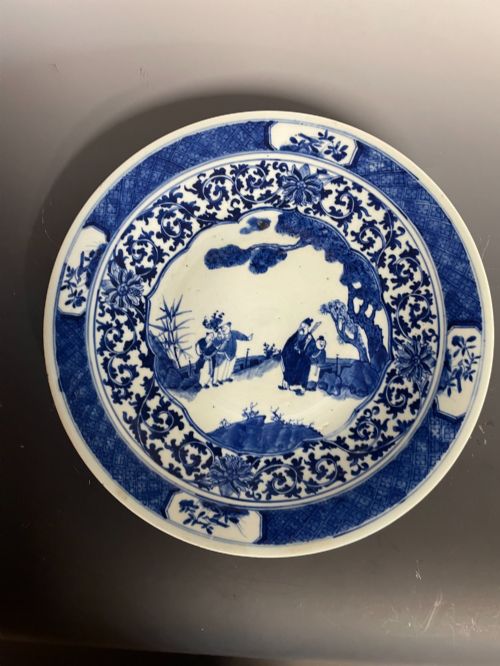
Potters shaped ceramic bodies from porcelain and earthenware, applying cobalt underglaze, enamel, and glaze before firing. Artisans often heightened the surface designs using gold leaf, gilding, and iron-red pigments.
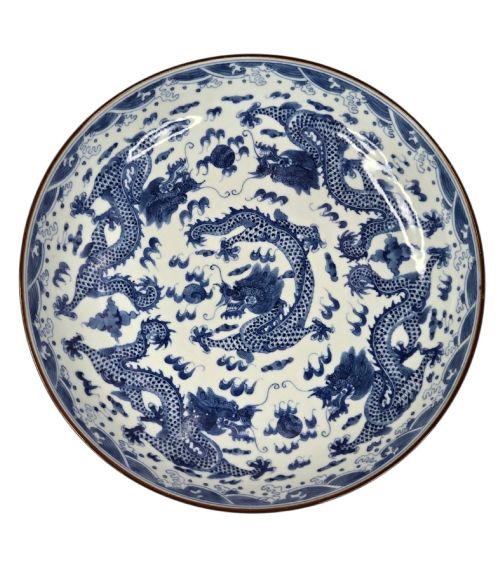
Painters executed detailed floral, bird, and dragon motifs by hand directly onto the ceramic surface. Lidded vases and large chargers required precise kiln control to manage complex forms and rich colour palettes.
Materials recorded across the inventory include porcelain, earthenware, cobalt underglaze, enamel, and gold leaf.
Judging Quality
The strength and clarity of the hand-painted brushwork separate standard items from finer productions. Vases and chargers with crisp cobalt underglaze and careful enamel placement display superior technical accomplishment.
The application of gold leaf and the intricacy of the pictorial composition dictate the level of refinement. Well-preserved surfaces retain their vibrant pigments and sharp contours across centuries.
Koshida·Gyokkō·Kozan
The Oriental Porcelain Display Glossary
- Imari
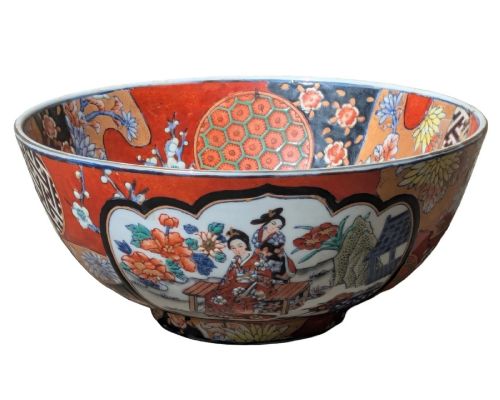
- A style of Japanese porcelain featuring a distinctive palette of cobalt blue, iron-red, and gilt details. These wares were heavily exported to Europe.
- Satsuma
- A type of Japanese earthenware characterised by a ivory craquelure glaze decorated with polychrome enamels and gold. Signed pieces often originate from specific Meiji period workshops.
- Charger
- A large decorative plate designed primarily for display on a wall or sideboard rather than for dining use. They often feature elaborate central medallions.
- Cobalt Underglaze
- A blue pigment applied to the raw ceramic body before glazing and firing. This technique protects the vibrant blue colour beneath a glossy protective layer.
- Famille Rose
- A Chinese porcelain palette dominated by opaque pink or rose enamel colours introduced during the Qing Dynasty.
Oriental Porcelain Display: Frequently Asked Questions
How do I display a large charger safely?
Large chargers require sturdy wall mountings or secure cabinet stands designed for heavy ceramic plates. Ensure the weight is supported evenly along the base edge.
Keep display locations away from direct foot traffic and vibrations that might dislodge the piece from its position.
What is the difference between Imari and Satsuma?
Imari wares consist of hard porcelain decorated in blue, red, and gold, typically featuring floral and geometric patterns. They present a resonant sound when tapped gently.
Satsuma pieces utilise an earthenware body covered in a fine crackle glaze, painted with intricate figurative or natural scenes in softer enamel tones.
Can these vases hold water for flowers?
Antique ceramic vessels are intended primarily for decorative display rather than daily utilitarian use as plant holders. Moisture can seep into unglazed base areas or exploit historical hairline fractures.
Display them dry to protect the fragile enamel and gold leaf decorations from moisture damage.
How do I clean antique porcelain?
Dust the surface gently with a soft, dry microfibre cloth to remove accumulated particles. Avoid harsh chemical cleaners or abrasive scrubbing pads.
If washing is necessary, use lukewarm water and mild soap, drying the ceramic immediately with a soft towel.