
Oriental Lacquered Tables
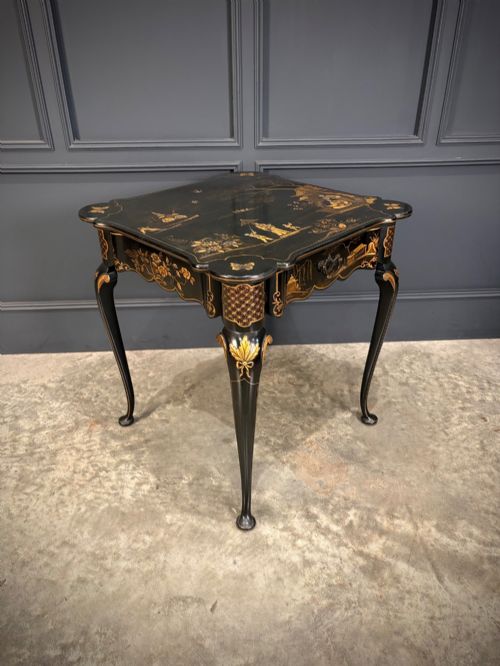
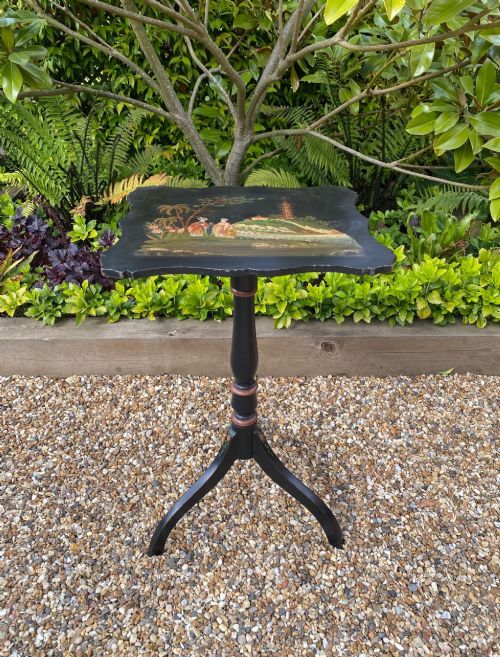
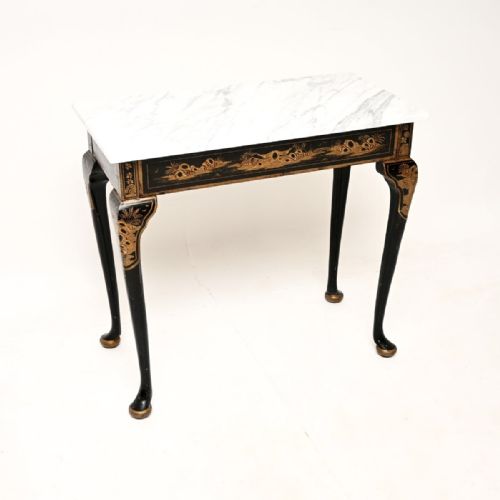
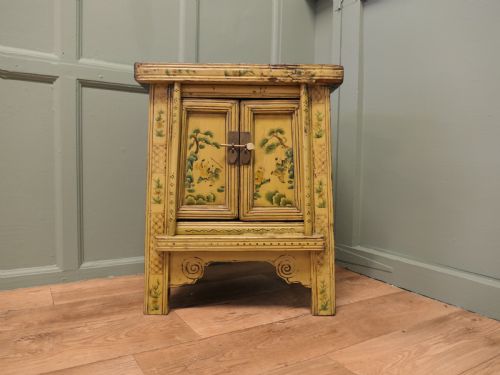
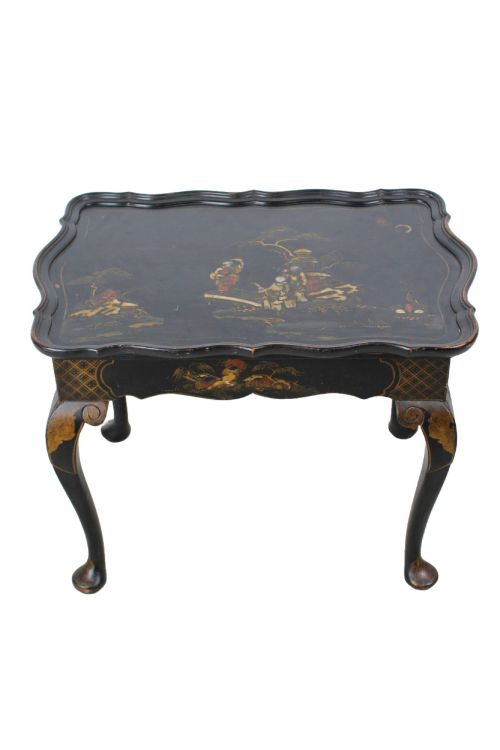
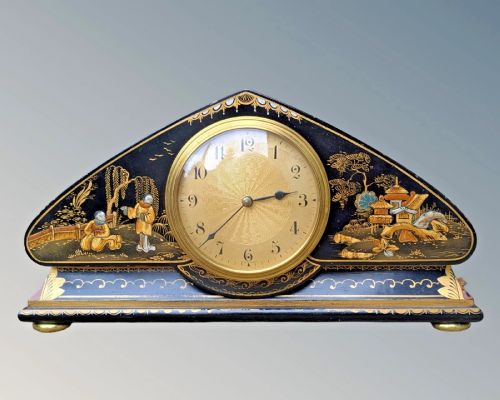
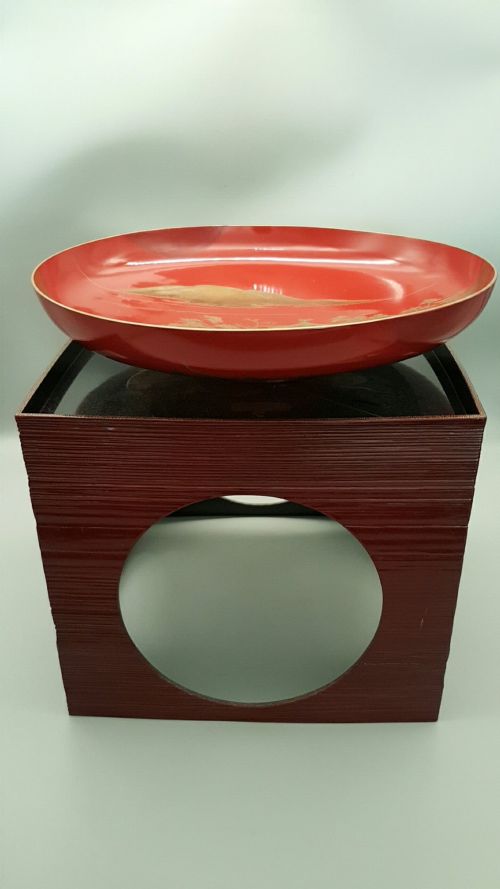
These oriental lacquered tables bring layered depth and hand-painted narratives into a room, spanning styles from Victorian Chinoiserie to Meiji period Japanese work.
Oriental Lacquered Tables
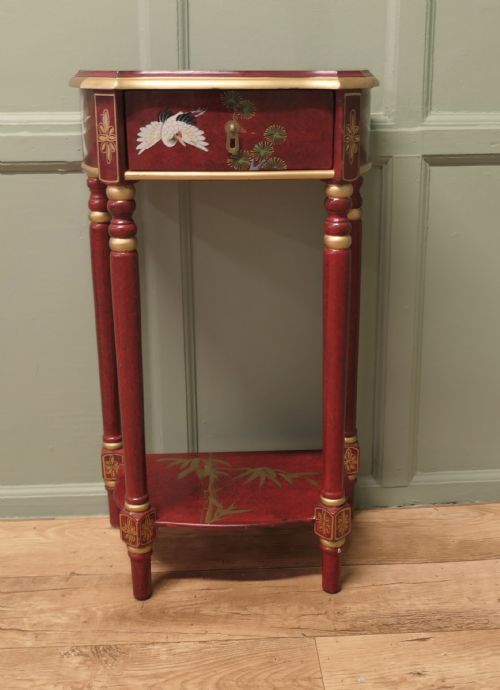
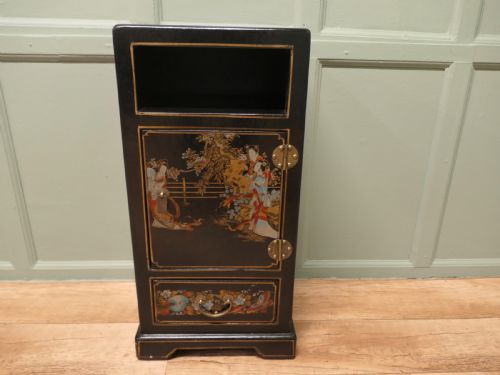
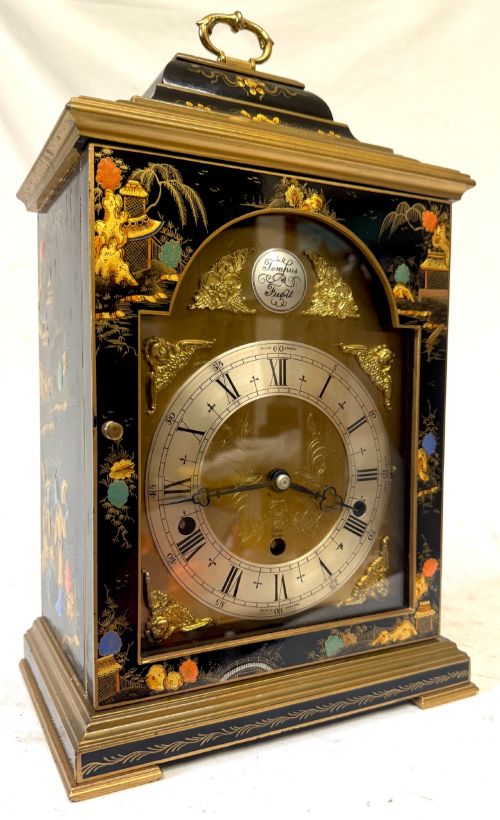
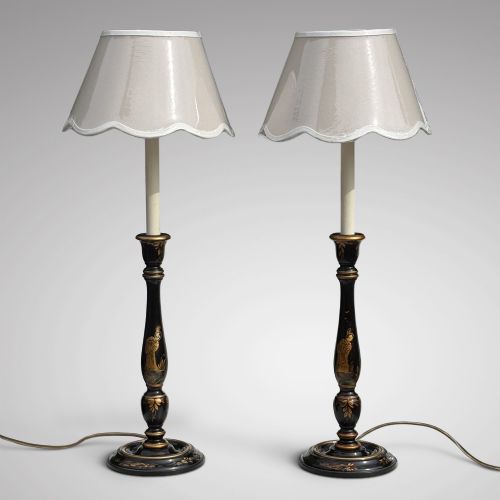
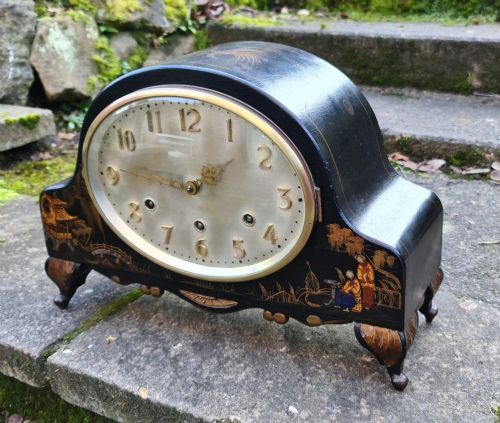
Oriental lacquered tables comprise a diverse group of surfaces, ranging from side tables and nests of tables to occasional pieces and coffee tables. When exploring oriental lacquered tables, buyers frequently encounter pieces defined by Chinoiserie decoration, Japanese Meiji period craftsmanship, and Kashmiri painting traditions.
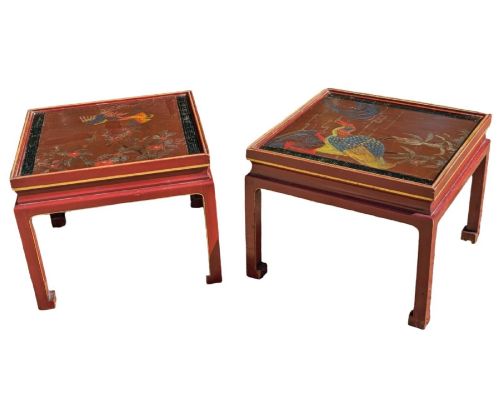
The selection extends across the nineteenth century into the Edwardian era and the 1920s and 1930s, reflecting both direct export wares and European interpretations. Common forms include tripod tables, tray top coffee tables, and nesting sets designed for compact utility and decorative impact.
Materials span traditional lacquered wood, gilt, and gold leaf applied to structural timbers like elm, alongside occasional brass and glass additions. Alongside standard tables, the broader category includes related functional forms such as dressing tables and work tables sharing the same decorative vocabulary.
Assessing Quality and Execution
Quality rests primarily in the execution and preservation of the lacquer surface and its hand-painted details. Finer examples display crisp, deliberate brushwork in the gilt and polychrome scenes, with smooth, even layers of lacquer that have aged uniformly without excessive crazing or modern repainting.
The structural integrity of the timber base and the precision of joinery differentiate superior pieces from simpler utilitarian items. Tables with complex configurations - such as nests of tables or tilt-top mechanisms - rely on tight joints and balanced proportions to maintain functionality alongside decorative appeal.
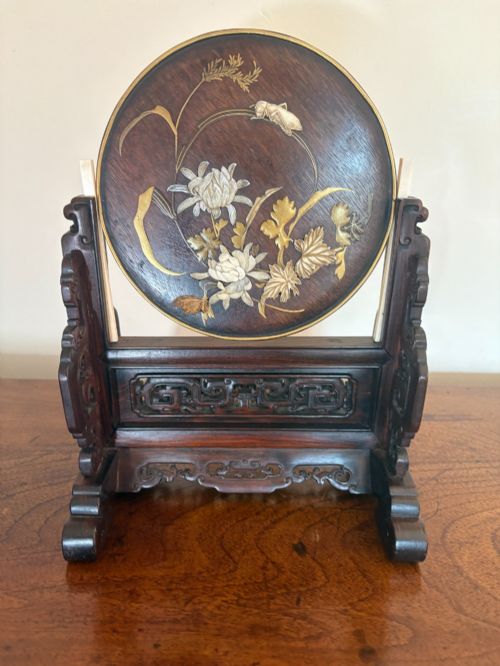
The depth of the decorative scheme, whether encompassing intricate Japanese Shibayama work or detailed Chinoiserie landscapes, determines the visual weight and sophistication of the piece within its specific stylistic tradition.
Materials recorded across the inventory include lacquered wood, brass, gilt, gold leaf, glass, and fabric.
Maison Bagues
The Oriental Lacquered Tables Glossary
- Chinoiserie
- European decorative style reflecting Chinese artistic influences, popular across furniture and decorative objects from the eighteenth century onwards. It relies heavily on painted figures, pagodas, and landscapes rendered in gold and colour upon dark lacquer grounds.
- Meiji Period
- A period of Japanese history lasting from 1868 to 1912, noted for high-quality lacquerwork, metalwork, and intricate decorative items produced for both domestic use and export. Pieces from this era often display exceptional refinement in miniature painting and relief work.
- Japanned
- European imitation of East Asian lacquerwork, created by applying layers of varnish and resin followed by decorative painting and metallic powder. This technique allowed domestic workshops to emulate imported Asian aesthetics on local furniture forms.
- Kodansu
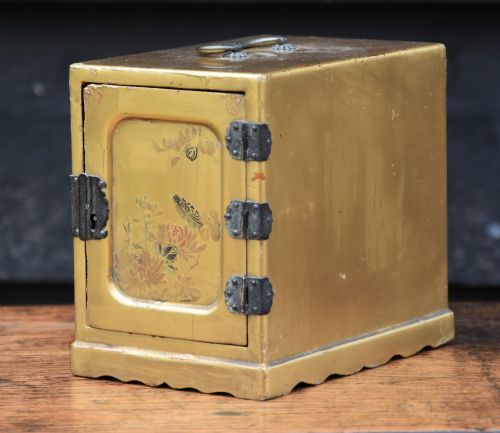
- A small Japanese tabletop cabinet or chest with multiple drawers and compartments, frequently finished in gilt lacquer. These portable storage pieces often share the refined decorative techniques found on contemporary tables.
- Shibayama
- A Japanese decorative technique involving the inlay of precious materials such as ivory, mother-of-pearl, and tortoiseshell into a lacquer or wood ground. This painstaking method creates tactile, multi-textured surfaces on small screens and panels.
Oriental Lacquered Tables: Frequently Asked Questions
How do I care for an antique lacquered table?
Keep these surfaces away from direct sunlight and excessive heat sources to prevent the lacquer from drying out or cracking over time. Dust gently with a soft, dry cloth and avoid harsh chemical polishes or water.
Maintain stable indoor humidity levels where the table is placed. If the piece is used as a coffee table or side table, coasters and protective mats will safeguard the finish from moisture and heat rings.
Are these tables suitable for daily use?
Many of these pieces, particularly occasional tables, coffee tables, and nests, were designed for functional domestic use. Their sturdy wood frames and durable lacquer finishes handle normal everyday placement of small items quite well.
However, because antique lacquer can be sensitive to sharp impacts and abrasive friction, treating them with gentle care ensures the painted scenes remain intact. Placing them in low-traffic zones helps preserve their decorative surfaces.
What is the difference between Chinoiserie and Japanese lacquer?
Chinoiserie is a European interpretation of Chinese and East Asian motifs, executed by Western makers or Asian export workshops targeting Western tastes. These pieces typically feature fantastical landscapes, figures, and pavilions rendered in gold on black or coloured grounds.
Japanese lacquerwork from periods like the Meiji era reflects authentic domestic traditions, often focusing on naturalistic flora, fauna, and distinct regional techniques such as intricate inlays or raised gold maki-e. The underlying aesthetic philosophy and narrative subjects guide the distinction between the two.
How can I tell the age of a lacquered table?
Dating relies on examining the construction methods of the underlying wood, the wear patterns on the feet and edges, and the style of the painted decoration. Characteristics such as hand-cut joinery, older secondary timbers, and natural ageing of the lacquer layers point towards nineteenth-century or earlier origins.
Later pieces from the Edwardian period or the 1920s and 1930s often display machine-assisted elements or brighter, more uniform synthetic varnishes. Comparing the decorative palette against documented stylistic periods provides further chronological context.