

Oriental Lacquered Chest
An oriental lacquered chest brings rich surface decoration and substantial storage to a room through centuries of traditional craftsmanship.
Oriental Lacquered Chest
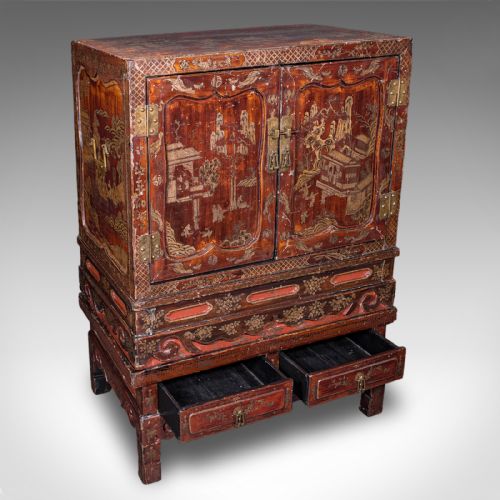
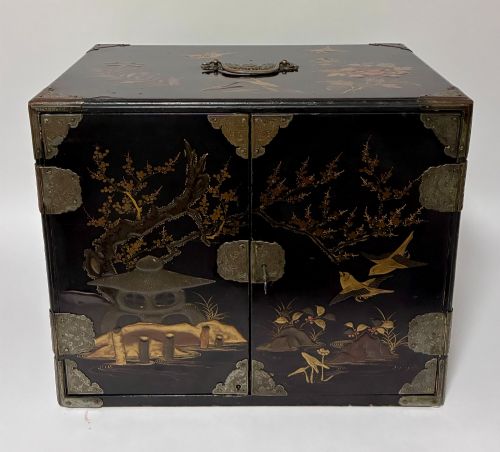
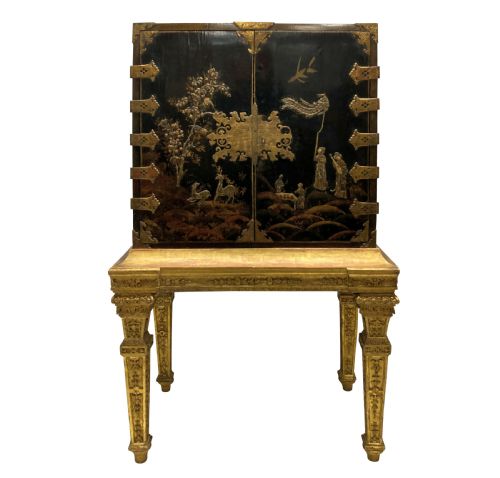
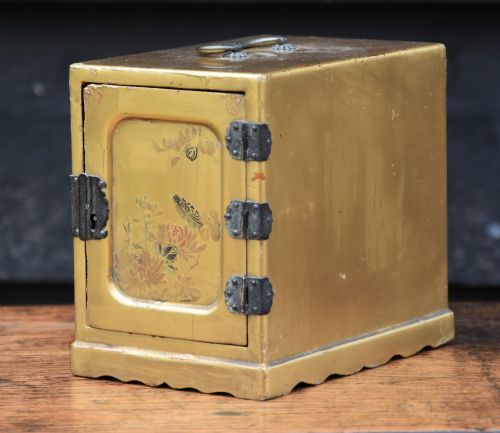
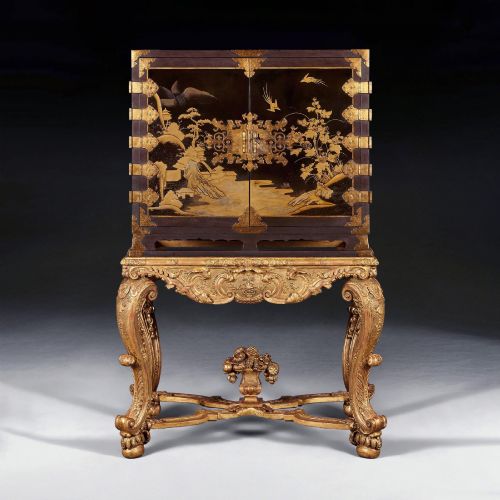
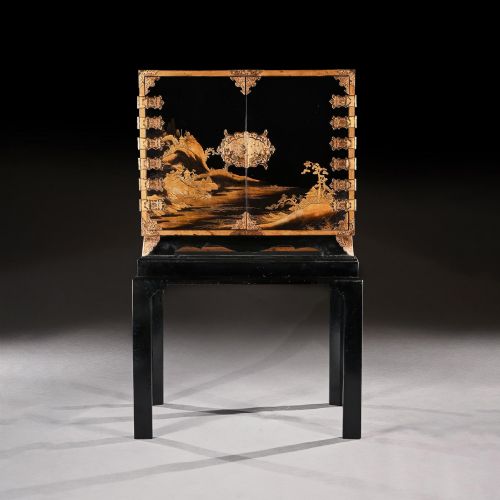
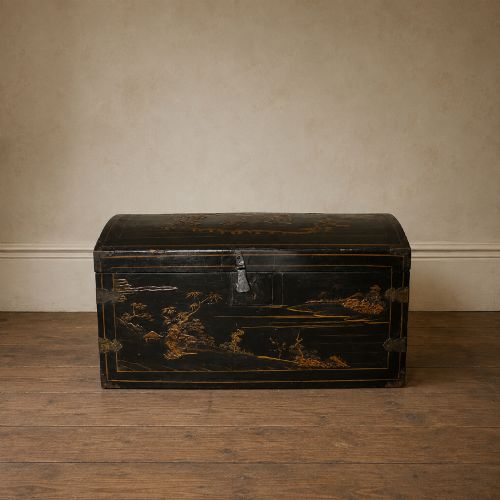
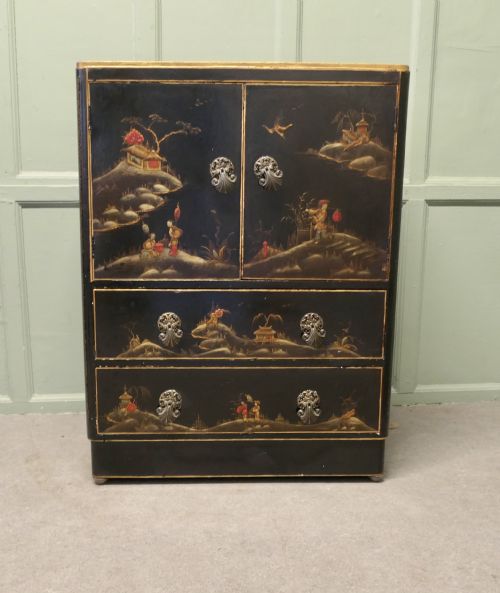
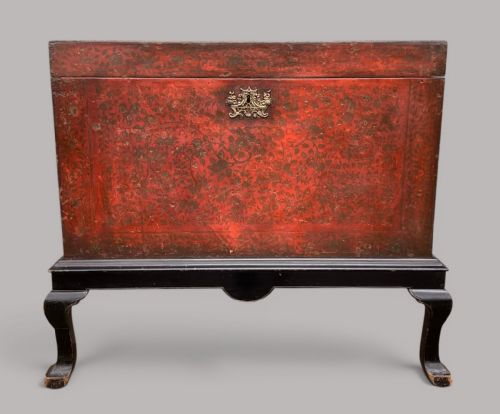
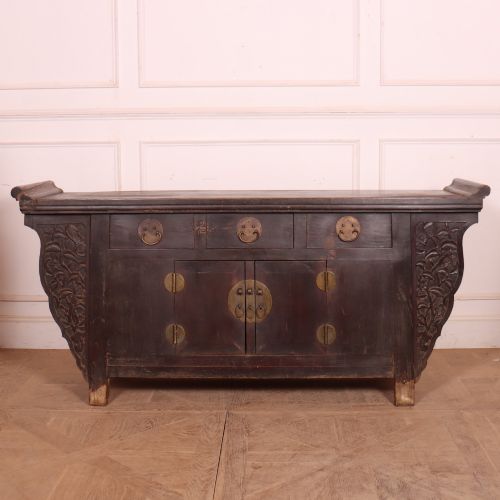
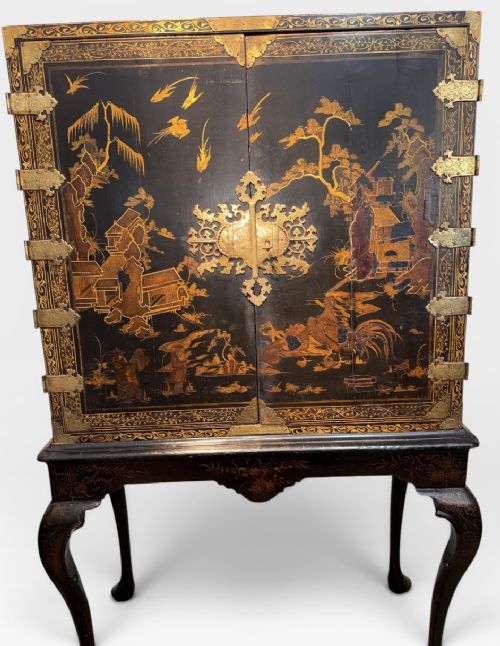
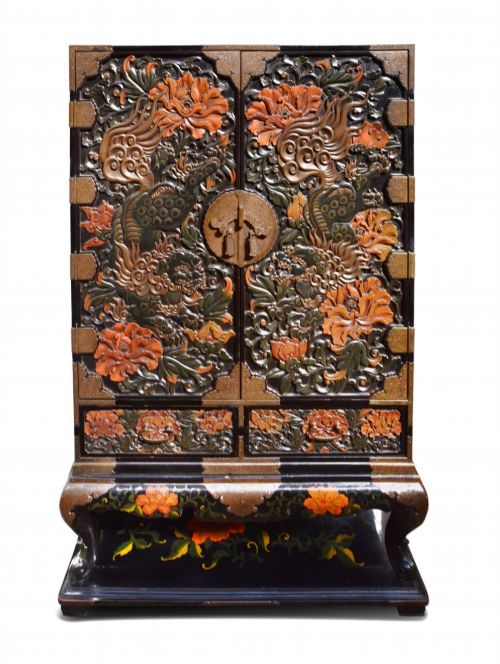
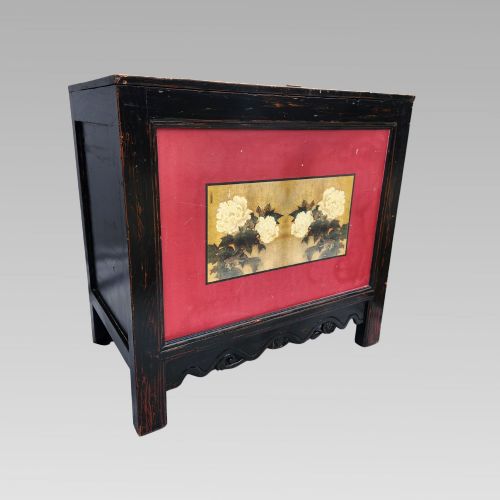
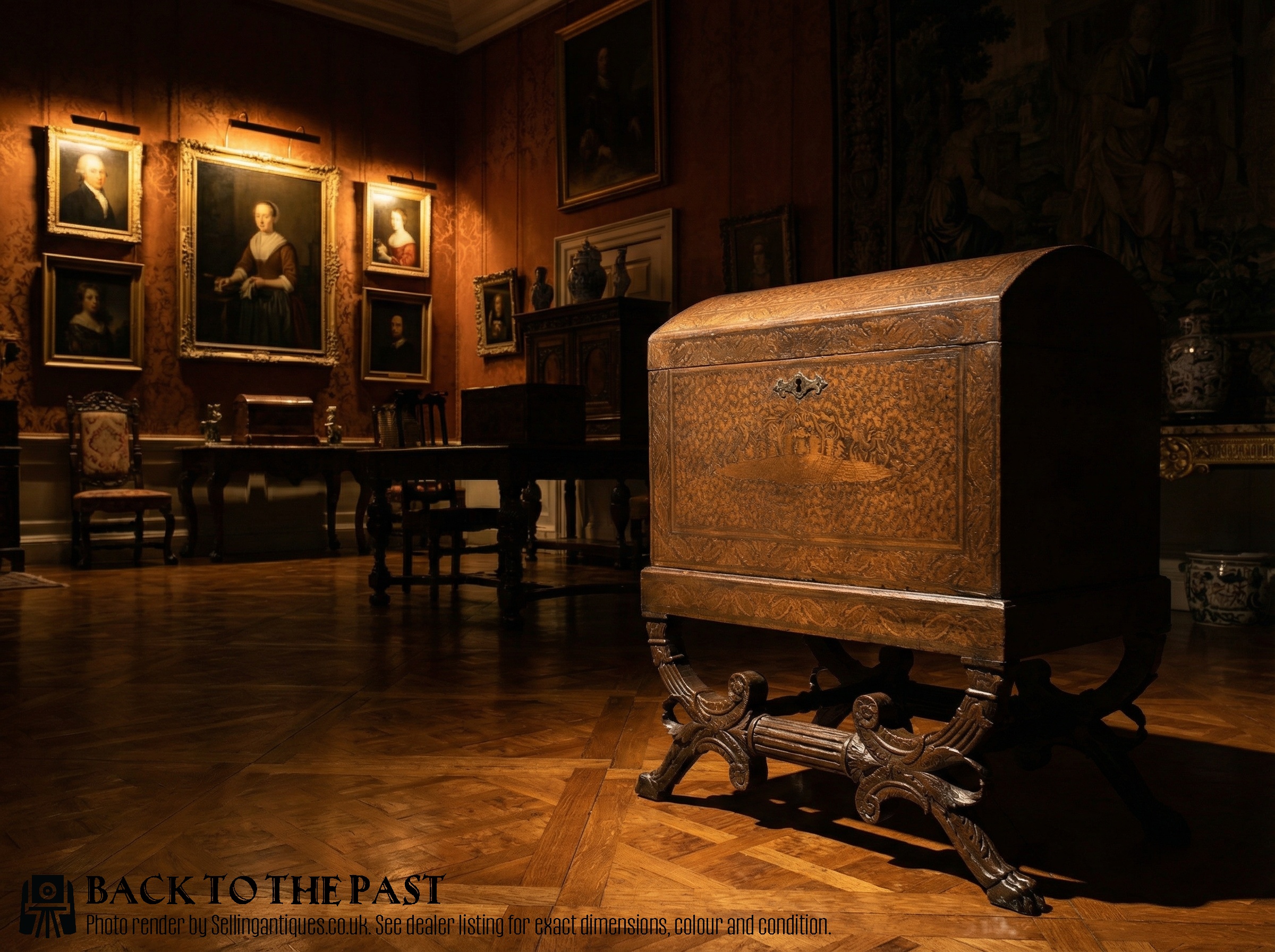
When searching for an oriental lacquered chest, buyers encounter a diverse selection of furniture designed for storage and display. The range spans compact table models to large cabinets on stands, trunks, and apothecary chests.
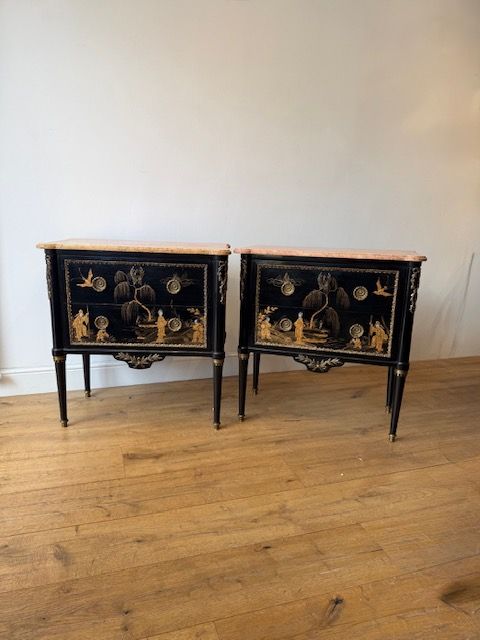
Most examples originate from various periods including the seventeenth, eighteenth, and nineteenth centuries, alongside twentieth-century interpretations. Common styles involve Chinoiserie, Chinese Export, and Japanese Meiji periods.
These pieces function as striking focal points in domestic interiors, offering practical compartments behind intricately finished doors or lids. Their forms reflect both native Asian traditions and European taste adaptation.
How they were made
Construction relies primarily on wood bases such as elm or kiri, coated with layers of natural resin lacquer to create a durable surface. Artisans then applied gold leaf, metallic pigments, and intricate paintwork to build up decorative scenes.
Oriental Lacquered Chest Retail Price Guide 2026
Typical asking prices for oriental lacquered chest among the pieces listed under this phrase on Sellingantiques today, from the lower quarter to the upper quarter. They describe what is for sale here now, not the wider market.
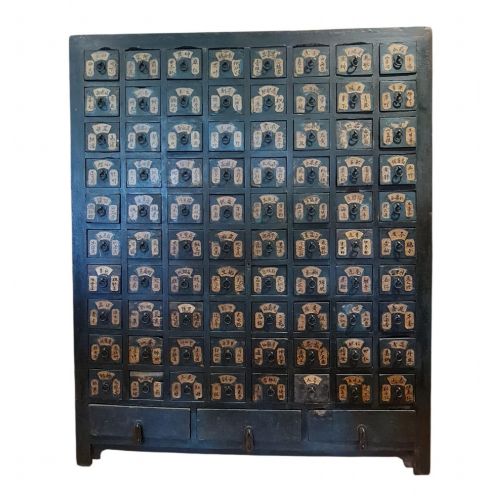
Apothecary chests in the collection feature numerous small drawers originally intended for traditional herbs and medicine.
What varies in quality
Quality depends heavily on the depth and preservation of the lacquer surface, where refined layering creates a tactile sheen rather than a flat painted finish. Finer pieces demonstrate meticulous hand-applied gilding and well-defined pictorial detail in the decorative motifs.
The integrity of the underlying woodwork and original metal mounts distinguishes superior examples from simpler utilitarian containers. Harmonious proportions between the cabinet body and its support stand also define the level of craftsmanship.
The Oriental Lacquered Chest Glossary
- Lacquer
- A durable resin finish applied in multiple coats to wood surfaces. It cures to a hard, smooth sheen that protects against moisture and wear.
- Kodansu
- A small Japanese tabletop cabinet with multiple internal drawers. These miniature pieces were traditionally used for storing documents, jewellery, or writing implements.
- Tansu
- A traditional mobile Japanese storage chest constructed from wood with prominent metal hardware. They were built for specific domestic uses such as clothing or valuables storage.
- Japanning
- A European imitation of East Asian lacquer work popular during the seventeenth and eighteenth centuries. It involves building up layers of varnish heated in a kiln.
Oriental Lacquered Chest: Frequently Asked Questions
What is an oriental lacquered chest used for?
These chests provide enclosed storage for household items while serving as decorative furniture pieces in living spaces and bedrooms. Their internal compartments and drawers accommodate everything from linens to small personal valuables.
Larger variations on stands function as display cabinets for ceramics or books. Smaller table versions suit tabletops and sideboards for organising correspondence or jewellery.
How do I care for antique lacquer furniture?
Keep these pieces away from direct sunlight and strong heat sources to prevent the wood and lacquer from drying out. Dust gently with a soft, dry cloth without applying modern chemical polishes.
Maintain a stable room humidity where possible to protect the delicate wooden joints and surface finishes. Avoid placing damp items directly onto the lacquer surface.
How can I tell the period of a lacquered cabinet?
Examine the construction methods of the internal drawers, backboards, and secondary timbers for tool marks and ageing characteristics. Hardware style and lock mechanisms also offer reliable clues to the date of manufacture.
Stylistic details in the painted decoration reflect the prevailing aesthetics of specific eras such as the Edo period or the Regency. Comparing the joinery to known examples helps confirm the timeframe.
What is the difference between a chest and a cabinet on stand?
A chest typically sits directly on the floor or a low base, featuring a hinged lid or stacked drawers for general storage. They prioritize enclosed volume over elevated display.
Cabinets on stands separate the main storage compartment from the floor using a dedicated wooden or giltwood framework. This configuration elevates the decorative artwork to eye level and lightens the visual weight of the piece.