
Oriental Lacquer Chest
An oriental lacquer chest brings rich surface decoration and timeless storage into a room.

Oriental Lacquer Chest
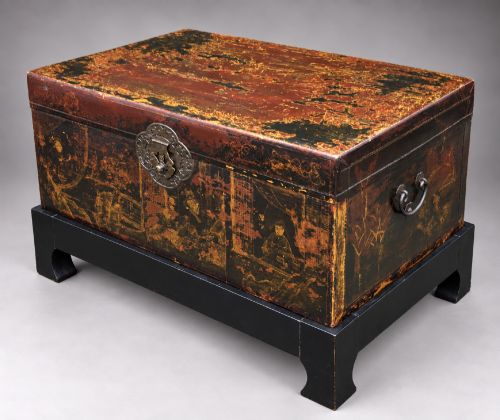
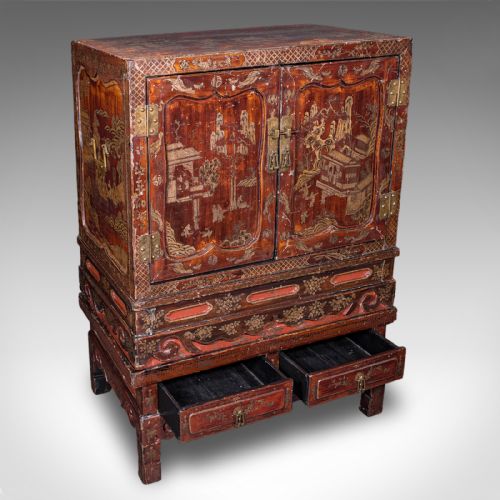
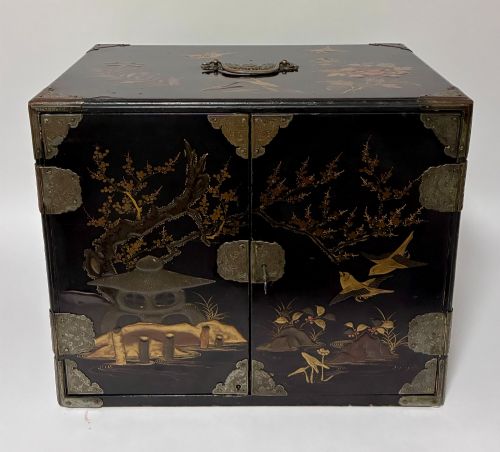
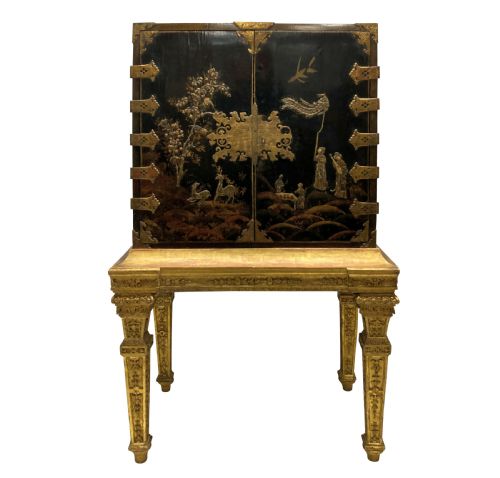
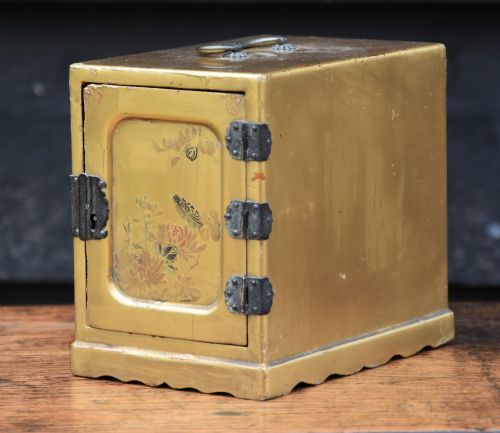
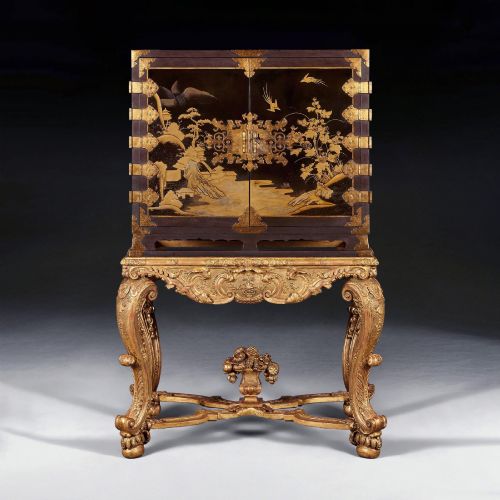
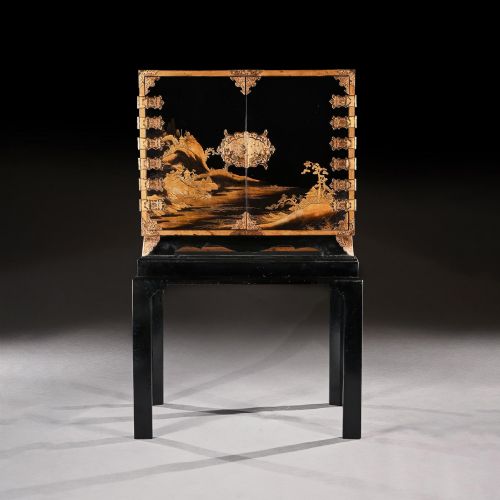
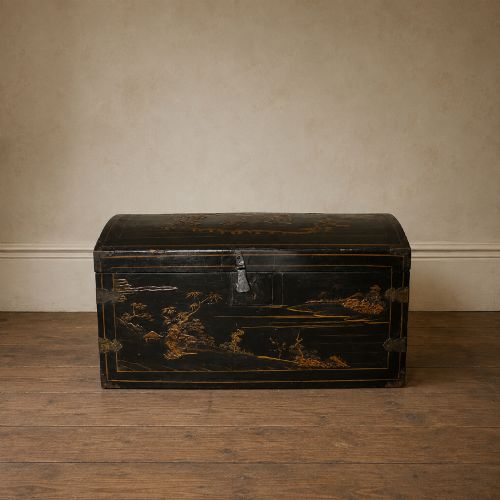
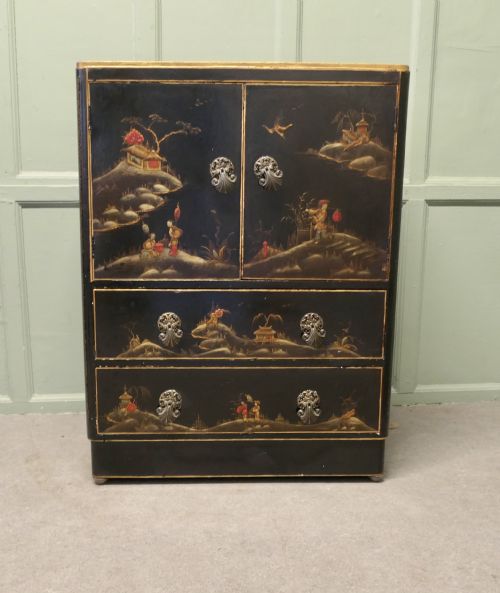
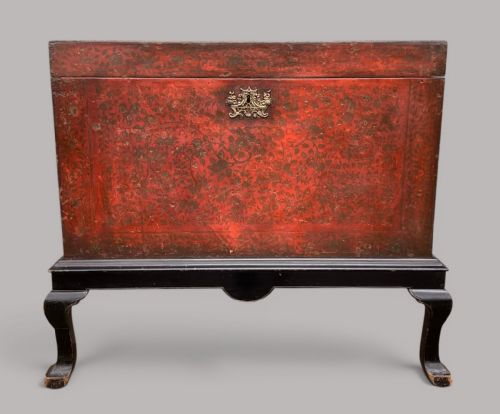
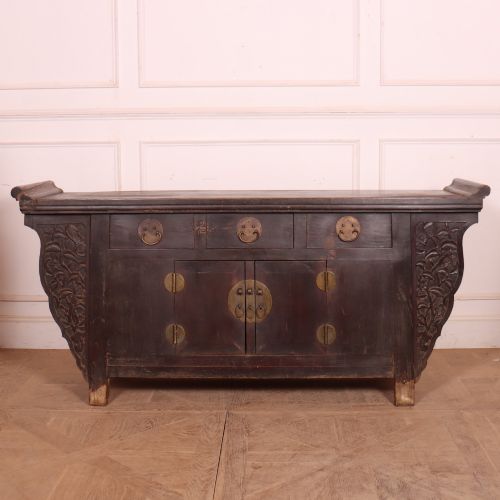
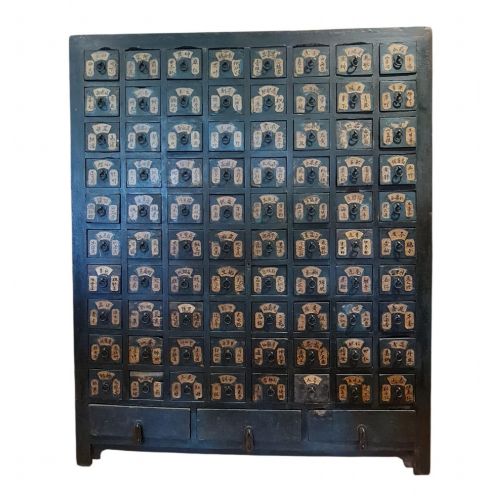
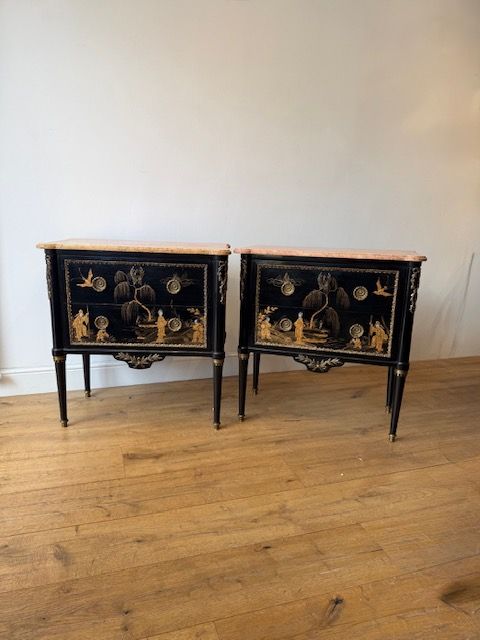
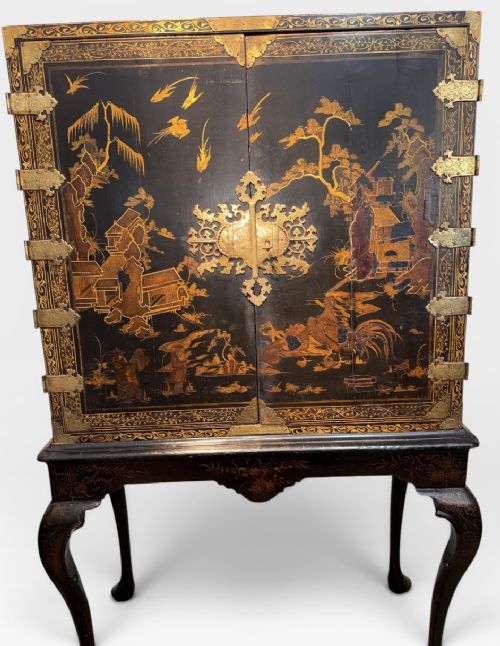
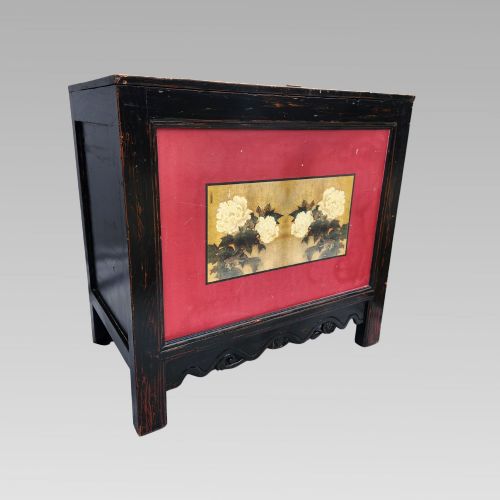
An oriental lacquer chest covers a diverse group of storage forms including cabinets on stands, trunks, table cabinets, and apothecary units. You will most frequently encounter nineteenth-century Chinese export pieces and Japanese examples featuring traditional chinoiserie or Meiji period ornamentation.
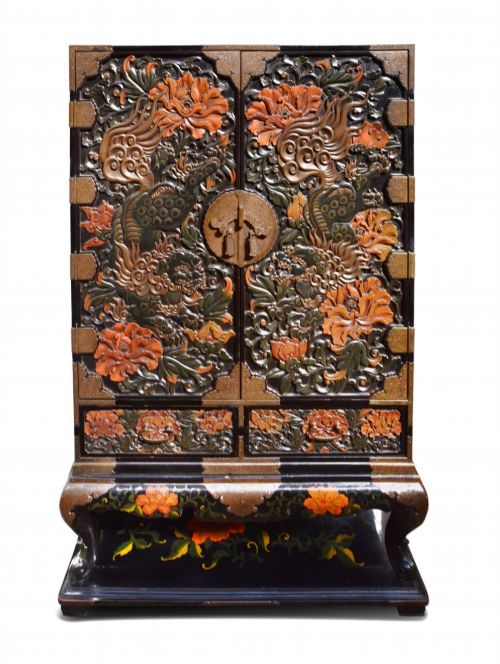
The selection ranges from tall cabinets raised on carved or gilded stands to low storage boxes and multi-drawer medicine chests. These pieces span multiple periods from the seventeenth century through the early twentieth century, reflecting various regional workshops and design traditions.
Buyers seek these items for their striking visual presence and practical enclosed storage capacity. The combination of dark or red lacquer grounds with gilt decoration makes each piece a distinct focal point in a traditional or modern interior.
Materials and Construction Techniques
Craftsmen built the underlying carcase from timber such as Chinese elm, walnut, or pine before applying successive layers of natural sap or lacquer. This painstaking process created a hard, glossy protective coating that could be polished and decorated.
Decorators applied gold leaf, metallic powders, and paint to render intricate scenes of landscapes, figures, birds, and flowers upon the dark or red lacquered ground. Metal mounts in brass and iron provided structural reinforcement and functional hardware for hinges, corners, and drawer pulls.
The listings span multiple centuries of production, featuring items from the seventeenth, eighteenth, nineteenth, and early twentieth centuries alongside Victorian and Regency periods.
Judging Quality and Execution
The sophistication of the surface decoration largely determines the calibre of a piece, distinguishing finely hand-painted gilt work from simpler ornamentation. The depth of the lacquer layers and the crispness of carved details in wood or lacquer reveal the skill of the original workshop.
Integration between the chest and its support structure matters significantly, particularly for pieces designed to sit on separate stands or bases. Original hardware, intact mounts, and well-preserved surface finishes elevate an example above heavily restored or altered counterparts.
The Oriental Lacquer Chest Glossary
- Chinoiserie
- European decorative style reflecting Chinese artistic influences, popular in furniture decoration from the seventeenth century onwards.
- Japanned
- European imitation of East Asian lacquerwork, created using layers of varnish and metallic dust.
- Kodansu
- A small Japanese table cabinet or miniature chest of drawers used for storing valuables or documents.
- Tansu
- Traditional Japanese mobile storage chest constructed primarily in wood with iron or brass hardware.
- Cofer
- A large chest or box typically used for storage of valuable items or textiles.
Oriental Lacquer Chest: Frequently Asked Questions
Where should I place an oriental lacquer chest?
These cabinets work well as focal points in living rooms, hallways, or bedrooms where their decorative surfaces can be appreciated. Keep them away from direct sunlight and strong heat sources to protect the delicate lacquer finish.
Ensure the floor is level, especially when placing a top-heavy cabinet on a separate stand. Use coasters beneath feet if placed on sensitive flooring.
How do I clean an antique lacquer surface?
Dust the exterior gently with a dry, soft microfiber cloth to prevent surface scratching. Avoid using chemical polishes, modern cleaning sprays, or abrasive cloths that can damage the historical finish.
If stubborn marks appear, dampen the cloth slightly with plain water and dry the area immediately. Professional conservation is recommended for deep cleaning or structural repairs.
Are these chests suitable for everyday storage?
Many cabinets and trunks offer practical internal space for books, linens, or tableware. Drawer action varies by age, so handle older mechanisms with care.
Avoid overloading shelves or hanging heavy items from internal fittings. Ensure interior items are clean and dry before storing them inside enclosed compartments.
How can I tell a Chinese piece from a Japanese one?
Chinese export pieces often feature black or red lacquer with detailed gilt painting depicting court scenes or landscapes. Japanese examples frequently include distinct regional forms such as Tansu chests or Kodansu table cabinets.
Examine the hardware and construction joints for clues regarding origin. Material choices like Kiri wood also point towards specific Japanese workshop traditions.