


Oriental Fine Ceramic Dish
An oriental fine ceramic dish brings centuries of skilled glazing, painting, and firing into the home.
Oriental Fine Ceramic Dish
When you search for an oriental fine ceramic dish, you encounter a diverse selection of decorative plates, bowls, chargers, and platters originating from Asian traditions. These pieces span several centuries, reaching from the eighteenth century through the nineteenth century and into the early twentieth century.
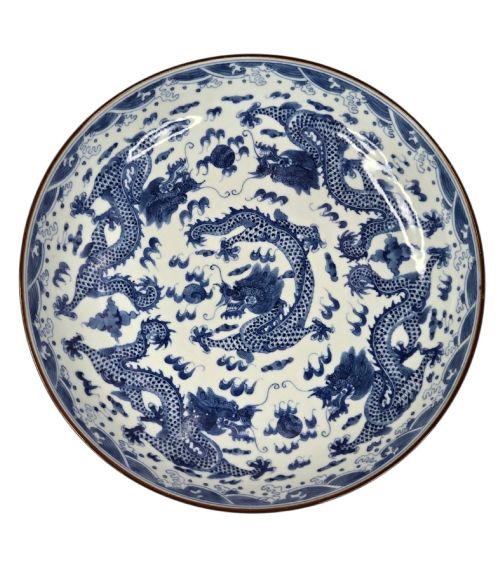
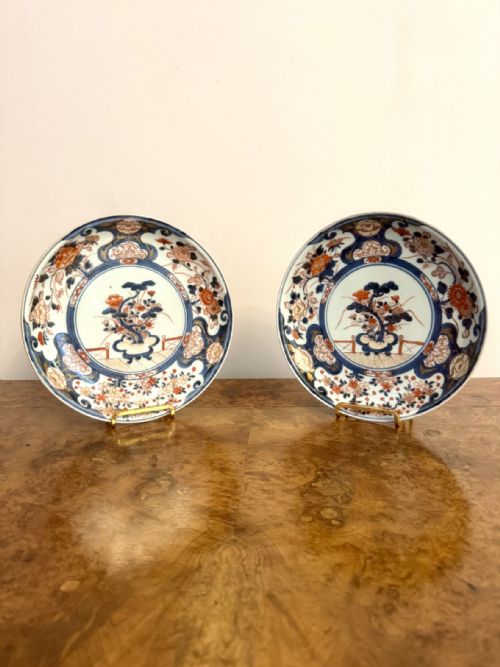
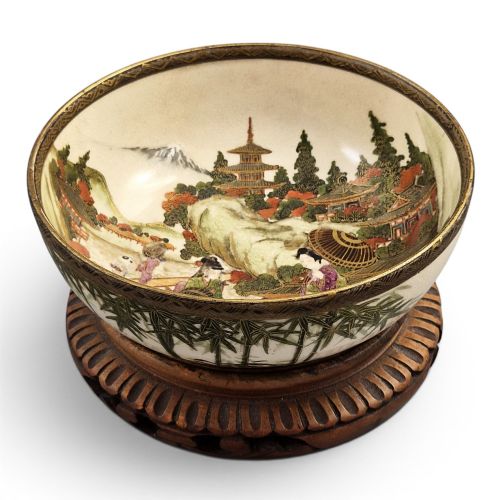
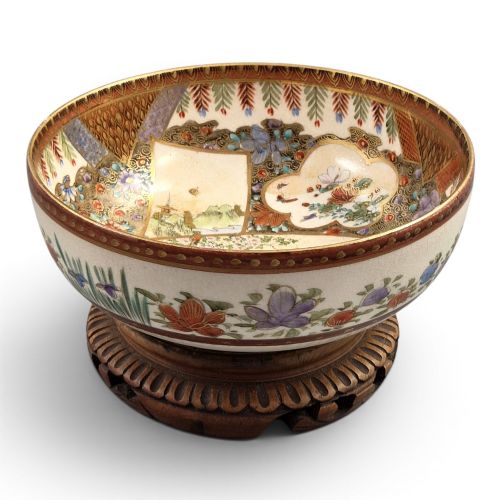
The objects appearing in this collection are predominantly Chinese and Japanese wares. You will frequently find Japanese Imari plates and Satsuma bowls alongside Chinese export porcelain saucers and large Qing Dynasty chargers.
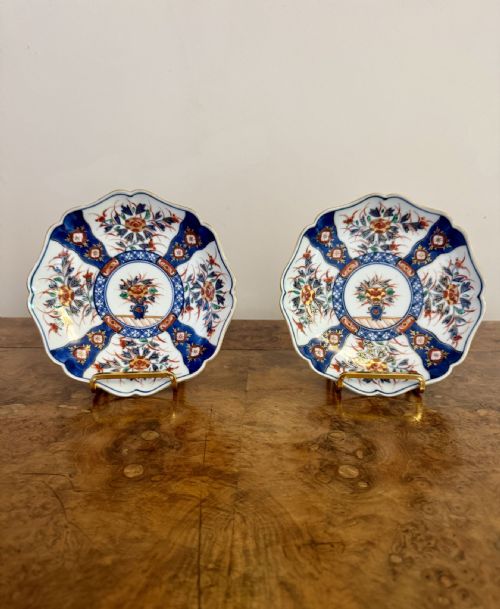
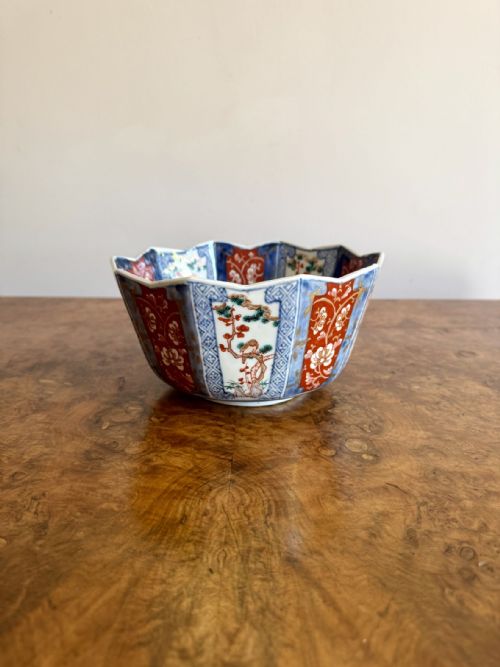
Forms vary considerably, ranging from standard round plates and shallow dishes to octagonal porcelain plates, fan-shaped plates, and large display bowls. Each piece reflects the distinct aesthetic priorities of its period of origin, whether that is the restrained elegance of earlier export wares or the intricate decoration typical of the Meiji period.
How they were made
The manufacture of these ceramics relies heavily on fine porcelain and earthenware bodies shaped by hand or moulded before firing. Artisans applied cobalt underglaze pigments to the raw clay body before the primary high-temperature kiln firing.
Overglaze enamels, gold leaf, and gilt details were frequently added during subsequent lower-temperature firings to build up rich, multicoloured surfaces. Some items incorporate additional wooden display elements or traditional enamel work to complement the ceramic body.
The selection includes various object types, ranging from shallow dishes and saucers to large chargers and decorative bowls.
What varies in quality
Quality in these ceramics is determined by the precision of the brushwork and the complexity of the glazing technique. Superior examples display crisp cobalt underglaze lines and meticulously controlled overglaze enamel application that remains sharp and vibrant.
The presence of artist signatures or reign marks elevates certain pieces, indicating work from recognised makers or imperial kilns. Heavier, well-balanced porcelain forms with even glazing and refined foot rims consistently represent the higher tier of production.
Kozan
The Oriental Fine Ceramic Dish Glossary
- Imari
- A style of Japanese porcelain decorated in underglaze blue and overglaze red, gold, and other colours. This distinctive aesthetic became highly popular for export to European markets.
- Satsuma
- A type of Japanese earthenware featuring a pale, ivory-crackled glaze decorated with polychrome enamels and gilt. It is frequently associated with the Meiji period.
- Cobalt Underglaze
- A blue pigment applied directly to the ceramic body before glazing and firing. This technique protects the pigment under a clear glossy finish.
- Qing Dynasty
- The final imperial dynasty of China, lasting from sixteen-forty-four to nineteen-twelve. Ceramics from this era often feature refined porcelain bodies and sophisticated imperial designs.
- Charger
- A large decorative plate or platter primarily intended for display on a sideboard or wall rather than for practical dining use.
Oriental Fine Ceramic Dish: Frequently Asked Questions
How do I care for antique ceramic dishes?
Wash these pieces gently by hand using lukewarm water and mild soap when cleaning is necessary. Avoid placing them in dishwashers or using abrasive sponges that could scratch the delicate enamel and gold leaf.
Keep them away from direct sunlight and dramatic temperature fluctuations to protect the glaze and body over time.
Were these dishes meant for dining?
Many smaller bowls, saucers, and plates served practical functions in daily dining or tea service. Larger chargers and decorated display dishes were primarily intended for decorative exhibition in homes.
Over the centuries, functional vessels were frequently preserved as decorative display items due to their intricate artistry.
How can I tell Japanese Imari from Chinese export porcelain?
Japanese Imari typically combines deep cobalt underglaze blue with striking overglaze red and gilt, often featuring dense floral or brocade patterns. Chinese export porcelain from similar periods frequently employs Famille Verte or blue and white palettes with distinct narrative scenes.
Examining the weight, foot rim construction, and clay body helps clarify the specific origin of each piece.
What does Satsuma mean on a dish?
Satsuma refers to a distinctive type of Japanese earthenware characterised by a warm, ivory-coloured body covered in a fine network of crackled glaze. These pieces are typically decorated with elaborate overglaze enamels and generous amounts of gold leaf.
Such wares gained significant international attention during the Meiji period following international exhibitions.