



Oriental Display Vase
An oriental display vase brings pattern and presence to a room, drawing the eye with rich enamels and careful form.
Oriental Display Vase
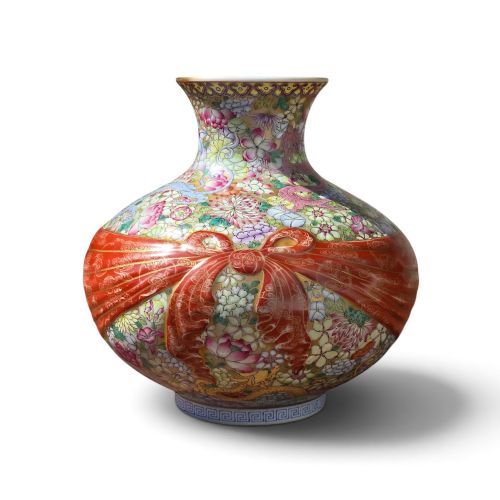
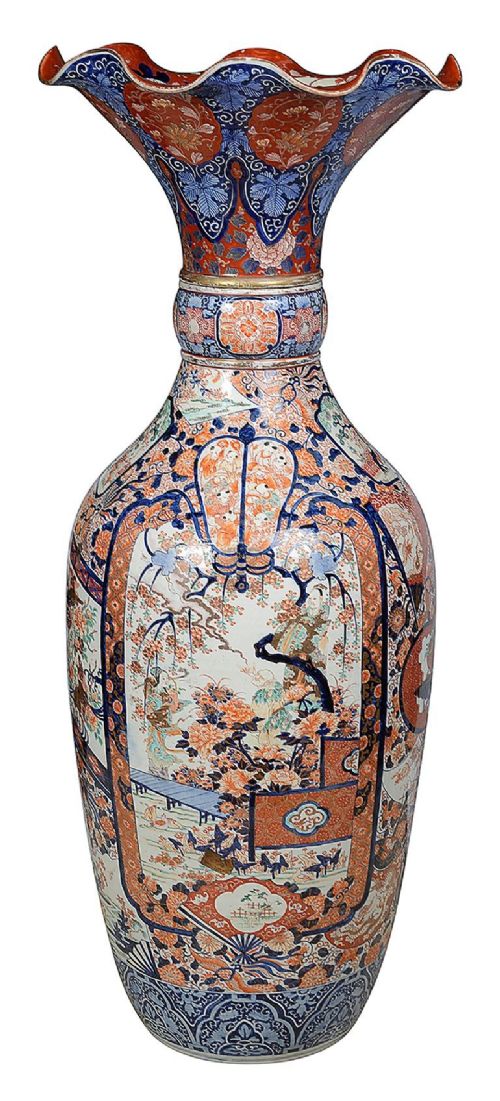
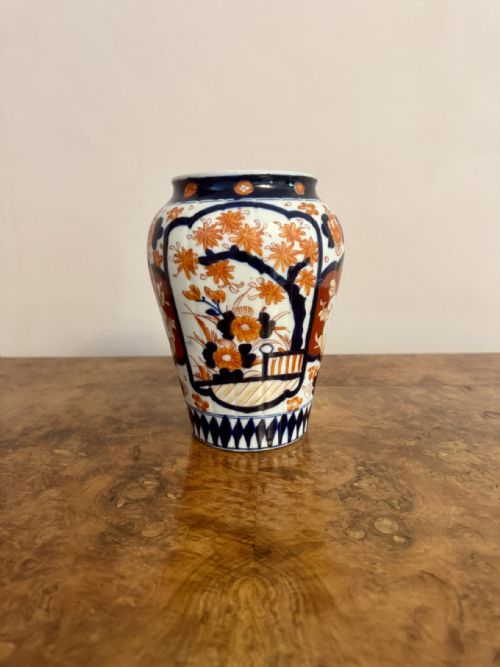
An oriental display vase encompasses both Chinese and Japanese ceramic vessels, ranging from floor-standing jars to intricate miniature pieces intended for prominent placement within a room.
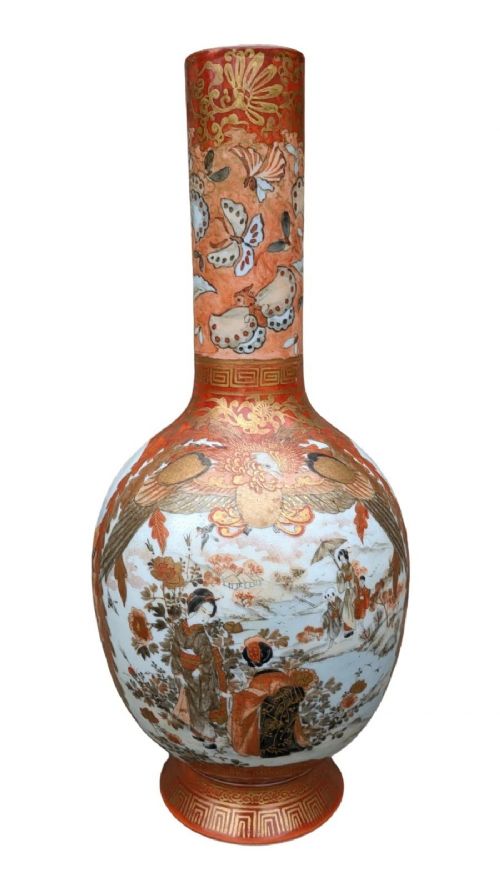
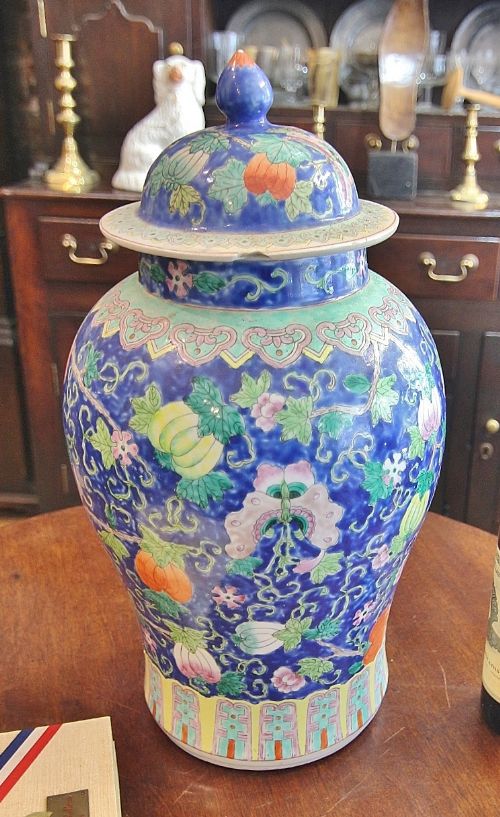
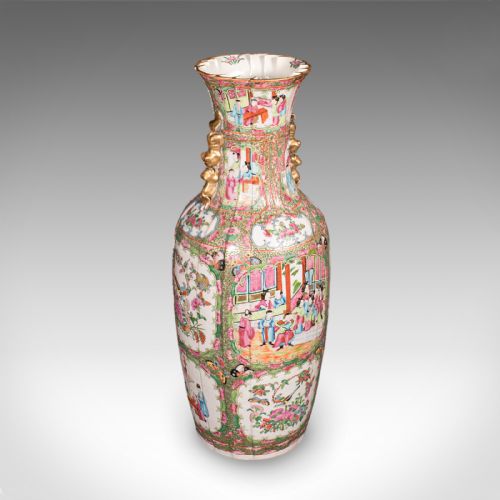
The selections here span Japanese Imari, Satsuma, and Kutani wares alongside Chinese Qing Dynasty porcelain and bronze vessels, reflecting varied traditions of form and decoration.
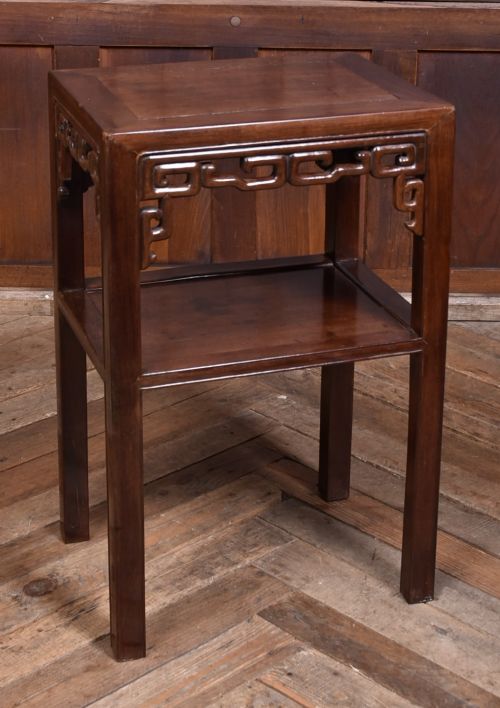
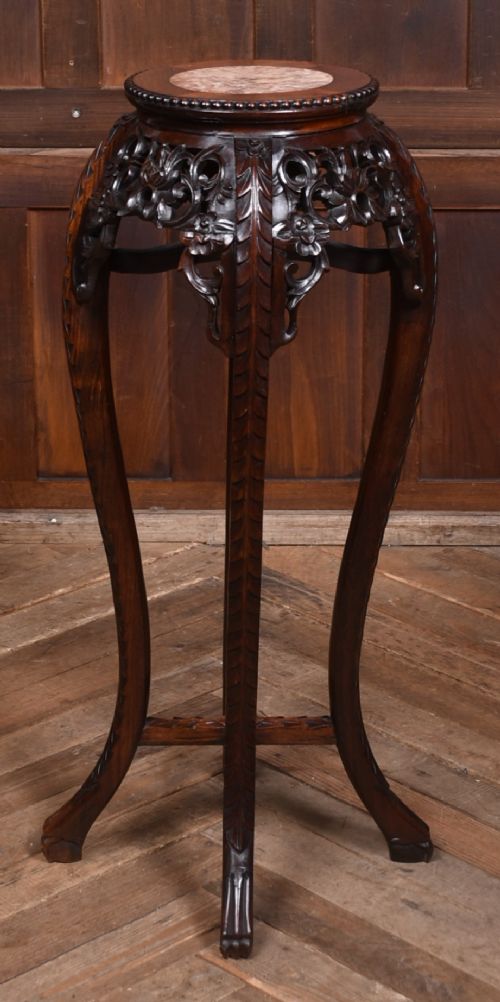
Accompanying supports such as hardwood and marble-topped vase stands frequently appear alongside the ceramic vessels, completing the traditional display arrangement.
Materials and technique
Potters shaped these pieces from porcelain, earthenware, and ceramic before applying hand-painted designs using coloured enamels, iron-red pigments, and gold leaf.
Techniques include the raised relief work of moriage decoration and intricate lacquer applications over painted surfaces, paired with metal casting for bronze forms.
Listings feature items from the Victorian and Edwardian eras alongside pieces dated to the Meiji period and the Qing dynasty.
Distinctions in craftsmanship
Execution of detail separates standard production from exhibition pieces, visible in the precision of figural processions, facial expressions, and dense landscape panels.
The application of heavy gilding and the clarity of cobalt ground work indicate the skill invested by the painter or workshop during periods such as the Meiji era or late Qing dynasty.
Kinkozan·Hododa·Seiko-en Chokei
The Oriental Display Vase Glossary
- Imari
- A style of Japanese porcelain featuring a palette of underglaze blue, iron-red, and gold. It originated in the town of Arita and became widely exported to Europe.
- Satsuma
- An earthenware ceramic originating from the Satsuma Province, characterised by a fine crackle glaze and elaborate polychrome enamel decoration often enriched with gold.
- Kutani
- Japanese coloured porcelain and ceramic ware known for bold pictorial designs and rich colour palettes including greens, purples, and reds.
- Moriage
- A decorative ceramic technique using raised slip to create textured patterns and dimensional details on the surface of a vase.
- Doucai
- A Chinese porcelain technique involving underglaze blue outlines filled in with contrasting overglaze enamels.
- Famille Rose
- A major palette of Chinese ceramic glazes introduced in the Qing dynasty, distinguished by opaque pink or rose enamel colours.
Oriental Display Vase: Frequently Asked Questions
How do I identify a Satsuma vase?
Satsuma wares generally feature an ivory-coloured earthenware body covered in a network of fine glaze cracks. They rely heavily on detailed figural scenes and dense gold highlights.
Craftsmen often signed these pieces on the base, providing clues to the studio or artist responsible for the work.
What is the difference between Imari and Kutani?
Imari pieces use a porcelain body with a distinct colour scheme centred on deep underglaze blue and iron-red accents. They frequently display symmetrical floral and geometric motifs.
Kutani wares tend to showcase more pictorial scenes of figures and nature, utilising a broader and heavier range of enamel colours.
Where should I place a large floor vase?
Large floor vases suit corners of reception rooms, entrance halls, or wide fireplace hearths where their height commands attention without obstructing movement.
Pairing them with a stable floor stand or keeping them clear of high-traffic walkways protects the ceramic body from accidental knocks.
How do I care for antique enamel surfaces?
Dust these vessels gently with a soft, dry brush to prevent accumulation in recessed areas and raised enamel details. Avoid water and chemical cleaning products, which can damage old gilding and unglazed earthenware.
Keep pieces out of direct sunlight to preserve the vibrancy of the hand-painted iron-reds and coloured pigments.