









Oriental Display Dishes
These oriental display dishes are decorative ceramic and metal vessels from the nineteenth and early twentieth centuries, prized for their intricate hand-painted designs.
Oriental Display Dishes
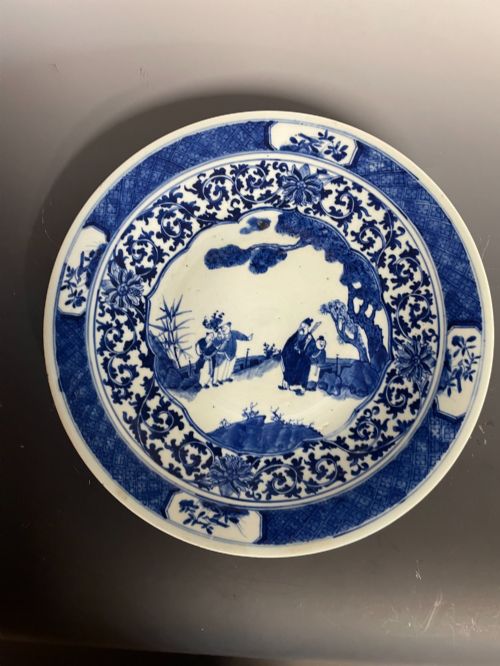
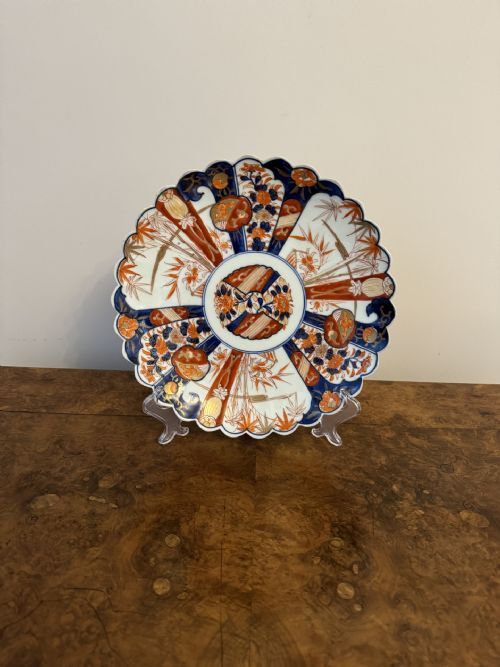
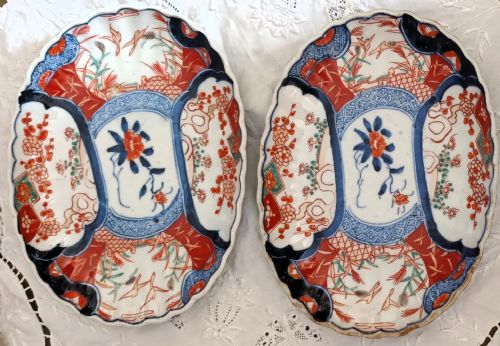
Oriental display dishes encompass a variety of decorative plates, chargers, bowls, and platters originating from Japan and China. Buyers searching for oriental display dishes frequently encounter Japanese Imari porcelain chargers and plates dating from the Meiji period.
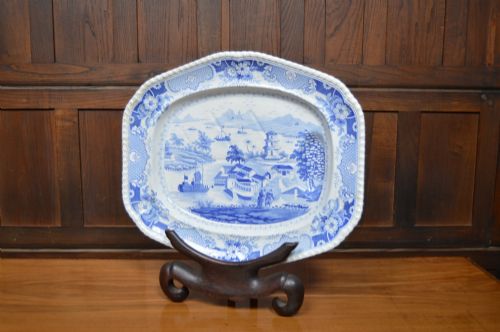
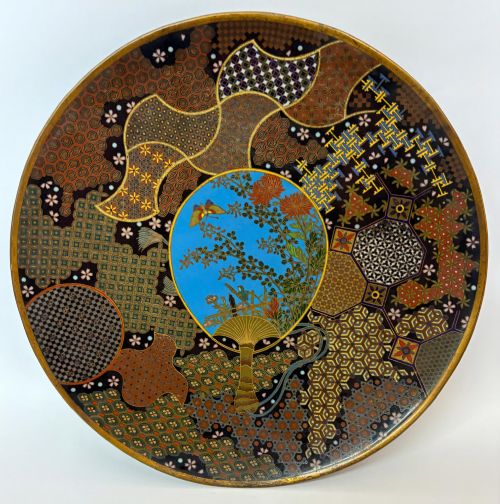
The selection also includes Chinese export porcelain, Canton famille verte pieces, and intricate Japanese cloisonne enamel trays. Forms range from standard round plates to large scalloped chargers, hexagonal plates, and square display dishes.
Most examples date from the late nineteenth century, spanning periods such as the Meiji era and the Qing Dynasty. These items were created primarily for visual appreciation and interior decoration rather than daily dining.
How they were made
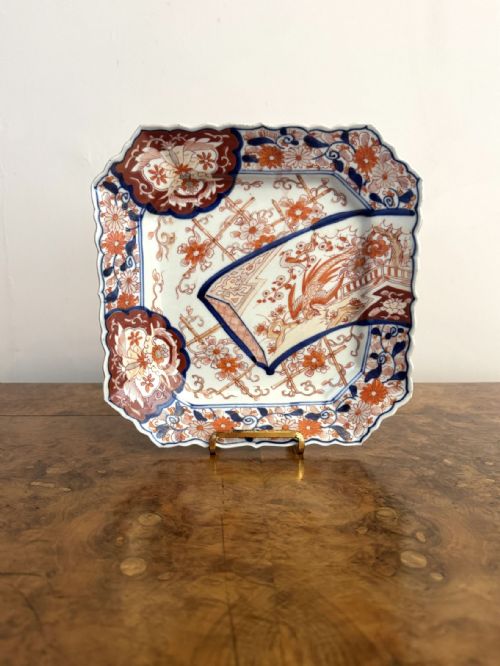
Potters utilised porcelain and earthenware bases, applying cobalt underglaze, enamel pigments, and occasionally gold leaf for rich coloration. Japanese Imari wares combined underglaze blue with iron red and gold details over a white porcelain body.
Cloisonne enamel pieces involved soldering thin copper or brass wires to a metal base to form cells, which were filled with coloured enamel pastes before firing. Earthenware items such as Satsuma wares utilised finely crackled glazes painted with elaborate polychrome scenes.
Materials recorded across the inventory include porcelain, earthenware, cloisonne enamel, copper, brass, and gold leaf.
What varies in quality
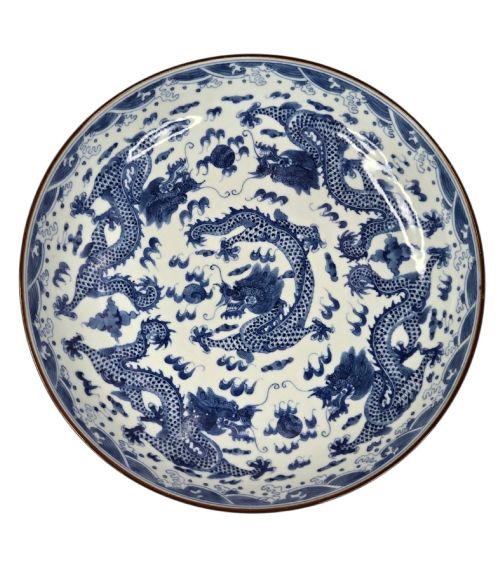
Quality in these pieces depends upon the precision of the brushwork and the complexity of the decorative composition. Top-tier examples display meticulous hand-painted details depicting exotic birds, dragons, flowers, or figures without blurring or alignment errors.
The refinement of the physical shape also dictates distinction, as seen in cleanly executed scalloped edges, hexagonal forms, and symmetrical bowls. For cloisonne items, the fineness of the wirework and the smoothness of the polished enamel surface mark the separation between standard production and masterwork execution.
Koshida·Kozan
The Oriental Display Dishes Glossary
- Imari
- A style of Japanese porcelain featuring a distinct palette of cobalt blue and iron red, frequently accented with gold. This style originated in Arita and became popular for export during the Edo and Meiji periods.
- Cloisonne
- A decorative metalwork technique where enamel pastes are applied within compartments created by soldered wires. Craftsmen fired and polished these metal vessels to produce smooth, patterned surfaces depicting flora and fauna.
- Charger
- A large decorative plate utilised primarily for display on tables or walls rather than for serving food. These substantial ceramic or metal pieces measure significantly broader than standard dinner plates.
- Famille Verte
- A Chinese porcelain palette dominated by green enamel pigments, developed during the Qing Dynasty. Artisans combined these green tones with contrasting colours to render pictorial scenes of figures and landscapes.
- Satsuma
- A type of Japanese earthenware characterised by a pale, ivory crackle glaze decorated with polychrome enamel and gilt. These decorative vessels often bear the signatures of notable artists and workshops.
Oriental Display Dishes: Frequently Asked Questions
How were oriental display dishes used historically?
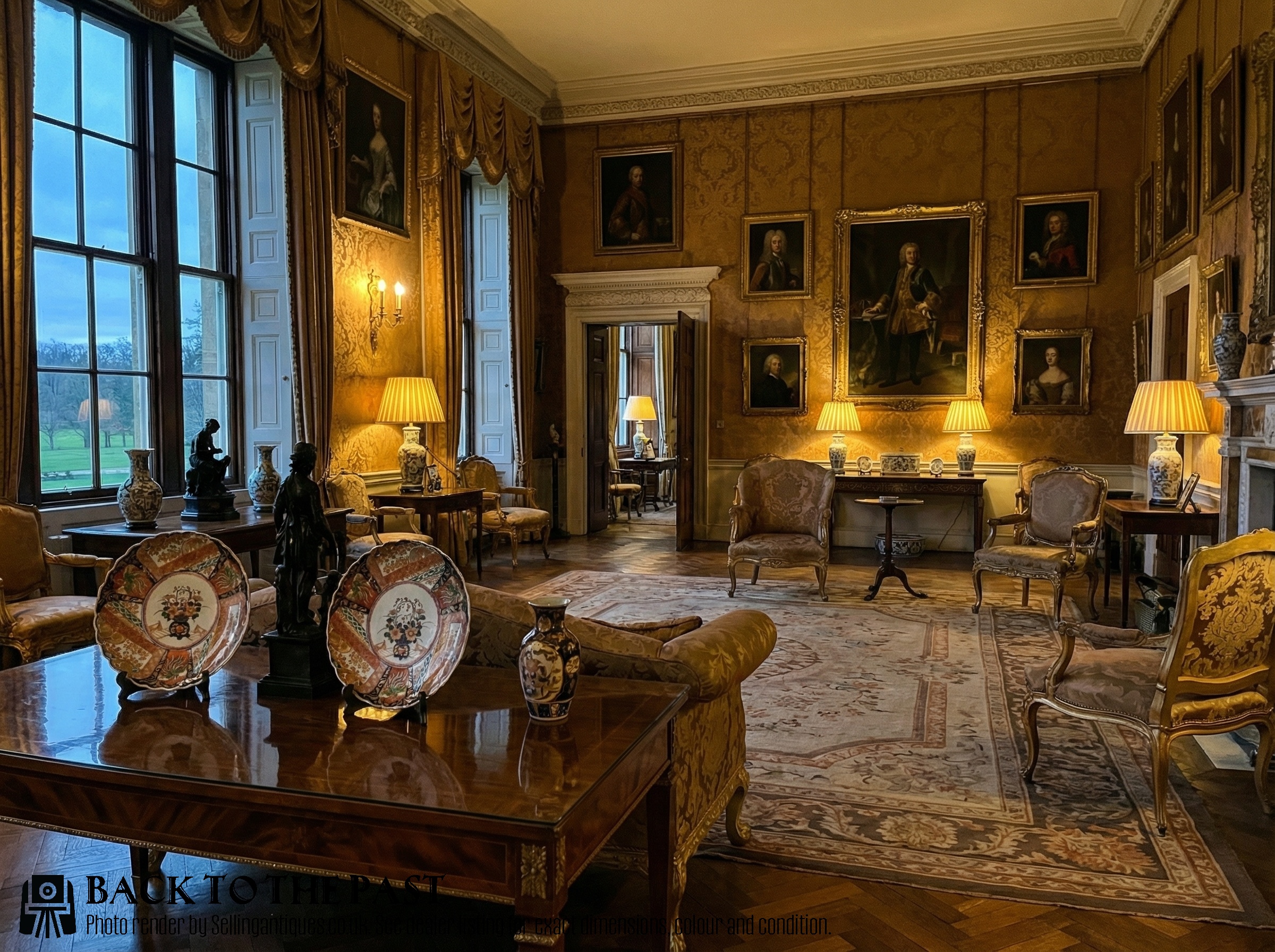
These decorative vessels served primarily as ornamental display pieces in domestic interiors, placed on tables, sideboards, or mounted on walls. They were designed to showcase wealth, artistic appreciation, and an affinity for Asian craftsmanship.
Unlike utilitarian tableware, chargers and decorative plates avoided heavy daily use, preserving their hand-painted surfaces and delicate enamel details for visual enjoyment.
How do I identify Meiji period Imari pieces?
Meiji period Imari pieces typically feature bright cobalt blue underglaze paired with striking iron red and gold enamel highlights. Look for traditional motifs such as exotic birds, floral arrangements, and intricate geometric borders.
Examine the porcelain body and edge shaping, as many authentic nineteenth-century examples incorporate scalloped, hexagonal, or square silhouettes rather than plain round forms.
What is the difference between porcelain and cloisonne?
Porcelain pieces are ceramic vessels fired from fine white clay, decorated with painted glazes and enamels. They rely on brushwork and kiln reactions for their finished appearance.
Cloisonne items feature a metal base, usually copper or brass, decorated with soldered wire partitions filled with coloured glass pastes. These metal trays and chargers have a tactile, smooth surface with distinct metallic outlines.
How should I display antique chargers safely?
Display chargers securely by utilising specialised wall hangers designed to distribute weight evenly across the rim without causing friction damage. Ensure wall mounts are anchored firmly into structural supports.
For tabletop display, utilise sturdy plate stands sized appropriately to support the heavy weight of large nineteenth-century porcelain or metal chargers.