




Oriental Decorative Wall Plate
An oriental decorative wall plate brings rich hand-painted detail and colour to a room, offering a focal point crafted centuries ago.
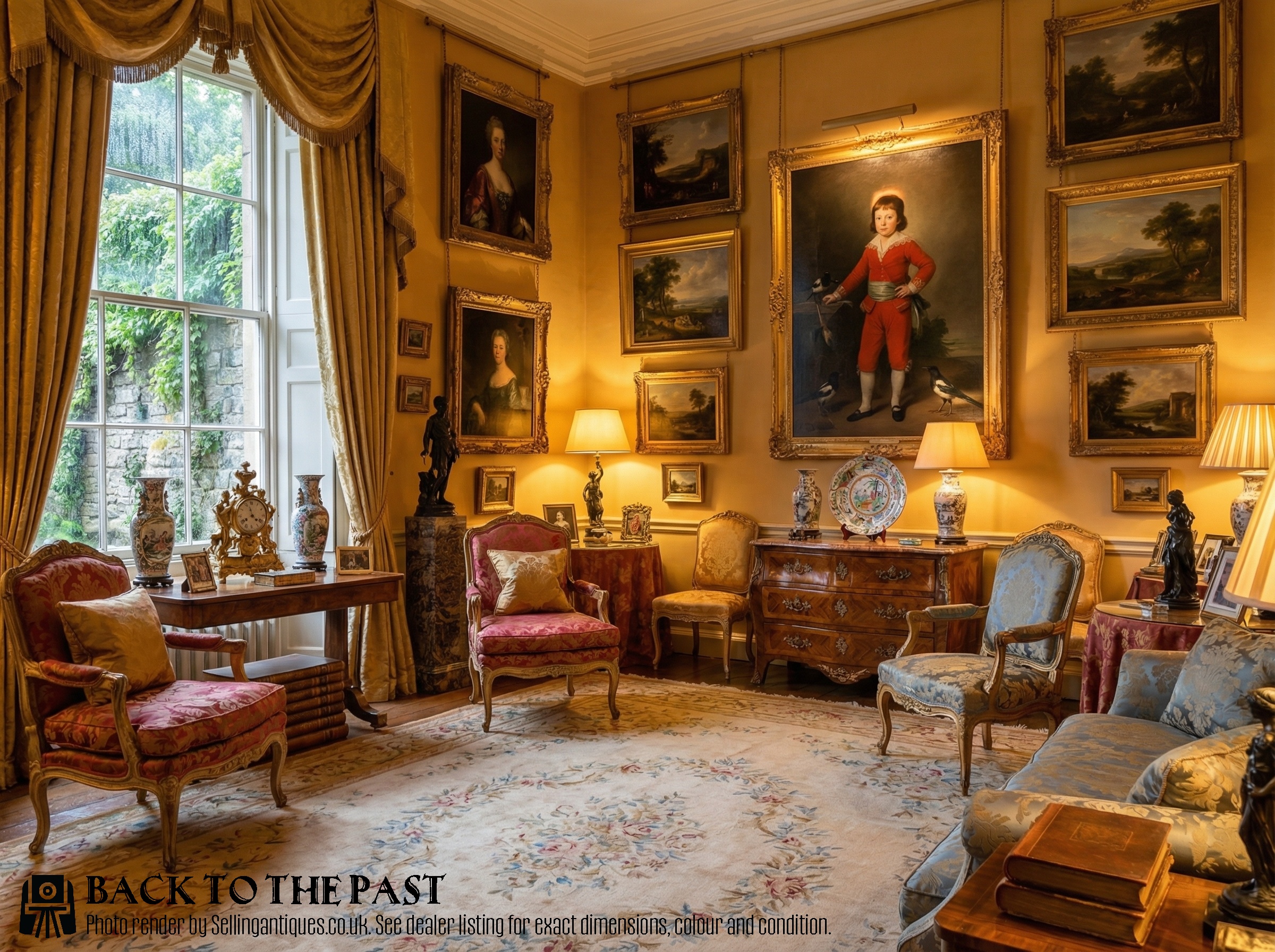
Oriental Decorative Wall Plate
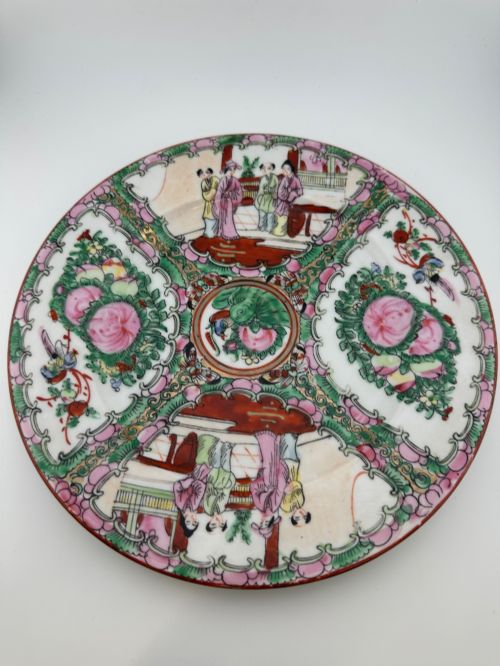
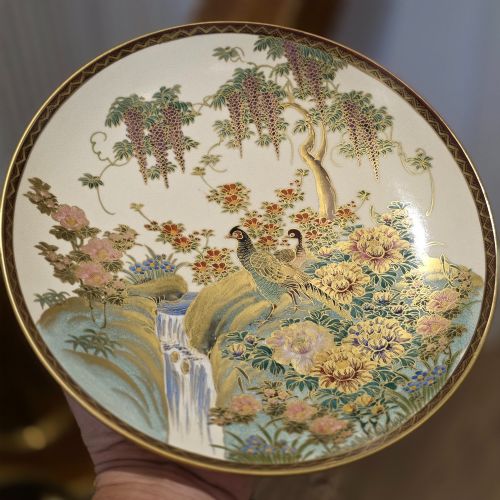
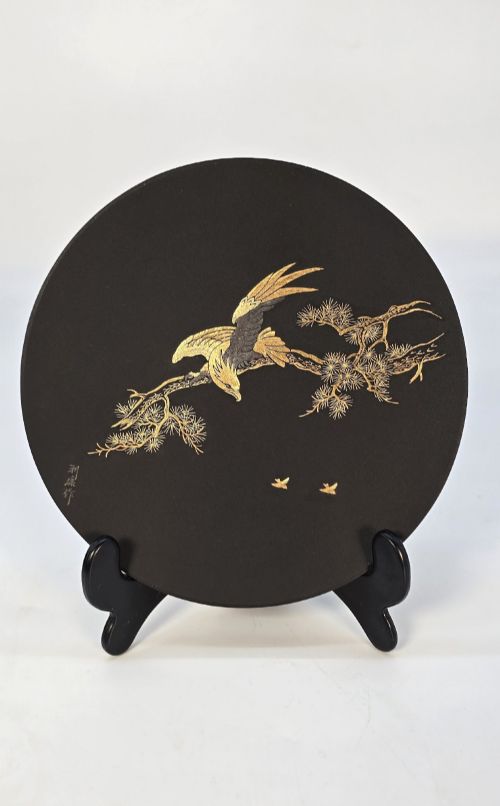
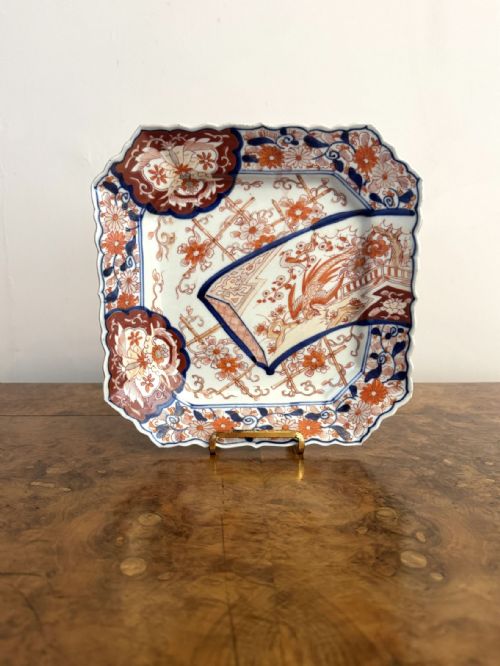
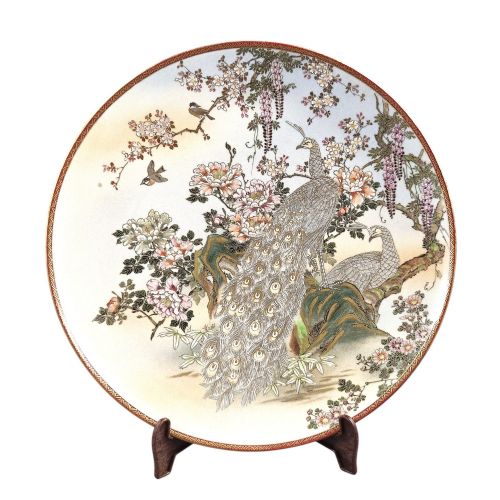
An oriental decorative wall plate encompasses wide porcelain chargers, earthenware dishes and metal plaques produced across Asia for display rather than dining. The pieces seen here span periods from the mid-eighteenth century through the Meiji and Taisho eras into the early twentieth century.
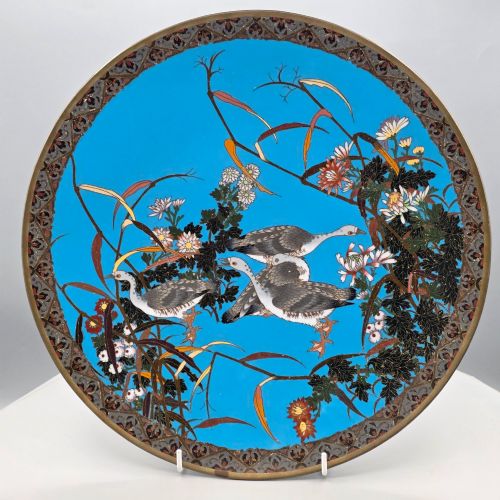
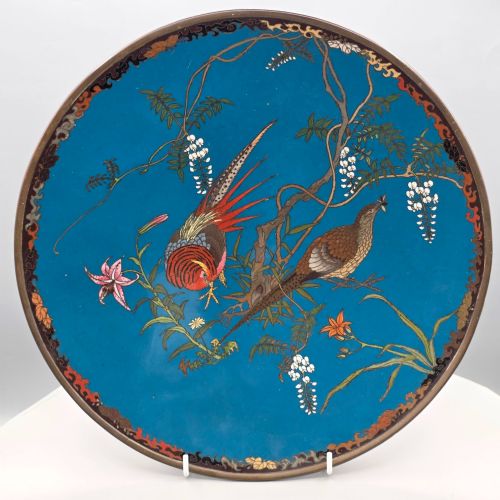
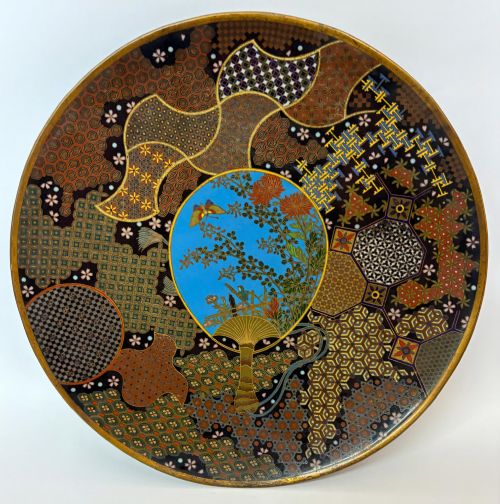
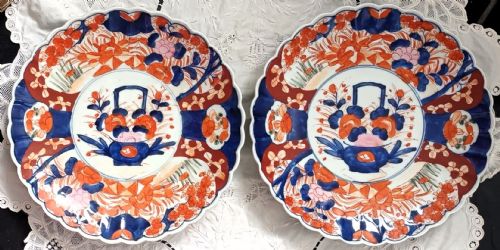
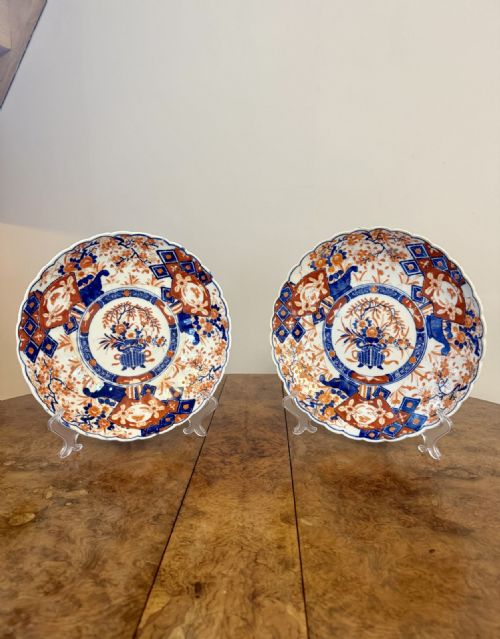
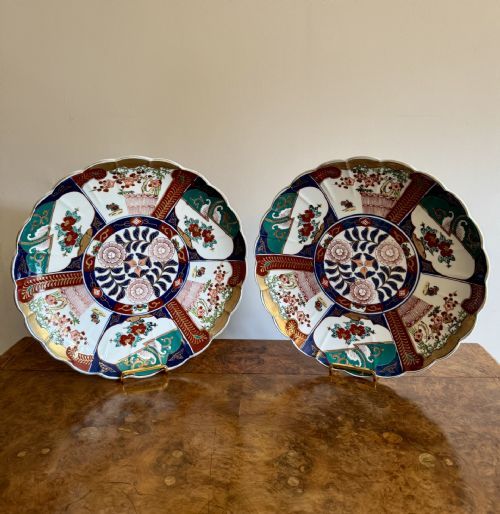
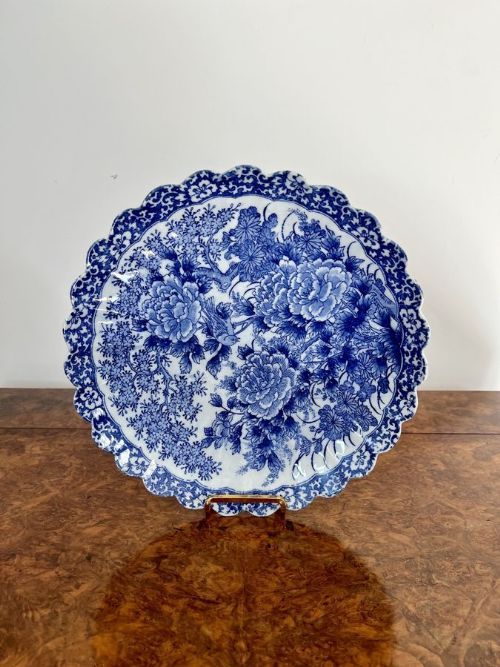
Japanese Imari ware and Chinese export porcelain form the bulk of the selection, alongside cloisonne enamel chargers and patinated iron plaques. Collectors find scalloped edge plates, large display chargers and square shaped dishes among the available forms.
How They Were Made
Potters shaped porcelain and earthenware by hand before applying cobalt blue underglazes, polychrome enamels, and gilt highlights that required careful kiln firing. Cloisonne makers soldered delicate copper or brass wire cells onto metal bases, filling the compartments with coloured enamel pastes before polishing the surface smooth.
Iron plaques utilised patination techniques alongside fine gold and silver inlay work to create intricate pictorial scenes. Artisans combined these metallic and ceramic traditions to achieve lasting depth and vibrant colour across each plate.
The listings span from 1750 to 1920, uniting traditional Chinese porcelain with Meiji period Japanese cloisonne and Imari wares.
What Varies in Quality
The precision of the brushwork and the complexity of the motif dictate the standing of a porcelain plate, with master-painted scenes of flora and fauna commanding attention. In cloisonne work, the fineness of the wire grid and the absence of pitting in the enamel determine the grade of the piece.
The weight, scale, and balance of large chargers separate ordinary production items from ambitious workshop pieces. Preservation of original gilding and the crispness of moulded edges further distinguish superior examples.
Koshida
The Oriental Decorative Wall Plate Glossary
- Imari
- A style of Japanese porcelain featuring a distinct palette of underglaze blue, iron red, and gold, named after the port of export. These wares gained immense popularity in European households from the seventeenth century onwards.
- Cloisonne
- An enamel technique where metal wires form raised barriers on a copper or brass body to contain coloured glass pastes. The entire object undergoes multiple firings and polishings to achieve a flat, lustrous finish.
- Satsuma
- A type of Japanese earthenware characterised by a pale, ivory-coloured crackle glaze decorated with detailed polychrome enamels and raised gold moriage. Production flourished during the late nineteenth century for international markets.
- Charger
- A large decorative plate intended for display on a sideboard or wall rather than for serving food. These substantial vessels often measure over thirty centimetres across.
- Moriage
- A decorative ceramic technique using piped slip to create raised, textured patterns beneath or over the glaze. This method adds a tactile dimension to Satsuma and Kutani wares.
Oriental Decorative Wall Plate: Frequently Asked Questions
How were antique wall plates hung?
Many large chargers and plates featured drilled foot rings or were displayed using specialised wire spring hangers designed to grip the rim securely without causing damage.
Collectors today employ similar coated wire brackets or custom wall mounts to support the weight of heavy porcelain and metal plaques safely.
What is the difference between Imari and Kutani?
Imari porcelain relies on a strict palette of deep cobalt blue, iron red, and gilt accents, often featuring intricate geometric and floral panels.
Kutani wares typically showcase a broader range of pictorial colours, frequently highlighting bold greens, purples, and yellows within figurative or natural scenes.
How do I date a Meiji period plate?
The Meiji period spans from 1868 to 1912, aligning with an era of rapid artistic output aimed at international exhibition.
Pieces from this time often bear signatures of specific artists or workshops, combined with stylistic markers like dense enamel work and naturalistic animal motifs.
Can these plates be used for dining?
Antique decorative plates and chargers are intended exclusively for display rather than culinary use due to their delicate enamels and age.
Exposing the antique surfaces to moisture, acidic foods, or modern detergents can permanently damage the fragile gilding and hand-painted glazes.