







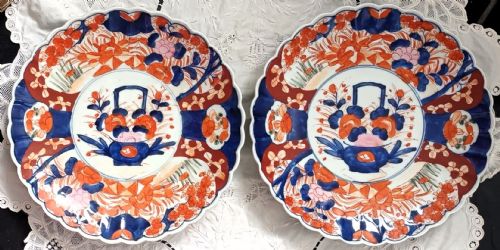
Oriental Decorative Ceramic Dish
When you search for an oriental decorative ceramic dish, you encounter painted porcelain, earthenware and chargers originating from Chinese and Japanese kilns.
Oriental Decorative Ceramic Dish
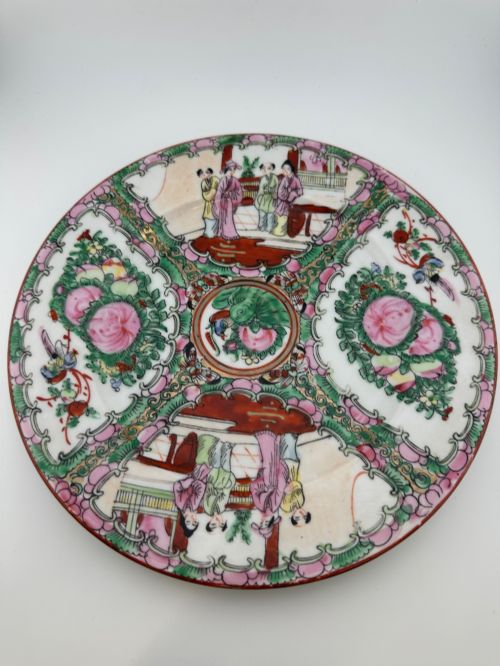
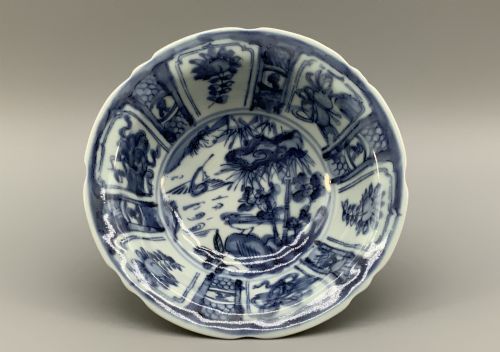
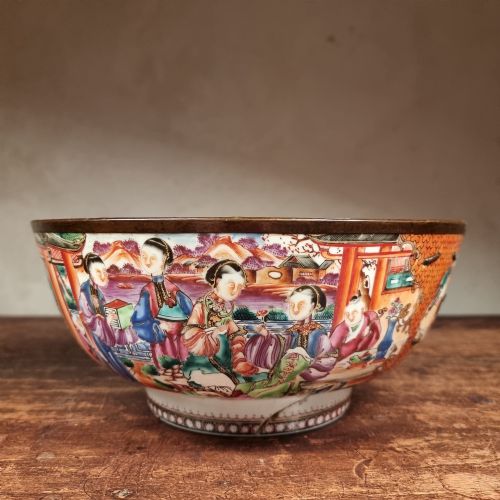
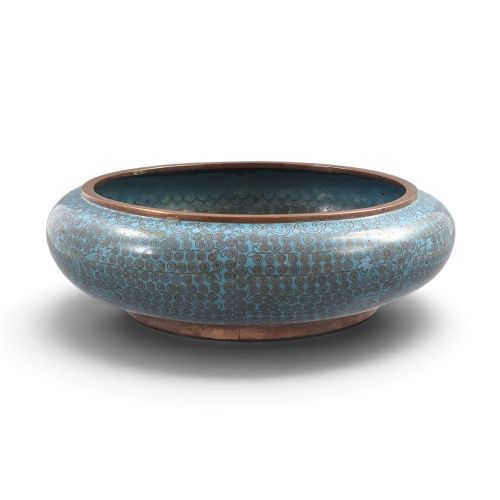
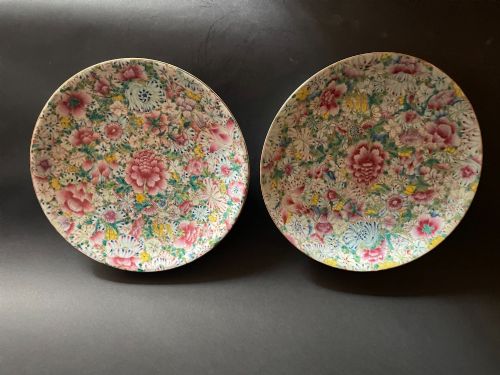
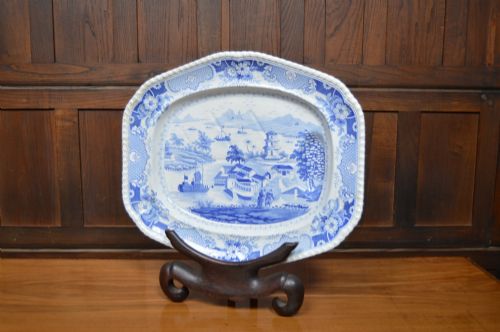
An oriental decorative ceramic dish encompasses forms such as plates, chargers, bowls and serving platters produced across several centuries. The selection contains many Japanese Imari and Satsuma pieces alongside Chinese blue and white porcelain and Canton wares.
Buyers frequently find late nineteenth century examples, including Meiji period chargers and plates with scalloped edges or lobed profiles. These items served primarily for display rather than utility in dining settings.
Assessing the pieces
Quality rests in the precision of the hand-painted brushwork and the vibrancy of the enamel and gold leaf application. Finer examples display crisp detail in complex motifs like the Seven Lucky Gods or dense floral arrangements.
The weight, symmetry of the ceramic body and refinement of scalloped or lobed edges distinguish standard decorative wares from exceptional studio and workshop productions.
The listings feature ceramics spanning from the 1700 Kangxi period through the Victorian era and into the early 20th century.
Koshida·Kozan·Toshozan
The Oriental Decorative Ceramic Dish Glossary
- Imari
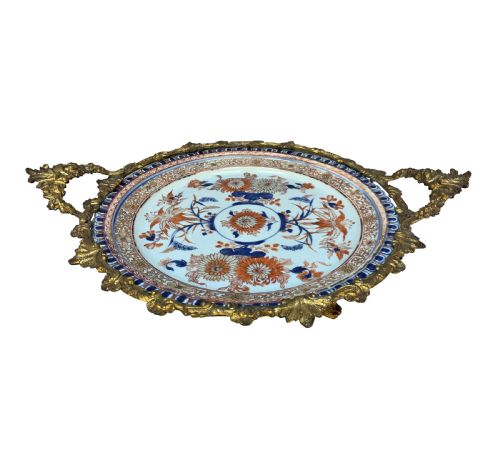
- A style of Japanese porcelain featuring a distinct palette of underglaze blue, iron red and gold on a white ground. These wares were heavily exported to Europe from the port of Imari.
- Satsuma
- A type of Japanese earthenware characterised by a pale, ivory-coloured crackle glaze, typically decorated with polychrome enamel and gilt. Such pieces frequently date to the Meiji period.
- Charger
- A large decorative plate intended for ceremonial display on a sideboard or wall rather than for serving food at the table.
- Canton
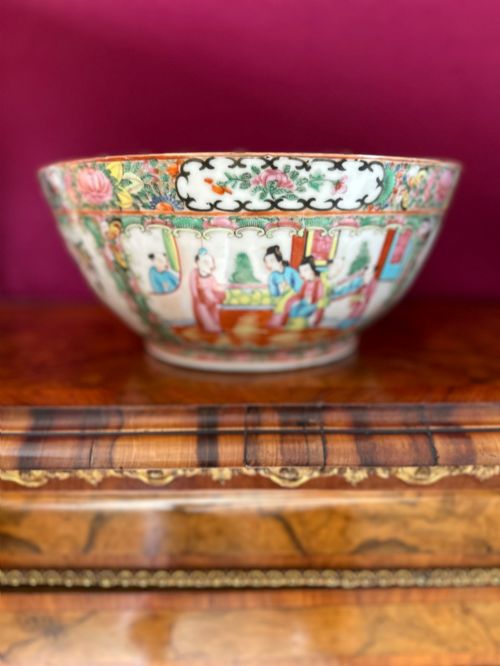
- A style of Chinese export porcelain decorated in vibrant enamels, often featuring green and pink floral panels populated with figures and birds.
- Kutani
- Japanese porcelain originating from the Kutani kilns, known for bold pictorial designs employing iron red, gold and other strong enamel colours.
Oriental Decorative Ceramic Dish: Frequently Asked Questions
How do I identify Satsuma ware?
Satsuma ware is recognised by its distinctive cream or ivory-coloured earthenware body covered in a fine network of crackled glaze. Artisans then applied intricate polychrome enamel designs and gold leaf over this surface.
These pieces often depict traditional figures, landscapes or dense floral motifs such as wisteria and peonies, particularly on items dating from the Meiji period.
What is the difference between Imari and blue and white?
While both use cobalt blue underglaze on porcelain, Imari wares incorporate additional colours including iron red and gold leaf. Blue and white pieces rely solely on the blue pigment against the white ceramic background.
Imari plates and chargers typically present a much busier, more colourful visual arrangement suited for prominent display.
Were these dishes meant for daily use?
Most of these large chargers, scalloped plates and deep bowls were created for decorative display rather than everyday dining. Their delicate enamels, gold leaf and gilt mounts meant they functioned as ornamental objects in scholar's rooms and parlours.
Displaying them securely on stands or walls preserves the painted surfaces from wear and tear.