


Oriental Cloisonne Metalwork
These oriental cloisonne metalwork pieces combine disciplined wirework and vibrant vitreous enamel, offering collectors tangible fragments of Meiji and Qing craftsmanship.
Oriental Cloisonne Metalwork
Oriental cloisonne metalwork encompasses intricate decorative vessels, chargers, censers, and scholar's objects originating from Japan and China across the nineteenth and early twentieth centuries.
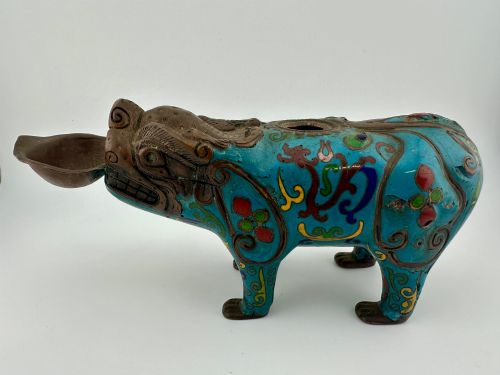
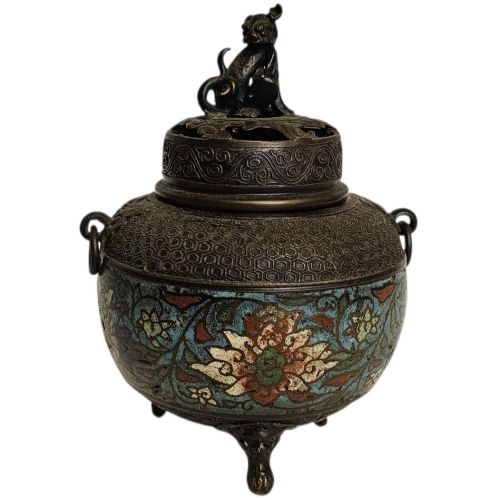
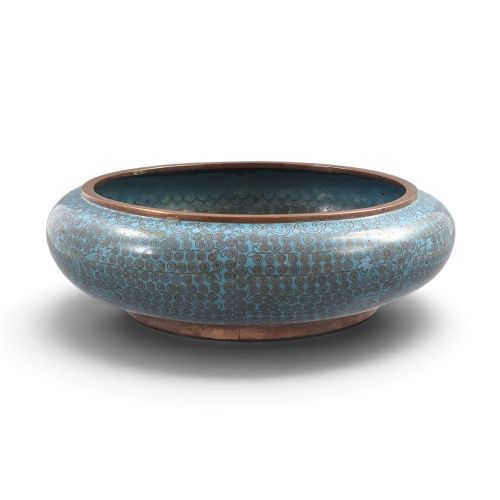
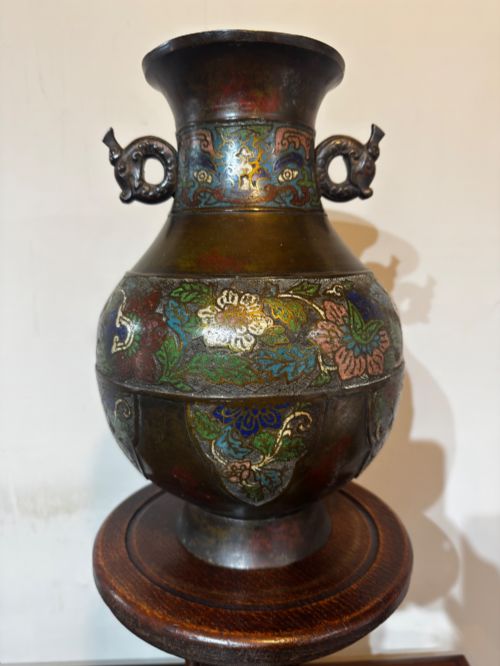
The objects span varied functional and ornamental forms, ranging from massive temple water dispensers and palace vases down to delicate lidded jars, brush washers, and square trays.
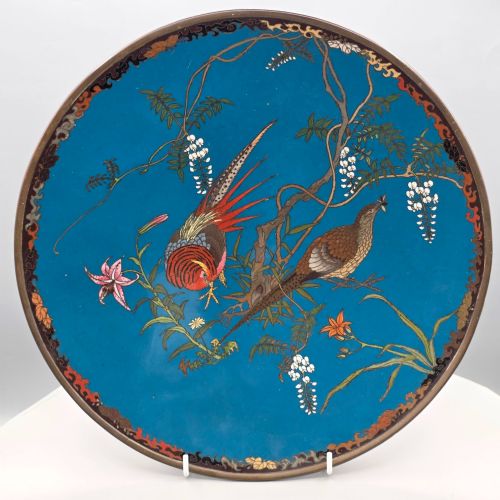
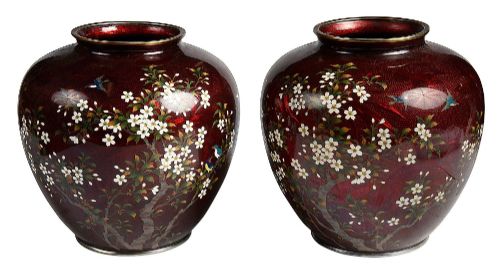
Japanese Meiji period production and Chinese Qing dynasty pieces dominate the selection, bringing birds, dragons, and floral motifs to life through meticulous enamel work.
Materials and Construction
Artisans formed the foundation of each piece using copper, brass, bronze, or silver as a base, shaping metal into vessels, bowls, and plates before applying detailed surface designs.
Thin brass or silver wires soldered onto the metal body created the raised cloisons, forming compartments that were subsequently filled with coloured enamel paste and fired.
Specialised techniques such as ginbari and basse-taille introduced translucent enamels over textured backgrounds, while gilt metal accents completed the finished decorative surface.
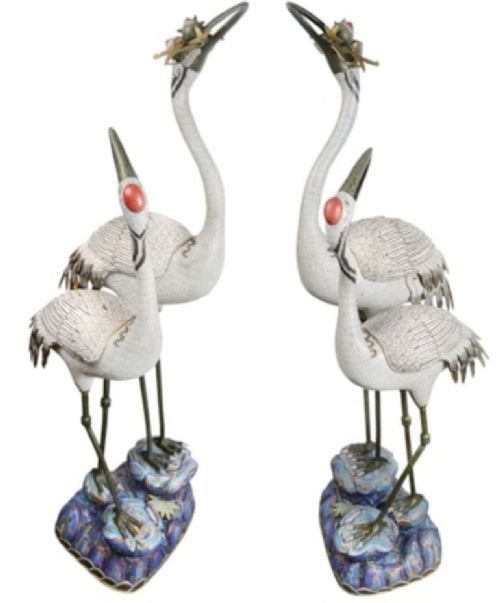
Several impressive models showcase stubborn owls, leaping koi, and imposing cranes sharing space with Mount Fuji.
Determinants of Quality
Precision and fineness of the wirework set superior examples apart, where thin, uniform lines form complex pictorial scenes without distortion or uneven solder joints.
The clarity and depth of the vitreous enamel dictate overall execution, distinguishing standard decorative pieces from signed masterworks featuring translucent layers and nuanced shading.
Scale and ambition also define the hierarchy, separating modest cabinet items from imposing palace vases, temple dispensers, and large chargers executed with exceptional technical control.
Ando Jubei·Kinkozan
The Oriental Cloisonne Metalwork Glossary
- Cloisonne
- A decorative metalwork technique where thin metal wires form raised cells that hold coloured enamel paste before firing. This method allows intricate patterns and pictorial designs to be rendered across metal surfaces.
- Ginbari
- A Japanese enamelling technique featuring a textured or patterned metal foil applied beneath translucent enamel. It creates a shimmering, reflective ground beneath the coloured surface.
- Censer
- A vessel designed for burning incense during rituals or scholar's pursuits. These metal pieces often take the form of mythical beasts or tripod bowls with lidded tops.
- Charger
- A large ornamental plate or dish intended for display rather than dining. They frequently showcase elaborate naturalistic scenes involving birds, dragons, or auspicious symbols.
- Basse-taille
- An enamelling method where the metal ground is carved or engraved in low relief beneath translucent enamel. Light passes through the coloured glaze to reveal the dimensional texture underneath.
Oriental Cloisonne Metalwork: Frequently Asked Questions
What is oriental cloisonne metalwork?
These items are decorative metal objects created by soldering fine wire partitions onto a copper, bronze, or brass body. The resulting cells are filled with vitreous enamel paste and fired to produce colourful, durable designs.
Originating primarily from Japanese Meiji workshops and Chinese Qing dynasties, the form includes vases, censers, and large display chargers depicting natural and mythological subjects.
How were these pieces used historically?
Many objects served functional roles in homes, temples, and imperial courts, such as censers for burning incense, brush washers for scholars, and water dispensers for ceremonial use.
Other forms, including large chargers, lidded jars, and palace vases, functioned purely as decorative displays of wealth, technical skill, and artistic status.
How do I distinguish Japanese from Chinese pieces?
Japanese Meiji period items often exhibit extremely fine silver or brass wirework with hyper-realistic depictions of birds, Mount Fuji, and koi, sometimes bearing signatures from renowned makers.
Chinese pieces from the Qing style tend to feature heavier bronze or brass foundations, bolder geometric borders, and stylised motifs like mythical beasts and imperial dragons.
How should I care for antique cloisonne?
Keep the pieces away from direct sunlight and areas prone to sudden temperature fluctuations, which can stress the bond between the metal base and the glass enamel.
Dust the surface gently with a soft, dry microfibre cloth and avoid using chemical cleaning products, water immersion, or abrasive polishes on the metal and wire.