



Meiji Period Decorative Arts
Meiji period decorative arts encompass diverse Japanese metalwork, ceramics and lacquer created during a transformative era of craftsmanship.
Meiji Period Decorative Arts
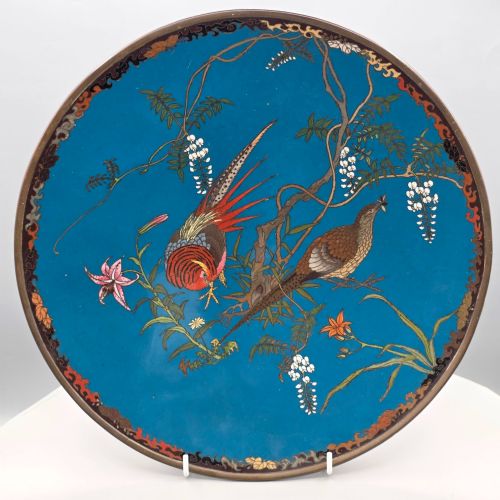
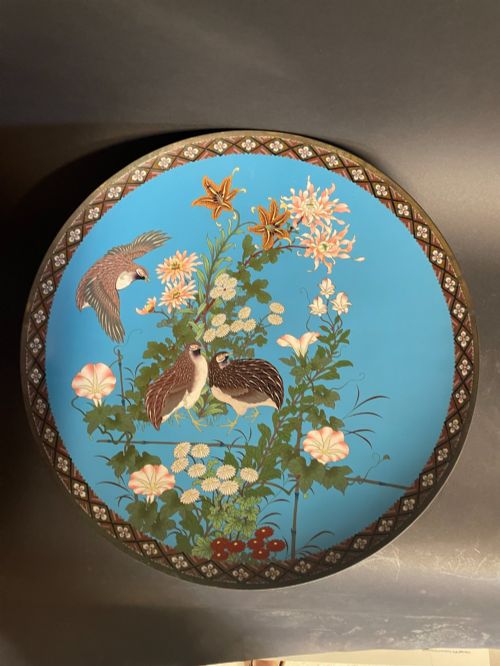
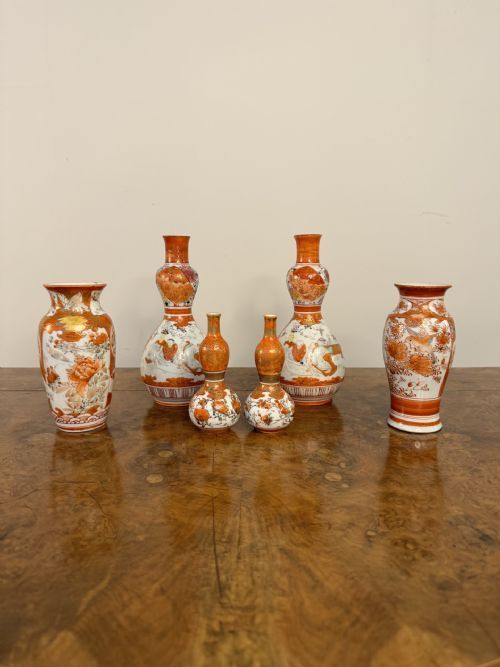
Meiji period decorative arts bring together intricate vessels, chargers, baskets and figurines originating from late nineteenth and early twentieth century Japan. When exploring this selection, a buyer encounters significant numbers of cloisonné enamel pieces alongside Satsuma earthenware and Imari porcelain.
The objects take diverse functional and decorative forms, ranging from massive bronze vases and shallow bowls to delicate lidded gourd pots and okimono. These works reflect the intense artistic output of Japanese workshops adapting traditional motifs for domestic and international collectors during the Meiji and Taisho eras.
Assessing Quality and Execution
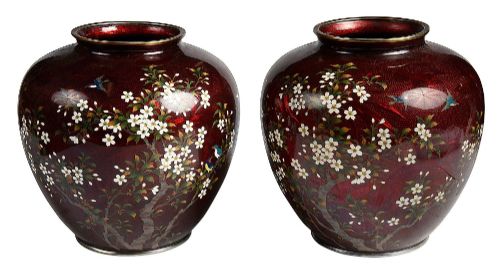
Quality in these works rests upon the precision of the execution, from the microscopic fineness of silver wire in cloisonné to the clarity of red ginbari enamel and basse-taille shading. Superior examples display disciplined control over complex pictorial subjects such as the Seven Lucky Gods or detailed avian and floral compositions.
The distinction between standard commercial output and masterwork production lies in the weight of the metal, the absence of pitting in enamels and the sophistication of artist signatures. Works carrying attribution to known makers or specialised Kyoto and Yokohama workshops command greater attention through their superior finish.
Carp swim across lacquer, enamel and Imari porcelain alike, reminding everyone that koi fish ruled Meiji households long before living in garden ponds.
Ando Jubei·Haruyama Shunzan·Kinkozan·Hododa Yokohama
The Meiji Period Decorative Arts Glossary
- Cloisonné
- A metalworking technique where flat wire is soldered to a base to form cells that hold coloured enamel paste. This method creates detailed pictorial designs across vases and chargers.
- Satsuma
- A type of Japanese earthenware with a pale, cracked ivory glaze that is typically decorated with polychrome enamels and gilt. These ceramic pieces often depict figures from folklore and mythology.
- Imari
- A style of Japanese porcelain featuring underglaze blue and overglaze iron red, green and gold decorations. Plates and vases in this tradition display dense geometric and natural motifs.
- Okimono
- A small Japanese decorative figurine designed for display in an alcove or on a shelf. These carvings take the form of carp, deities and subjects from traditional stories.
- Ginbari
- A textured foil background applied beneath translucent coloured enamel to produce a patterned depth effect. This technique appears prominently in advanced red enamel vases.
Meiji Period Decorative Arts: Frequently Asked Questions
What is Meiji period art?
Meiji period art refers to decorative objects produced in Japan between eighteen sixty-eight and nineteen twelve, a time of rapid modernization and exceptional craftsmanship.
During this era, Japanese workshops refined traditional techniques in metalwork, ceramics and lacquer to create intricate export pieces for global markets.
How do I identify Satsuma ware?
Satsuma ware is recognised by its characteristic ivory-coloured earthenware body covered in a fine network of transparent glaze cracks. The surfaces feature rich hand-painted polychrome designs enhanced with gold leaf.
These pieces often depict traditional deities, historical figures and dense floral patterns created in specialised regional workshops.
What is ginbari enamel?
Ginbari enamel involves embossing a textured metal foil onto the copper body of a vessel before applying translucent coloured enamel over the top. This creates a shimmering, patterned background visible beneath the smooth glass surface.
Master craftsmen utilised this complex technique to add depth to red enamel vases and bowls.
How should I display cloisonne plates?
Cloisonné plates and chargers are best displayed using sturdy wall brackets or dedicated stands that safely support their weight without obscuring the rim. Placing them away from direct sunlight helps preserve the rich tones of the enamel.
Because these pieces feature delicate wirework and glass pastes, gentle dusting with a soft cloth is sufficient for ongoing care.