



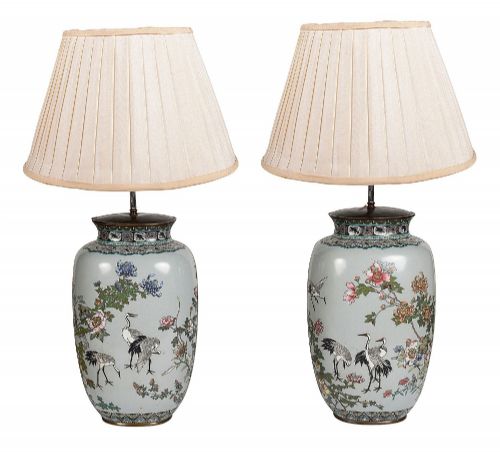


Meiji Cloisonne Vase
A meiji cloisonne vase brings together intricate metal wirework and glossy enamel to form enduring decorative vessels from late nineteenth and early twentieth century Japan.
Meiji Cloisonne Vase
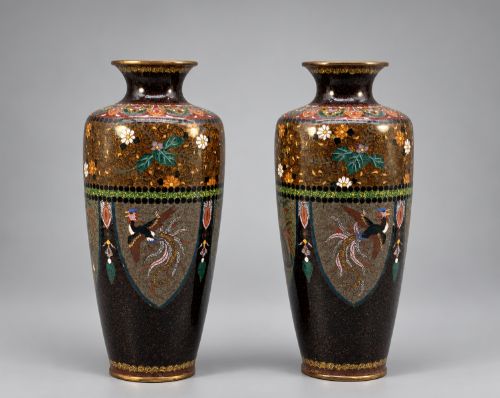
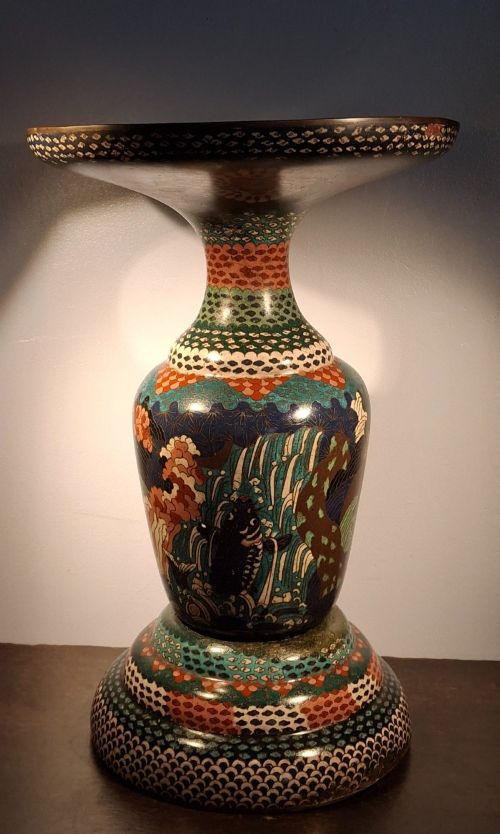
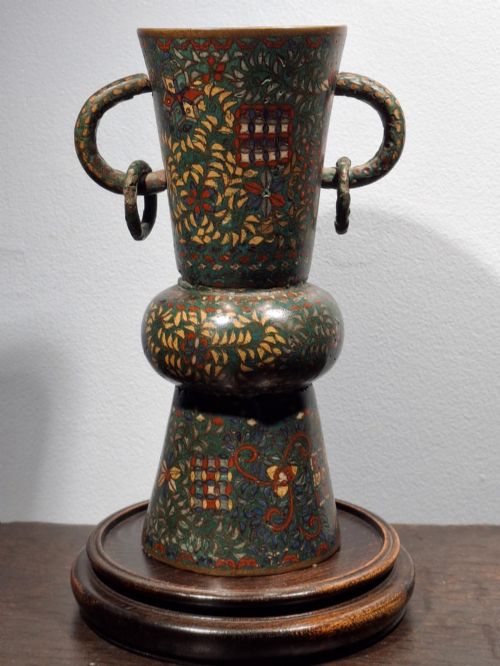
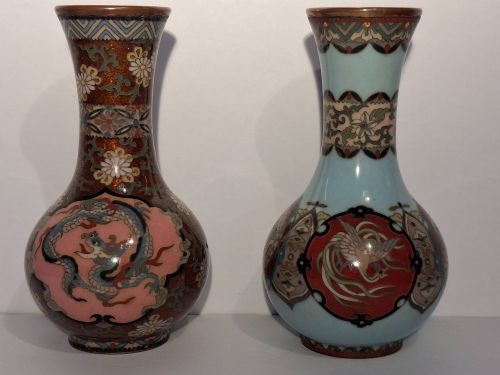
A meiji cloisonne vase is a decorative vessel produced in Japan during the late nineteenth and early twentieth centuries, encompassing the Meiji period and adjacent years. These pieces often take the form of baluster vases, ginger jars, and large urns adorned with floral or avian motifs. Buyers frequently encounter pairs alongside single vessels, with many examples originating from this prolific era of Japanese metalwork.
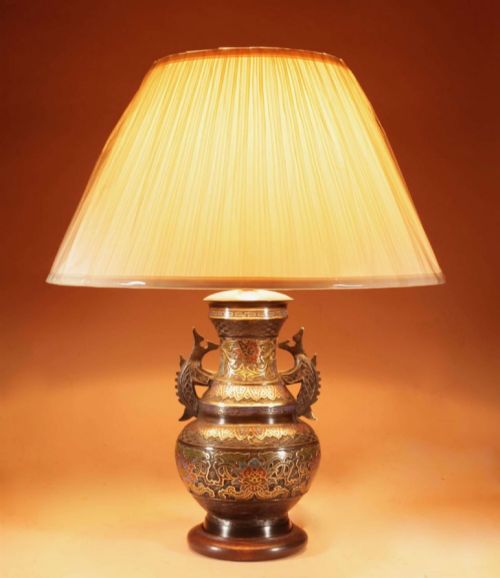
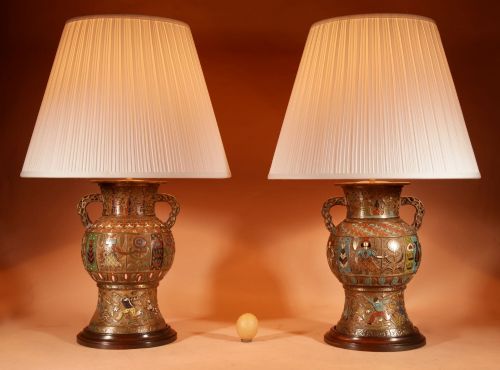
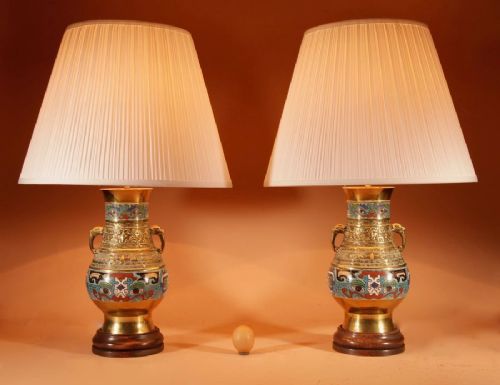
The aesthetic of a meiji cloisonne vase ranges from standard wire-inlaid floral compositions to specialised techniques like ginbari and champleve. While some bodies are fashioned from copper, others incorporate bronze or brass, occasionally appearing mounted as table lamps. The physical scale varies widely from miniature cabinet pieces to massive showroom vases measuring over seventy centimetres.
Materials and construction
Makers formed the foundational body of a meiji cloisonne vase using hammered copper, bronze, or brass, shaping them into traditional vessel forms. Thin metal wires of silver or brass were then bent and soldered onto the surface to outline the intended design cells. These wire boundaries created compartments that received coloured enamel pastes before firing in a kiln.
Advanced workshops utilised specialised techniques such as ginbari, applying embossed foil beneath translucent red or coloured enamels to achieve textured depth. Following successive firings, the exterior surface underwent meticulous grinding and polishing to create a smooth finish where the metal wires remained flush with the hardened enamel.
Meiji Cloisonne Vase Retail Price Guide 2026
Typical asking prices for meiji cloisonne vase among the pieces listed under this phrase on Sellingantiques today, from the lower quarter to the upper quarter. They describe what is for sale here now, not the wider market.
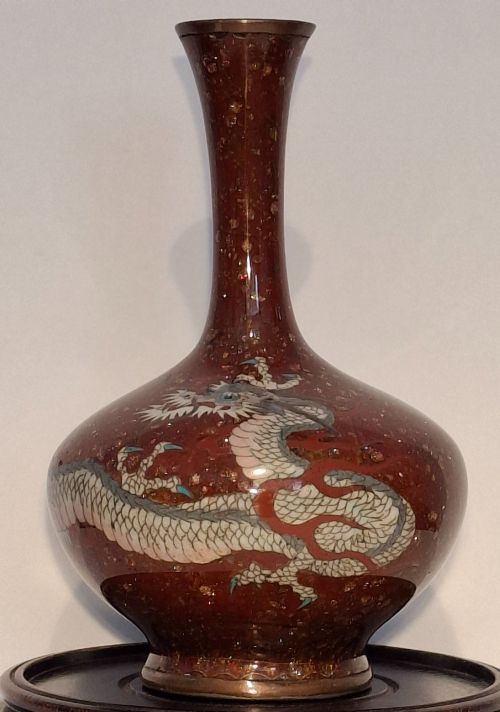
Some adventurous artisans depicted fierce dragons wrestling across textured tree bark enamel.
Markers of distinction
The finesse of the wirework largely determines the distinction in a meiji cloisonne vase, separating standard commercial production from masterwork output. Finer silver wires permit intricate pictorial detail, whereas thicker brass wires appear on coarser utilitarian items.
Surface finish and enamel clarity further separate examples, with superior pieces showing uniform colour application free from pitting or cloudiness. Signed works by prominent makers display an elevated precision in design execution and material selection.
Ando Jubei·Ota Toshiro
The Meiji Cloisonne Vase Glossary
- Cloisonne enamel
- A decorative metalwork technique where fine wires form partitioned cells that hold coloured glass pastes before kiln firing. These thin metal boundaries contain the vitreous enamel during the heating process.
- Ginbari
- A Japanese enamelling method featuring an embossed or textured foil backing beneath translucent enamel. This technique adds perceived depth and pattern beneath the coloured glass layer.
- Champleve
- A technique where troughs or cells are gouged directly into a thick metal surface rather than applying soldered surface wires. The excavated cavities are then filled with enamel paste and fired.
- Basse-Taille
- An enamel technique where the metal ground is carved or engraved in low relief beneath a translucent enamel glaze. This allows light to reflect through the coloured glass to highlight the underlying design.
- Baluster
- A traditional vase shape characterised by a rounded body that tapers toward the base and flares slightly at the neck. This silhouette frequently appears in antique Japanese vessels.
Meiji Cloisonne Vase: Frequently Asked Questions
What is a meiji cloisonne vase made of?
These vessels are constructed primarily from a metal base of copper, brass, or bronze, which provides rigid support for the applied enamel work. Fine silver or brass wires are soldered to this substrate to form the individual decorative cells.
The compartments are then filled with vitreous enamel pastes and subjected to high-temperature kiln firing. The finished surface is polished extensively to produce a smooth, lustrous exterior.
How can I identify a meiji cloisonne vase?
Identification relies on examining the period characteristics, such as the use of silver or gold wirework and specific floral or avian motifs. Many superior examples bear signature plaques or engraved marks on the base.
The weight of the bronze or copper body and the complexity of the internal wire compartments also help distinguish genuine late nineteenth century production from later copies.
Were these vases used for flowers?
While many were designed as functional vessels to hold water and botanicals, a significant portion served purely as decorative display items. Large ginger jars and towering urns functioned primarily as interior ornamentation in Western and Japanese drawing rooms.
Some surviving pieces show evidence of subsequent conversion into table lamps during the early twentieth century, altering their original utilitarian purpose.
How do I care for a meiji cloisonne vase?
Maintenance requires gentle dusting with a soft, dry cloth to prevent accumulation within the wire crevices. Avoid using abrasive cleaning agents or chemical solvents that could damage the polished enamel surface or discolour the exposed metal wires.
Keeping the vessel away from direct sunlight and extreme temperature fluctuations preserves the stability of the historical glass and metal components.