







Vintage Japanese Vessels
These vintage japanese vessels bring craftsmanship from the Meiji period and the early twentieth century into modern interiors.
Vintage Japanese Vessels
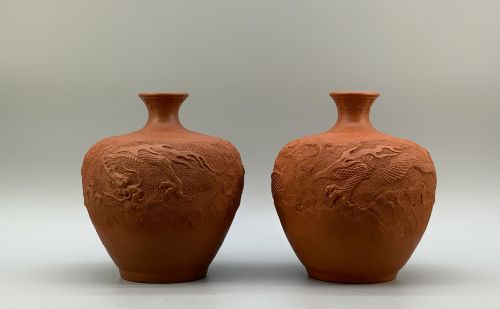
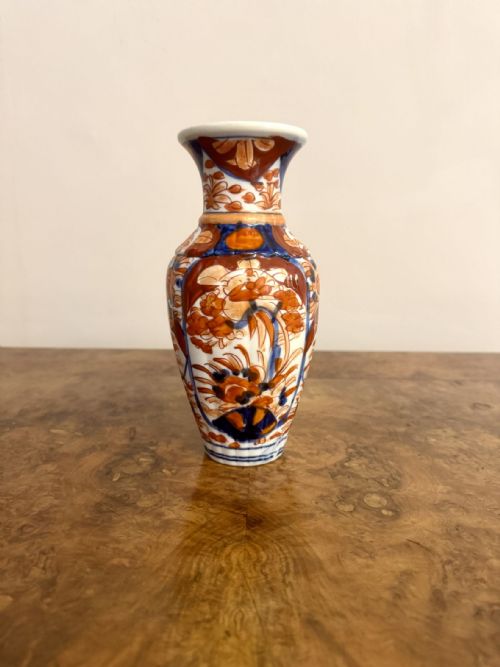
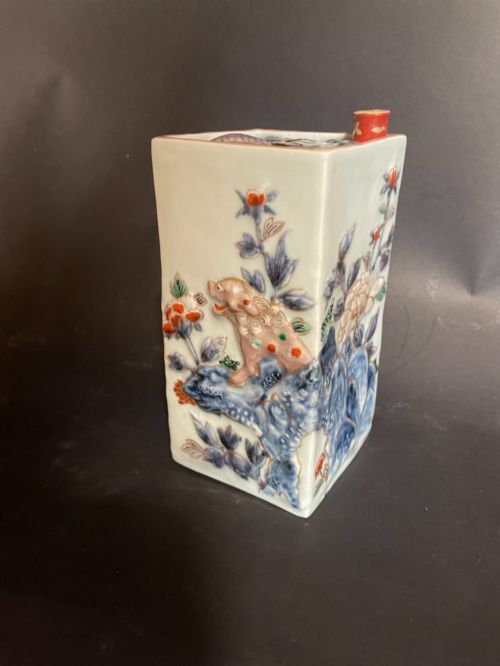
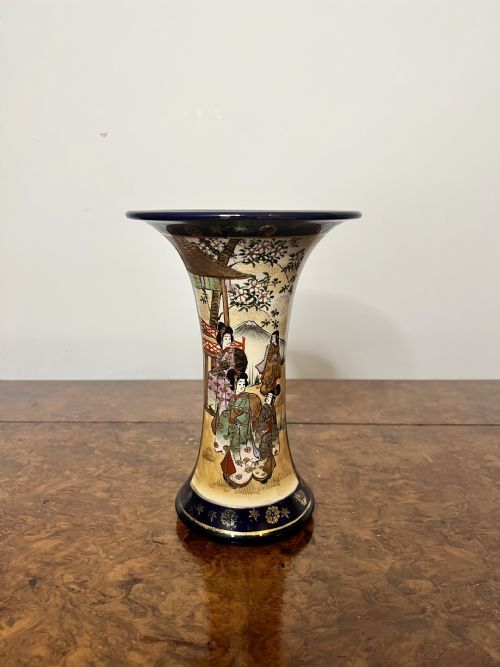
Vintage japanese vessels comprise vases, ginger jars, decorative bowls, and flower baskets originating from the nineteenth and early twentieth centuries. Pieces frequently stem from the Meiji period, alongside examples spanning the Edo, Taisho, and Showa periods. Forms range from monumental Imari porcelain display pieces to delicate Satsuma miniatures and bamboo flower arrangements.
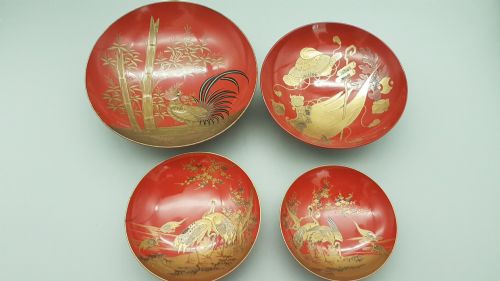
Buyers regularly encounter Kutani porcelain, bronze planters, and cloisonné enamel vessels across these listings. Traditional forms include tokuri flasks, tea jars, and lacquer sake cups created for domestic use or export. Each object reflects historical Japanese aesthetics translated through specific regional pottery and metalworking traditions.
How they were made
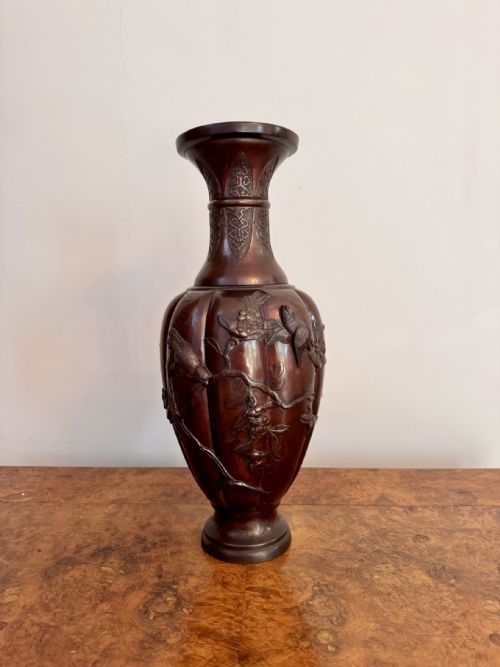
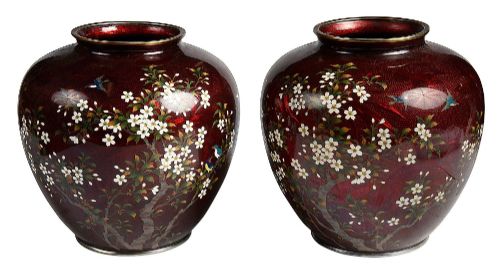
Makers shaped ceramics from clay and porcelain, finishing surfaces with hand-painted glazes, gold leaf, and enamel detailing. Bronze and copper vessels utilised lost-wax casting and intricate patination techniques, while cloisonné works incorporated fine metal wire cells filled with vitreous enamel pastes.
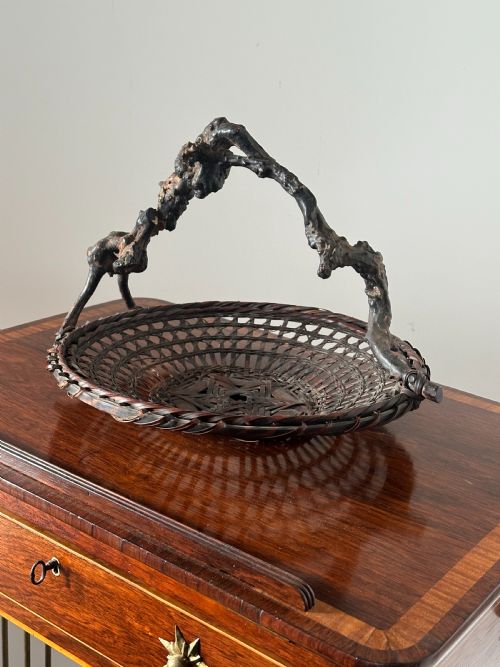
Organic items like flower baskets relied on split bamboo construction, paired with lacquer applications on wood and ceramics. Artisans combined overlapping disciplines, such as applying lacquer over porcelain or mounting bronze fittings onto enamel bodies.
Some vessels feature tiny applied figures clinging to the rims as if trying to peer over the edge.
What varies in quality
Quality rests upon the precision of hand-painted details, the clarity of cloisonné wirework, and the depth of bronze patination. Finer ceramic pieces display controlled kiln glazes and crisp figural processions painted with genuine gold leaf highlights.
The sophistication of the form and the clarity of maker signatures distinguish standard export wares from exceptional studio output. Structural integrity in woven bamboo or heavy cast bronze further separates masterwork vessels from simpler utility items.
Kōko·Tamura Yukio·Chosei·Kibundo·Hozan·Tokyo Taizan·Kinkozan
The Vintage Japanese Vessels Glossary
- Satsuma
- A type of earthenware pottery featuring a crackle-glazed ivory surface decorated with polychrome enamel and gilt figures. These wares gained prominence during the Meiji period for export markets.
- Imari
- A distinct style of Japanese porcelain featuring underglaze blue and overglaze iron red, green, and gold. Designs typically incorporate dense floral and brocade patterns.
- Cloisonné
- A metalwork technique where flat wires form raised barriers on a vessel body, creating cells that hold coloured enamel paste before firing and polishing. This method produces intricate pictorial surfaces.
- Ikebana
- The traditional Japanese art of flower arrangement, which inspired specialised vessels and baskets designed to hold stems securely. These containers prioritize balance and natural asymmetry.
- Kutani
- A style of Japanese porcelain noted for vibrant coloured overglazes, particularly rich greens, purples, and yellows. The tradition originates from Ishikawa prefecture.
Vintage Japanese Vessels: Frequently Asked Questions
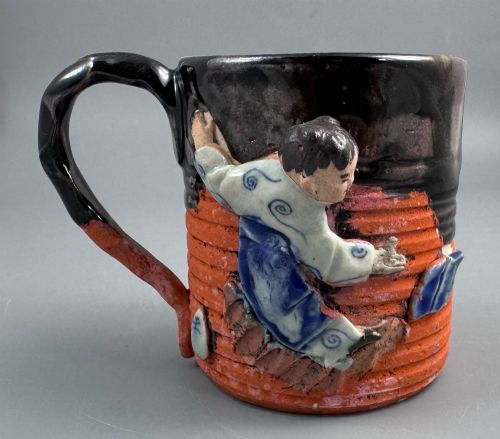
What is a Sumida Gawa mug?
Sumida Gawa wares are distinct ceramics produced in Tokyo featuring heavily dripped glazes and applied clay figures. Artisans sculpted characters directly onto the vessel walls before firing.
These pieces showcase a rustic, sculptural style that diverges from traditional refined porcelain painting. Collectors value them for their tactile surface texture and narrative detail.
How do I care for antique bronze?
Antique bronze vessels require gentle dusting with a dry, soft cloth to protect the original patinated surface. Avoid chemical cleaners and polishes that strip historical oxidation.
Keep these objects away from direct moisture and humid environments to prevent metal corrosion. Proper placement preserves the stability of the alloy and any inlaid enamel details.
What defines the Meiji period?
The Meiji period spans from eighteen sixty-eight to nineteen twelve, marking an era of rapid modernization and international trade in Japan. Craftsmen adapted traditional techniques to create intricate works tailored for Western collectors.
Items from this era often display exceptional technical mastery in porcelain, bronze, and cloisonné. This period represents a high point for decorative metalwork and detailed ceramic painting.
How are bamboo baskets used?
Bamboo flower baskets serve as containers for traditional Japanese flower arrangements and decorative display. Flexible plant fibres are woven into complex geometric or organic shapes.
In modern interiors, these baskets function as sculptural standalone objects or natural plant holders. Their preservation depends on maintaining stable indoor humidity to prevent drying out.