



Japanese Enamel Jars
These japanese enamel jars bring vibrant colour and intricate metalwork into a room, offering a tangible piece of historic craftsmanship.
Japanese Enamel Jars
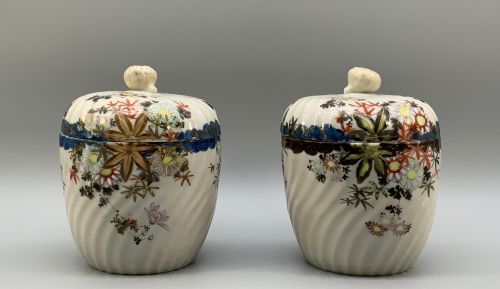
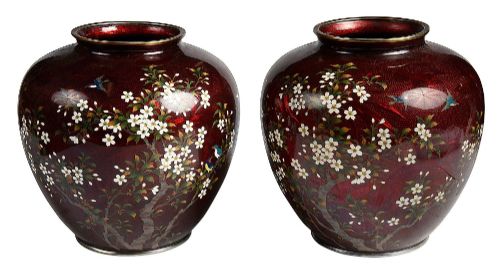
When searching for japanese enamel jars, collectors typically encounter lidded vessels and ginger jars originating from the nineteenth and early twentieth centuries. These pieces span traditional ceramic forms decorated with hand-painted enamels and intricate metalwork creations from the Meiji period.
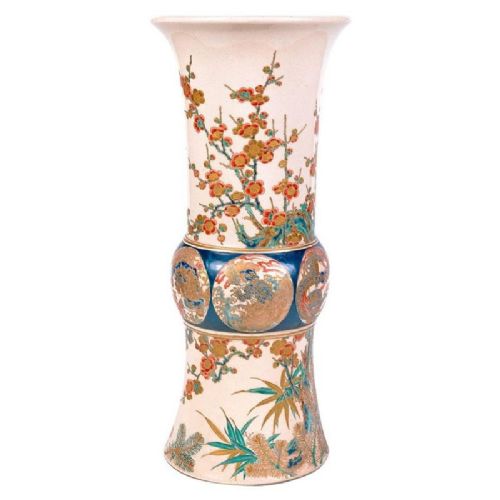
The selection here encompasses lidded pots, ginger jars, and decorative vessels utilising various enamel techniques upon copper, porcelain, and earthenware bases. Buyers frequently find matching pairs and individual lidded pieces displaying floral motifs, birds, and dragons.
Originating largely from the nineteenth century alongside later twentieth-century studio works, these objects reflect distinct historical periods including the Meiji and Edo eras. Each vessel demonstrates the diverse manufacturing traditions found across Japanese decorative arts.
How they were made
Maker's workshops built these vessels upon solid foundations of copper, porcelain, or earthenware, shaping the base body before applying surface decoration. Metal vessels frequently received fine silver or copper wire partitions to separate the coloured enamel pastes.
Craftsmen fused powdered glass enamels to the metal or ceramic substrates through repeated kiln firings, achieving smooth, luminous surfaces. Artisans incorporated gold leaf, silver foil, and specialised translucent enamel layers like ginbari to create depth and texture.
Listings feature vessels from the nineteenth and twentieth centuries, incorporating materials such as copper, porcelain, earthenware, silver foil, and gold leaf.
What varies in quality
The refinement of the wirework and the precision of the enamel fill distinguish finer examples from standard production pieces. Superior items display microscopic wire cells and flawless glazing without pitting or surface distortion.
Artistic execution and the complexity of the design dictate the standing of a piece within the field. Signed works from established makers demonstrate a level of sculptural control and pictorial balance that elevates the object.
Ando Jubei·Makuzu Kozan II·Shizan
The Japanese Enamel Jars Glossary
- Cloisonne
- A decorative technique where metal wires are soldered to a base to form compartments filled with enamel paste. These compartments are then fired and polished flat.
- Ginbari
- A method of applying textured metal foil beneath translucent enamel to create a patterned background effect. This technique adds notable visual depth to the surface.
- Totai Shippo
- Wire-free cloisonne where the enamel design is applied directly to a porcelain or earthenware body rather than a metal base. The core body is often partially etched away.
- Koro
- A traditional Japanese incense burner typically featuring a pierced lid for releasing fragrance. These vessels frequently stand upon small feet.
- Basse-Taille
- An enamelling method where the metal ground is carved or engraved beneath a translucent enamel layer. This allows light to reflect through the coloured glass.
Japanese Enamel Jars: Frequently Asked Questions
How are these jars cleaned?
Dust these vessels gently with a soft, dry cloth to protect the delicate enamel and metal surfaces. Avoid using commercial cleaners, water, or abrasive materials that could scratch or damage the antique finish.
Keep the pieces away from direct sunlight and areas with high humidity to prevent thermal shock or degradation of the historic materials over time.
Were all jars used for incense?
Only specific vessel forms, known as koro or censers, served primarily for burning incense during traditional ceremonies or gatherings. These particular pieces are easily identified by their pierced lids designed to release smoke.
Other lidded jars and ginger pots functioned mainly as decorative containers or for storing dry goods, medicines, and spices rather than holding burning materials.
How do I spot Meiji period pieces?
Meiji period items often display exceptionally meticulous wirework, complex cloisonne techniques, or signature plaques on the base. These objects reflect a surge in technical experimentation following the opening of international trade.
Examining the weight, the type of metal base, and the style of the decorative motifs helps distinguish nineteenth-century production from later revivals.
Can I display flowers in them?
Placing water and fresh stems directly inside antique enamel or ceramic jars is generally discouraged due to the risk of moisture seeping into historic materials. Porous earthenware and older metal seams can suffer irreversible damage from prolonged liquid exposure.
If you wish to display botanicals, insert a small, separate glass vial inside the vessel to hold the water safely away from the antique walls.