


Japanese Enamel Display Dishes
Japanese enamel display dishes are decorative chargers, plates, and trays from the Meiji and Edo periods that showcase intricate metalwork and vibrant glazing.
Japanese Enamel Display Dishes
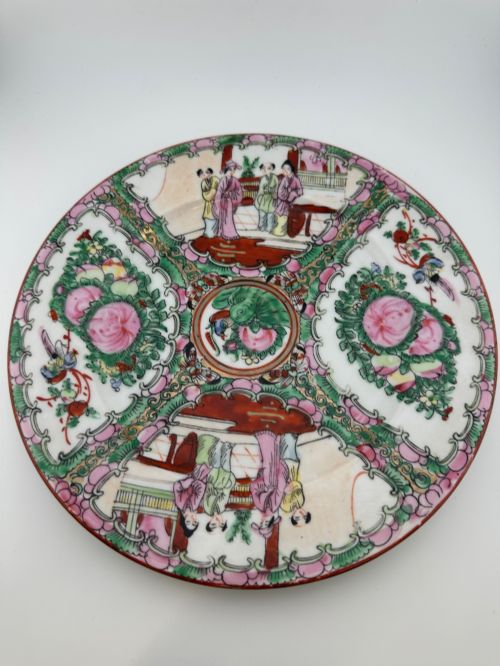
When you search for Japanese enamel display dishes, you encounter large chargers, shallow bowls, and decorative plates created during the 19th and early 20th centuries. These forms originate primarily from the Meiji period, alongside earlier Edo period examples.
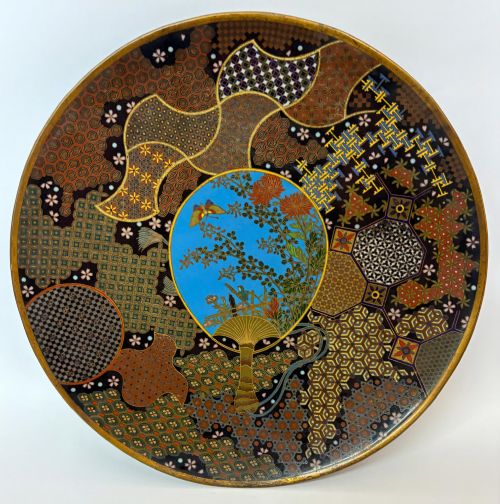
The most common items on this page are cloisonne enamel chargers and plates depicting natural subjects like birds, dragons, koi, and botanical motifs. Pieces frequently measure from moderate sizes up to substantial chargers spanning fifty centimetres.
Makers utilised porcelain and earthenware alongside metal bases such as copper and brass to form trays and display dishes. Signed works appear regularly, indicating the output of notable Meiji period workshops and artists.
Materials and construction
Craftsmen built cloisonne enamel display dishes by soldering thin flat metal wires onto copper or brass bases to form intricate cellular compartments. These individual cells were then filled with coloured enamel paste before being fired in a kiln and polished to a smooth finish.
Alternative techniques involved applying enamels directly onto porcelain or earthenware bodies, occasionally incorporating gold leaf and hand-painted details. Certain plates utilised totai shippo methods, featuring porcelain bases covered in cloisonne designs resembling tree bark.
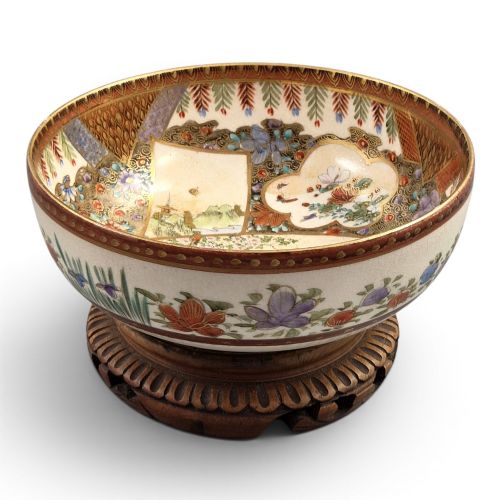
Listings feature copper and brass metalwork alongside traditional Kutani, Satsuma, and Imari ceramics dating from the 1700s through the early 20th century.
Factors influencing quality
Quality in Japanese enamel display dishes depends heavily on the precision of the wirework and the complexity of the pictorial design. Finer specimens display exceptionally thin, uniform wire cells combined with subtle colour gradations and clear depictions of subjects like dragons or koi.
The presence of an artist signature or studio mark often elevates a piece, reflecting the higher skill level applied during the Meiji period. Larger chargers featuring flawless multi-coloured enamel fields represent superior technical achievement compared to smaller or simpler plates.
Kozan·Shuzan·Yasuda·Meizan·Shozo
The Japanese Enamel Display Dishes Glossary
- Cloisonne Enamel
- A metalwork technique where thin wires are soldered to a base to create compartments filled with vitreous enamel paste. This method defines the majority of decorative chargers found in these listings.
- Charger
- A large ornamental plate or dish intended primarily for display rather than dining use. These pieces often feature elaborate pictorial scenes across a wide central surface.
- Meiji Period
- The era of Japanese history spanning from 1868 to 1912, noted for a massive output of high-quality decorative arts exported internationally. Much of the metalwork and porcelain on this page originates from this time.
- Edo Period
- The period preceding the Meiji era, lasting from 1603 to 1867. Early enamel works and chargers on this page date back to these earlier decades.
- Totai Shippo
- A specialised technique where enamel is applied over a porcelain or earthenware body rather than a metal base. This unusual method produces unique textured plates resembling tree bark.
- Imari
- A style of Japanese porcelain exported widely, characterised by underglaze blue and iron red decoration with additional gold highlights. Several bowls and plates in these listings reflect this traditional aesthetic.
Japanese Enamel Display Dishes: Frequently Asked Questions
What are Japanese enamel display dishes?
These items are decorative metal, porcelain, or earthenware plates and chargers created in Japan primarily during the 19th century. They feature colourful enamel designs depicting animals, birds, and traditional motifs.
Craftsmen designed them explicitly for display on walls or stands rather than for practical table use. Their intricate surface patterns reflect the peak of Meiji period decorative arts.
How do I display these chargers safely?
Large chargers and heavy plates require sturdy wall brackets or specialised display stands designed to support substantial weight safely. Ensure the mounting hardware securely grips the rim without applying excessive pressure to the enamel surface.
Keep pieces away from direct sunlight to preserve the vibrant colours of the copper-backed or porcelain enamels over time. Stable indoor environments prevent any stress on the underlying metal or ceramic bases.
How do I distinguish Edo from Meiji pieces?
Edo period enamel items often date prior to 1868 and tend to show earlier colour palettes and heavier metal foundations. They represent the rarer, earlier developments of Japanese metalwork before large-scale commercial export.
Meiji period pieces, produced after 1868, frequently exhibit extreme technical precision in wirework and more dynamic pictorial subjects like leaping koi and dragons. Many Meiji works also bear distinct artist signatures or studio marks on the reverse or base.
What subjects appear on these plates?
Common motifs include mythical creatures such as dragons and ho-o birds, alongside natural subjects like koi, owls, and chrysanthemums. These themes carry traditional auspicious meanings in Japanese art.
Other designs incorporate human figures, samurai, or landscape elements such as Mount Fuji. Each subject was rendered with careful attention to natural detail and symbolic composition.