






Blue Enamel Wall Plate
These pieces known as a blue enamel wall plate bring vibrant colour and intricate metallic structure to an interior.
Blue Enamel Wall Plate
When a buyer searches for a blue enamel wall plate, they encounter substantial decorative chargers, dishes and plaques originating from various periods including the nineteenth and eighteenth centuries. The items gathered under this description span different regional traditions, most notably Japanese production from the Meiji and late Edo periods alongside English porcelain and ironstone.
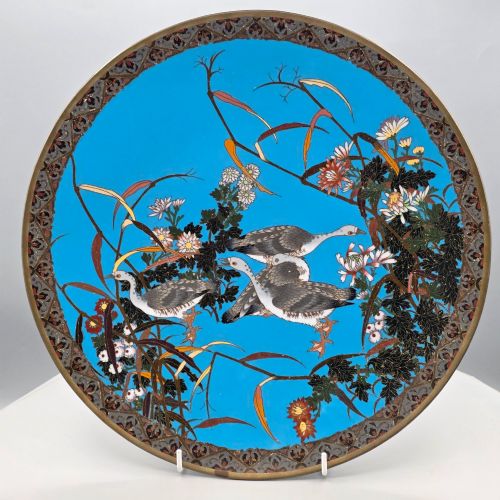
The dominant forms on this page are large decorative chargers and plates designed specifically for display on walls or surfaces. Subjects depicted across the surfaces range from natural motifs such as birds, fish and flowers to mythical figures like dragons and samurai.
Origins stretch from Japanese workshops operating in the nineteenth century to Georgian and Qing dynasty examples. Buyers meet works executed in cloisonne enamel alongside soft-paste porcelain and ironstone ceramics.
How they were made
Makers utilised copper or brass bases for metalwork pieces, applying thin flat wire known as brass wire to form cellular compartments across the design. These metal partitions were then filled with coloured enamel pastes before undergoing multiple firings and ground polishings to achieve a smooth finish.
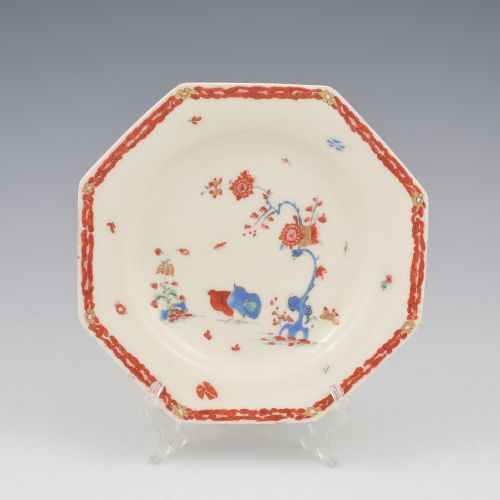
Ceramic equivalents relied on soft-paste porcelain or ironstone bodies painted with cobalt pigments and enamel colours, often following specific historical patterns like Kakiemon or Imari designs. Both metallic and ceramic methods required precise temperature control during kiln work to stabilise the vitreous coatings.
Blue Enamel Wall Plate Retail Price Guide 2026
Typical asking prices for blue enamel wall plate among the pieces listed under this phrase on Sellingantiques today, from the lower quarter to the upper quarter. They describe what is for sale here now, not the wider market.
A solitary frog occasionally shares a chrysanthemums-strewn surface with butterflies and leaping koi.
What varies in quality
The degree of refinement in wirework and the depth of the palette dictate the distinction between ordinary and superior metal pieces. Finer cloisonne displays microscopic cell work and complex pictorial shading without surface pitting.
Ceramic items depend upon the clarity of the underglaze blue and the crispness of the hand-painted enamel details applied over the glaze. Greater complexity in the imagery and scale of the charger elevates the standard of the piece.
The Blue Enamel Wall Plate Glossary
- Cloisonne Enamel
- A metalwork technique where fine wire creates raised compartments filled with coloured vitreous paste. These cells are fired and polished flat to produce a decorative pictorial surface.
- Charger
- A large decorative plate intended for display on a sideboard or wall rather than for dining use. These items measure significantly wider than standard dinner plates.
- Meiji Period
- A distinct era of Japanese history spanning the late nineteenth and early twentieth centuries noted for technical mastery in metalwork and ceramics. Pieces from this time often bear intricate natural or mythical motifs.
- Soft-paste Porcelain
- A ceramic composition containing glass frit or white clay fired at lower temperatures than hard-paste porcelain. This body type appeared in eighteenth-century English factories like Bow.
- Imari
- A style of Japanese export ceramics characterised by a palette of underglaze blue, iron red and gold. These patterns gained widespread popularity in European domestic interiors.
Blue Enamel Wall Plate: Frequently Asked Questions
How do I hang a heavy charger?
Large wall plates require robust adjustable spring hangers or custom metal brackets designed to distribute weight evenly across the rim. Securing the fixture directly into wall studs ensures stable mounting.
Avoid relying on simple adhesive discs or light picture wire for metal or ceramic pieces exceeding standard weight limits.
What is the difference between cloisonne and porcelain?
Cloisonne involves vitreous enamel fused within metal wire cells applied to a copper or brass foundation. Porcelain relies on fired ceramic clay bodies decorated with mineral pigments.
Both categories achieve blue colouration through metallic oxides but differ entirely in substrate and manufacturing technique.
How should I clean these wall plates?
Dust metal enamel surfaces gently with a soft dry brush to prevent accumulation within the wire channels. Avoid liquid cleaners or chemical polishes that might damage the vitreous glaze.
Porcelain and ironstone can tolerate a very lightly damp microfiber cloth if stubborn dust settles on the glaze.
Where were these decorative plates made?
The physical evidence on this page points primarily towards Japanese workshops active during the nineteenth century alongside English factories producing eighteenth and nineteenth-century ceramics.
Geographical origin determines the underlying material structure, separating metal cloisonne vessels from ironstone and soft-paste ceramic wares.