










Oriental Ceramic Platter
An oriental ceramic platter brings centuries of precise firing, hand painting, and trade history straight to your table or wall.

Oriental Ceramic Platter
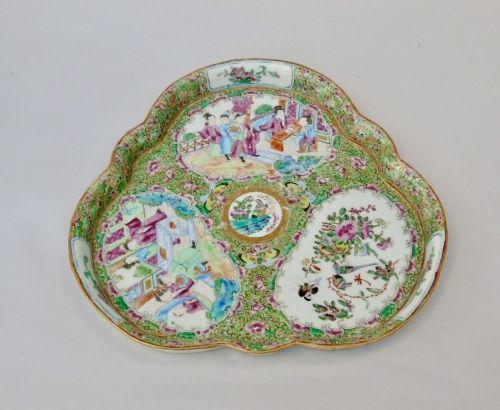
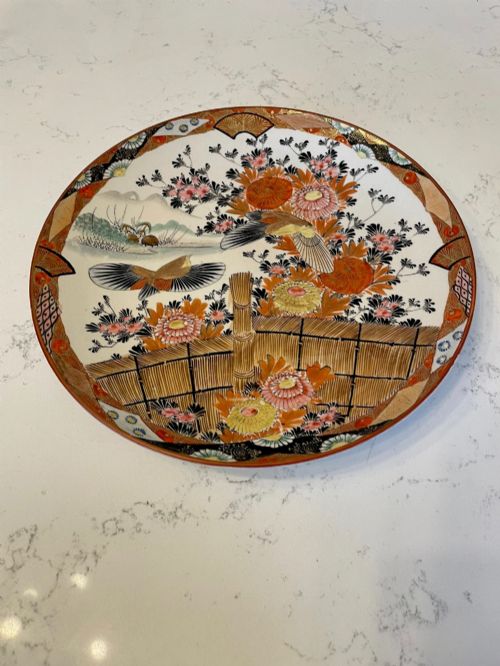
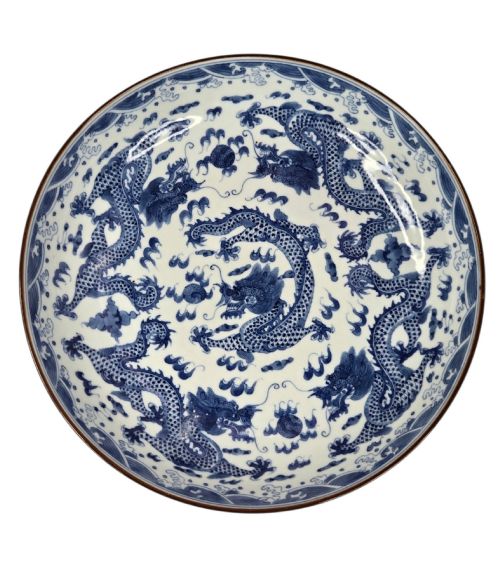
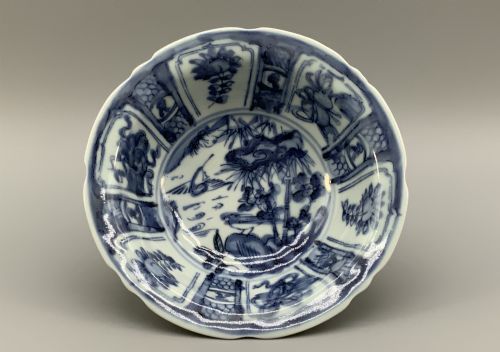
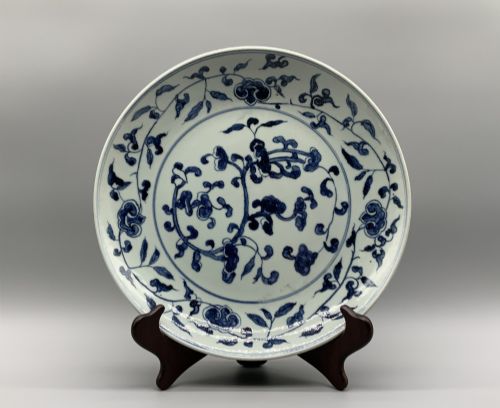
When you search for an oriental ceramic platter, you encounter substantial serving dishes and decorative chargers originating from East Asian kilns and adapted for Western interiors. The selection spans robust Japanese Imari chargers from the Meiji era, intricate Chinese blue and white porcelain from the Qing and Kangxi periods, and early English transferware interpretations.
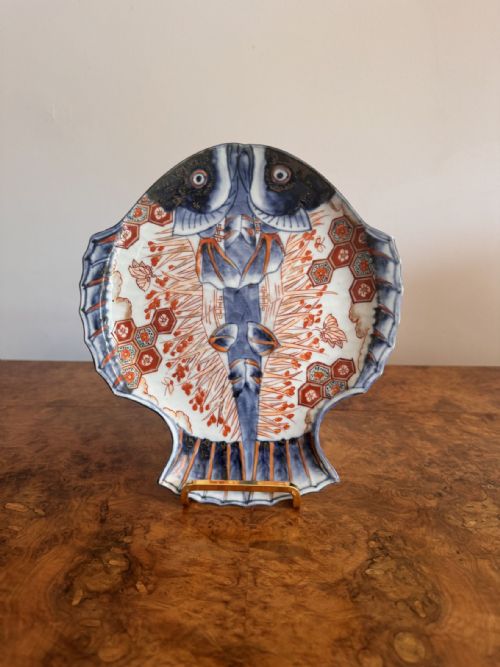
The forms range from wide circular chargers and lobed bowls to square plates and fish-shaped dishes designed for display or service. These items bridge utilitarian dining ware and high decorative art, reflecting centuries of skilled potting traditions.
Most examples hail from the nineteenth and early twentieth centuries, alongside select eighteenth-century pieces bearing characteristic underglaze cobalt or vibrant enamel palettes. Each piece offers a tangible link to historical export routes and traditional kiln techniques.
How these ceramics were shaped and fired
Potters utilised fine porcelain and earthenware bodies, shaping them by hand or wheel before applying mineral pigments. Cobalt underglaze was painted directly onto the clay body prior to the primary glaze firing, ensuring durability under a glassy surface.
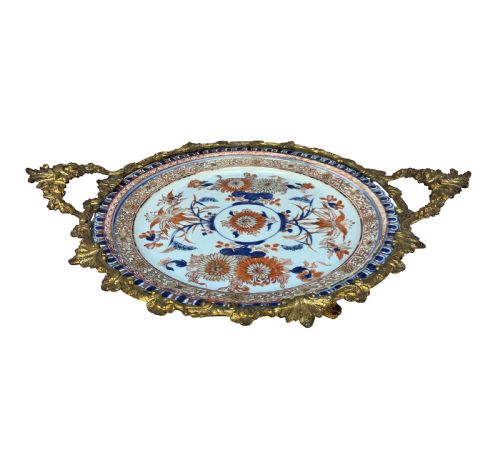
Enamels, gilding, and gold leaf were often applied in subsequent low-temperature decorators' firings to achieve rich palettes such as those seen on Imari and Satsuma wares. Ormolu mounts were occasionally added in Europe to elevate imported dishes into luxurious furnishings.
Oriental Ceramic Platter Retail Price Guide 2026
Typical asking prices for oriental ceramic platter among the pieces listed under this phrase on Sellingantiques today, from the lower quarter to the upper quarter. They describe what is for sale here now, not the wider market.
Watch for the crafty ceramic fish leaping out of standard plate geometry to surprise diners.
What distinguishes the finest examples
Quality rests in the crispness of the hand-painted brushwork, the depth of the cobalt underglaze, and the precision of the form. Superior Japanese and Chinese chargers exhibit balanced compositions and carefully rendered motifs without blurring or kiln distortion.
The density and purity of the porcelain body, combined with the intricacy of gilt or enamel detailing, separate standard utility wares from exhibition pieces. Original mounts and intact gilding further elevate the standing of an individual platter.
John Rogers and Son
The Oriental Ceramic Platter Glossary
- Imari
- A traditional Japanese style of porcelain featuring a tripartite palette of underglaze blue, iron red, and gilt highlights. These pieces were heavily exported to Europe during the Edo and Meiji periods.
- Charger
- A large decorative plate or platter traditionally used for ceremonial service or displayed upright on sideboards. They measure significantly wider than standard dining plates.
- Underglaze cobalt
- A blue pigment applied to the unfused ceramic body beneath a transparent glaze. This technique protects the pigment from wear during daily use.
- Famille verte
- A Chinese ceramic palette dominated by green enamel overglaze colours, developed during the Qing dynasty. It often depicts court scenes, flora, and fauna.
- Kutani
- A distinct style of Japanese coloured porcelain known for bold pictorial designs and extensive use of gold leaf. Production flourished particularly through the Meiji era.
Oriental Ceramic Platter: Frequently Asked Questions
How are oriental ceramic platters best displayed?
Large chargers and platters look striking mounted on walls using secure bracket hangers or displayed upright on sturdy plate stands. Their broad surfaces showcase intricate hand-painted narratives and floral compositions effectively when elevated at eye level.
Ensure display locations avoid direct, harsh sunlight to protect delicate overglaze enamels and gold leaf highlights over decades of enjoyment.
Were these platters used for dining?
Many large chargers served ceremonial or decorative functions on sideboards rather than heavy daily dining. However, smaller dishes and specific serving platters saw active use at table during feasts and formal meals.
Examine the foot ring for wear to find clues about whether a specific piece spent its history in a cabinet or actively serving food.
How do I distinguish Meiji period wares?
Meiji period Japanese ceramics, spanning from 1868 to 1912, frequently feature dense, highly detailed decoration such as Satsuma moriage or complex Imari patterns. Production during this era catered heavily to the Western export market, combining traditional motifs with ambitious scale.
Looking closely at the glaze consistency and stylistic markers helps separate these late nineteenth-century pieces from earlier Edo or eighteenth-century examples.
What is the difference between Chinese export and domestic wares?
Export ceramics were specifically styled and shipped to satisfy European and American tastes, often incorporating Western heraldry or familiar floral layouts alongside traditional motifs. Domestic wares adhered strictly to indigenous aesthetic traditions and local ritual requirements.
Both categories demonstrate exceptional potting skill, but export pieces tell a fascinating story of global maritime trade and cultural exchange.