

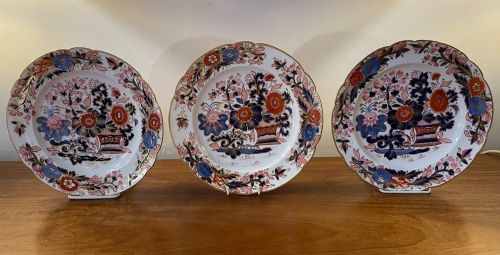
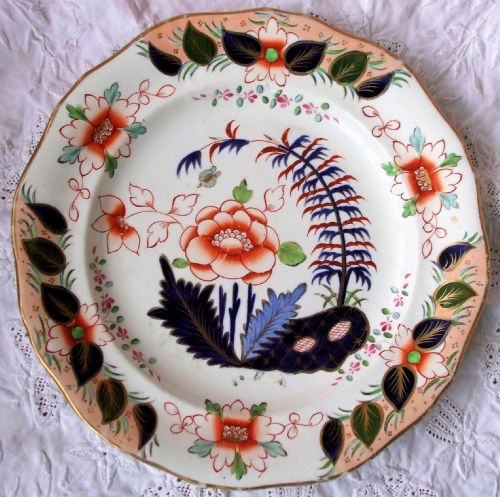


Floral Imari Cabinet Plate
These floral imari cabinet plate examples bring rich iron-red and cobalt blue palettes to a room, offering striking decorative display value.
Floral Imari Cabinet Plate
A floral imari cabinet plate brings together traditional East Asian and European decorative traditions, spanning periods from the Georgian era through to the early twentieth century. Buyers seeking a floral imari cabinet plate will frequently encounter Japanese examples from around nineteen hundred alongside English ironstone and earthenware interpretations.
The forms range from standard circular decorative plates to hexagonal and scalloped shaped edge variations designed specifically for display. These pieces appear across various eras including nineteenth century productions and early twentieth century Japanese wares.
How they were made
Potters shaped ceramic, porcelain, stoneware, and ironstone bases before applying detailed underglaze blue and overglaze enamel painting. Many pieces incorporate gold leaf and rich gilding to highlight the intricate surface patterns.
Firing techniques fixed the characteristic iron-red and cobalt colours onto the glaze, creating durable surfaces that retained their vibrancy across centuries.
Floral Imari Cabinet Plate Retail Price Guide 2026
Typical asking prices for floral imari cabinet plate among the pieces listed under this phrase on Sellingantiques today, from the lower quarter to the upper quarter. They describe what is for sale here now, not the wider market.
Several plates feature scalloped edges designed specifically to catch the light and show off the iron-red and gold patterns.
What varies in quality
The distinction between standard and superior pieces rests upon the crispness of the hand-painted enamel work and the precision of the gilding. Better examples display balanced composition and rich, saturated pigments within the floral motifs.
Form also dictates standing, with hexagonal and scalloped shaped edges demanding greater moulding skill than simple round profiles.
John Davenport of Longport·John Ridgway·Mason's Patent Ironstone China
The Floral Imari Cabinet Plate Glossary
- Imari
- A style of ceramic decoration originating in Japan, characterised by a palette of cobalt blue, iron-red, and gold. This aesthetic heavily influenced European potteries during the Georgian and Victorian periods.
- Ironstone
- A heavy, durable type of earthenware patented in the nineteenth century. It served as a robust alternative to true porcelain for decorative and utility wares.
- Cabinet plate
- A decorative ceramic plate intended for display in a cabinet or on a wall rather than for everyday dining. These pieces often feature superior painting and finishing.
- Gilding
- The application of gold leaf or gold powder to the surface of ceramics. It accentuates borders and motifs to catch the light.
Floral Imari Cabinet Plate: Frequently Asked Questions
How are cabinet plates displayed safely?
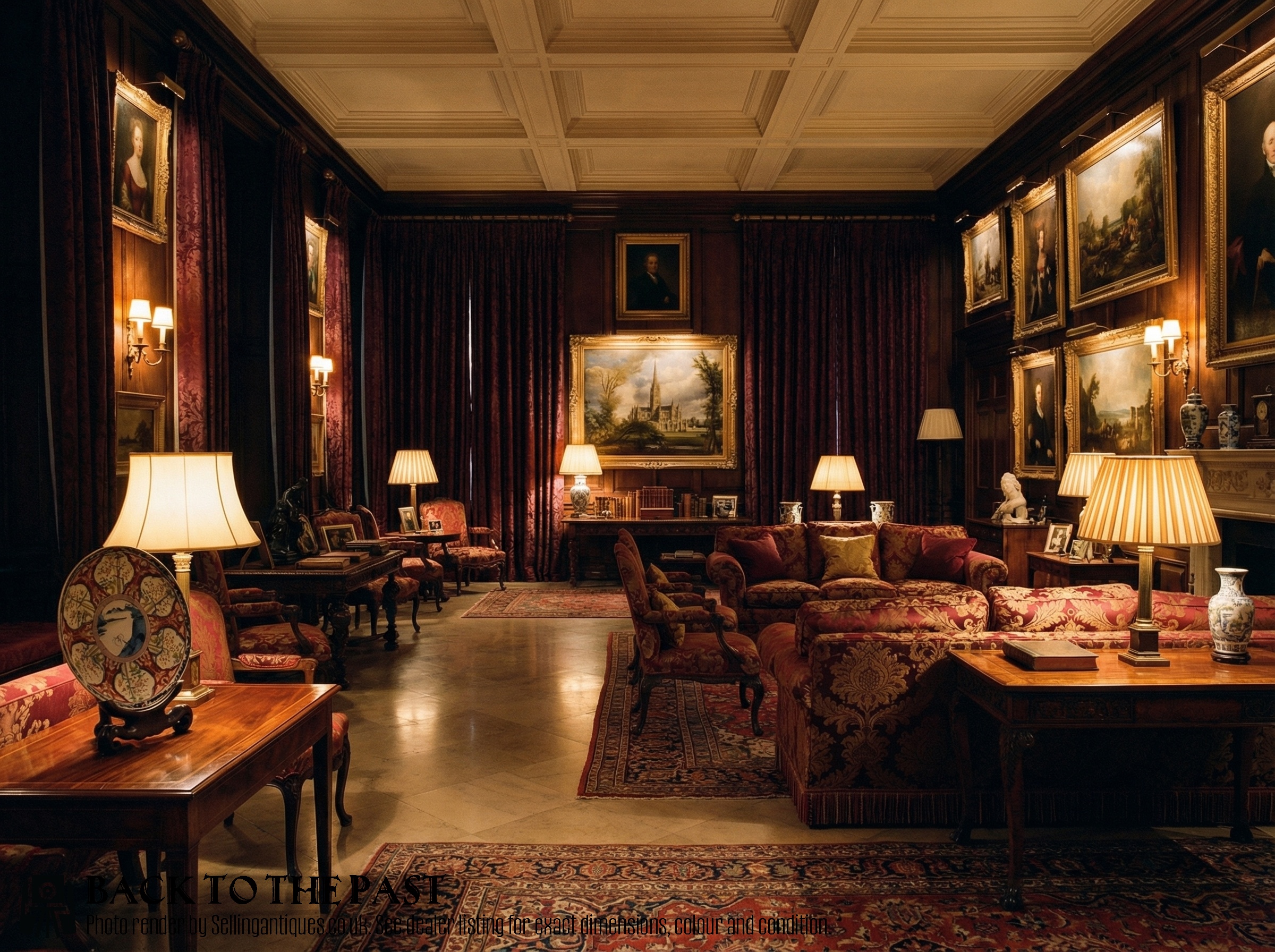
These decorative plates sit securely in specialised wall mounted wire hangers or sturdy plate stands designed for display cabinets.
Positioning them away from direct sunlight and heavy foot traffic protects the enamel and gilding from accidental damage.
What defines the imari palette?
The palette relies on a striking combination of underglaze cobalt blue and overglaze iron-red, frequently enriched with gold leaf.
This distinct colour combination was developed in Japan and later emulated by European ceramic factories.
Are these plates meant for dining?
Cabinet plates and dessert service pieces are intended primarily for display rather than active daily dining use.
Their delicate enamel painting and gold leaf details are best preserved by keeping them off the dining table.
How do english and japanese pieces differ?
English examples often utilise ironstone, earthenware, or stoneware bodies produced by potteries adopting Eastern styles during the Georgian and Victorian eras.
Japanese pieces from later periods typically employ traditional porcelain bodies with characteristic scalloped or hexagonal edges.