
Oriental Cast Bronze
Oriental cast bronze brings together centuries of foundry work from China and Japan, offering detailed figures and vessels that anchor a room.
Oriental Cast Bronze
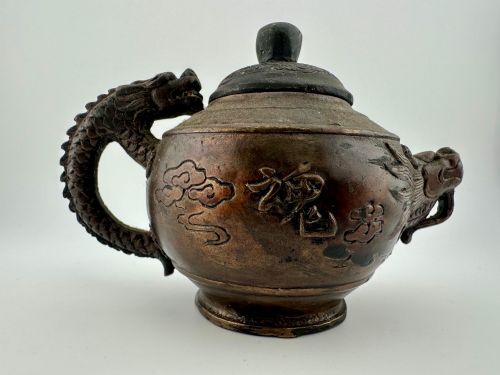
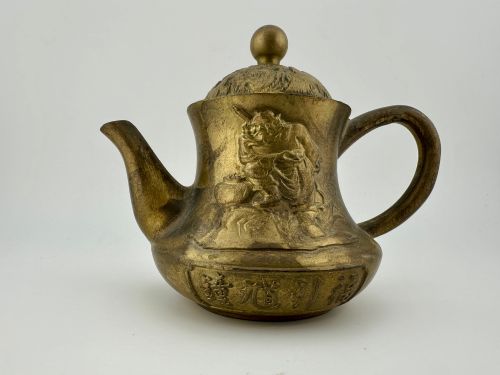
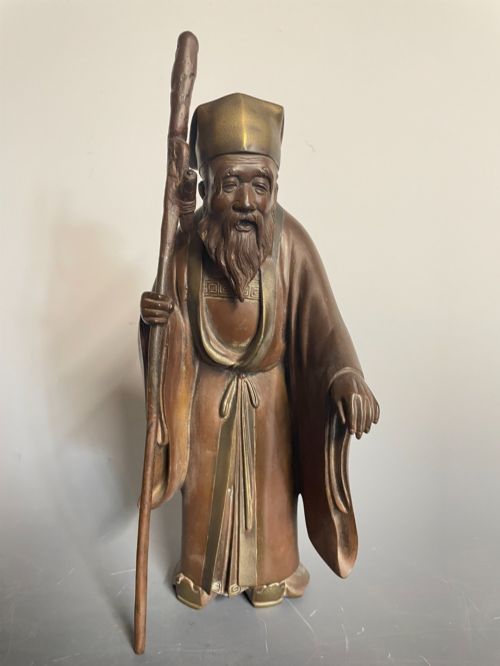
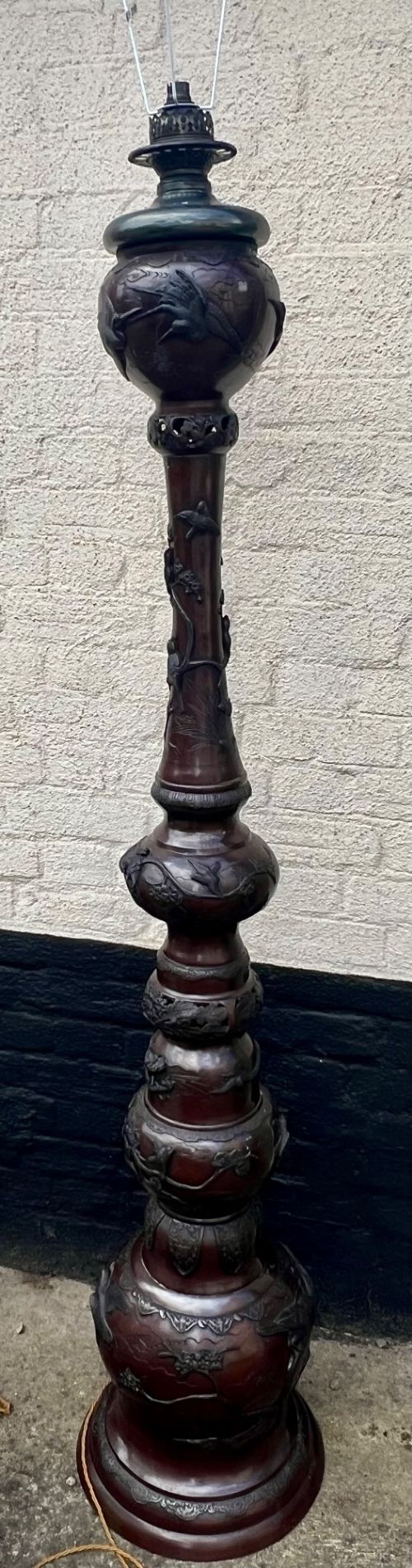
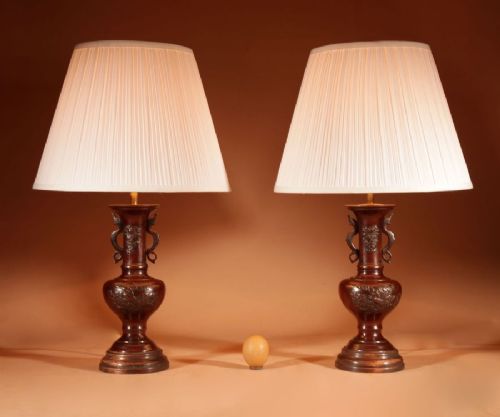
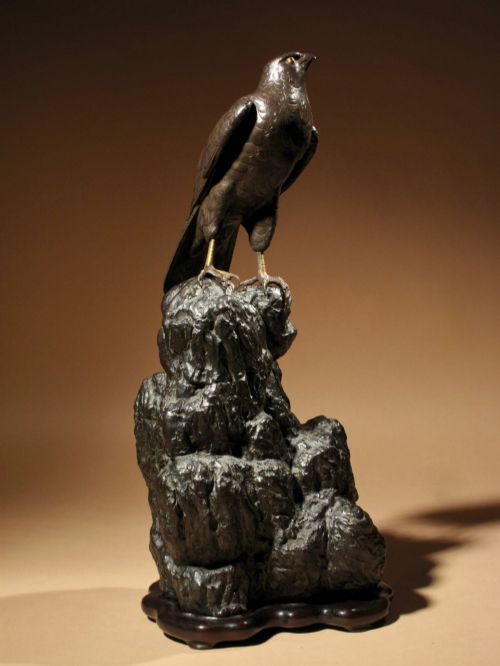
Oriental cast bronze encompasses objects shaped in metal workshops across China and Japan, ranging from ritual vessels to naturalistic animal sculptures. When exploring oriental cast bronze, you will frequently encounter pieces originating from the Meiji period and the Ming dynasty, alongside later nineteenth and twentieth-century interpretations.
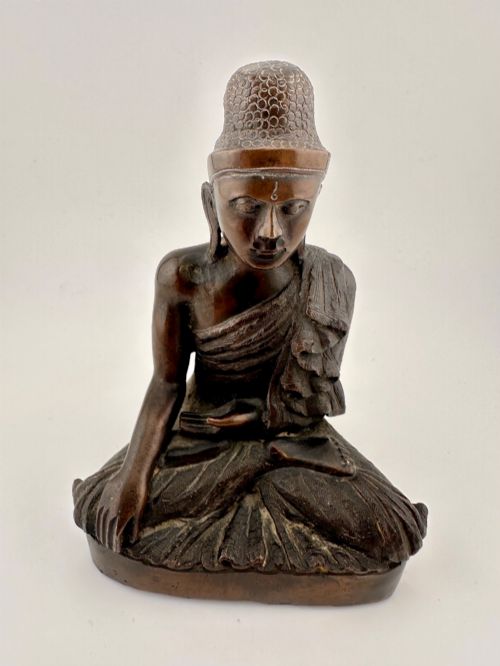
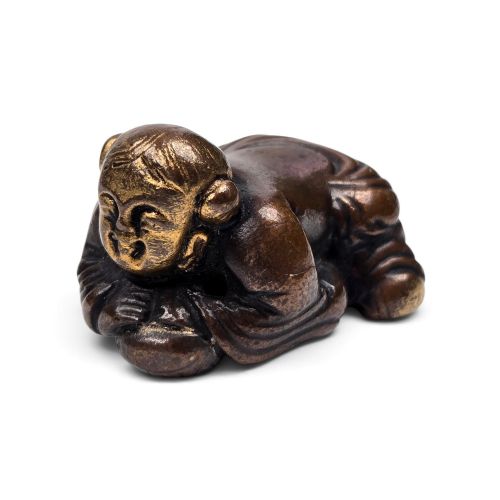
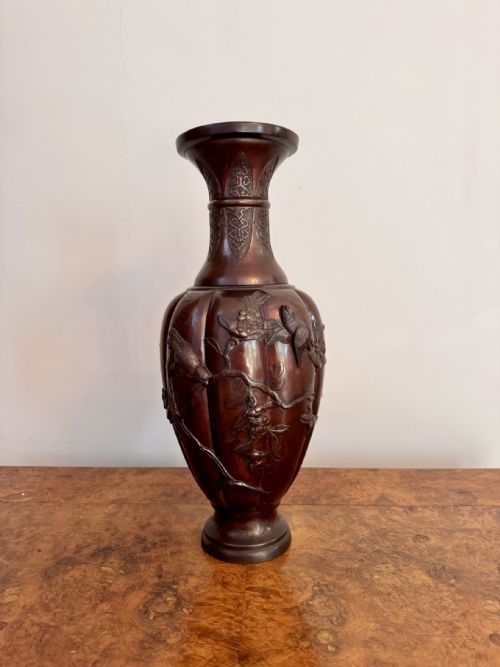
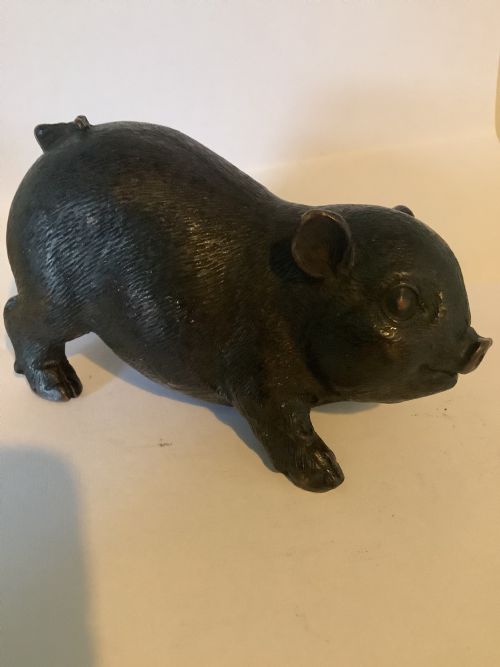
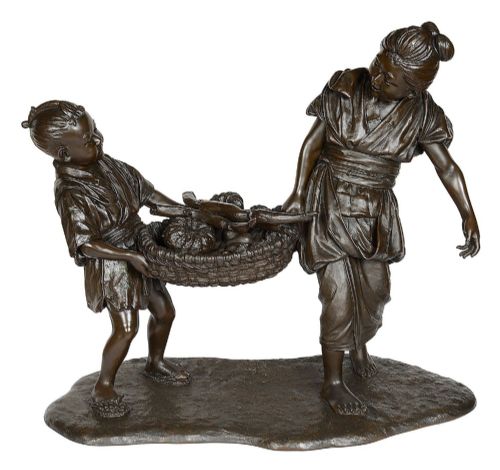
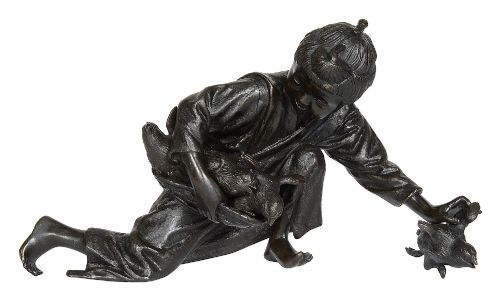
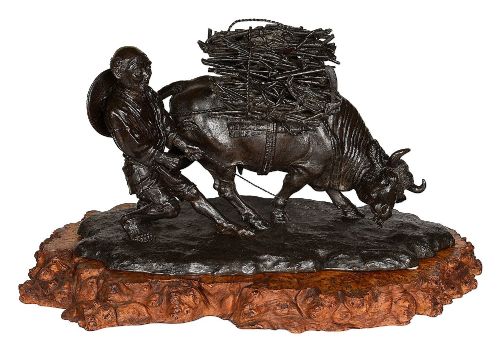
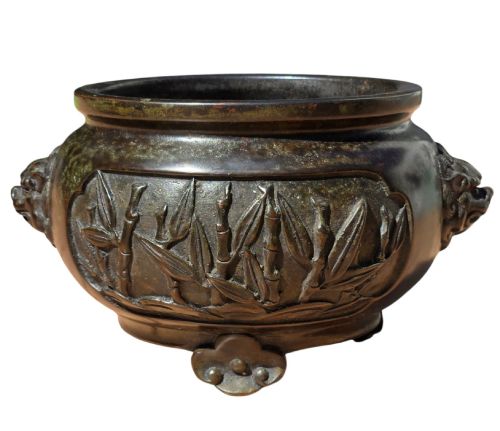
The functional forms span scholar's desk items such as censers and paperweights, through to decorative vases, floor lamps, and large garden okimono. Figures of animals, deities, and daily scenes dominate the selection, often cast with expressive detail and distinct patination.
How they were made
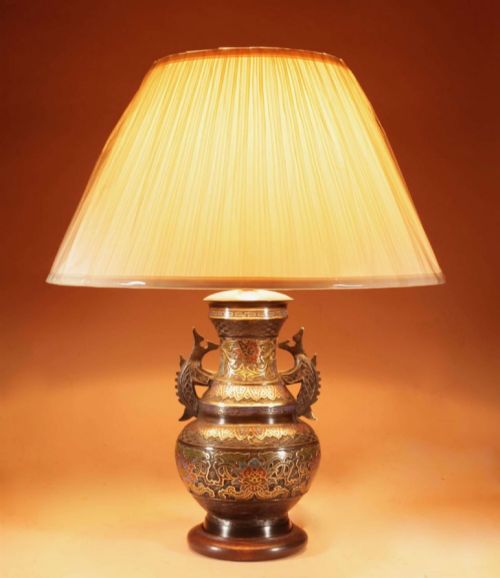
Foundries utilised the lost-wax casting technique or sectional mould casting to achieve intricate three-dimensional shapes, allowing for hollow forms and solid scholarly objects alike. Metal alloys of copper, tin, and zinc provided the primary body, sometimes enhanced with selective fire-gilding or champlevé enamel inlay.
Surface finish depended upon chemical patination, carving, and applied details such as ivory tusks or diamond eyes. Artisans chased the cooled bronze surfaces by hand to sharpen feather, scale, and textile textures before final mounting.
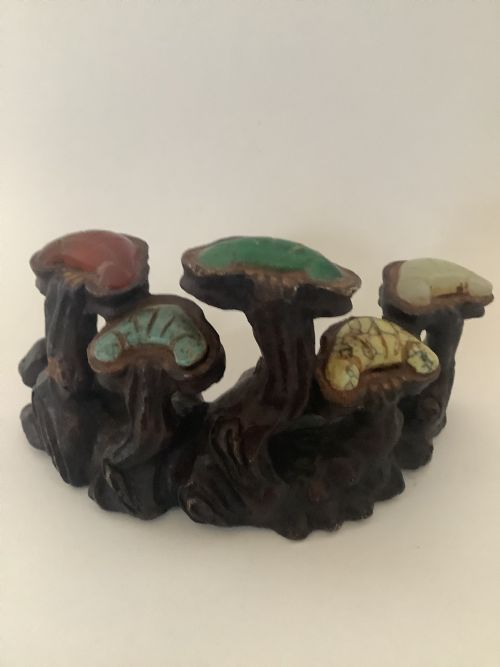
Listings feature bronze objects paired with brass, enamel, wood, and ivory elements.
What varies in quality
Casting precision distinguishes the upper tier of works, where relief panels, articulation, and fine animal anatomy remain crisp without surface pitting. Heavier weight relative to scale indicates a substantial metal reserve and careful wall thickness control during the pour.
Artistic ambition and signature marks elevate certain scholar's pieces and okimono, reflecting the hand of a master workshop or recognised artist. The depth and integrity of the original patination, preserved through decades of handling, dictate the visual coherence of the finished bronze.
Masaaki·Kunio Itô·Kaniya Kuniharu·Wu Bangzuo
The Oriental Cast Bronze Glossary
- Okimono
- A Japanese stand-alone ornamental carving or metal sculpture designed for display on a shelf or tokonoma.
- Censer
- A vessel intended for burning incense, frequently taking tripod forms with structured handles and pierced lids.
- Champlevé
- An enamelling technique where troughs are dug into the metal surface and filled with vitreous paste before firing.
- Patina
- The surface coloration and sheen developed naturally through age or induced chemically by the foundry.
- Scholar's studio
- A category of refined objects, including brush rests and paperweights, created for the traditional East Asian literati.
Oriental Cast Bronze: Frequently Asked Questions
How do I identify a scholar's censer?
Scholar's censers are traditional vessels designed to burn incense within a study space. They often feature tripod feet, loop handles, and cast relief panels.
Many bear studio marks on the base that denote the dynasty, workshop, or maker associated with the piece.
What is champlevé enamel?
Champlevé is a decorative technique where recesses are carved directly into the bronze surface. These channels are packed with enamel powder and fired to create colourful patterns.
This method appears on vases and table lamps from the late nineteenth and early twentieth centuries.
How do I care for antique bronze?
Antique bronze requires minimal intervention to preserve its original patination and historical surface stability. Dusting with a soft dry cloth prevents particulate build-up.
Avoid commercial metal polishes, as abrasive chemicals will strip the aged skin and diminish the character of the metal.