
Antique Metalwork Vases
These antique metalwork vases bring substantial weight and intricate surface detail to a room, spanning Japanese Meiji bronzes, Chinese vessels, and European copper designs.
Antique Metalwork Vases
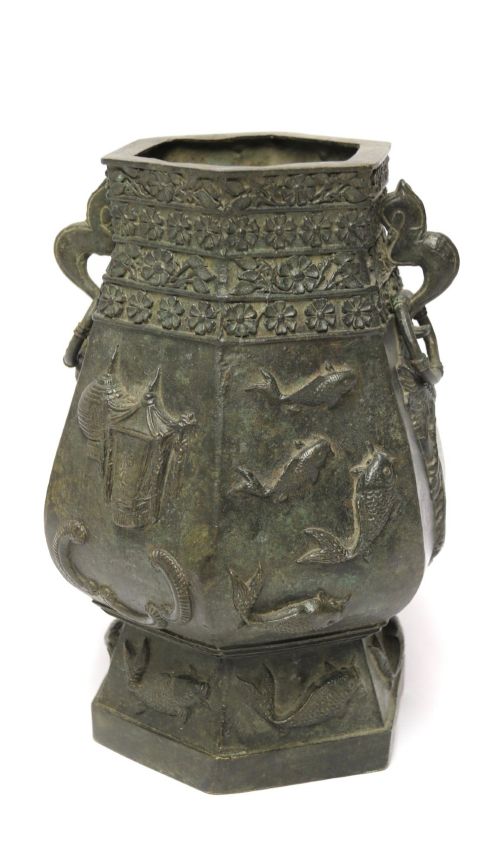
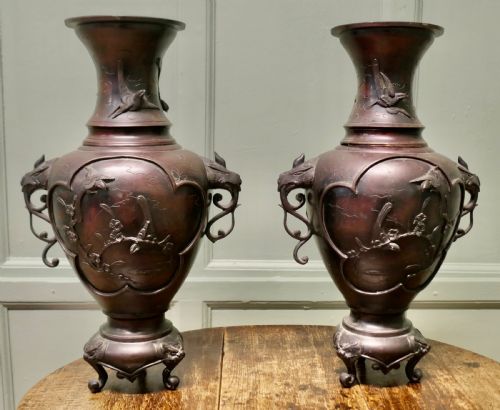
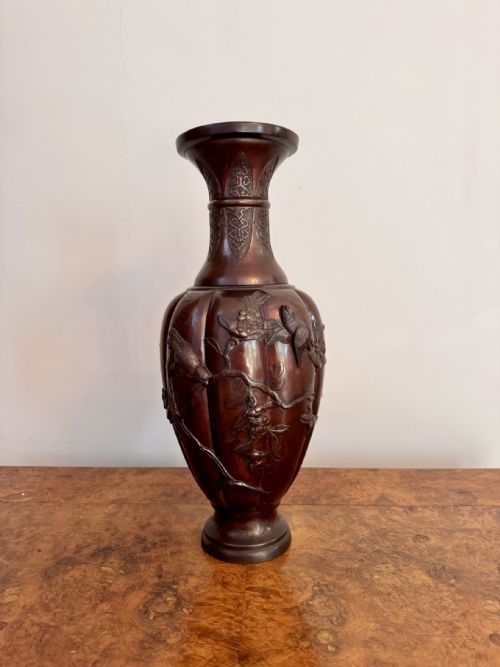
When you search for antique metalwork vases, you encounter a diverse collection spanning the nineteenth century and early twentieth century. The selection ranges from Japanese Meiji period bronze baluster urns to Chinese archaic vessels and European copper and brass designs.
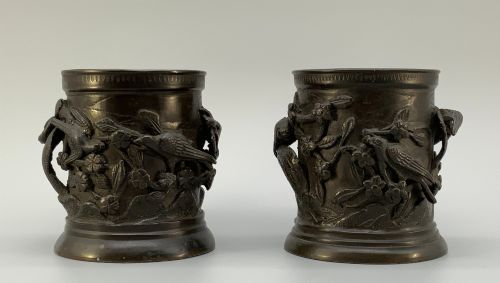
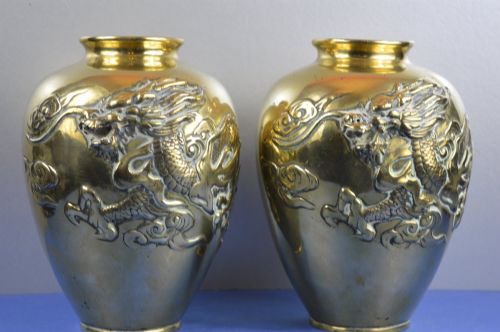
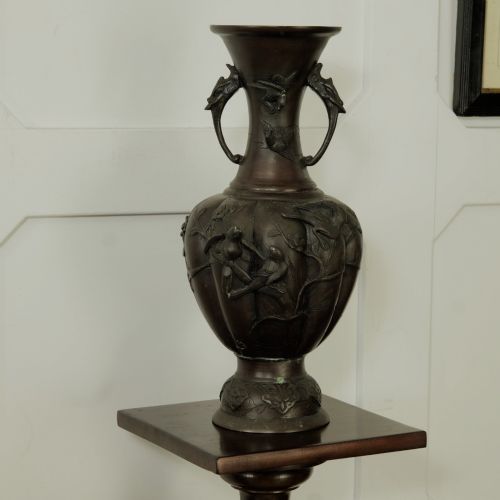
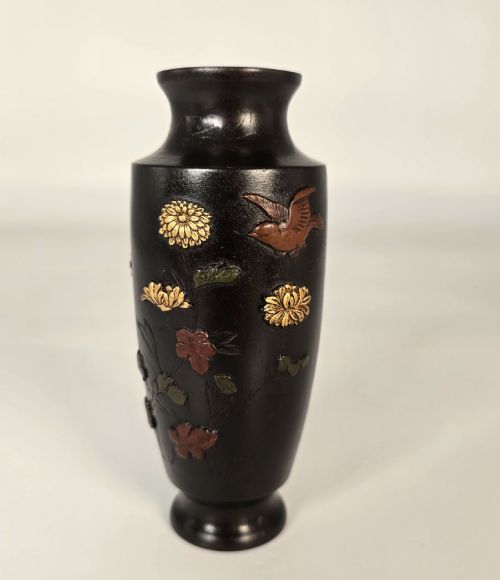
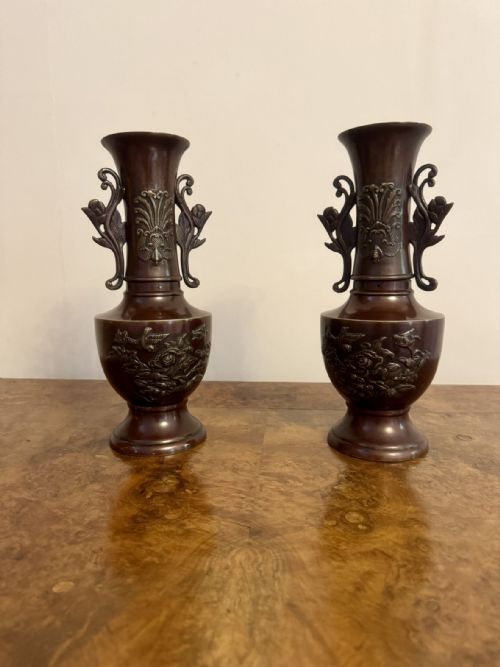
Most pieces on this page are Japanese bronze vases from the Meiji era, often decorated with birds, blossoms, or dragons. Alongside these, you find Chinese bronze and cloisonne examples, French Art Nouveau copper vessels, and British Arts and Crafts copper and brass twin-handled urns.
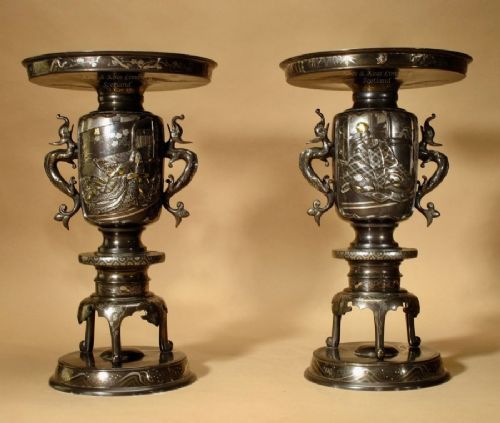
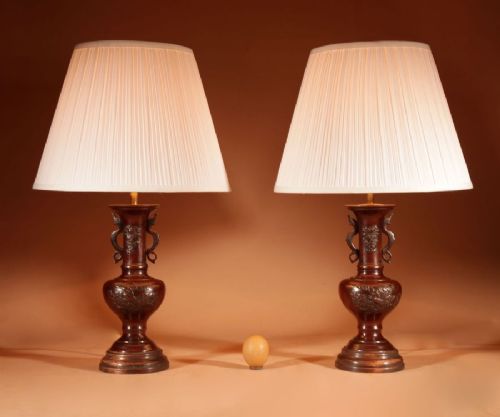
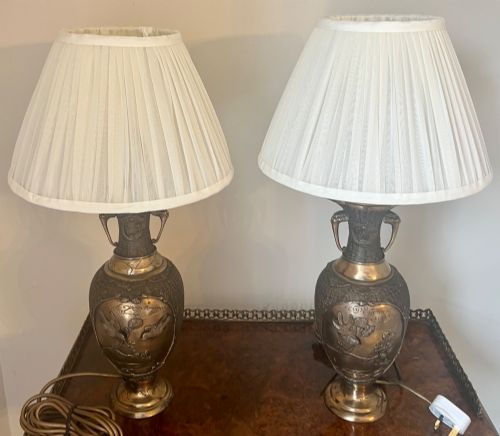
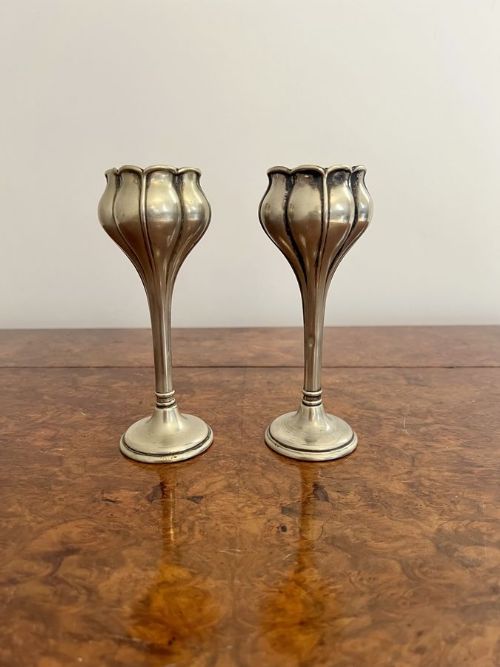
Forms vary widely from slender spill vases and stem vases to large garniture sets and table lamps. Makers utilised patinated bronze, silver wire cloisonne, repousse copper, and champleve enamel to achieve varied surface textures.
How they were made
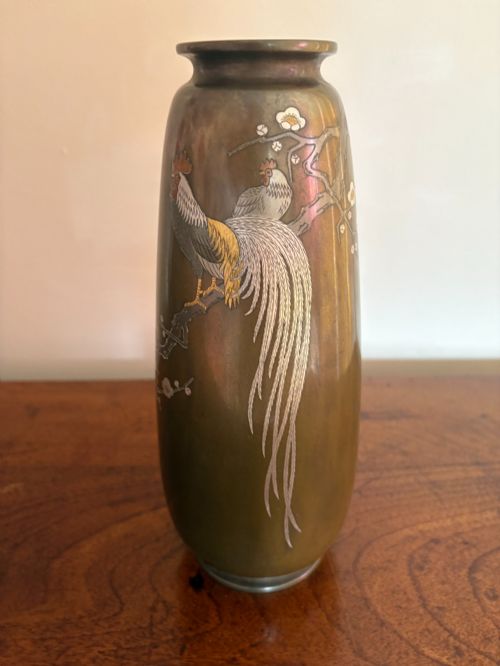
Many of the bronze vessels rely on traditional casting methods, sometimes incorporating inlaid metals, mixed metal highlights, or applied handles shaped like dragons and egrets. Artisans then treated the surfaces with patination to achieve deep brown, black, or greenish tones.
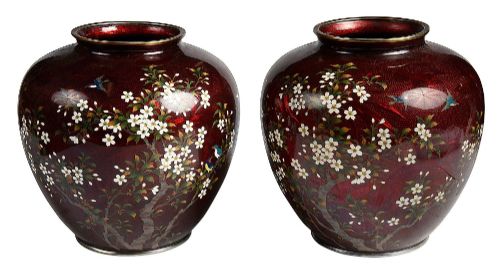
Cloisonne and champleve items involve soldering thin metal wires or creating raised compartments on a metal base before filling the spaces with enamel paste. Firing and polishing produce smooth, lustrous surfaces embellished with floral or avian motifs.
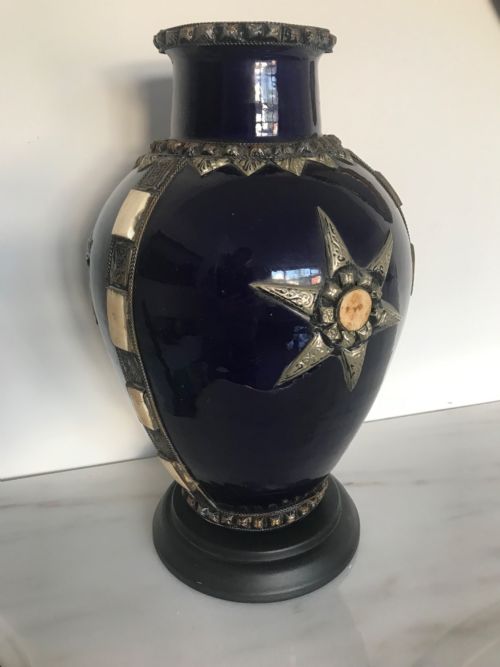
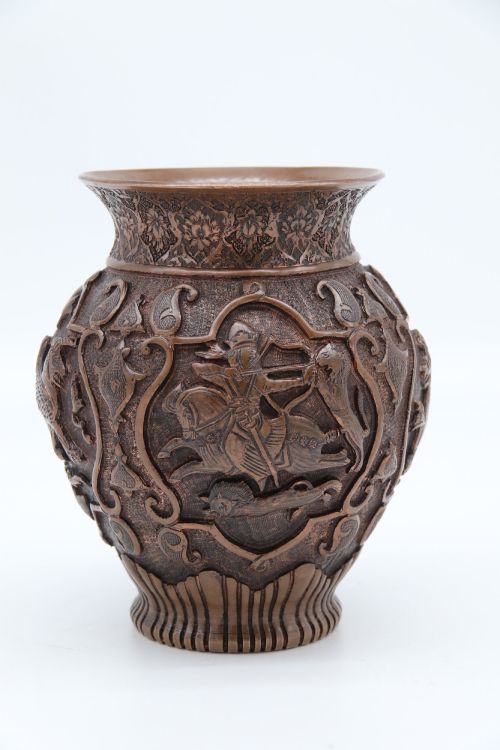
Copper and brass pieces often display hand-beaten repousse work, where craftsmen hammered the metal from the reverse to raise decorative patterns in relief. Silver plating and silver cabochon mounts also appear on select ceramic and metal hybrid vessels.
What varies in quality
Quality rests heavily on the crispness of the casting and the precision of surface decoration. Finely rendered inlay work, detailed feather and floral engraving, and secure handle attachments distinguish superior pieces from simpler production items.
The complexity of the enamel work and the depth of the metal patination dictate the visual impact of the vessel. Pieces bearing signatures from known schools or makers generally exhibit higher standards of craftsmanship and finish.
KANASAWA·Ando Jubei·Keswick Arts and Crafts
The Antique Metalwork Vases Glossary
- Meiji Period
- The era in Japanese history spanning from 1868 to 1912, known for producing accomplished bronzes and intricate cloisonne enamels. Pieces from this time frequently feature naturalistic motifs such as birds, flowers, and dragons.
- Cloisonne
- An enamel technique where metal wires are affixed to a metal body to form cells that hold coloured paste before firing. This method allows for complex, multi-coloured pictorial designs across the surface of the vase.
- Patinated Bronze
- Bronze treated with chemical solutions or heat to produce a stable, decorative surface colour ranging from dark brown to green. This treatment protects the metal while enhancing visual depth.
- Repousse
- A metalworking technique where the artisan hammers the design from the reverse side to form raised relief patterns on the front. It is commonly found on copper and brass decorative vessels.
- Champleve
- An enamel technique where troughs or cavities are gouged into the metal surface and filled with enamel before firing. The remaining metal walls form the outlines of the design.
- Garniture
- A set of matching vases or ornamental vessels designed to be displayed together on a mantelpiece or sideboard. These matched sets often comprise three or more graduated pieces.
Antique Metalwork Vases: Frequently Asked Questions
How do I date an antique bronze vase?
Dating relies on stylistic clues, manufacturing techniques, and any accompanying signatures or period marks. Japanese pieces frequently reference the Meiji era, while European examples often display Art Nouveau or Arts and Crafts characteristics typical of the late nineteenth and early twentieth centuries.
Examine the construction methods, patination style, and base wear for further clues regarding age. Comparing the decorative motifs to documented pieces from similar workshops helps narrow down the production period.
What is cloisonne enamel?
Cloisonne is a decorative technique where thin metal wires are soldered onto a metal base to create small compartments called cloisons. These compartments are then filled with coloured enamel paste and fired in a kiln.
After firing, the surface is ground smooth and polished to reveal the intricate wire pattern alongside the lustrous enamel colours. This method was widely used on Japanese and Chinese vessels during the nineteenth century.
How should I clean antique metalwork?
Dust metalwork gently with a soft, dry cloth to prevent the accumulation of dirt. Avoid chemical polishes, abrasive cloths, and water, as these can strip away historic patination or damage delicate enamel and inlaid surfaces.
Bronze and copper develop stable surface layers over decades, which contribute to their character. Preserving this original finish maintains both the visual integrity and the historical value of the piece.
Where should I display heavy bronze vases?
Place heavy bronze and metal vessels on stable, level surfaces capable of supporting their weight, such as low sideboards, heavy timber tables, or dedicated pedestals. Ensure they are positioned away from high-traffic walkways where they might be knocked over.
Pairing matching vases as a pair or incorporating them into a mantel garniture arrangement creates visual balance. Good natural light helps highlight the surface patination and fine inlay details.