
Oriental Carved Wooden Table
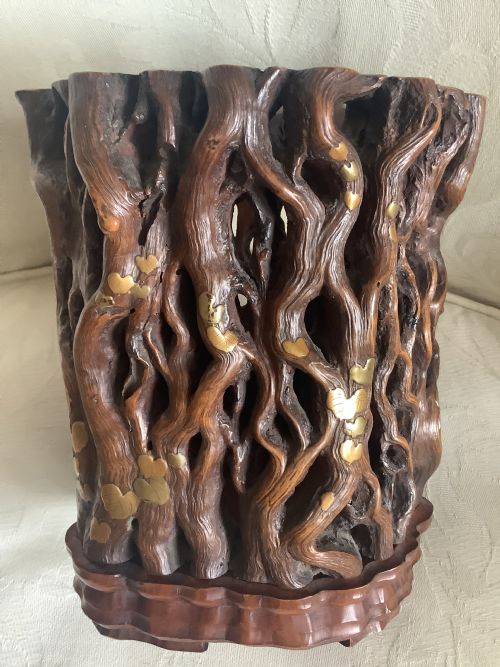
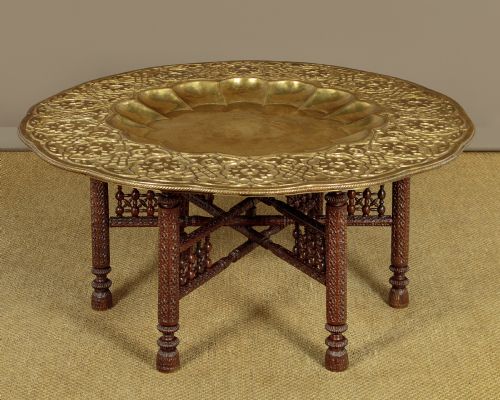
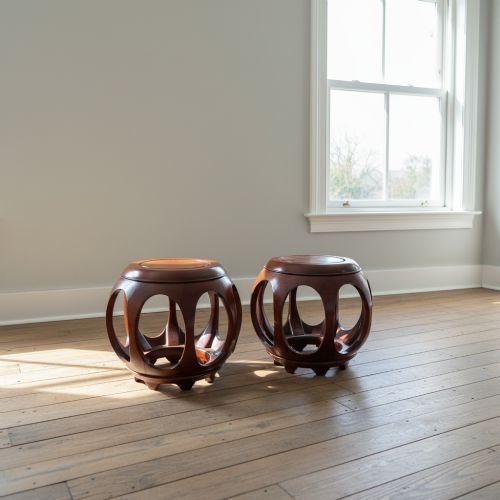
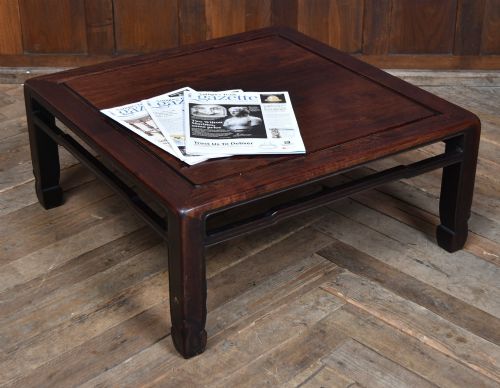
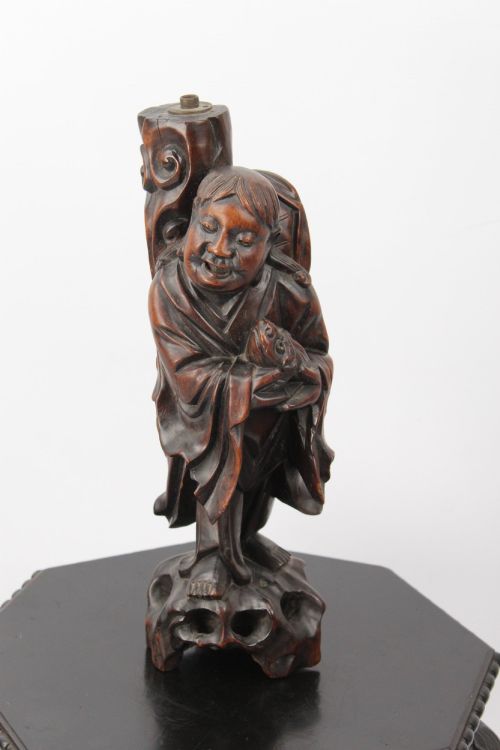
An oriental carved wooden table brings deep carved detail and dense timber into a room, spanning low opium tables to intricate plant stands.
Oriental Carved Wooden Table
When searching for an oriental carved wooden table, buyers encounter a diverse group of occasional furniture spanning the nineteenth and early twentieth centuries. The selection includes low coffee tables, nest of tables, plant stands, and octagonal lamp tables originating from Chinese, Indian, and Moorish traditions. These pieces reflect specific periods such as the Qing Dynasty, Victorian era, and Edwardian decades, utilising forms ranging from traditional altar benches to Anglo-Indian occasional tables.
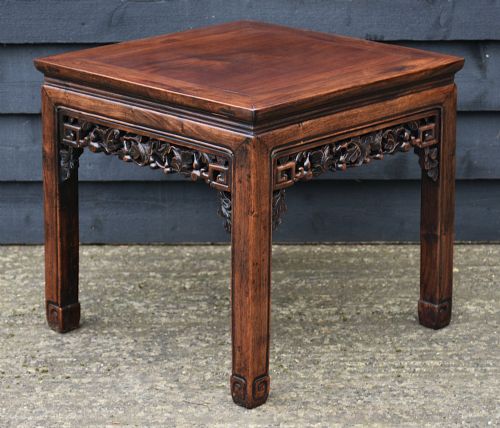
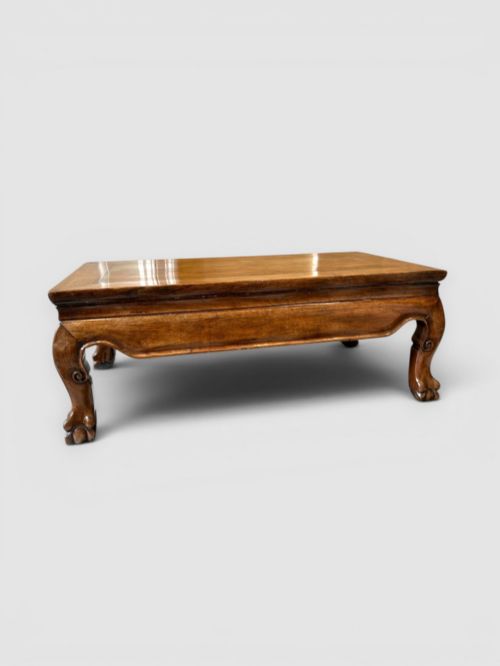
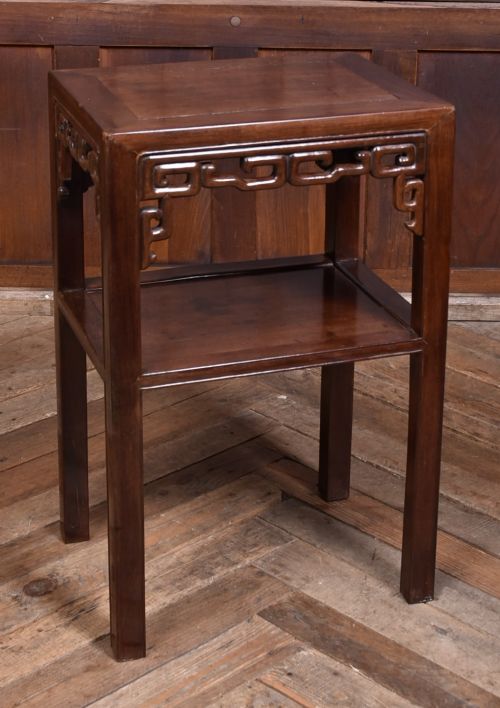
The version most frequently met on this page is the Chinese hardwood low or coffee table, alongside nineteenth-century stands and Kashmiri painted examples. These items bring distinct regional carving and joinery into domestic interiors, functioning as side surfaces, display pedestals, or central low tables. The assortment captures both export pieces created for Western markets and traditional forms intended for domestic use.
How they were made
Maker workshops utilised dense hardwoods including rosewood, padouk, hongmu, elm, and huanghuali, chosen for their weight and grain. These timbers allowed craftsmen to execute deep relief carving, pierced fretwork panels, and intricate joints without relying on modern metal fixings. Surfaces often received polish or lacquer finishes that highlighted the natural figure of the wood.
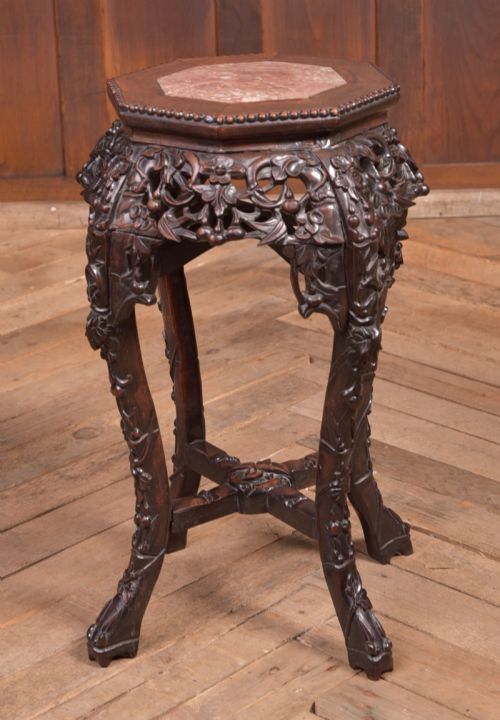
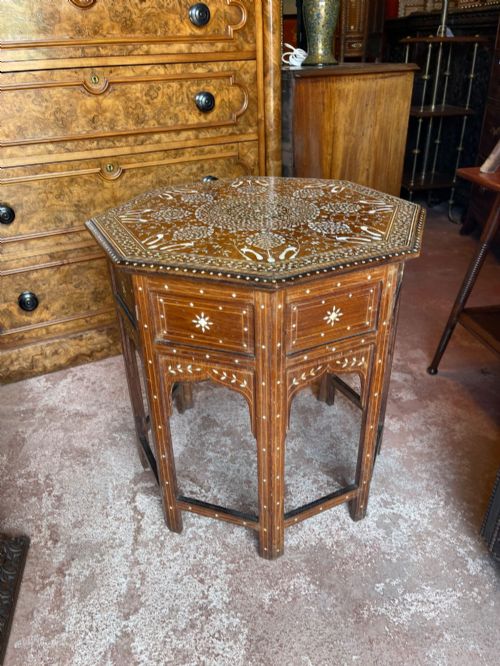
In addition to solid timber construction, some pieces incorporated contrasting materials such as brass inlay, marble inserts, or mother-of-pearl detail. Hoshiarpur tables demonstrate complex geometric woodwork using bone or brass wire, whilst Kashmiri items feature painted decoration over carved wood surfaces. Construction techniques combined traditional mortise and tenon joinery with specialised hand-chiselled motifs.
Materials recorded across the inventory include marble, brass, lacquer, and several varieties of hardwood.
What varies in quality
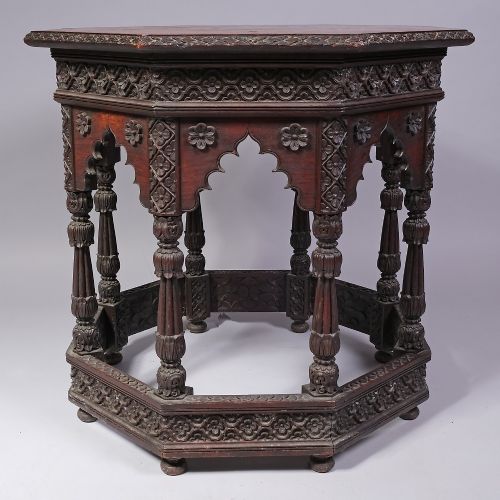
Quality in these tables rests upon the crispness of the hand-carved detail and the selection of timber. Superior examples display deep, three-dimensional carving with sharp undercut foliage and figures, whereas lesser pieces feature shallow, mechanical stamping or soft wood bodies. The choice of dense rosewood or huanghuali elevates a piece far above common elm or mixed secondary timbers.
Structural integrity and the preservation of original surfaces also divide the range. Tables retaining their original French polish, waxed patina, or lacquer without heavy modern intervention command greater appreciation. The balance of proportions and the complexity of joinery, particularly in nests of tables and folding mechanisms, further separate standard production items from exceptional workshop creations.
Liberty of London
The Oriental Carved Wooden Table Glossary
- Hardwood
- Dense, slow-growing timber from deciduous trees such as rosewood, teak, and elm. These heavy woods resist denting and permit exceptionally fine chisel work.
- Opium table
- A low, rectangular table traditionally used in East Asia for resting items near floor seating. They often feature carved aprons and short, scrolling legs.
- Altar table
- A long, narrow piece of furniture originating from temples or domestic shrines, characterised by upturned flange ends and pierced carved spandrels.
- Fretwork
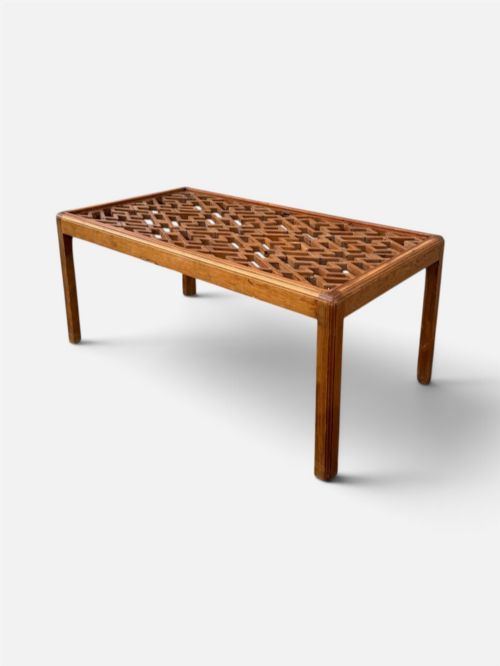
- Openwork ornamentation carved or pierced from a flat board in geometric or organic patterns. This technique appears frequently on table aprons and panel inserts.
- Patina
- The surface sheen and colour developed through age, handling, and polishing over decades. A fine patina shows soft lustre rather than a harsh modern gloss.
Oriental Carved Wooden Table: Frequently Asked Questions
What rooms suit an oriental carved wooden table?
These tables adapt easily to living rooms, studies, and hallways as coffee tables, lamp stands, or side surfaces. Their dark timber tones anchor neutral spaces and complement eclectic interior schemes.
Low opium tables work well in seating areas for serving drinks or displaying objects, while tall plant stands make effective corners for ceramics and trailing foliage.
How do I care for antique hardwood tables?
Maintain the wood by applying a quality beeswax sparingly and buffing with a soft cloth to preserve the surface sheen. Avoid placing timber furniture near direct heat sources or strong sunlight.
Keep marble inserts clean using a damp cloth without harsh chemical cleaners, and protect polished wooden surfaces from moisture with coasters.
Are nest of tables practical for daily use?
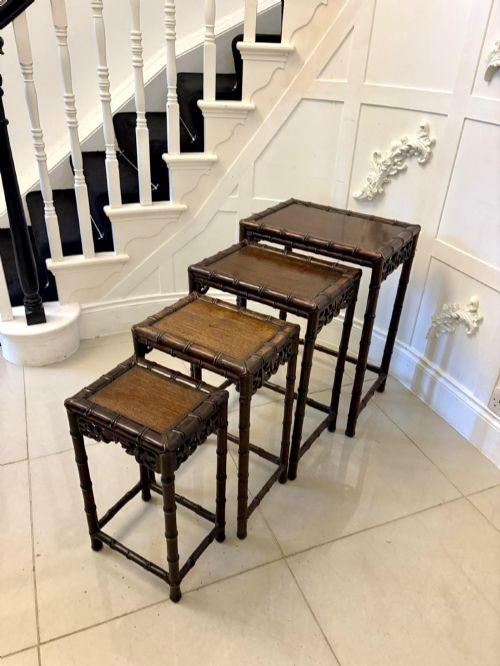
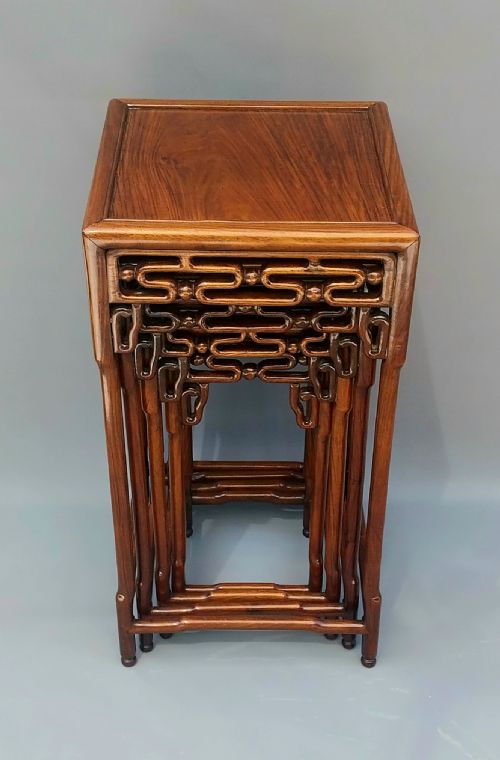
Nests of tables offer exceptional versatility because the smaller units tuck neatly beneath the main table when floor space is needed. They provide flexible surface area for entertaining.
Construction varies from simple rectangular sets to bamboo-style frames, but all maintain the space-saving utility designed for nineteenth-century parlours.
What is the difference between Chinese and Indian tables here?
Chinese tables typically employ dense hardwoods like rosewood and hongmu with restrained mouldings, panel construction, and scholarly motifs. Their forms range from altar benches to pedestal stands.
Indian and Kashmiri examples frequently feature all-over floral carving, brass inlay work, or painted polychrome surfaces that reflect regional craftsmanship traditions.