


Oriental Carved Pedestal Stand
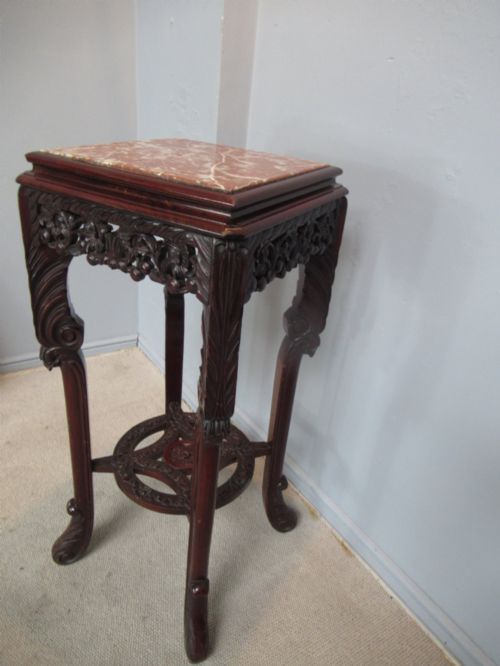
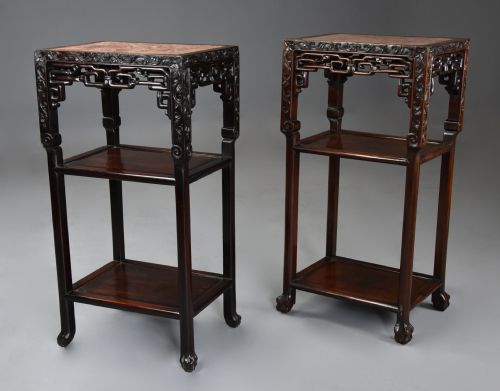
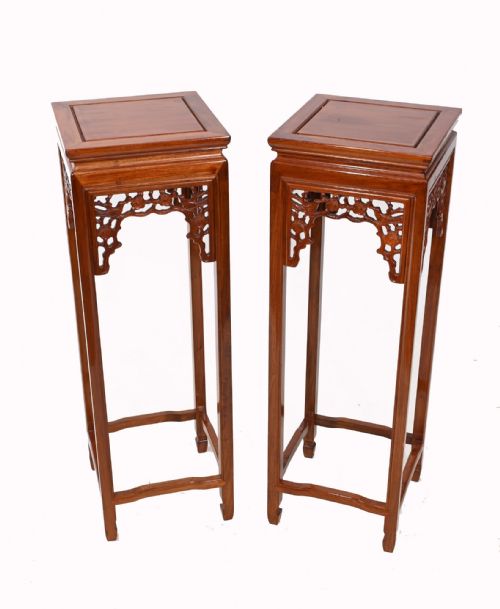
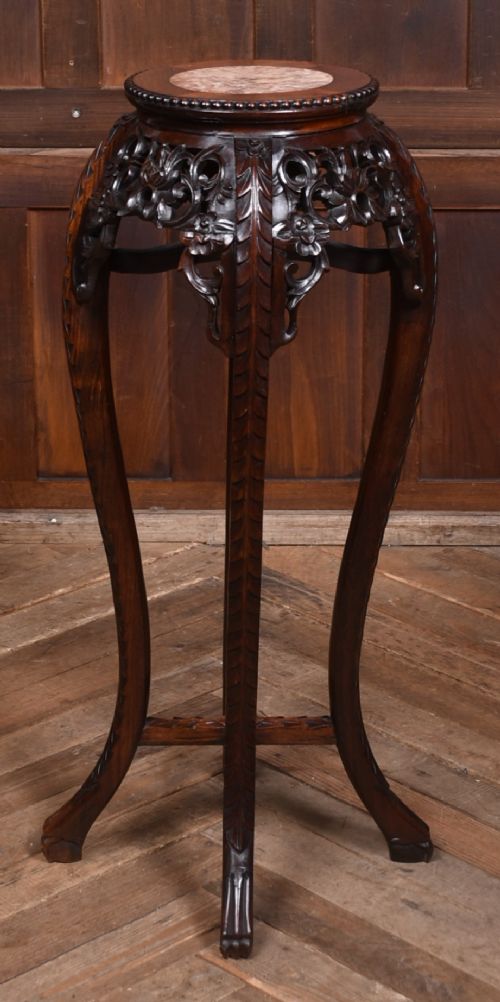
An oriental carved pedestal stand raises a heavy pot or vase, bringing fine woodwork into the room.

Oriental Carved Pedestal Stand
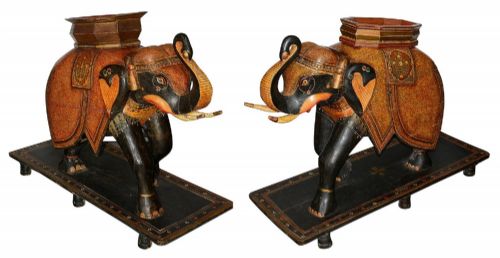
An oriental carved pedestal stand serves to elevate plants, vases, and decorative objects within a room. These pieces span the nineteenth century and the early twentieth century, drawing on Chinese Qing Dynasty, Anglo-Indian, and Japanese traditions.
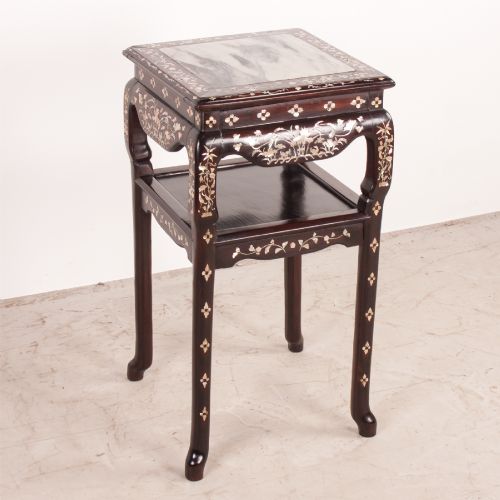
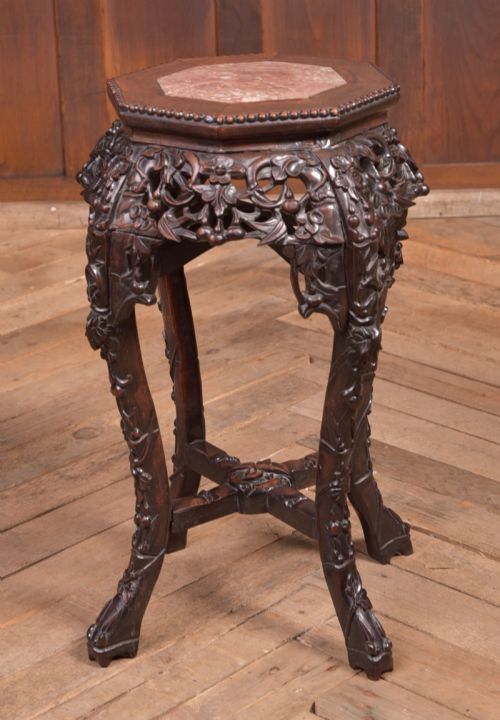
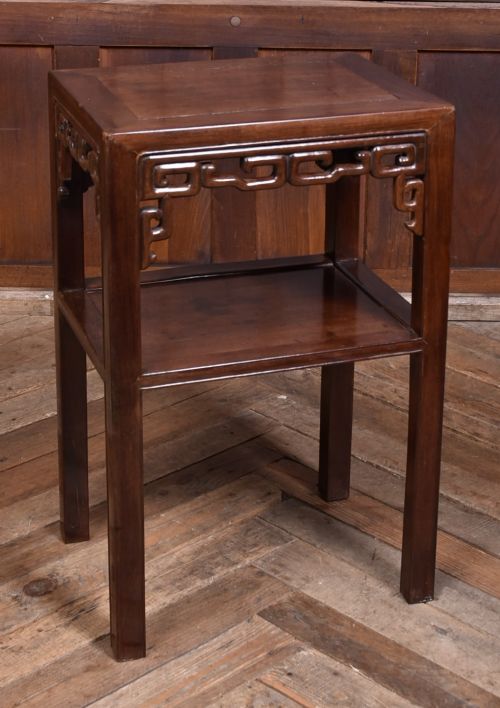
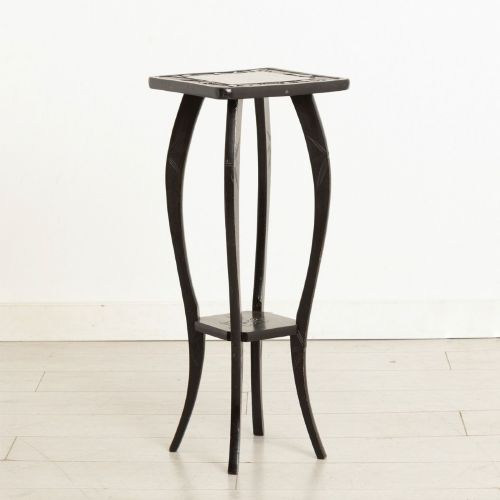
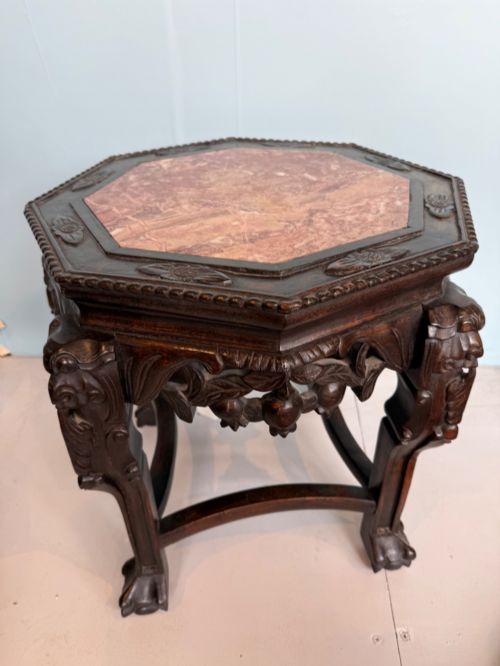
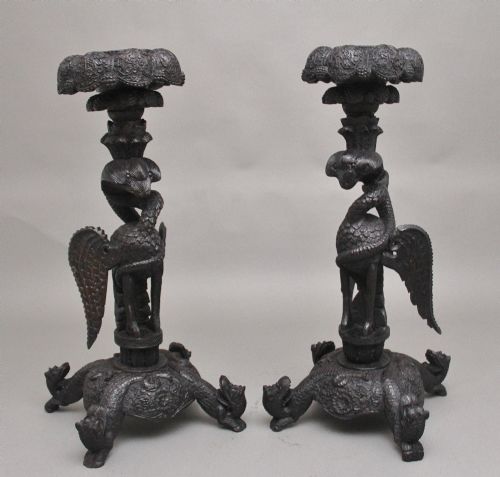
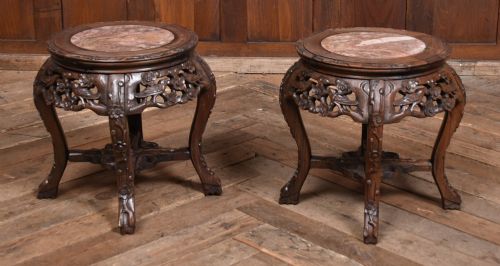
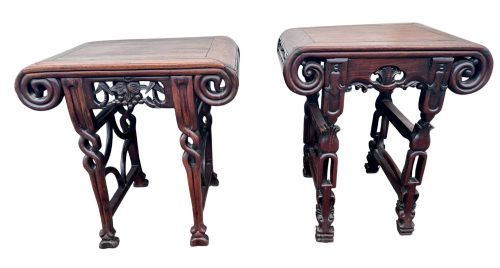
Buyers will encounter forms such as plant stands, jardiniere stands, torcheres, and occasional tables. They appear most frequently in heavy dark timber with circular or rectangular tops, often inset with marble or quartz.
How they were made
Cabinetmakers utilised dense timbers such as rosewood, padouk, and general hardwood, alongside ebonised wood and lacquer. These materials provided the structural strength required to support heavy stone inserts and large ceramic vessels without flexing.
The decorative surfaces rely on deep hand carving depicting traditional flora, fauna, and geometric motifs. Joinery often incorporates precise mortise and tenon techniques, supplemented by mother of pearl inlay on specific tables.
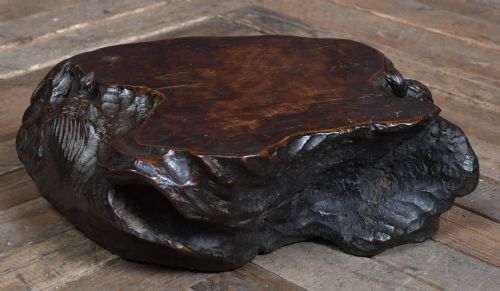
A Japanese carved turtle holds up a bonsai display stand, bringing a touch of quiet character to the room.
What varies in quality
The depth and crispness of the hand carving separate standard examples from finer works. Superior pieces display undercut foliage and expressive animal or dragon details that retain sharp edges.
The selection and fit of the inset marble or quartz top also mark the tier of manufacture. Well-chosen stone slabs sit flush within the timber frame, displaying natural mineral figuring without distracting repairs.
Liberty of London
The Oriental Carved Pedestal Stand Glossary
- Jardiniere stand
- A tall piece of furniture designed specifically to hold a heavy ceramic flower pot or plant container.
- Torchere
- A slender standalone pedestal originally built to support a lamp or candle holder.
- Padouk
- A heavy tropical hardwood prized for its reddish brown tone and durability in carved furniture.
- Ebonised wood
- Timber treated with a dark finish to imitate the appearance of ebony.
- Qing Dynasty
- The final imperial dynasty of China, spanning the seventeenth to the early twentieth century.
Oriental Carved Pedestal Stand: Frequently Asked Questions
What is an oriental carved pedestal stand?
An oriental carved pedestal stand is a raised wooden table designed to display heavy vases, jardiniere pots, and decorative sculptures.
These pieces originate predominantly from nineteenth and early twentieth century workshops across China, Japan, and India.
How do I style a pedestal stand at home?
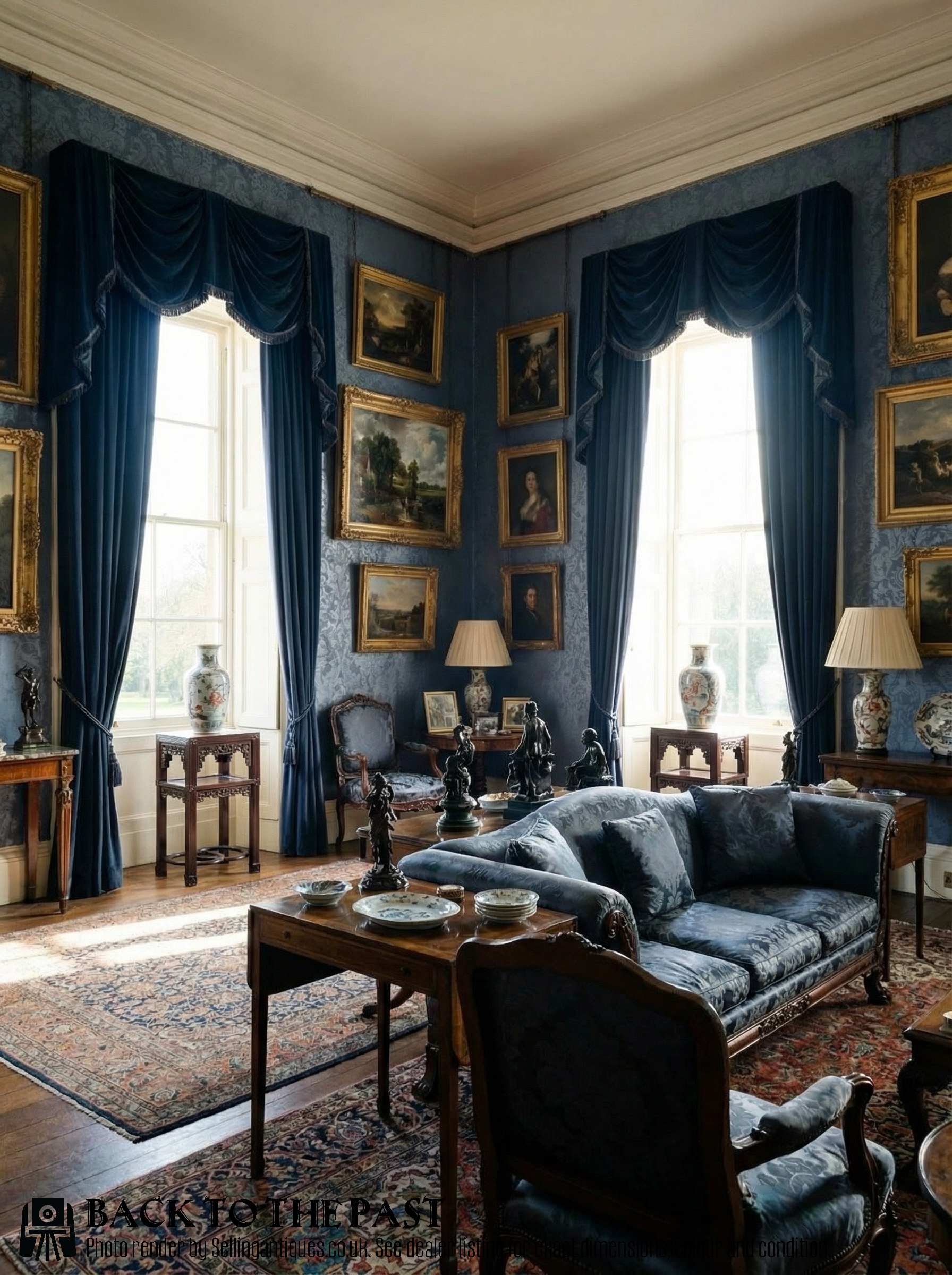
Place a pedestal stand in a corner or beside seating to elevate a trailing houseplant or a ceramic vessel.
Keep surrounding furniture simple so the carved woodwork and inset marble tops remain the focal point.
Are these stands strong enough for heavy pots?
The dense hardwoods used in these stands provide substantial weight capacity for large planters and stone bowls.
Solid construction methods ensure the tall frames remain stable under heavy vertical loads.