
Oriental Carved Figure
When you search for an oriental carved figure, you look for sculptural works in wood, stone, and bone shaped by traditional hands.
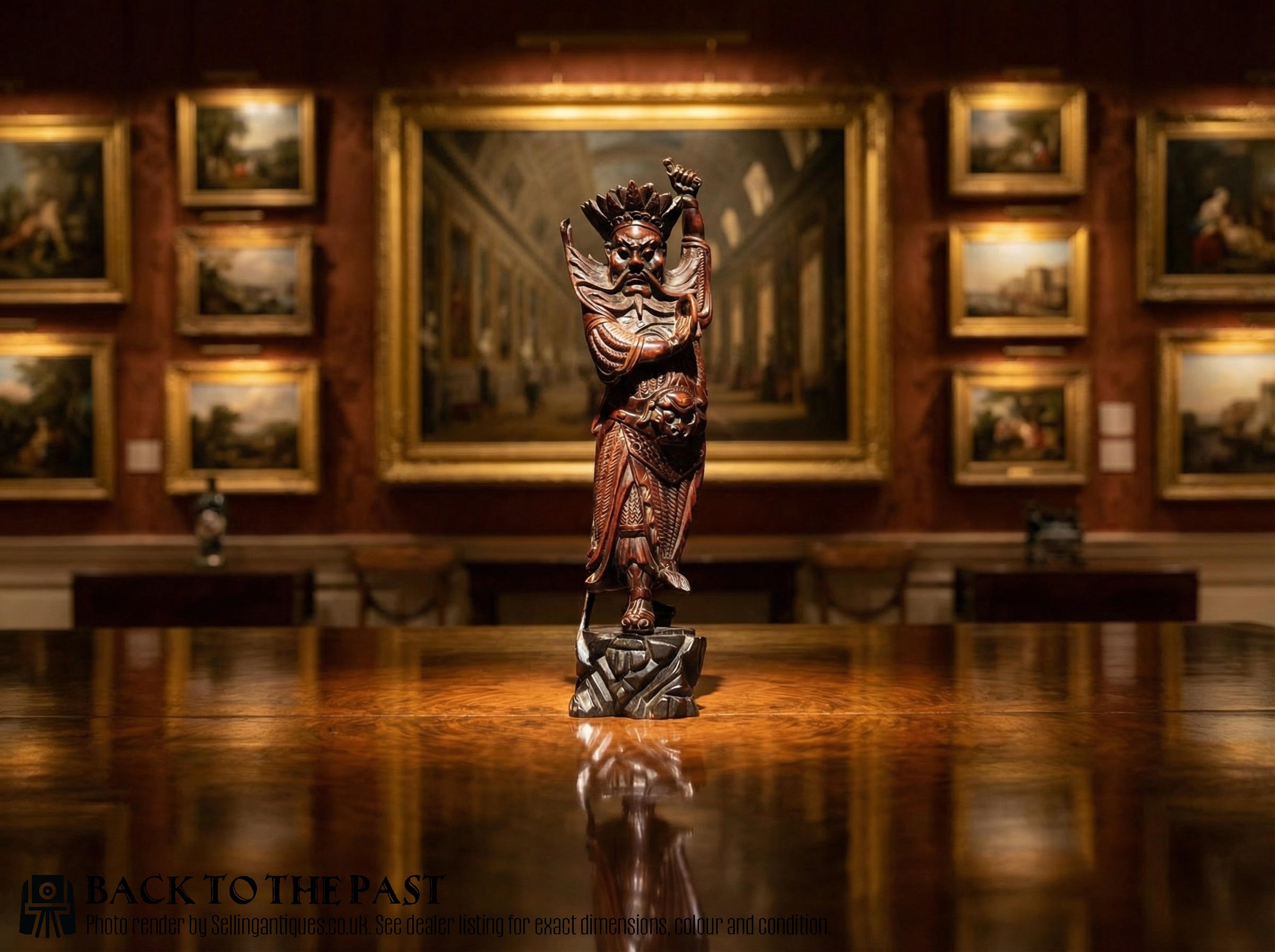
Oriental Carved Figure
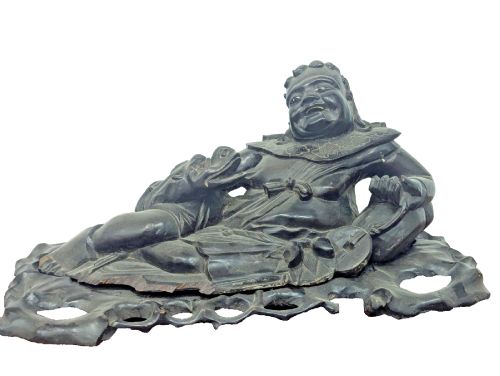
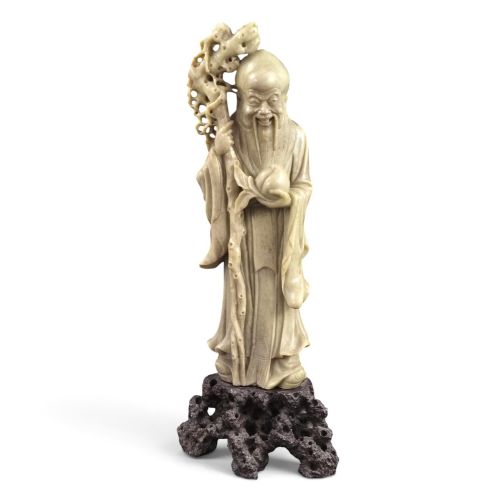
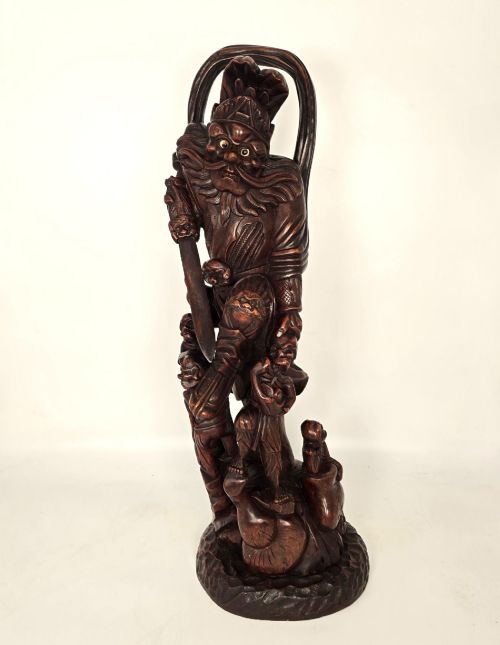
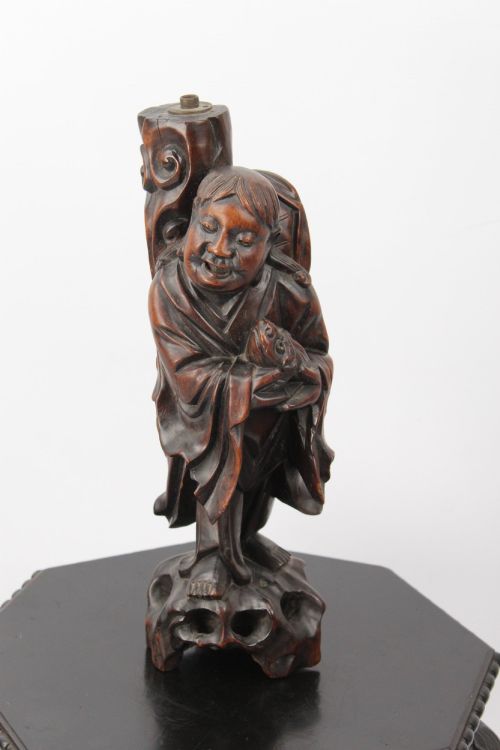
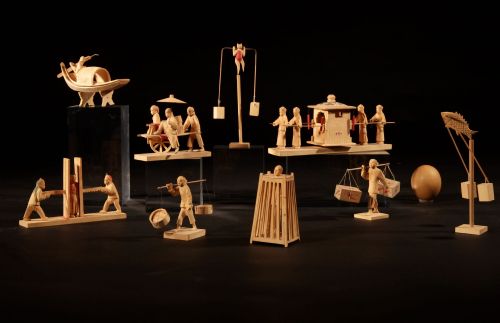
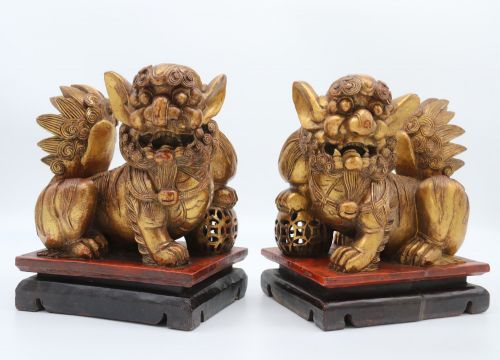
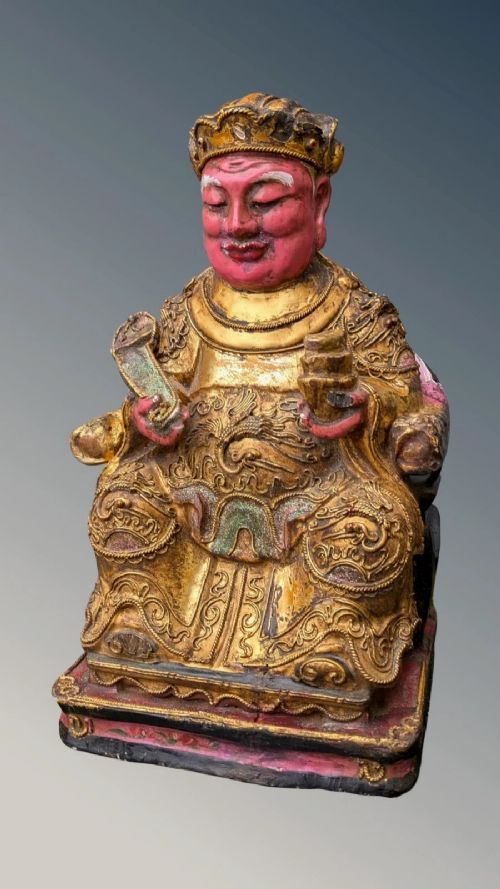
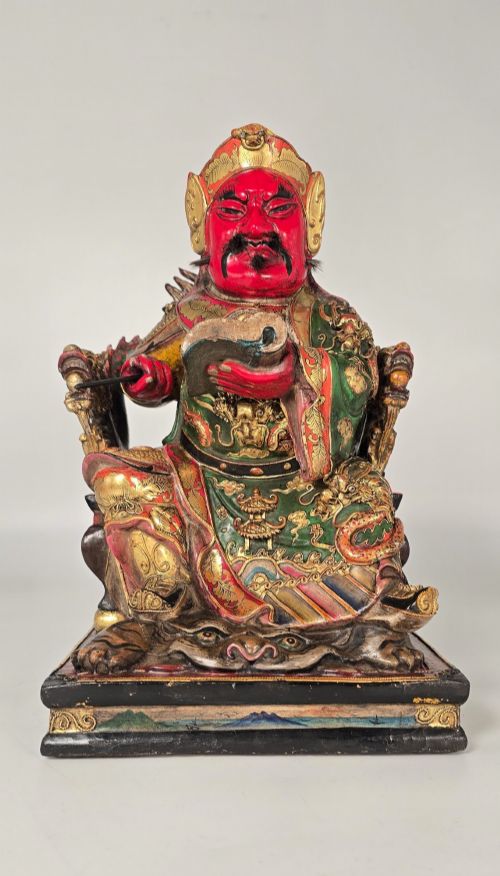
The pieces on this page appear predominantly as freestanding sculptures, scholar's desk items, and figural groups originating from Chinese and Japanese workshops. Creators shaped these works during distinct periods including the Qing Dynasty and the Meiji period, reflecting traditional iconography and regional folklore.
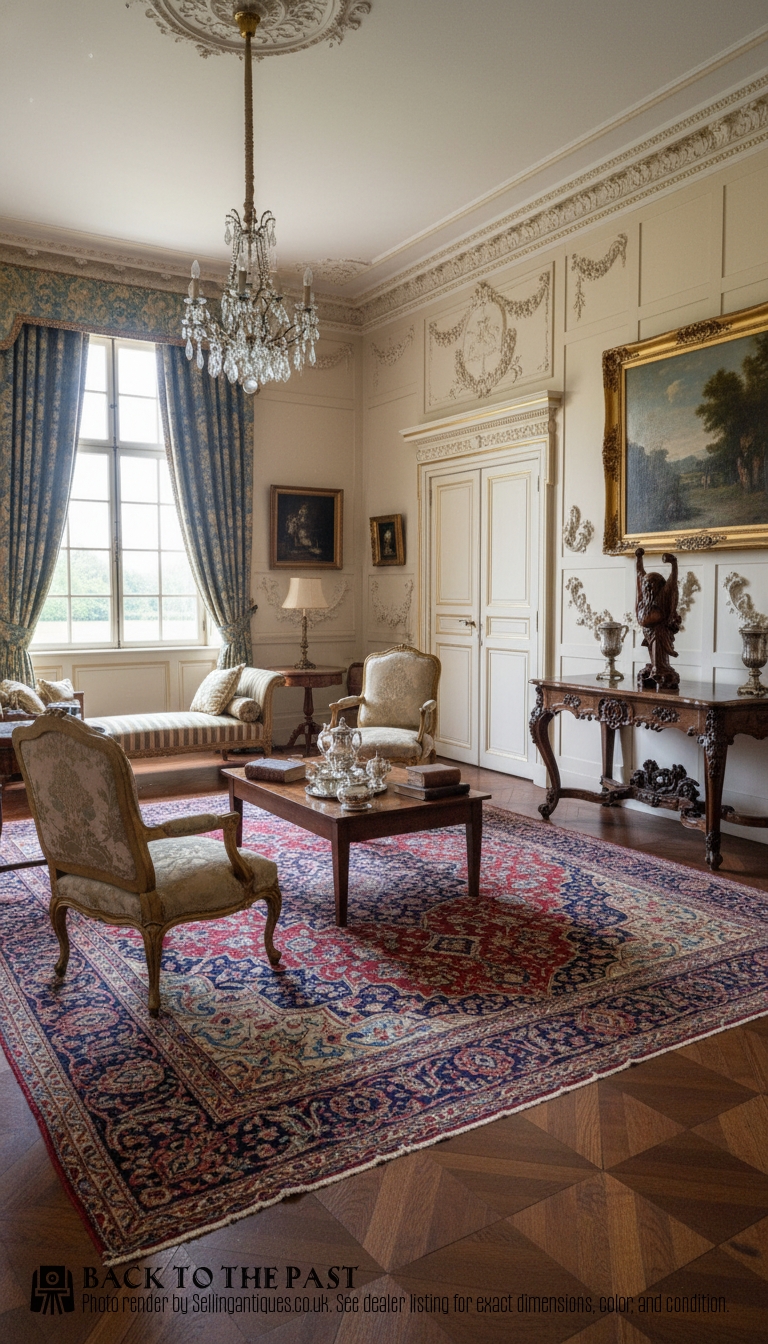
Materials and technique
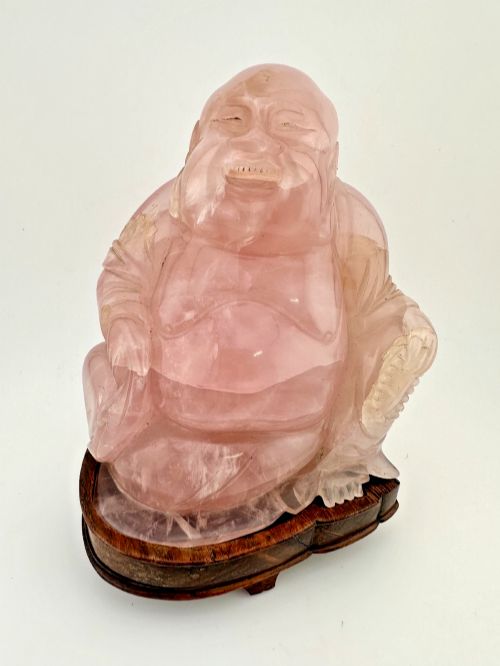
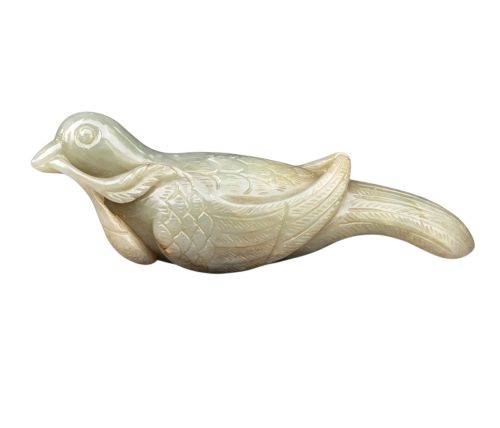
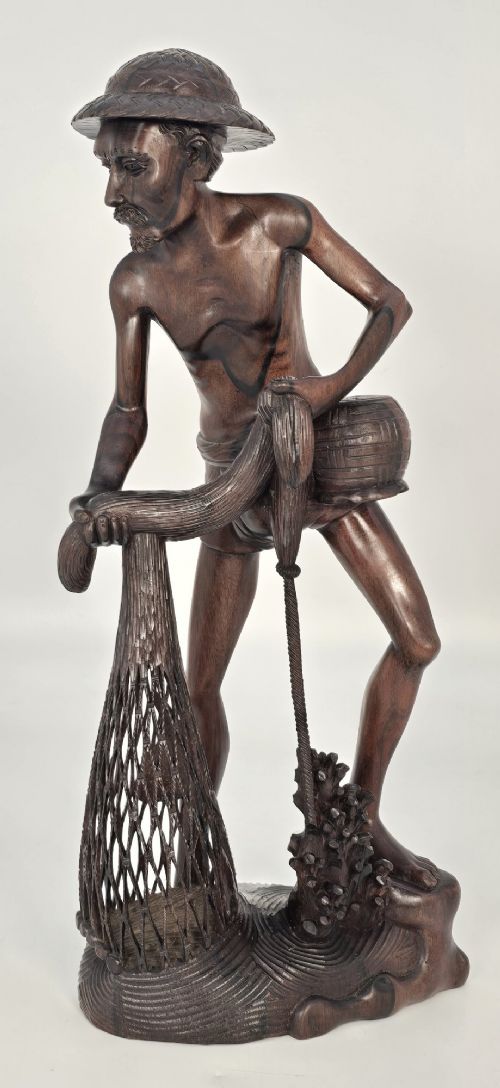
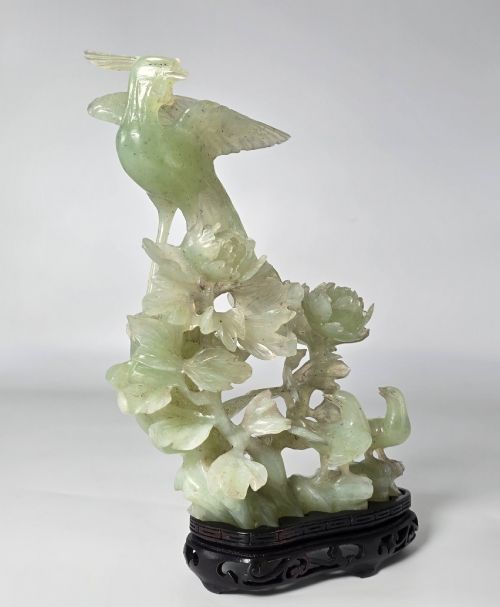
Carvers shaped these figures primarily using dense timbers such as hardwood, boxwood, and root wood, alongside mineral materials like soapstone, jadeite, and serpentine. Artisans utilised hand tools to achieve deep undercut details and smooth surfaces on organic and inorganic mediums alike.
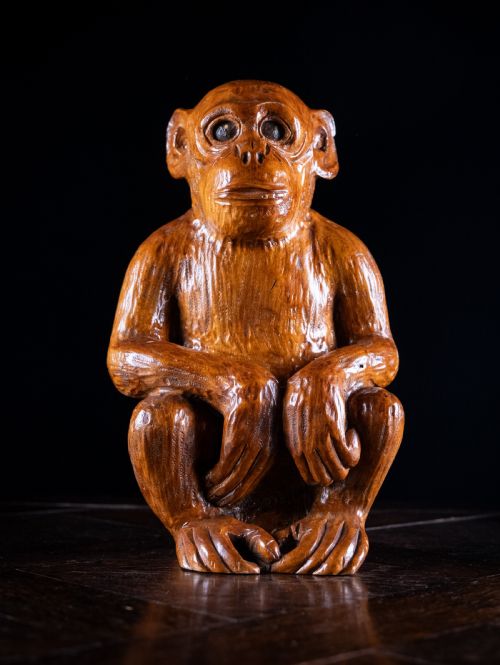
Among the deities and scholars, a carved wooden monkey and a cheerful tobacco box with a figural pipe holder wait to surprise you.
Distinguishing quality
Condition plays a role, preserving delicate extremities like fingers, implements, and applied surface elements such as lacquer and gold leaf. Superior examples demonstrate a confident harmony between the material's natural form, such as root wood or jade boulders, and the sculpted subject.
The Oriental Carved Figure Glossary
- Okimono
- A Japanese decorative freestanding sculpture intended for display on a household shelf or in an alcove. These pieces often depict historical figures, deities, or scenes from daily life.
- Budai
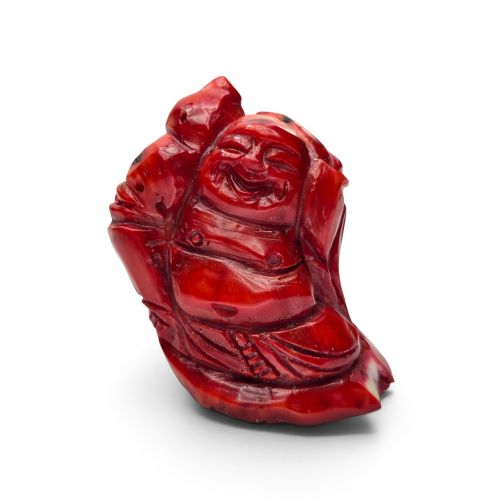
- A representation of the Laughing Buddha, typically depicted as a stout, jovial monk with a bare protruding belly. This figure symbolises contentment, abundance, and good fortune in East Asian traditions.
- Hardwood
- Dense, slow-growing timber such as hongmu utilised for intricate oriental carvings. It provides structural stability and takes a fine polish.
- Soapstone
- A soft magnesian rock favoured by carvers for its smooth texture and ease of shaping. It ranges in colour from pale green to grey and cream.
- Qing Dynasty
- The final imperial dynasty of China, lasting from sixteen forty-four to nineteen twelve. Sculptures from this era often display elaborate detail and traditional iconography.
Oriental Carved Figure: Frequently Asked Questions
What materials are oriental carved figures made from?
These sculptures are fashioned from various organic and mineral substances. Hardwood, boxwood, and root wood appear frequently, alongside stones such as jade, soapstone, serpentine, and agate.
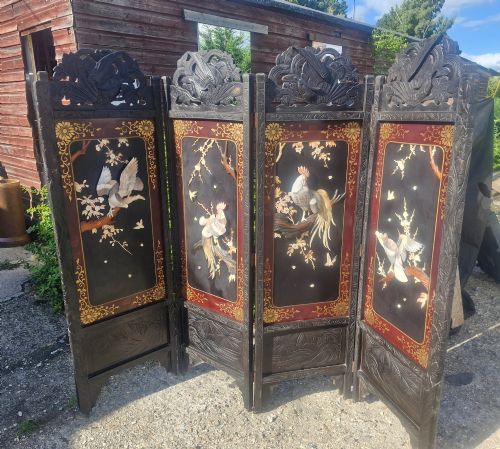
Bone and ivory also occur in specific figural groups and decorative screens. Surface treatments sometimes include lacquer, gold leaf, and polychrome pigments.
How can I tell the difference between Chinese and Japanese carvings?
Chinese pieces often depict imperial subjects, Daoist immortals, and scholars using dense hardwoods and carved stones like jade or soapstone. The stylistic approach tends toward formal symmetry and deep symbolic narrative.
Japanese works, such as Meiji period okimono, frequently focus on naturalistic daily scenes, figures in motion, and specific regional woodcarving techniques like Nata-tsukuri.
How should I display a carved figure at home?
Place wooden and stone sculptures away from direct sunlight and sudden temperature shifts to protect organic materials and lacquered surfaces. Many hardwood figures are designed to rest upon dedicated fitted wooden stands.
Ensure the display area offers adequate stability, as heavy stone and hardwood carvings require firm support.
What do figures like Budai and Shoulao represent?
Budai represents contentment, generosity, and future abundance through his laughing expression and prominent sack. Shoulao, the Taoist god of longevity, appears as an elderly figure with a high forehead and a staff, symbolising health and long life.
Other common subjects include scholars, fishermen, and deities, each carrying specific cultural meanings related to virtue and prosperity.