





Oriental Brass Figures
Oriental brass figures bring centuries of Himalayan, Indian and Chinese craftsmanship directly into your rooms through substantial cast metal work.
Oriental Brass Figures
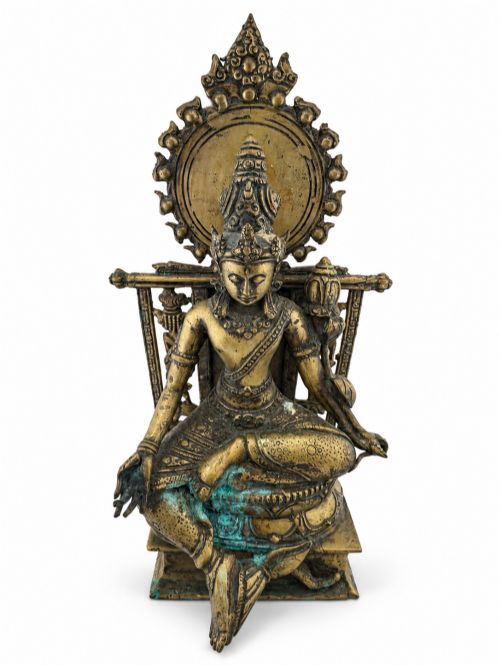
Oriental brass figures encompass a diverse array of cast metal sculptures, deity figures, temple animals and decorative objects originating from various Asian traditions. When exploring this selection, buyers frequently encounter Tibetan and Nepalese Buddhist deities, Chinese imperial figures, and Indian animal sculptures.
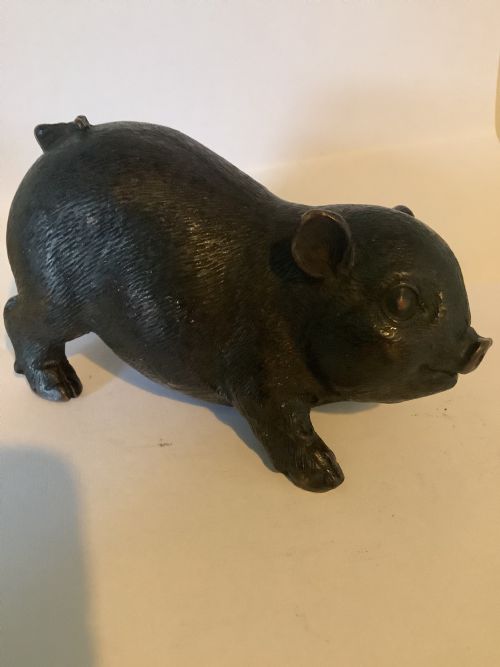
The pieces span multiple centuries, with nineteenth-century examples and early twentieth-century creations appearing regularly. Forms range from heavy temple lions and seated Buddhas to smaller decorative figures such as dragons, money toads and pigs.
How they were made
The majority of these pieces utilise traditional casting techniques in brass, bronze and copper alloy, frequently enhanced with gilding or applied enamel. Artisans employed lost-wax methods to achieve intricate surface details, engraving and sculptural depth.
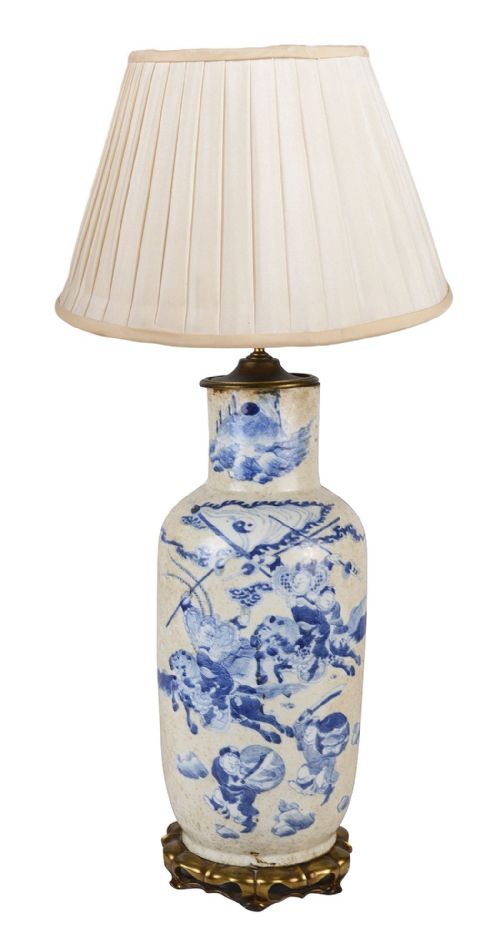
Certain objects incorporate mixed materials, combining cast metal bodies with cloisonne enamel details, porcelain components, or textile elements such as lamp shades. Surface treatments vary from polished finishes to aged patination developed over decades.
Oriental Brass Figures Retail Price Guide 2026
Typical asking prices for oriental brass figures among the pieces listed under this phrase on Sellingantiques today, from the lower quarter to the upper quarter. They describe what is for sale here now, not the wider market.
A cheerful bronze money toad sits ready to attract wealth into the room, holding a coin securely in its mouth.
What varies in quality
The sophistication of the original design and the preservation of any original gilding, enamelling or patination distinguish finer workshop output from standard decorative production.
The Oriental Brass Figures Glossary
- Cloisonne
- Enamelling technique where thin metal wires form raised barriers on a metal base to contain coloured enamel pastes before firing. This method creates intricate patterned surfaces across decorative vessels and figures.
- Gilt bronze
- Metal substrate coated in a thin layer of gold using traditional fire-gilding or mercury gilding methods. The technique imparts a luminous metallic sheen that endures for centuries.
- Lost-wax casting
- Method of creating metal sculptures from an original wax model encased in a mould, which is melted away to receive molten metal. This process permits complex undercut details and unique forms.
- Patina
- Surface coloration and texture developed through age, handling, and oxidation on metal objects. A stable patina indicates natural historical ageing rather than modern chemical treatment.
- Sino-Tibetan
- Stylistic category describing art produced under the cultural and religious interchange between China and Tibet. These works frequently combine Tibetan Buddhist iconographies with Chinese casting techniques.
Oriental Brass Figures: Frequently Asked Questions
How do I clean antique brass?
Dust these pieces gently with a soft, dry brush to prevent the accumulation of particles in recessed carved areas. Avoid commercial liquid cleaners that strip away historical surface patination.
Preserving the aged surface maintains the visual character and historical integrity of nineteenth-century and early twentieth-century metalwork.
Are these figures solid metal?
Many oriental figures are cast as solid metal objects, particularly smaller scroll weights and compact animal sculptures. Larger temple lions and statues are frequently hollow-cast to manage weight and material usage.
Lifting a piece usually reveals its density, though hollow castings remain structurally robust due to thick metal walls.
How do I identify Tibetan bronzes?
Tibetan bronze sculptures often depict specific Buddhist deities, such as Green Tara or seated Buddhas, modelled with distinct iconographic attributes. They frequently display characteristic lotus bases and traditional Himalayan casting traits.
Examining the underside and casting seams helps distinguish regional production methods from later revival pieces.
Can I use these lamps safely?
Pieces converted into table lamps utilise structural elements from earlier vases, urns, or sculptural figures. Electrical components should be inspected by a qualified professional to ensure they meet current safety standards.
Wiring can usually be updated without altering the antique metal or ceramic body of the original object.
What is a temple lion?
Temple lions are traditional guardian figures placed outside sacred spaces or altars to ward off negative influences. They are typically depicted in pairs, featuring stylised mannes and powerful muscular forms.
In domestic settings, these substantial bronze or brass pairs serve as striking decorative mantel or surface ornaments.