


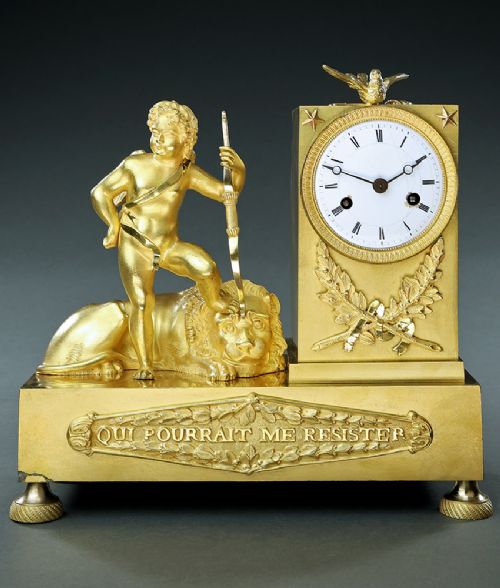


Gilt Bronze Lions
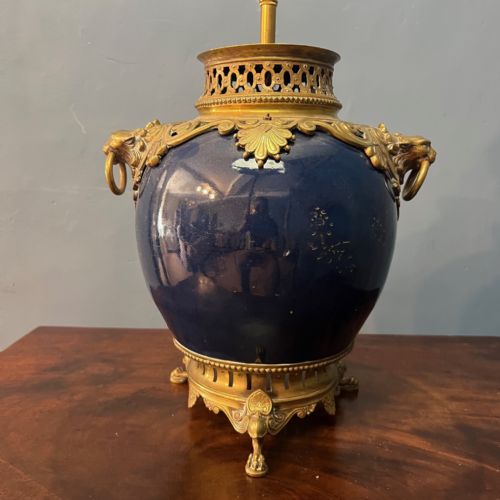
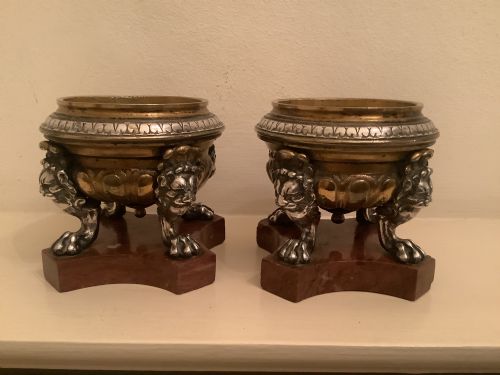
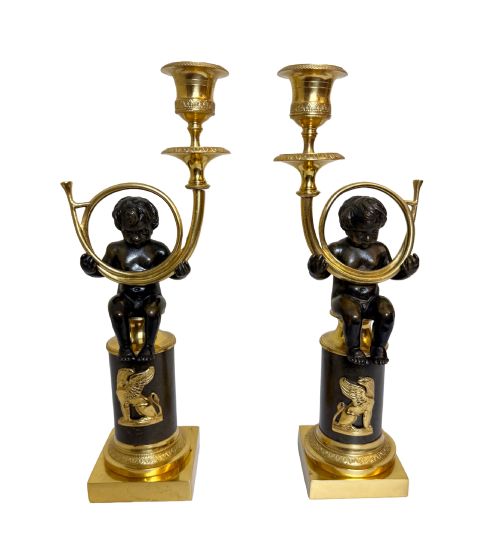
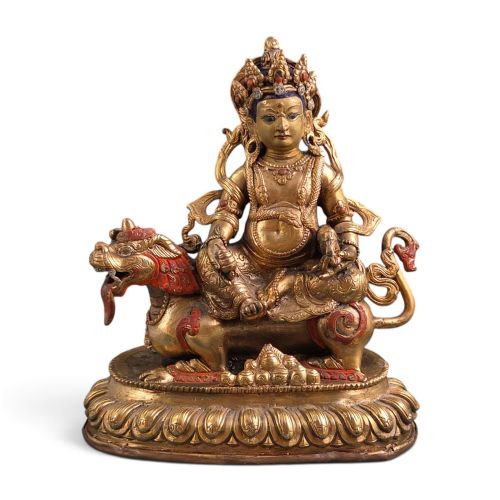
These gilt bronze lions bring sculptural weight and warm metallic sheen to a room, ranging from fierce mantel clocks to grand architectural mounts.
Gilt Bronze Lions
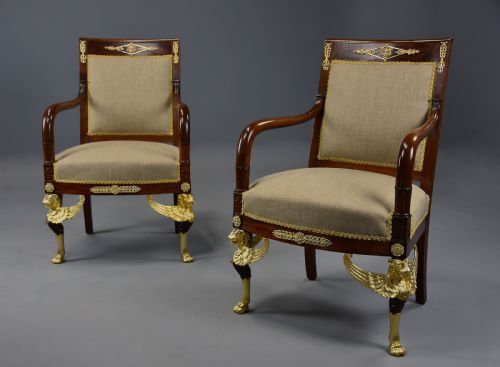
You are most likely to meet French Empire and Victorian interpretations on this page, often integrated into clock cases, inkstands, and furniture mounts. These pieces draw heavily on classical antiquity and the Grand Tour tradition, placing the king of beasts atop marble bases or beside column supports.
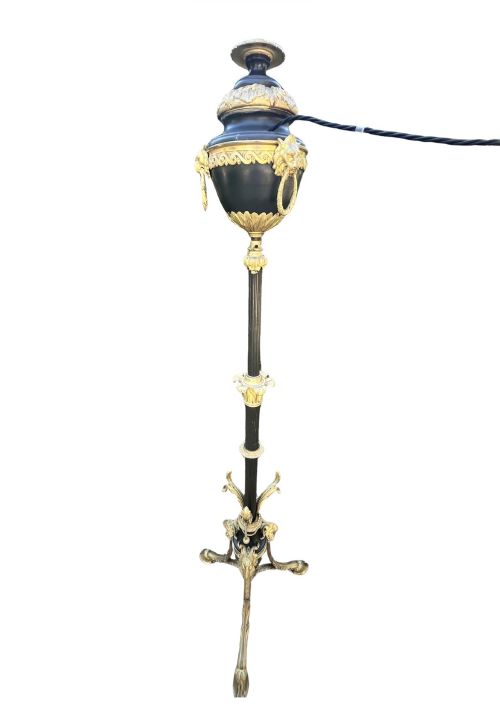
The materials paired with these figures include patinated bronze, white marble, Sienna marble, and mahogany, reflecting nineteenth-century and Regency tastes. Alongside full sculptures of roaring beasts, you find practical domestic items where the lion forms feet, handles, or decorative masks.
Crafting the Metal
The physical presence of these pieces relies on metal casting and mercury gilding or electroplating, which deposited a rich golden layer over bronze or brass. Artisans chased the cooled metal surfaces by hand to sharpen the mane details, claws, and facial expressions before mounting the sculpture to a stone base.
Stone is frequently combined with the metal work, using turned marble columns, alabaster bodies, or stepped plinths to anchor the heavy cast components. Ormolu mounts are pinned or screwed directly into mahogany, rosewood, and marble structures, uniting foundry work with cabinetmaking.
Gilt Bronze Lions Retail Price Guide 2026
Typical asking prices for gilt bronze lions among the pieces listed under this phrase on Sellingantiques today, from the lower quarter to the upper quarter. They describe what is for sale here now, not the wider market.
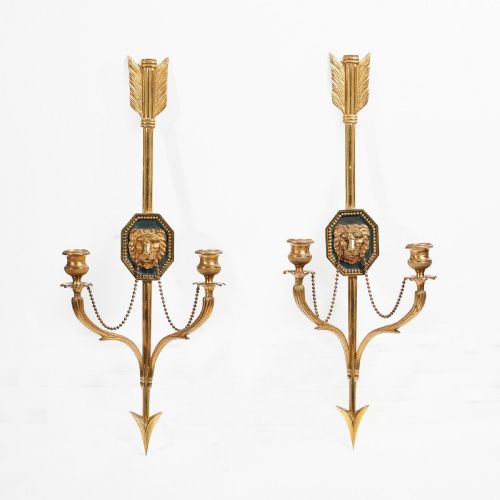
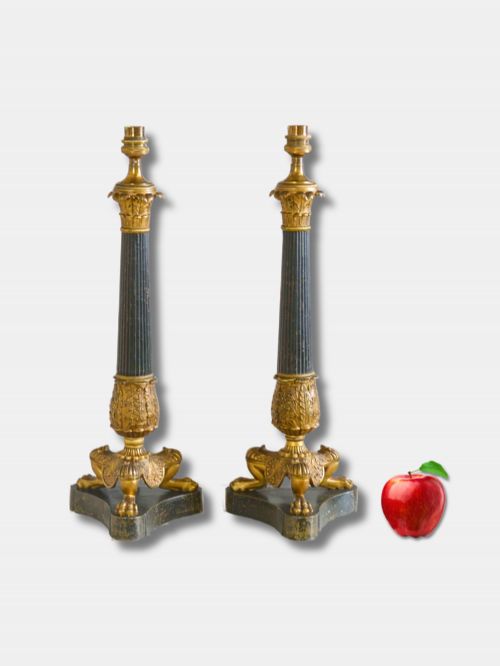
Lions appear guarding clock faces, holding up candlesticks, serving as inkwells, and standing solemnly as temple guardians.
Assessing the Workmanship
Quality reveals itself in the crispness of the chasing and the depth of the metal finish, where superior examples show distinct individual hairs in the mane rather than soft, rounded lumps. The fidelity of the anatomy and the expressive power of the animal separate masterworks from mass-produced foundry items.
The selection of the base material matters equally, distinguishing dense, finely veined marble or carefully turned hardwoods from lesser stones and generic timber. Signed pieces by known Animalier sculptors command higher regard due to documented artistry and superior foundry execution.
Paul-Édouard Delabrièrre·Le Courtier·George Smith
The Gilt Bronze Lions Glossary
- Ormolu
- Finely chopped gold or gold amalgam applied to a bronze base through mercury gilding, creating a bright yellow metallic surface. This technique was widely practiced in France during the eighteenth and nineteenth centuries.
- Animalier
- A nineteenth-century artistic movement focused on the realistic depiction of animals, particularly predators in motion or repose. Sculptors working in this style studied live beasts closely at menageries.
- Grand Tour
- The traditional trip of Europe undertaken by upper-class young men to absorb classical art and culture. Tourists frequently acquired bronzes, architectural fragments, and small sculptures as mementos.
- Chasing
- The manual finishing of a metal casting using small steel punches and hammers to refine details and texture the surface. High-grade pieces display exceptionally sharp chisel work.
Gilt Bronze Lions: Frequently Asked Questions
What is the difference between gilt bronze and ormolu?
Gilt bronze and ormolu describe essentially the same material composition of a copper-alloy metal treated with a gold coating. Ormolu is the traditional term specifically associated with French decorative arts and mercury gilding practices.
In practical terms, older pieces from the eighteenth and early nineteenth centuries often use the term ormolu to denote French fire-gilt mounts, while gilt bronze applies broadly to various international foundry traditions.
How do I care for gilt bronze lion sculptures?
Maintenance requires only gentle dusting with a soft, dry brush to prevent dirt accumulation in the crevices of the mane and casting. Avoid commercial metal cleaners and abrasive cloths, which strip away the historic gold layer.
Keep the pieces away from direct moisture and strong heat sources to protect any integrated marble bases or wooden elements from cracking.
Where were these lion figures displayed originally?
Nineteenth-century interiors incorporated these bronze lions into formal reception rooms, libraries, and studies as symbols of strength and classical taste. Mantel clocks and inkstands sat upon prominent fireplaces and partner desks.
Larger sculptures stood upon pedestals or console tables, while smaller animalier bronzes found places among book collections and display cabinets.
How can I tell a nineteenth-century piece from a later revival?
Nineteenth-century castings generally exhibit heavier metal weight, hand-finished chasing work, and natural patination that develops over decades of handling. Revival pieces often display machine-tooled surfaces and brighter, uniform finishes.
Examining the construction fasteners, such as hand-cut screws or threaded posts holding the base together, offers further clues to the manufacturing era.