

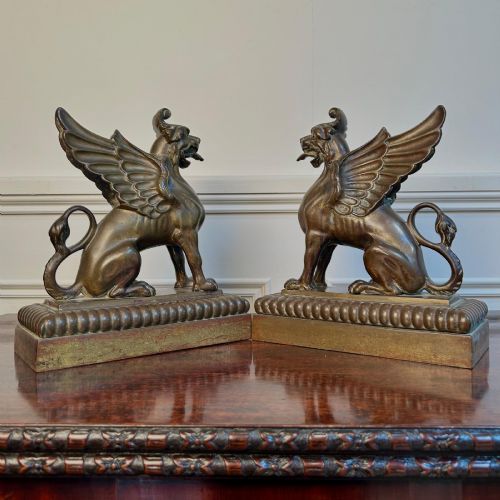


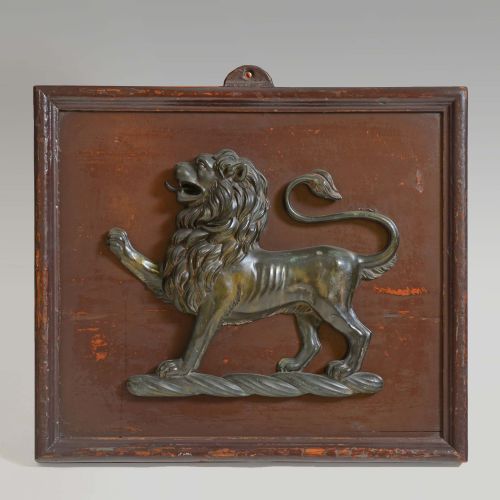


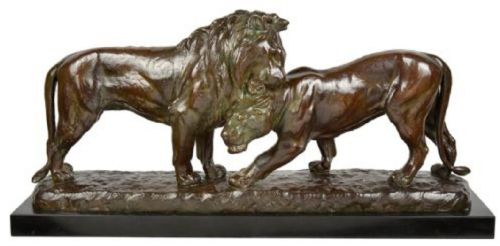


Cast Bronze Lion Pair
A cast bronze lion pair brings commanding presence to a room, cast in heavy metal and patinated to show every muscle and mane.
Cast Bronze Lion Pair
A cast bronze lion pair encompasses sculptural figures, architectural bookends, door stops, and temple guardians sourced from various global traditions.
You are most likely to encounter nineteenth-century interpretations on this page, ranging from Grand Tour souvenir models to French animalier studies and Tibetan temple lions.
These matched pairs appear in diverse forms including seated figures, heraldic crests, and functional mantel ornaments cast in solid metal.
Manufacturing and Materials
Foundries utilised traditional metal casting techniques to shape molten bronze into detailed animal forms, frequently applying chemical patination to darken the surface.
Certain pieces combine cast bronze with secondary materials such as marble plinths, timber bases, or cold-painted pigments to enhance their decorative finish.
Cast Bronze Lion Pair Retail Price Guide 2026
Typical asking prices for cast bronze lion pair among the pieces listed under this phrase on Sellingantiques today, from the lower quarter to the upper quarter. They describe what is for sale here now, not the wider market.
Materials recorded across the archive include solid bronze, gilt bronze, cast-iron with bronze patination, and portoro marble.
Assessing Quality and Execution
Quality rests upon the crispness of the metal chasing and the naturalism of the musculature, where superior casting captures fine details in the mane and paws.
The depth of the original patination and the presence of stable mounts, such as marble or stone plinths, distinguish high-end commissions from standard decorative foundry work.
C Omin·Louis Riche·Bergman
The Cast Bronze Lion Pair Glossary
- Patination
- The surface coloration achieved naturally over time or through chemical application by the foundry. This finish protects the metal and defines the shadows in the casting.
- Grand Tour
- A cultural journey undertaken by nineteenth-century travellers who collected small-scale classical bronze sculptures as souvenirs. These souvenir models often replicated famous monuments.
- Animalier
- A nineteenth-century artistic movement focused on the realistic portrayal of animals. Sculptors in this tradition worked closely with foundries to capture creatures in lifelike poses.
- Ormolu
- Finely ground high-carat gold mercury-gilded onto a bronze object. This luxurious technique creates a bright golden finish seen on decorative fireplace chenets.
Cast Bronze Lion Pair: Frequently Asked Questions
Where should I display a cast bronze lion pair?
These heavy metal figures suit heavy furniture such as library mantelpieces, sideboards, or large desks where their weight provides stability.
They also function effectively as floor-standing door stops or fireplace ornaments depending on their scale and original intended use.
How do I clean antique bronze lions?
Dust the surface gently with a soft dry brush to prevent dirt accumulation in the recessed areas of the casting.
Avoid using abrasive metal polishes or harsh chemical cleaners, as these substances will strip the historical patination and damage the metal.
How do I distinguish Grand Tour pieces?
Grand Tour pieces typically date from the nineteenth century and replicate famous classical sculptures encountered by travellers in Europe.
They are characterised by meticulous casting and often feature deep patination designed to mimic ancient excavated artefacts.
What is the difference between temple lions and animalier lions?
Temple lions originate from Asian Buddhist traditions, often depicted as stylised guardians with ornate manes and spiritual iconography.
Animalier lions reflect nineteenth-century European naturalism, focusing on realistic anatomical studies of wild cats in repose or motion.