


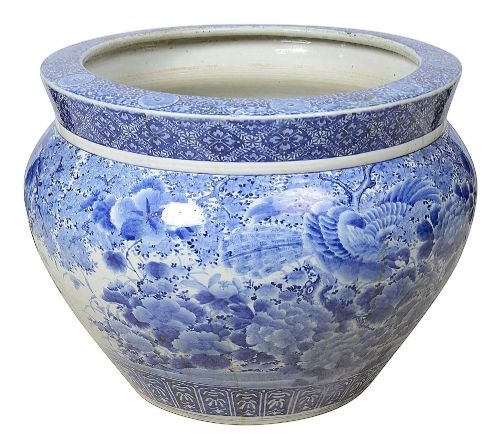
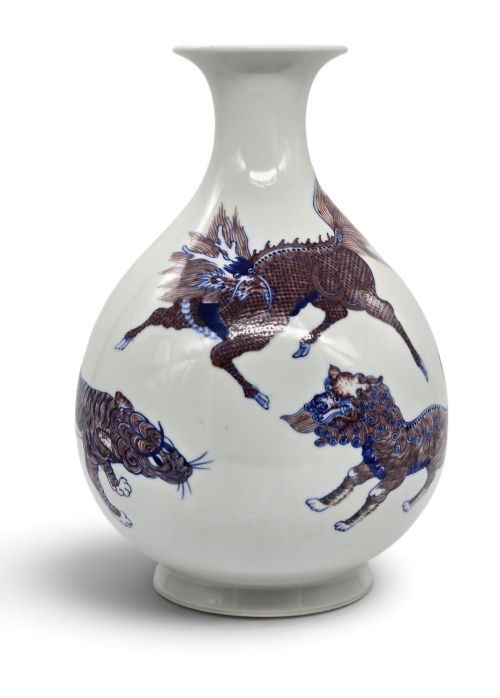
Oriental Blue White Porcelain
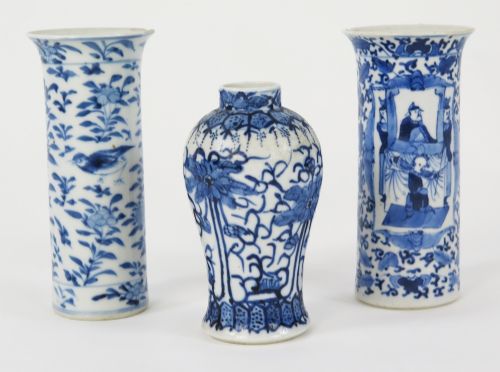
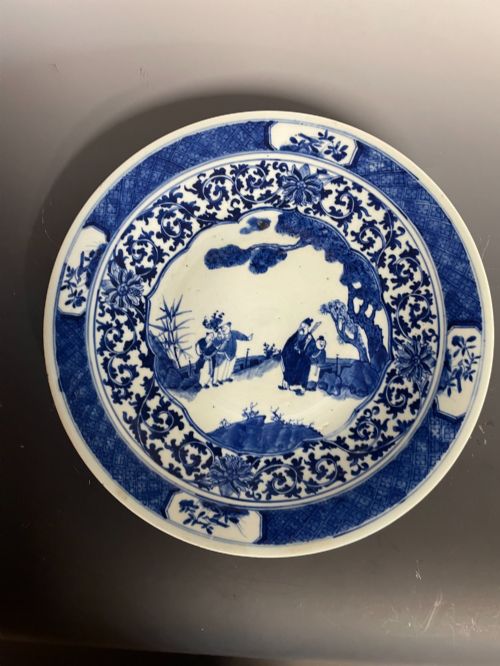
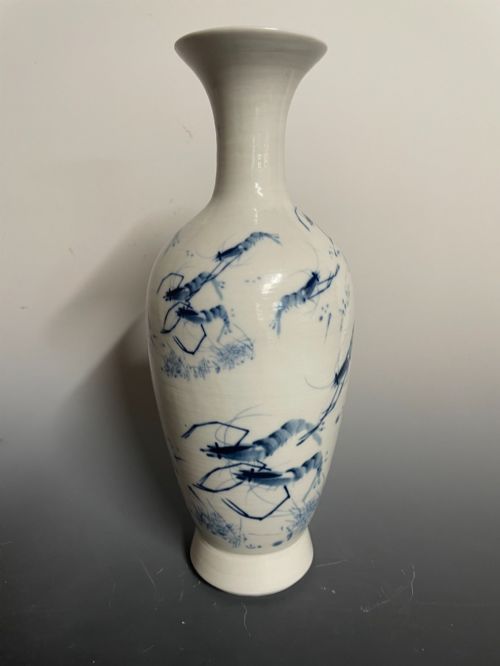
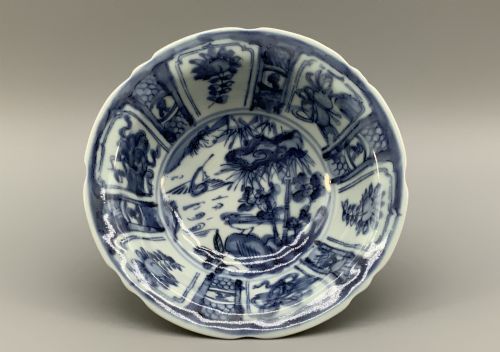
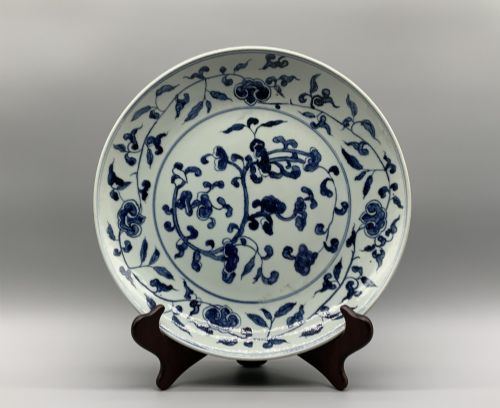
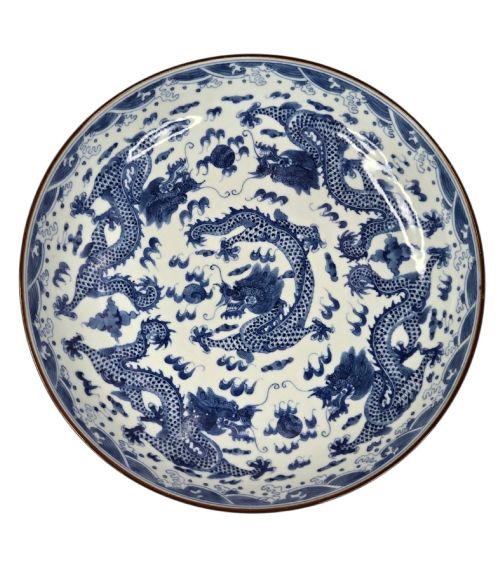
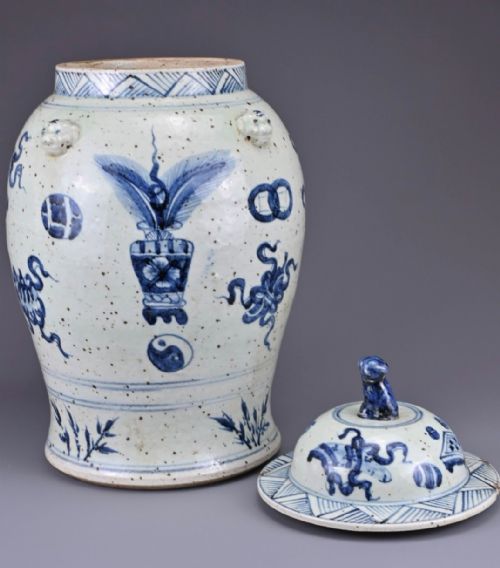
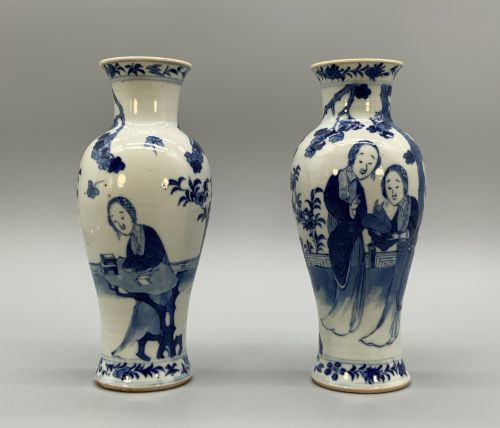
Oriental blue white porcelain brings centuries of ceramic artistry into your home through enduring vessels decorated in cobalt underglaze.

Oriental Blue White Porcelain
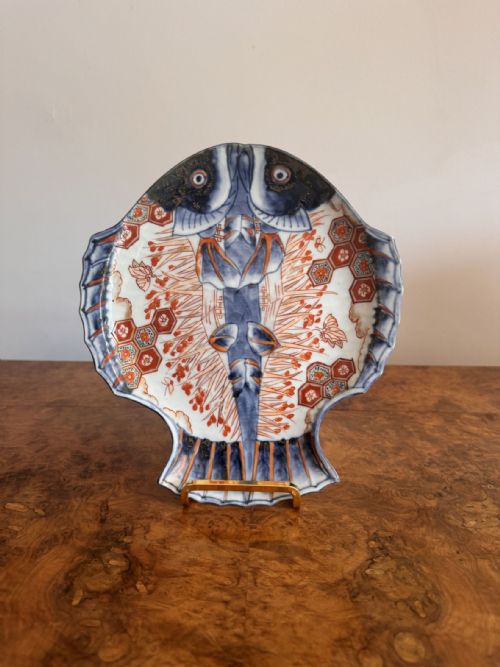
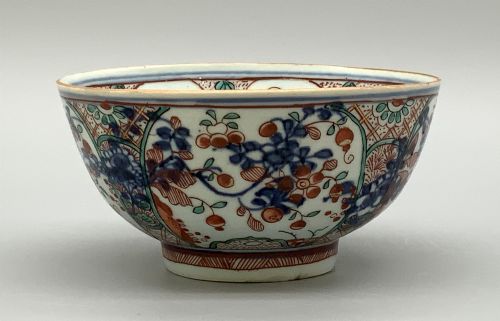
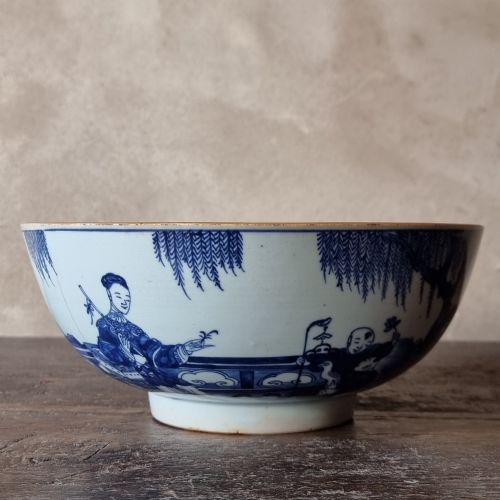
The objects stem predominantly from Chinese and Japanese traditions, spanning periods from the late seventeenth century through the Qing Dynasty and the nineteenth century. Common domestic expressions include lobed bowls, punch bowls, and scalloped plates shaped with distinct regional aesthetics.
Many survivors transition into modern interiors as table lamps or decorative display centerpieces while retaining their original ceramic bodies. The selection on this page relies heavily on historical export wares and traditional domestic production.
Materials and Techniques
Potters shape white ceramic and porcelain bodies before applying cobalt pigment beneath a clear glaze. Firing at high temperatures fuses the cobalt underglaze into the paste, producing deep blue designs that range from soft washes to sharp outlines.
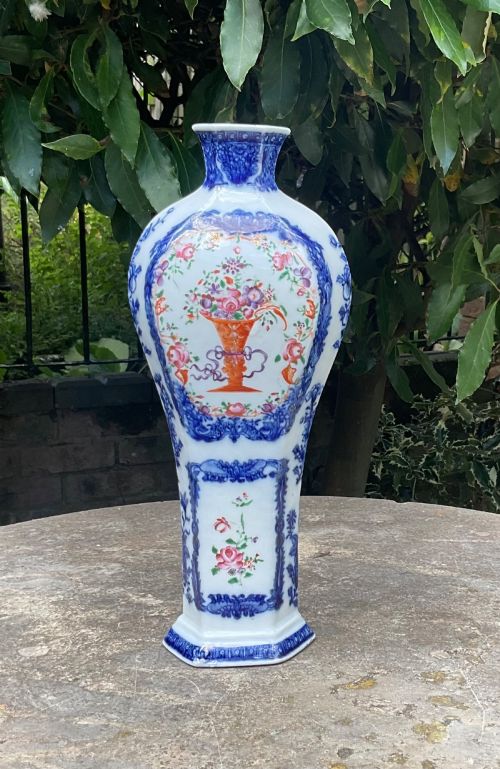
Certain pieces incorporate additional enamels, copper-red accents, or brass mounts applied during later conversions or original production. Glazes vary from smooth, glossy surfaces to thicker celadon or crackle finishes depending on the kiln source.
Listings feature porcelain, ceramic, and brass across seventeenth, eighteenth, and nineteenth-century periods.
Judging Quality
Quality rests in the crispness of the cobalt painting, the purity of the white porcelain body, and the balance of the overall form. Master painters achieve fluid brushwork and deep tonal variation that elevate standard vessels into significant works of art.
Proportions dictate visual appeal, particularly in large chargers, double-gourd vases, and jardinières where symmetry is essential. The integration of glaze and clay body reveals the technical mastery of the period kiln.
The Oriental Blue White Porcelain Glossary
- Cobalt Underglaze
- A blue pigment applied directly to the ceramic body before glazing and firing. This technique protects the pigment beneath a glossy vitreous layer.
- Charger
- A large decorative plate or platter utilised historically for formal presentation or display. These broad surfaces often showcase intricate painted landscapes and figural scenes.
- Jardinière
- A large ceramic pot designed to hold live plants or floral arrangements. They frequently feature heavy porcelain walls and robust proportions.
- Kangxi Period
- An era spanning the late seventeenth and early eighteenth centuries known for exceptional porcelain refinement. Pieces from this time display brilliant cobalt blue tones and meticulous painting.
- Imari
- A style of Japanese export porcelain characterised by blue and white designs often accompanied by iron red and gilt highlights. Production centred around the town of Arita during the Edo period.
Oriental Blue White Porcelain: Frequently Asked Questions
How do I date oriental blue white porcelain?
Dating relies on stylistic markers, potting techniques, and foot-ring characteristics consistent with specific dynasties and reigns. Imperial marks offer helpful clues, though many export pieces bear apocryphal or symbolic marks.
Examining the depth of the cobalt underglaze and the texture of the porcelain paste further clarifies the period of origin.
Were these vessels made for export?
Many surviving pieces were manufactured specifically for trade markets in Europe and beyond, blending Asian manufacturing methods with Western tastes. Forms like punch bowls and large chargers frequently reflect international demand.
Other items remained within domestic spheres or served regional diplomatic and utilitarian functions before entering the collector market.
Can I use antique jardinières for plants?
Heavy porcelain jardinières and bowls accommodate modern interior planting when handled with care. Drainage trays protect delicate surfaces from moisture damage.
Many collectors prefer to display these large vessels empty to preserve the interior glaze and historical integrity.
How should I clean porcelain lamps?
Dust ceramic lamp bodies gently with a soft, dry cloth to prevent abrasion to the glaze. Avoid harsh chemical cleaners that might compromise old wiring or metal mounts.
Keep electrical components away from water during routine maintenance.