




Antique Asian Porcelain Saucers
These antique asian porcelain saucers bring centuries of kiln artistry to your table, offering delicate hand-painted motifs and rich historical depth.
Antique Asian Porcelain Saucers
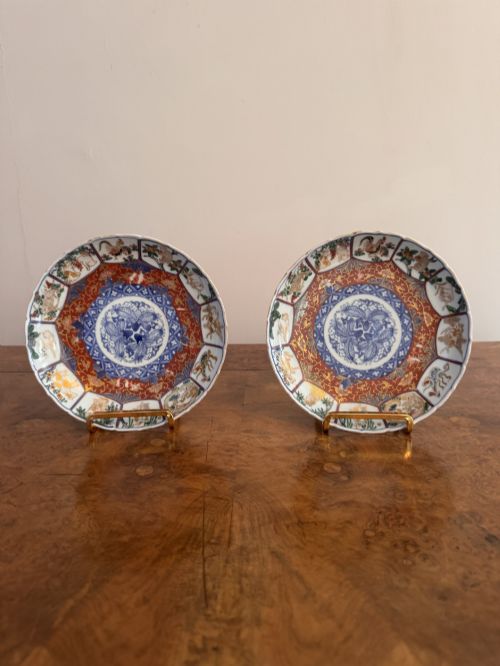
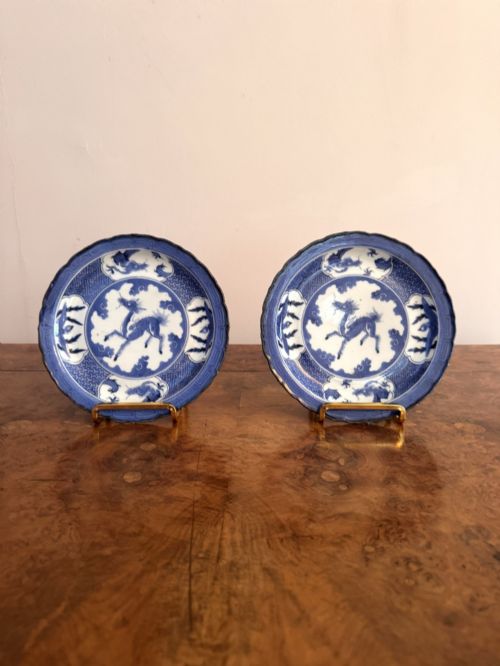
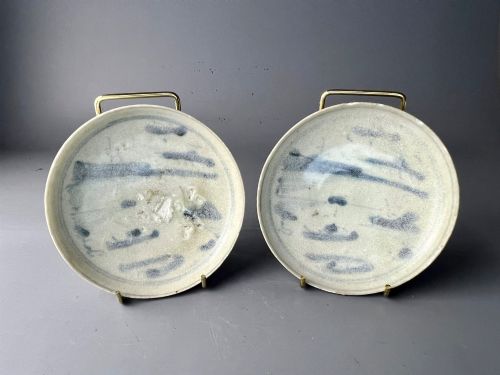
When you search for antique asian porcelain saucers, you step into a diverse field of small ceramic dishes originating from China and Japan across multiple centuries. The pieces available here range from seventeenth-century shipwreck cargo to nineteenth-century Japanese imari plates and export wares.
You are most likely to encounter eighteenth- and nineteenth-century examples, particularly Japanese imari small plates and Chinese export tea wares. These items span various forms including decorative dishes, small plates, and matched or near-matched cups and saucers.
The assortment reflects traditional craftsmanship from distinct eras such as the Qing Dynasty and the Meiji period. Each saucer or small plate carries the distinct aesthetic priorities of its maker and original marketplace destination.
Materials and techniques
The foundation of these objects is hard-paste or soft-paste porcelain shaped on the wheel or in moulds before firing at high temperatures. Artisans frequently applied cobalt blue underglaze beneath a clear glass-like coating prior to the main kiln run.
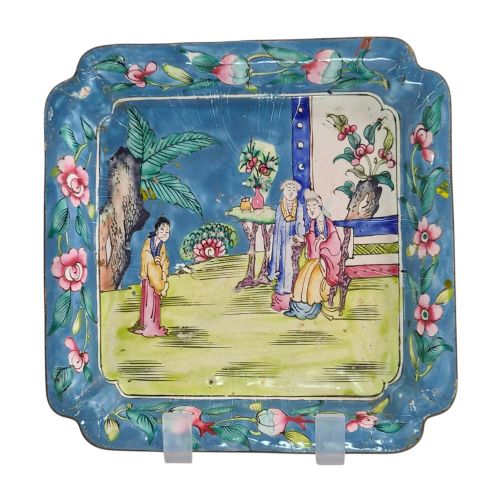
Overglaze decoration often includes polychrome enamel paints and delicate applications of gold leaf to create intricate surface patterns. Techniques such as Canton enamelling and Satsuma earthernware production demonstrate the varied regional methods utilised across Asia.
Antique Asian Porcelain Saucers Retail Price Guide 2026
Typical asking prices for asian porcelain saucers among the pieces listed under this phrase on Sellingantiques today, from the lower quarter to the upper quarter. They describe what is for sale here now, not the wider market.
Some saucers survived centuries at the bottom of the sea aboard shipwreck cargo vessels before finding their way onto modern display shelves.
Quality variations
The refinement of the painted brushwork separates ordinary production from superior examples, with finer pieces displaying precise control and detailed figurative or floral motifs. The clarity of the cobalt glaze and the crispness of the porcelain body also indicate the skill of the original kiln.
Preservation of overglaze enamel and gold leaf adds significantly to the standing of a piece, as does the presence of clear reign marks or maker signatures like the Fuku mark. Consistency within a matched set or pair dictates its relative desirability among collectors.
The Antique Asian Porcelain Saucers Glossary
- Cobalt Underglaze
- A blue pigment applied to the raw porcelain body before glazing and firing, which reacts to high heat to produce a permanent cobalt hue.
- Imari
- A style of Japanese porcelain featuring a distinctive palette of underglaze blue, iron red, and gilt highlights, originating from the town of Arita.
- Canton Enamel
- A type of polychrome enamel decoration applied to metal or porcelain objects, associated with the workshops of southern China.
- Meiji Period
- The era in Japanese history spanning from 1868 to 1912, known for opening international trade and producing highly detailed export wares.
- Chinese Export
- Porcelain specifically manufactured in China during the Qing dynasty and earlier for markets in Europe and the West.
Antique Asian Porcelain Saucers: Frequently Asked Questions
How do I date an antique saucer?
Dating relies on stylistic clues, kiln marks, and the specific palette used in the decoration. Comparing the potting style to known period examples helps narrow down the decade.
Changes in trade routes and imperial reigns also provide reliable markers for Chinese export and Japanese Meiji period items.
Can I use these saucers daily?
While these pieces were originally functional tea wares, their age and delicate enamel or gilt details suggest careful handling. Hand washing is essential to preserve the fragile overglaze decorations.
Many collectors prefer to display them or reserve them for occasional gentle use rather than everyday dining.
What is Japanese Imari?
Japanese Imari is a traditional style of porcelain produced in Arita and exported through the port of Imari. It is easily recognised by its vibrant blue and red colour scheme, often enhanced with gold leaf.
This style became immensely popular in the West during the seventeenth and eighteenth centuries.
Are marks important on Asian porcelain?
Marks provide clues to the workshop, period, or intended imperial reign of a piece. However, many genuine export pieces bear apocryphal marks or no marks at all.
Evaluating the quality of the paste and painting remains more important than relying solely on a stamped or painted signature.