





Meiji Period Porcelain Dishes
Meiji period porcelain dishes bring skilled Japanese craftsmanship and rich patterns into the home through plates, bowls, and chargers.
Meiji Period Porcelain Dishes
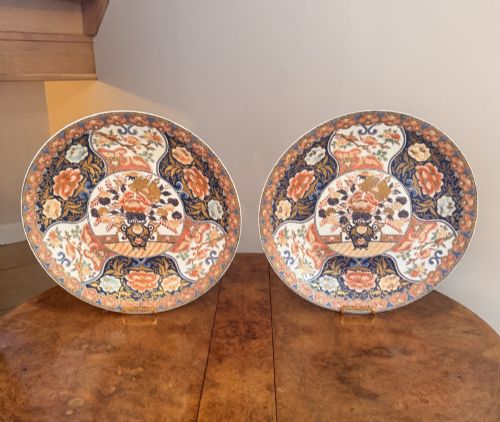
When you search for meiji period porcelain dishes, you encounter plates, bowls, and chargers originating from Japan during the late nineteenth and early twentieth centuries. These pieces encompass decorative forms ranging from small cabinet plates to large display chargers.
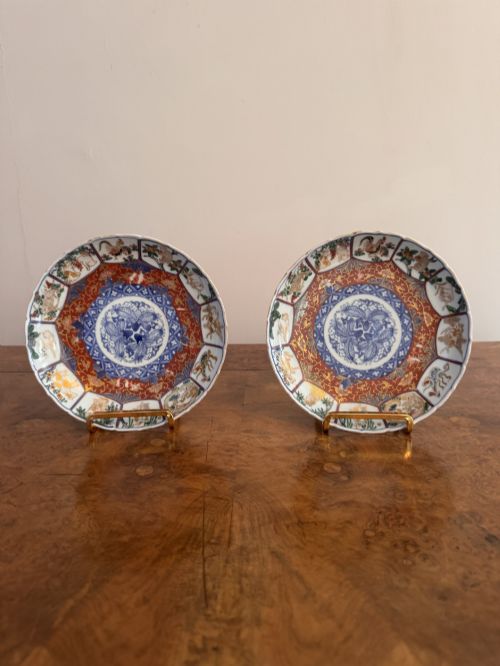
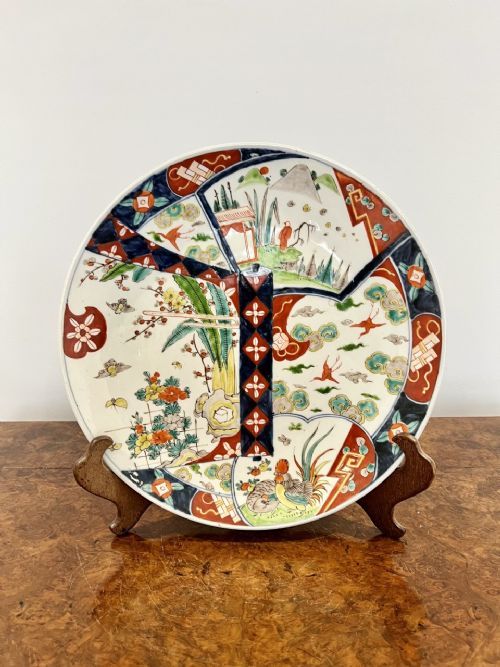
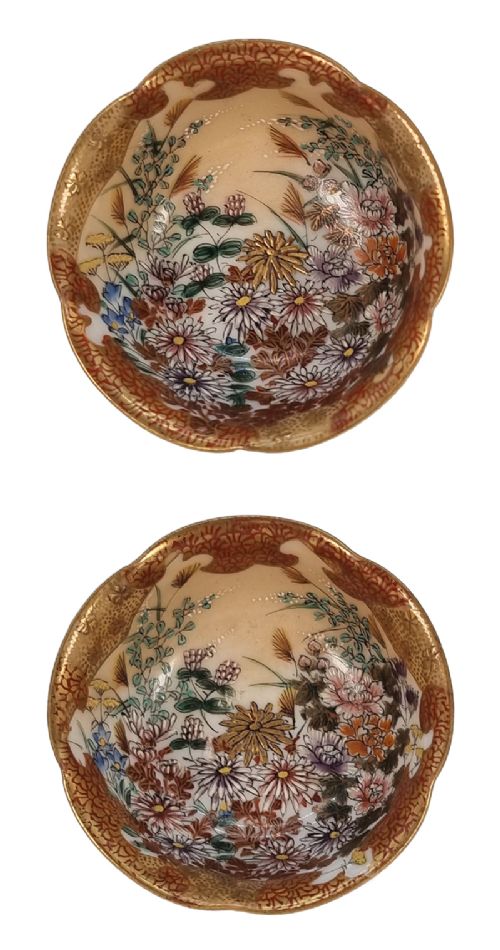
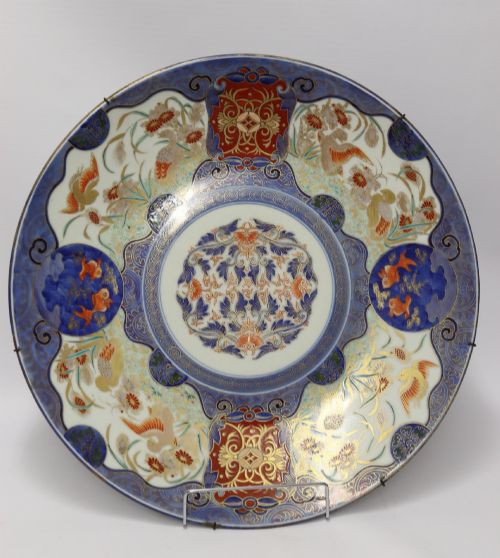
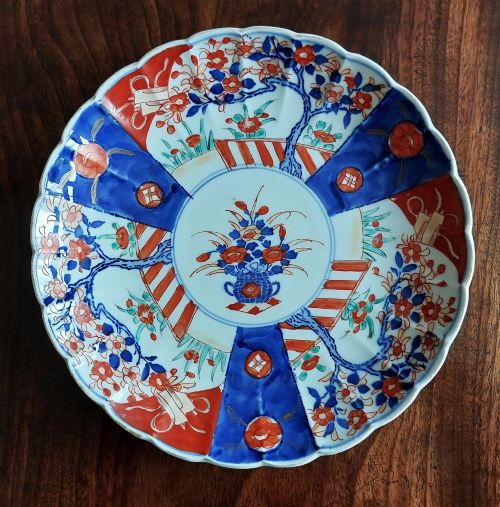
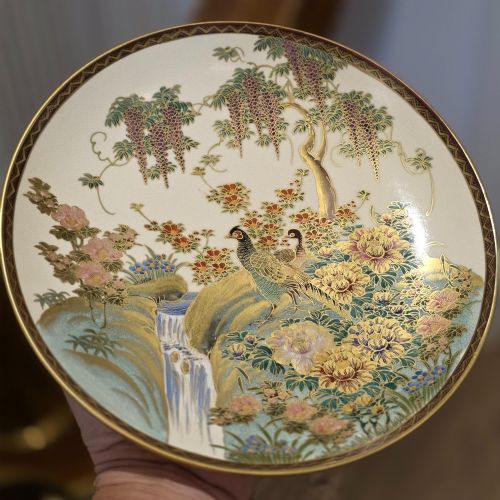
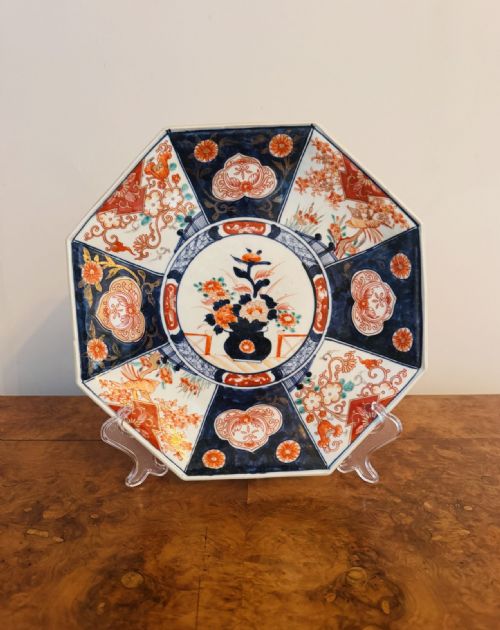
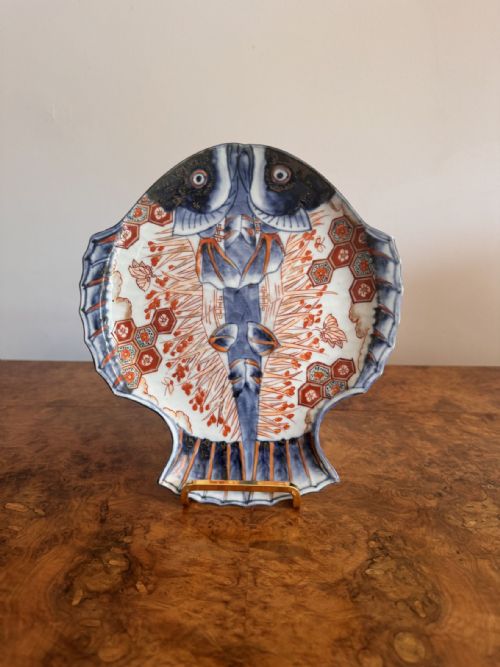
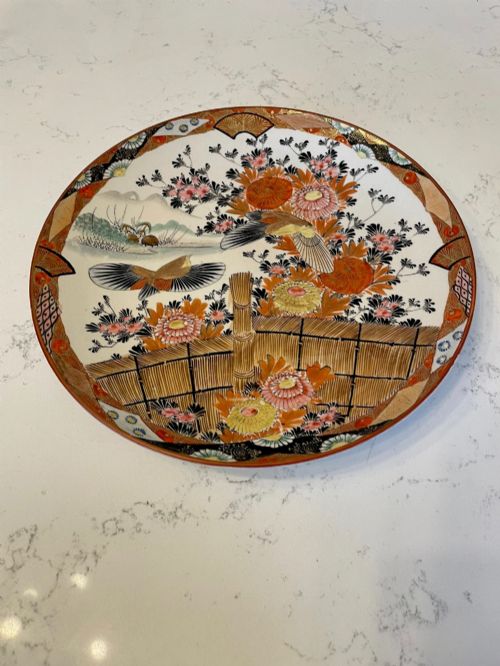
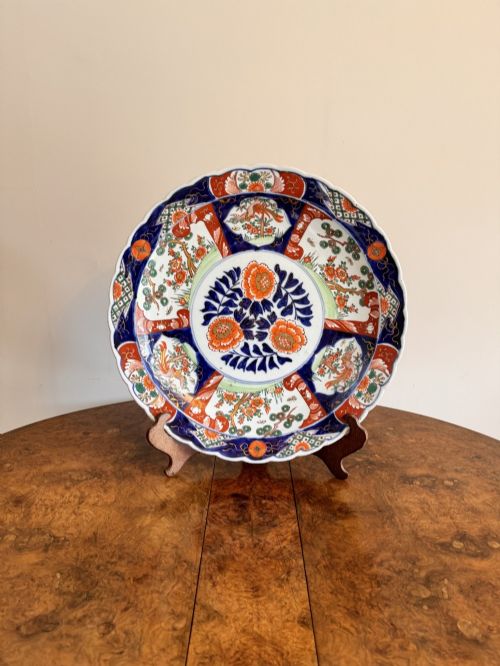
The selections on this page frequently display traditional Japanese Imari patterns alongside Kutani ware and Satsuma styles. Many examples take specific shapes such as leaves, fish, shells, or hexagons rather than standard circular forms.
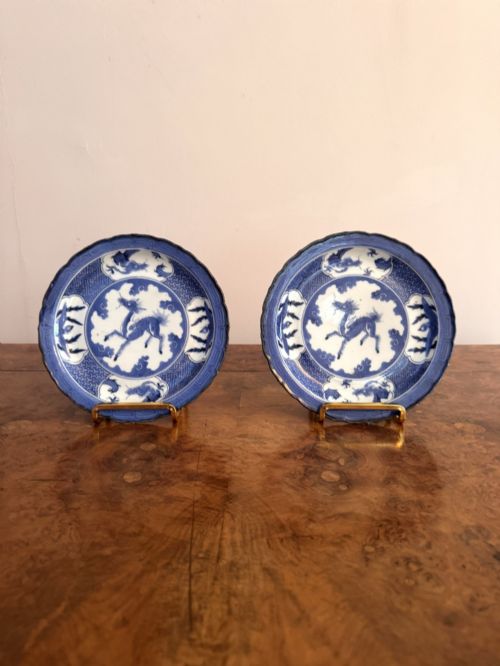
Makers shaped these items for both domestic use and export during a period of expanding trade. Surviving items include pairs and sets alongside individual chargers and bowls.
Materials and production methods
Artisans formed these vessels from porcelain and earthenware, applying glazes and hand-painted pigments across the surfaces. Many items incorporate gilding, gold leaf, and enamel work to accentuate the painted motifs.
Potters shaped the clay by hand or on the wheel before firing, then added detailed brushwork depicting birds, flowers, and geometric designs. Workshops utilised specialised kilns to achieve the distinct colours characteristic of Imari and Satsuma wares.
Meiji Period Porcelain Dishes Retail Price Guide 2026
Typical asking prices for meiji period porcelain dishes among the pieces listed under this phrase on Sellingantiques today, from the lower quarter to the upper quarter. They describe what is for sale here now, not the wider market.
Several plates abandon standard circles entirely to take the form of swimming fish, folded leaves, and delicate scallop shells.
Distinctions in quality and execution
The refinement of the hand-painted brushwork distinguishes standard items from superior pieces. Crisp lines in the enamel and precise application of gold leaf indicate higher workshop standards.
Complexity of form also separates the range, with moulded shapes like fish or leaves requiring greater skill than simple circular plates. Signed pieces by recognised makers demonstrate higher artisan status.
Shozo·Koshida·Gyokkō
The Meiji Period Porcelain Dishes Glossary
- Imari
- A style of Japanese porcelain decorated in underglaze blue and overglaze red, gold, and green. It originated in the town of Arita and became popular for export.
- Satsuma
- A type of Japanese earthenware featuring a pale, ivory-coloured cracked glaze decorated with enamel and gilt. Kyoto became a notable centre for this ware.
- Moriage
- A decorative technique in Japanese ceramics where slip is piped onto the surface to create raised designs. This method adds tactile relief to flowers and borders.
- Charger
- A large decorative plate intended for display on a wall or sideboard rather than for serving food. These pieces measure larger than standard dining plates.
- Arita
- A Japanese town famous for its porcelain production centre during the Edo and Meiji periods. Artisans here supplied substantial quantities of export ware.
Meiji Period Porcelain Dishes: Frequently Asked Questions
Were these dishes used for dining?
Many smaller plates and bowls served practical dining functions in Japanese households.
Larger chargers and ornate display dishes were intended primarily for decorative presentation rather than everyday meals.
How do I identify Meiji period pieces?
Meiji period items date from the late nineteenth to early twentieth centuries, reflecting the reign of Emperor Meiji.
Stylistic markers include detailed hand-painted Imari patterns, Satsuma earthenwares, and specific export signatures on the base.
What is the difference between Imari and Satsuma?
Imari ware utilises porcelain with strong blue underglaze and red or gold overglaze details.
Satsuma ware consists of earthenware with an ivory crackle glaze and dense enamel painting.
How should I display chargers at home?
Large chargers work well on sturdy plate stands placed on sideboards or mantelpieces.
Wall mounting requires specialised brackets designed to support the weight of antique porcelain safely.