


Orange Blue Imari Vases
These orange blue imari vases bring striking palettes of cobalt and iron-red ceramic design into any room, prized for their rich historic character.
Orange Blue Imari Vases
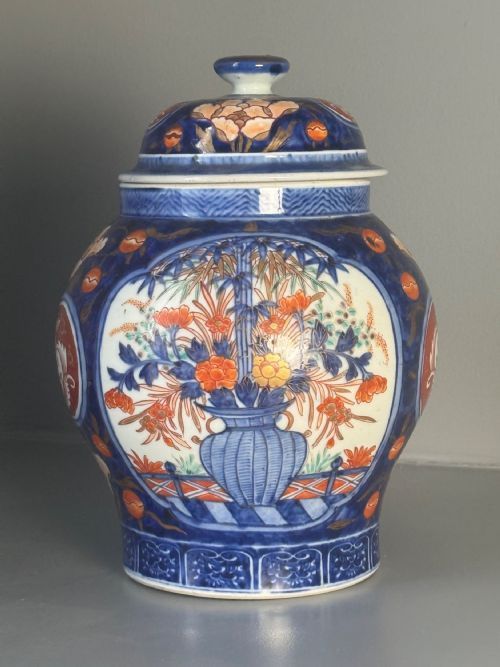
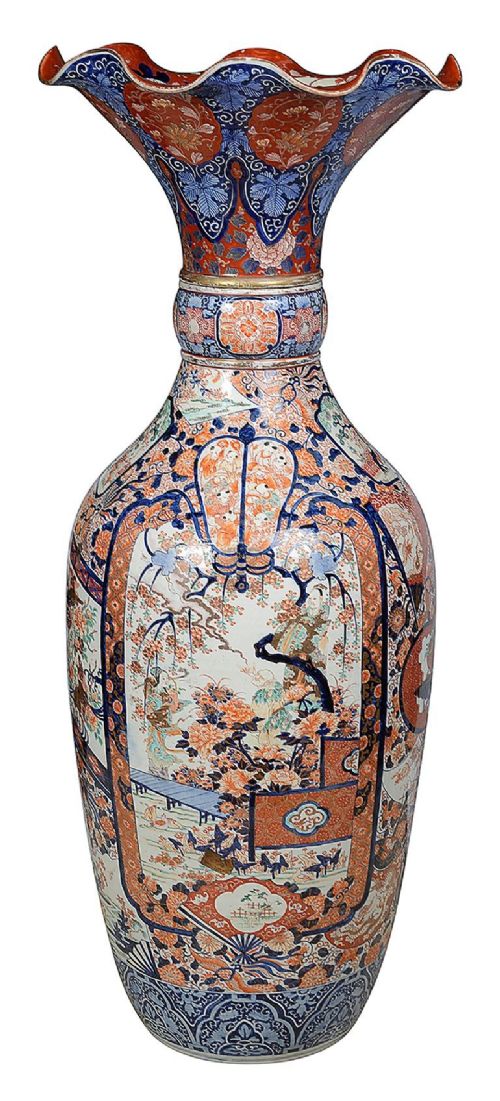
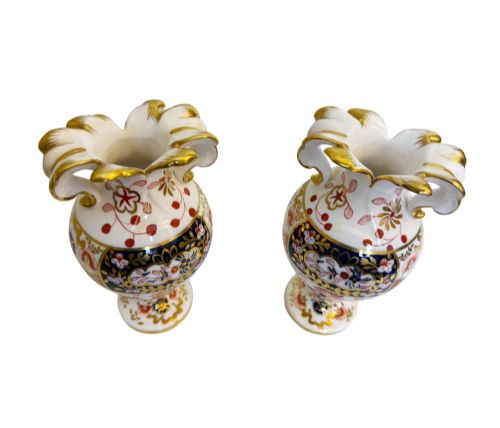
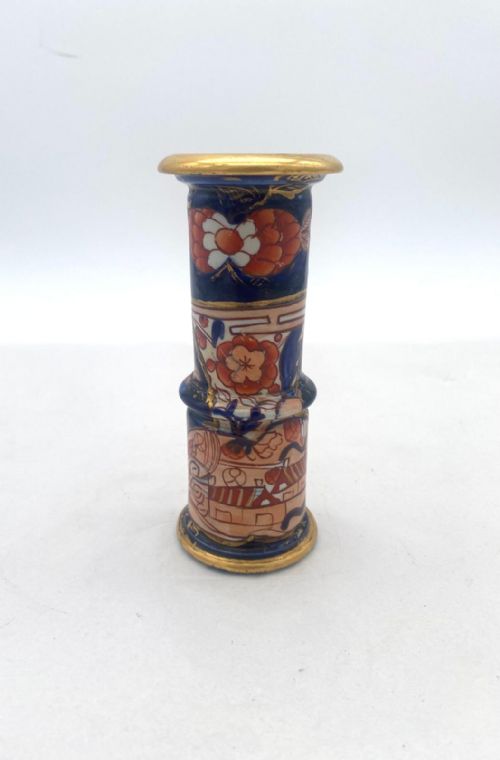
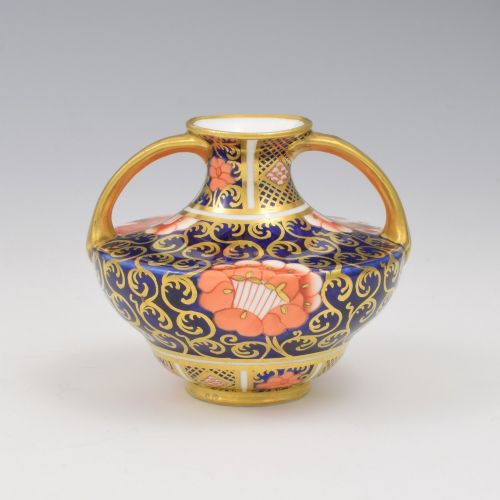
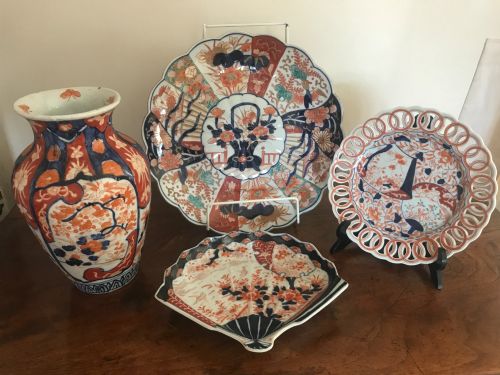
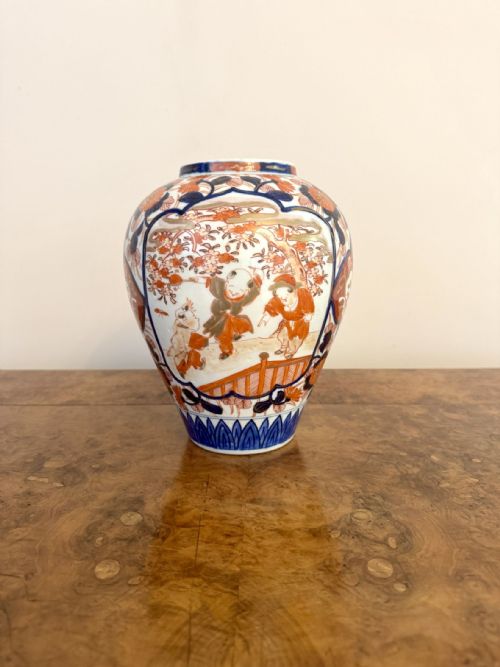
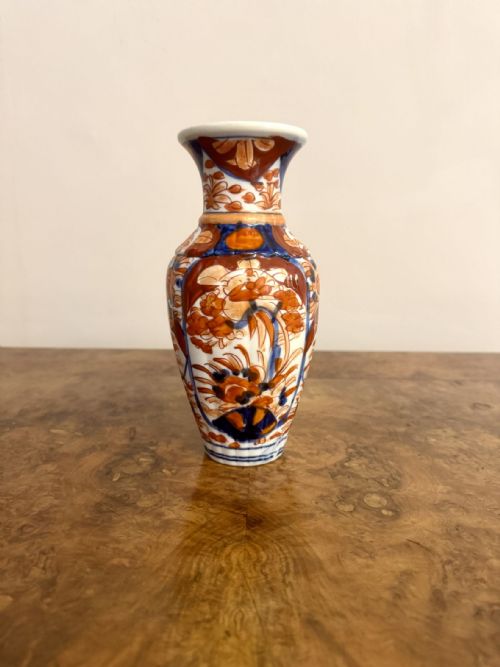
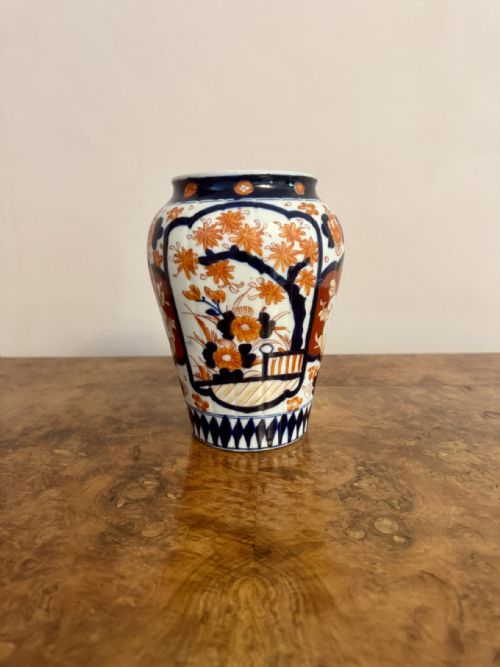
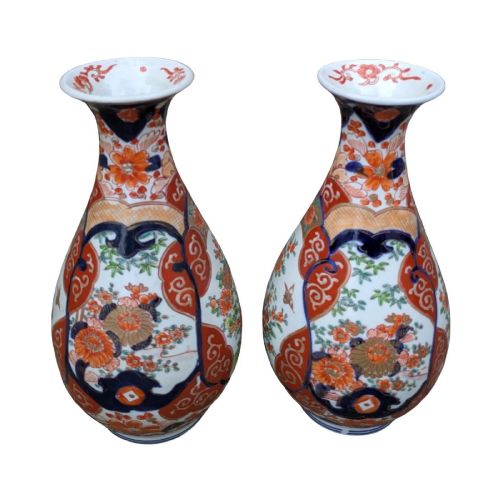
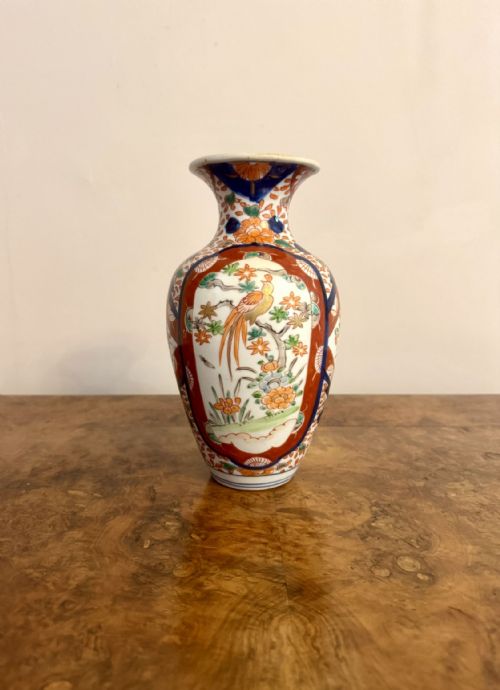
Orange blue imari vases encompass traditional ceramic vessels created across the nineteenth and early twentieth centuries, drawing heavily upon classic Japanese Imari methods and motifs. Buyers searching for orange blue imari vases encounter both imported East Asian porcelain and British adaptations produced by notable factories.
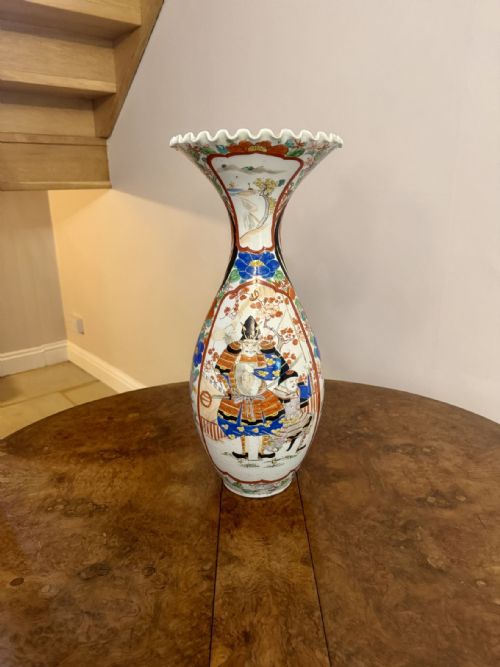
The selections span standard tabletop vessels, massive floor-standing pieces, covered ginger jars, and twin-handled urns. Most examples originate from the Meiji period or Victorian era, showing varied silhouettes from bottle shapes to octagonal baluster forms.
How they were made
Potters relied on durable porcelain bodies decorated with vibrant enamel pigments, underglaze blue glaze, and occasional gold leaf accents. Artisans painted intricate cobalt blue and iron-red motifs directly onto the ceramic surface before firing.
Many items incorporate supplementary materials such as brass fittings or gilt details to highlight handles, rims, and covers.
Listings feature porcelain forms spanning the eighteenth century through the Edwardian era, including ginger jars, floor-standing vases, and table lamps.
What varies in quality
The clarity and depth of the cobalt blue underglaze paired with the richness of the iron-red enamel determine the visual impact of each piece. Superior examples exhibit precise brushwork and well-balanced polychrome palettes across complex surfaces.
Scale and structural complexity separate standard production wares from monumental floor vases or multi-piece garnitures requiring advanced ceramic moulding.
Spode·Royal Crown Derby·Mason
The Orange Blue Imari Vases Glossary
- Imari
- A style of ceramic decoration originating in Japan, characterised by a distinct palette of underglaze blue, iron-red enamel, and gold highlights. The name derives from the port town used for shipping these wares.
- Meiji Period
- The era in Japanese history spanning from 1868 to 1912, noted for significant export trade in decorative arts. Pieces from this time often display refined porcelain bodies and elaborate painted patterns.
- Baluster
- A vase form featuring a rounded body that tapers toward the base and swells near the lower centre. This traditional shape provides a stable foundation for dense surface ornamentation.
- Garniture
- A set of three or more matching ceramic vessels designed to be displayed together on a mantelpiece or cabinet. These matched groupings frequently include lidded jars and open vases.
Orange Blue Imari Vases: Frequently Asked Questions
Where were orange blue imari vases made?
These decorative objects originated primarily in Japanese production centres such as Arita, where skilled ceramicists developed the signature palette for export.
British potteries also adopted the aesthetic, producing parallel porcelain designs during the nineteenth century.
How are lidded jars used?
Covered ginger jars and lidded vessels served as functional storage containers and decorative centrepieces within historic interiors.
Today they function as standalone ornamental items on mantelpieces, sideboards, and display tables.
How do I date an imari vase?
Dating relies upon examining ceramic bodies, glaze characteristics, and stylistic conventions associated with specific periods like the Meiji era or Victorian decades.
Factory marks and baseline potting techniques further clarify the chronological origin of individual pieces.
Can these vases hold water?
Most antique ceramic vessels function primarily as decorative objects or dry display pieces rather than practical flower holders.
Utilising them for floral arrangements requires caution to protect historic porcelain surfaces and interior glazes.