
Open Oak Shelving
Open oak shelving offers sturdy, practical storage for books and displays, bringing the warmth of solid timber directly into your room.
What these pieces are
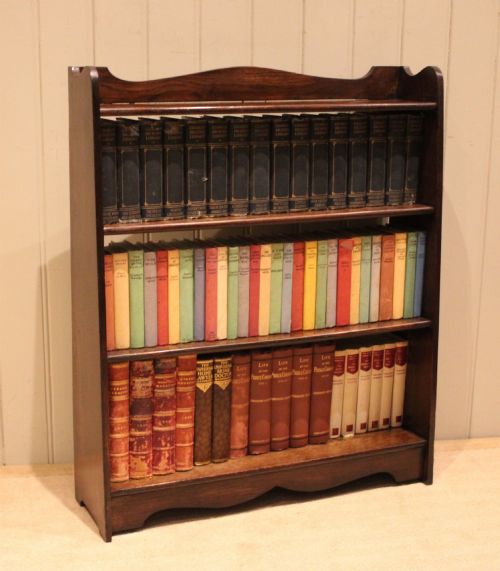
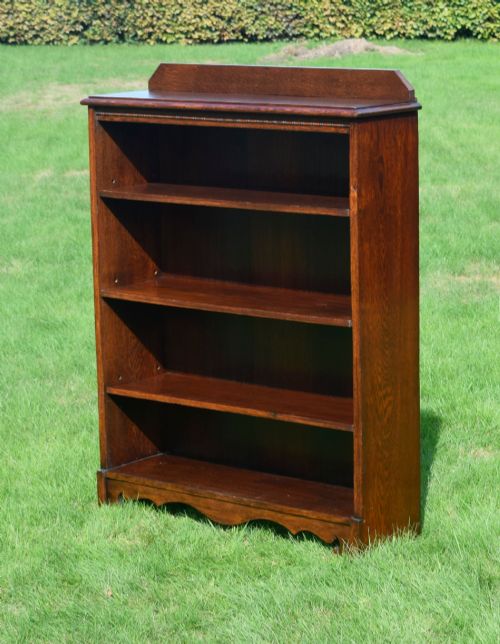
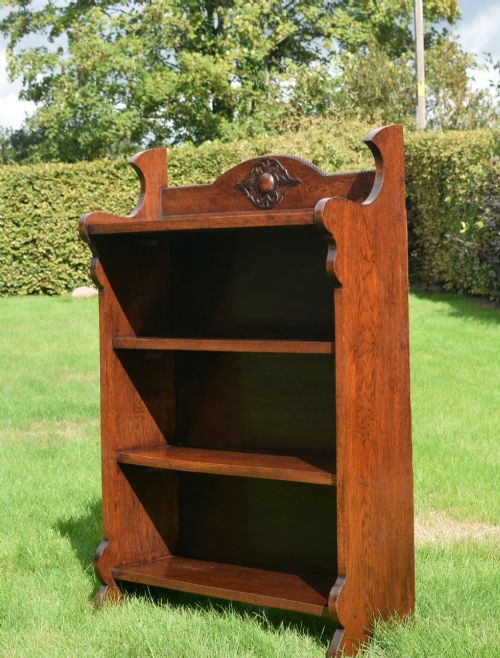
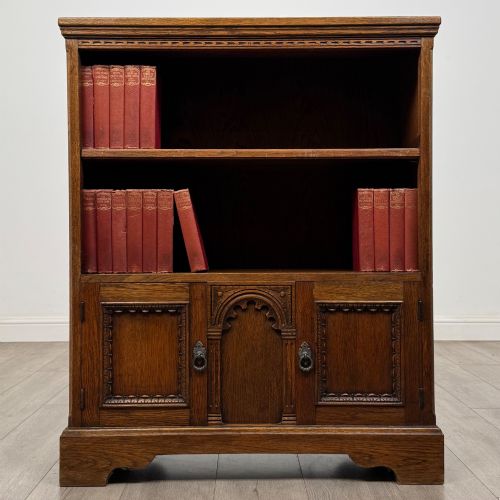
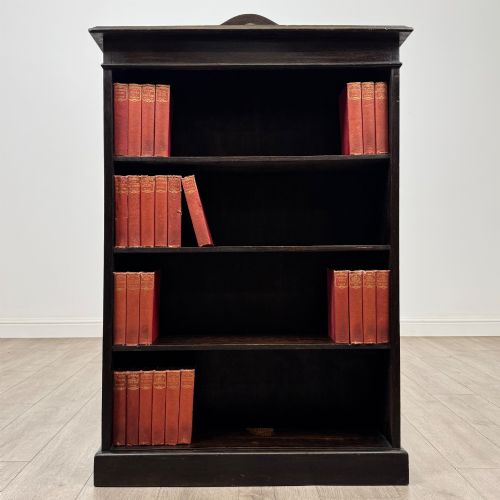
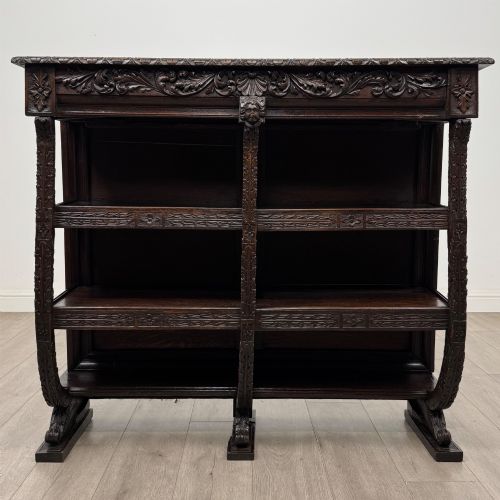
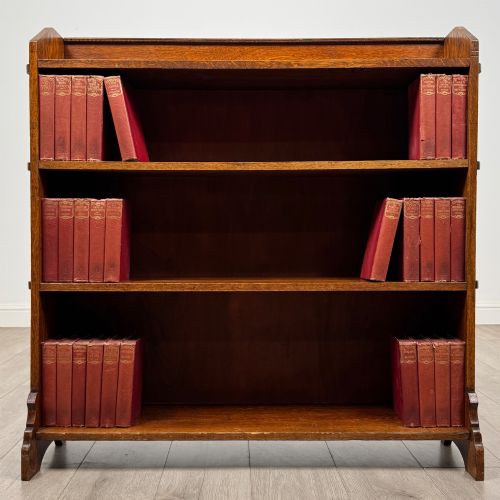
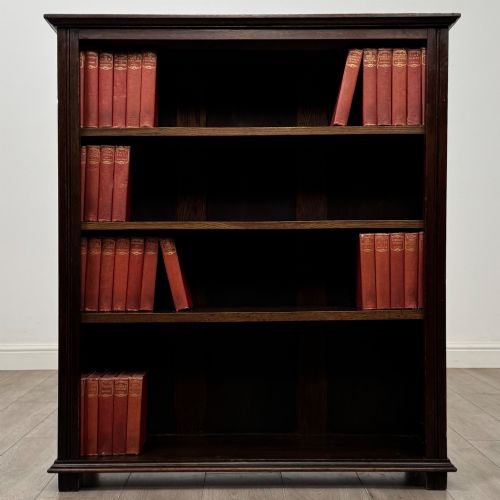
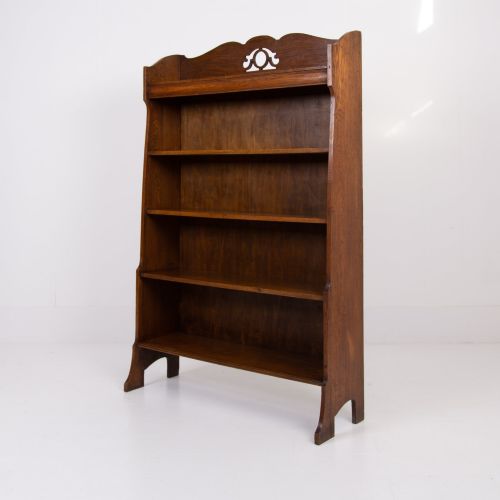
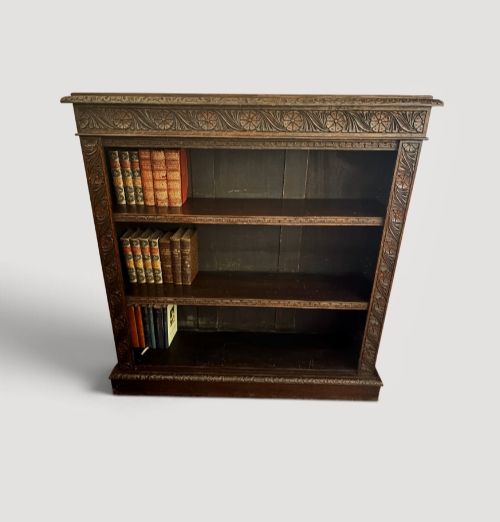
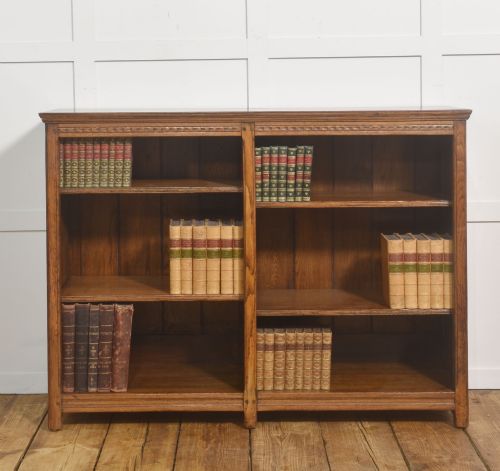
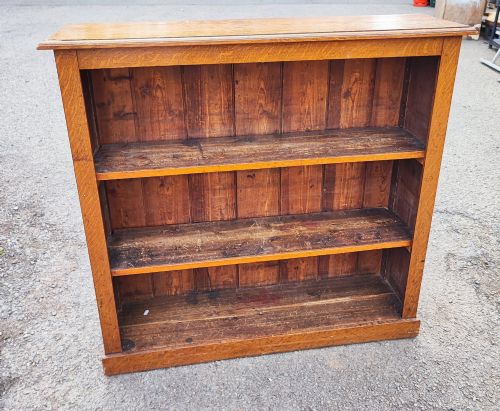
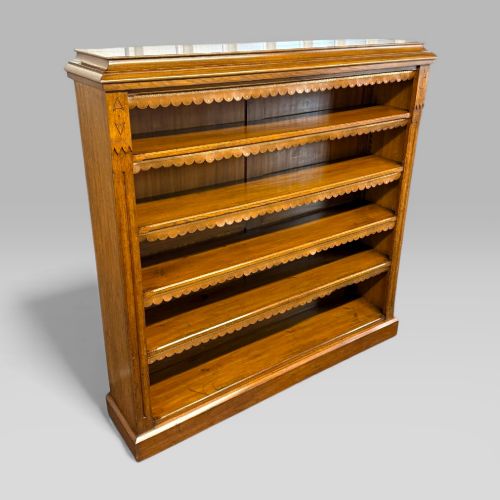
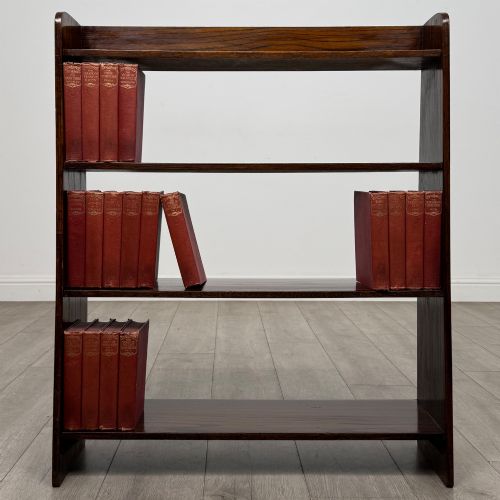
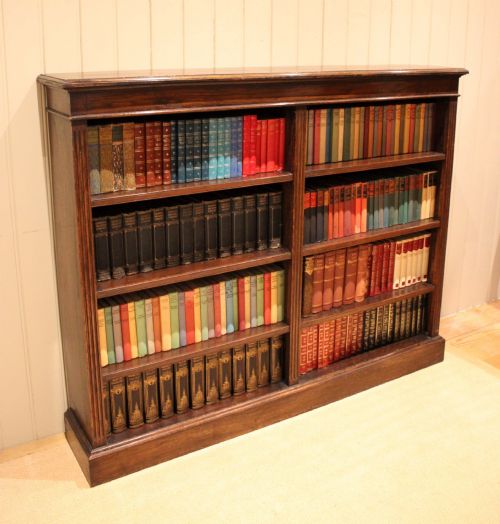
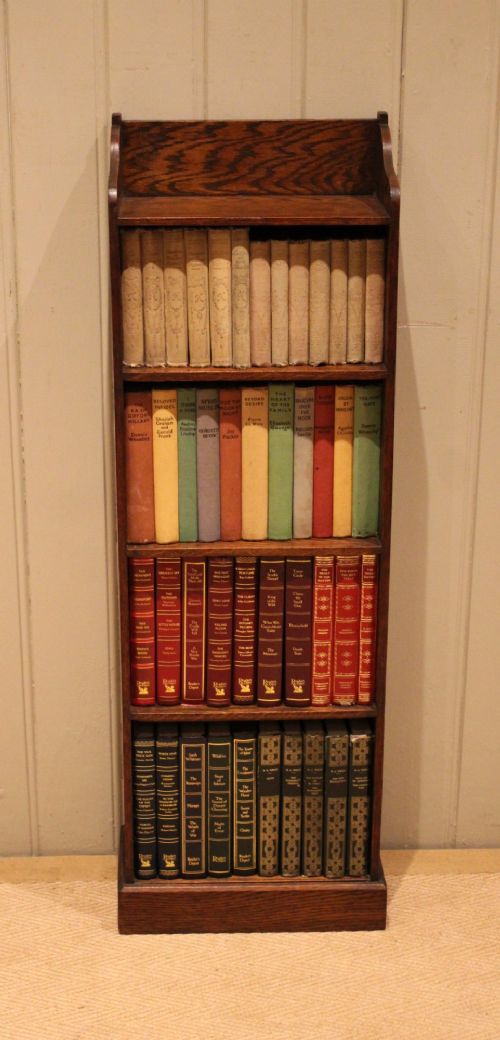
Open oak shelving most commonly appears on this page in the form of bookcases dating from the Victorian and Edwardian eras. These pieces provide accessible, wall-adjacent storage designed to house collections of books or decorative objects without obstructing the view of their contents behind doors.
The items listed range from the robust craftsmanship of the late nineteenth century to the lighter, refined proportions typical of the early twentieth century. Buyers seeking open oak shelving will encounter structural formats that prioritise both utility and display within domestic spaces.
How they were made
Construction relies entirely upon oak, a timber chosen for its density, strength, and prominent grain pattern. Joinery techniques from the Victorian and Edwardian periods utilise traditional methods to secure uprights and horizontal shelves firmly in place.
Surfaces receive finishes that highlight the natural figure of the wood, ranging from darker tones associated with nineteenth-century workshops to the somewhat brighter treatments seen in Edwardian examples.
Early twentieth-century makers ensured your heavy novels stayed upright without needing fancy bookends.
What varies in quality
Quality separates ordinary utility pieces from finer examples through the selection of timber and the precision of the joinery. Superior pieces display carefully matched grain across visible surfaces and robust structural joints that withstand heavy book collections over generations.
The sophistication of the mouldings and the overall proportions also distinguish the work of skilled cabinetmakers from mass-produced items of the same period.
The Open Oak Shelving Glossary
- Oak
- A heavy, durable hardwood with a distinct grain pattern, traditionally favored for domestic furniture due to its strength and longevity. It forms the primary material for the pieces catalogued here.
- Breakfront
- A cabinet design where the central section projects forward from the flanking sections, adding architectural depth to the piece. This layout enhances the visual weight of larger bookcases.
- Edwardian
- The architectural and decorative style spanning the reign of King Edward VII, noted for lighter forms and simpler lines than its Victorian predecessor. Pieces from this era often feature refined proportions.
- Victorian
- The design period encompassing the reign of Queen Victoria, characterising pieces built with substantial proportions and sturdy construction methods. Furniture from this era emphasises utility and solid presence.
Frequently Asked Questions
What rooms suit open oak shelving?
These pieces fit naturally into studies, living rooms, and libraries where accessible book storage is required. Their open design keeps volumes within easy reach.
The neutral timber tone allows them to complement both traditional and contemporary interiors without overwhelming smaller spaces.
How do I care for oak shelves?
Maintenance involves dusting regularly with a soft cloth and occasionally applying a suitable beeswax to nourish the timber. Avoid placing the wood in direct sunlight or near heat sources.
Proper care preserves the rich grain and prevents the wood from drying out over time.
Are these shelves strong enough for heavy books?
Solid timber construction provides the necessary load-bearing capacity for substantial volumes and reference books. The inherent strength of oak prevents excessive sagging under normal loads.
Distributed weight ensures the horizontal shelves remain stable and secure across the span.
How do I distinguish Victorian from Edwardian pieces?
Victorian examples generally display heavier proportions, darker finishes, and more robust architectural details. They reflect the substantial aesthetic of the late nineteenth century.
Edwardian pieces tend to feature lighter forms and simpler detailing, marking a shift towards more restrained domestic furniture.