



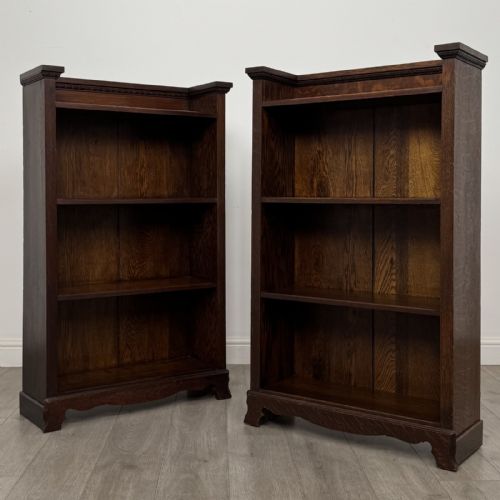
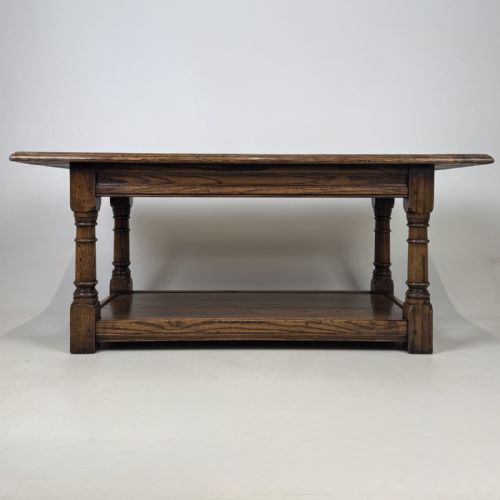
Antique Oak Shelves
Antique oak shelves span practical wall racks and sturdy open bookcases shaped by Edwardian, Victorian and earlier hands.
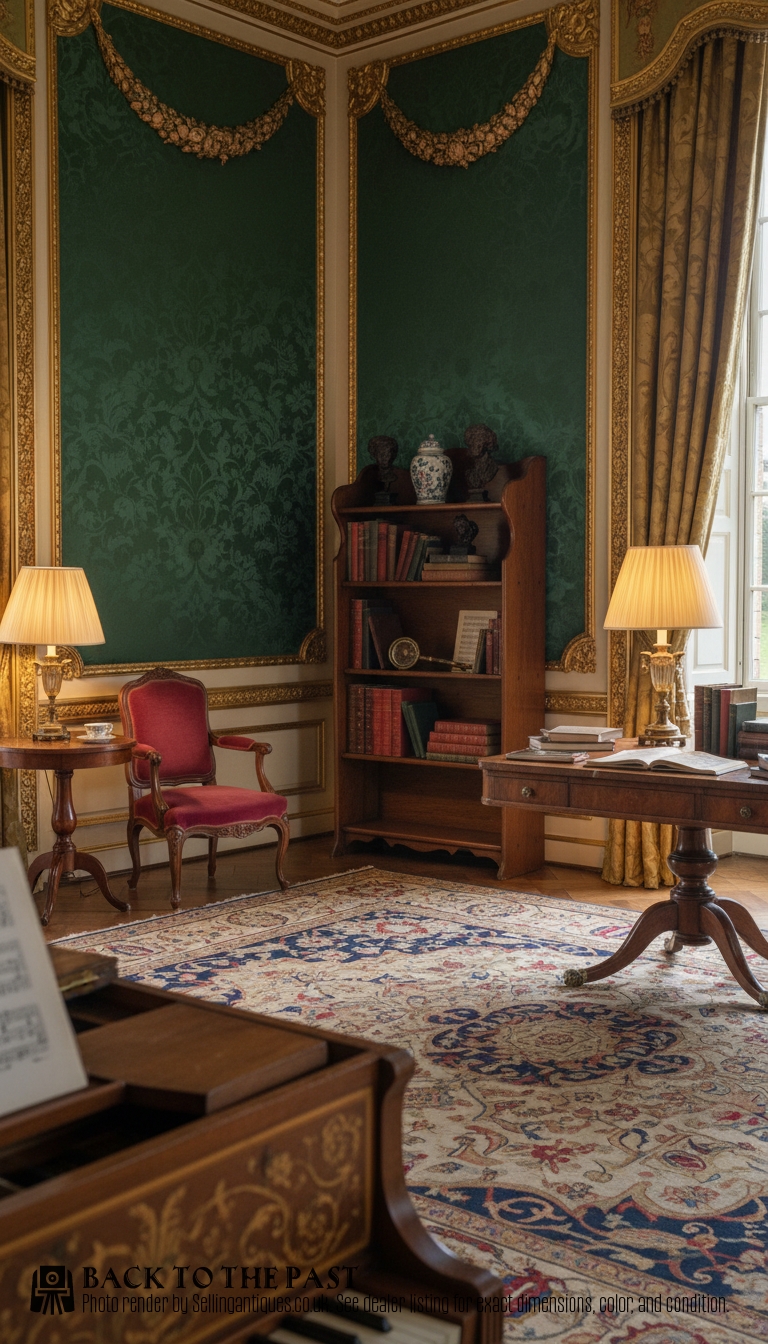
Antique Oak Shelves
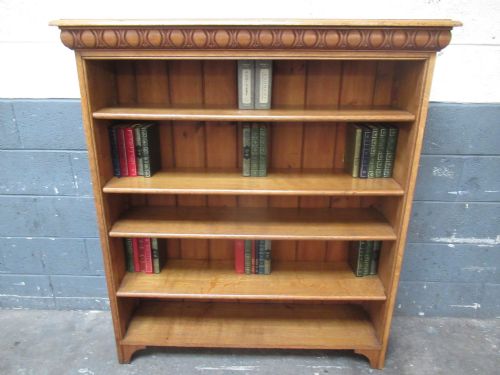
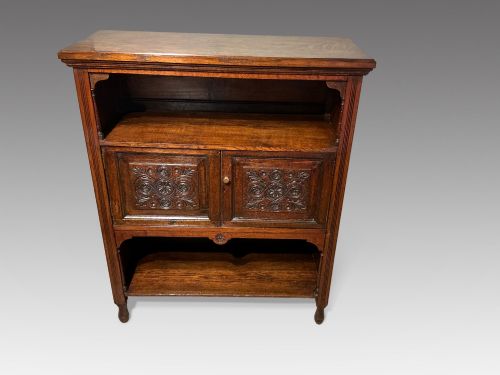
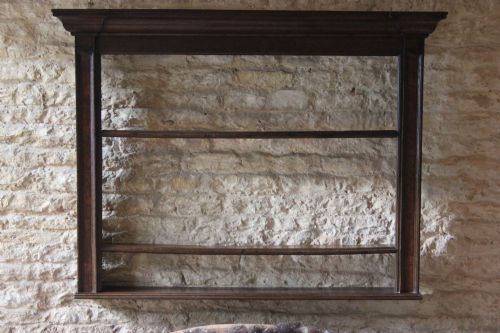
When searching for antique oak shelves, buyers encounter a diverse range of domestic storage forms including open bookcases, hanging wall shelves, plate racks, and graduating corner tiers. The selection spans the 18th century, the Victorian era, the Edwardian period, and the 1930s, reflecting changing household needs across generations.
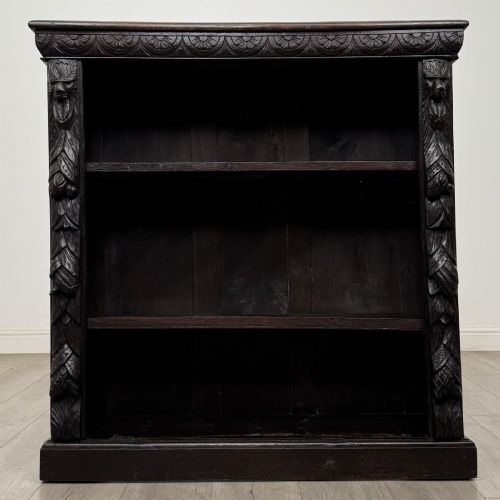
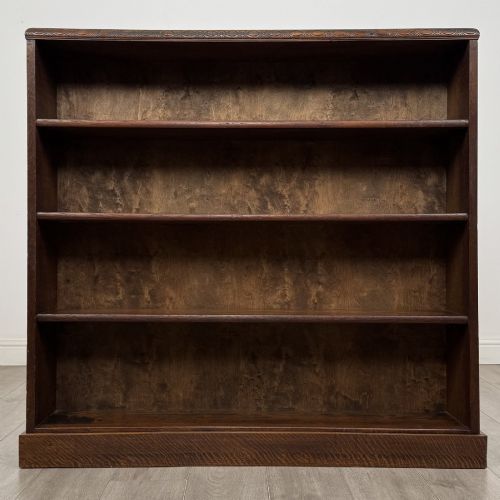
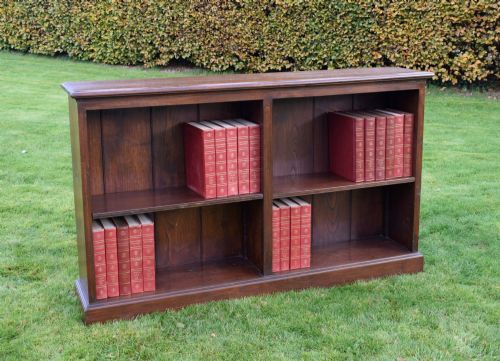
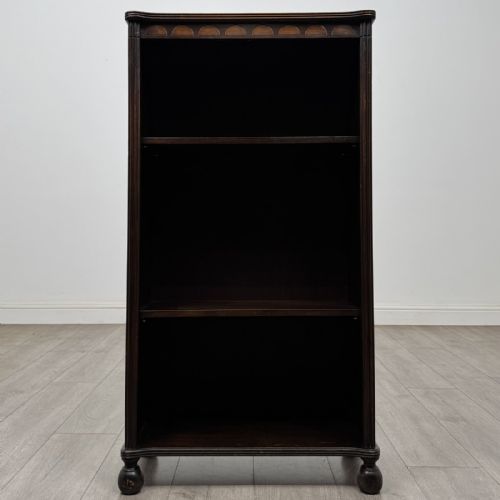
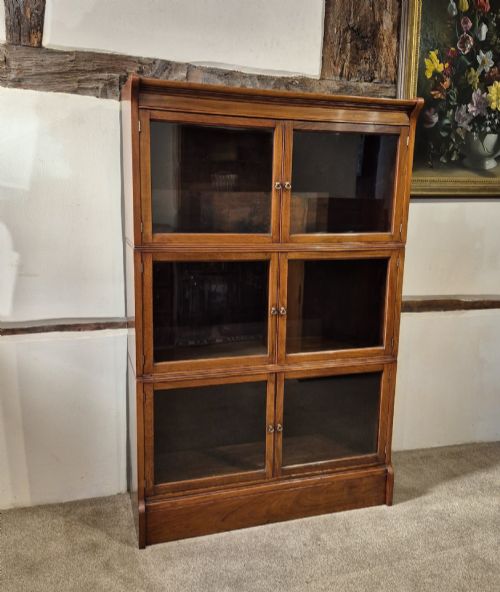
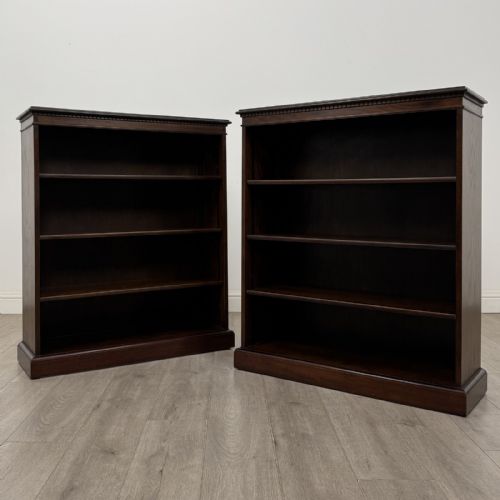
Open bookcases and dwarf library cabinets dominate the available pieces, often featuring adjustable shelves and carved detailing from the Arts and Crafts movement or Jacobean Revival styles. Wall-hanging units and Welsh dressers with integrated plate racks also appear frequently, offering practical display space for domestic crockery and books.
Originating largely from English workshops, these pieces showcase the enduring utility of domestic timber storage. Buyers find everything from slim apartment-sized units to large library bookcases designed to hold substantial collections.
Materials and construction methods
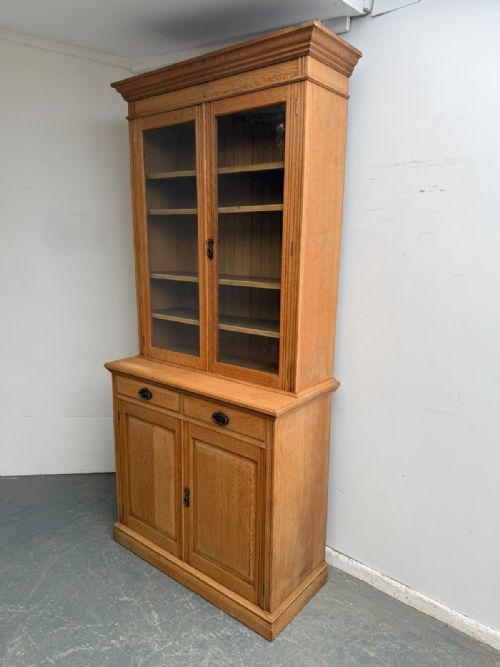
Solid oak serves as the primary material, occasionally finished as dark oak, golden oak, tiger oak, or ebonised wood to suit changing interior fashions. Secondary elements incorporate brass fittings, iron brackets, and glass doors or panels on select cabinet variations.
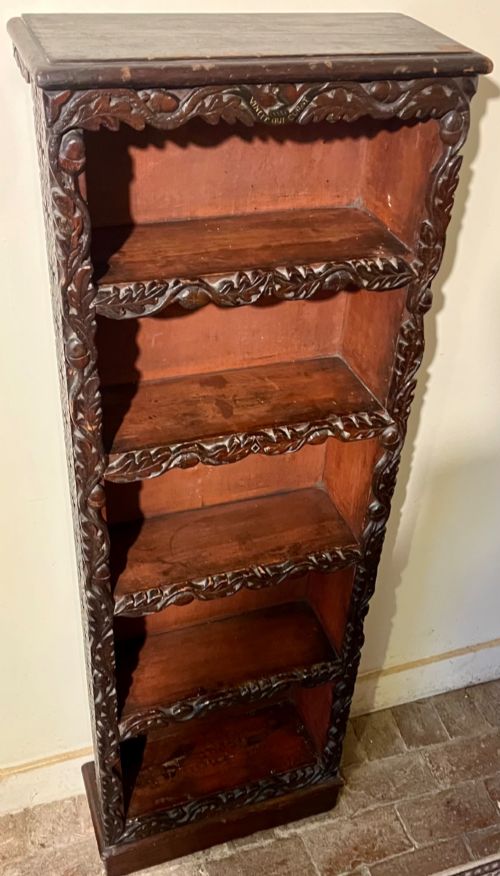
Traditional joinery underpins the construction of these shelves, pairing pegged mortise and tenon joints with hand-carved decorative motifs like the Green Man or barley twist turnings. Wall-hung units utilise sturdy hanging brackets while floor-standing bookcases rely on stable plinths and beaded edges.
Antique Oak Shelves Retail Price Guide 2026
Typical asking prices for oak shelves among the pieces listed under this phrase on Sellingantiques today, from the lower quarter to the upper quarter. They describe what is for sale here now, not the wider market.
Listings feature oak, ebonised oak, and dark oak across Edwardian, Victorian, and 18th-century periods.
Evaluating craftsmanship and design
Quality in these pieces is dictated by the depth and crispness of hand-carved details, the selection of figured timber grain, and the integrity of the original joints. Superior examples feature thoughtful proportions, such as graduating shelf depths or integrated adjustable shelving mechanisms that operate smoothly.
Makers influenced by the Arts and Crafts ethos or firms like Heal's and Liberty's often display elevated design standards through balanced construction and subtle architectural detailing. Lesser examples rely on plain timber boards with minimal shaping, serving utilitarian purposes rather than decorative prominence.
Heals·Liberty's·Birch
The Antique Oak Shelves Glossary
- Dwarf bookcase
- A low open bookcase designed to sit below window height, leaving upper wall space clear for pictures.
- Plate rack
- A wall-mounted or dresser-integrated rack featuring narrow grooves or vertical slats to display plates upright.
- Green man
- A sculptural architectural ornament depicting a human face emerging from or entwined with foliage, popular in Victorian carving.
- Arts and Crafts
- A design movement prioritising traditional craftsmanship, visible construction, and simple, honest forms over mass production.
- Tiger oak
- Quarter-sawn oak timber displaying distinctive flecked medullary rays that resemble the stripes of a tiger.
Antique Oak Shelves: Frequently Asked Questions
How do I install heavy wall shelves safely?
Wall-hanging shelves require secure fixing directly into masonry or internal wall studs using appropriate heavy-duty screws and brackets to support the substantial weight of solid oak.
Ensuring the fixings match the wall type prevents pulling under load, particularly when stocking shelves with heavy volumes or ceramic plates.
Were these shelves always used for books?
While many were built as open bookcases for libraries and parlours, numerous variations served different domestic functions from the outset.
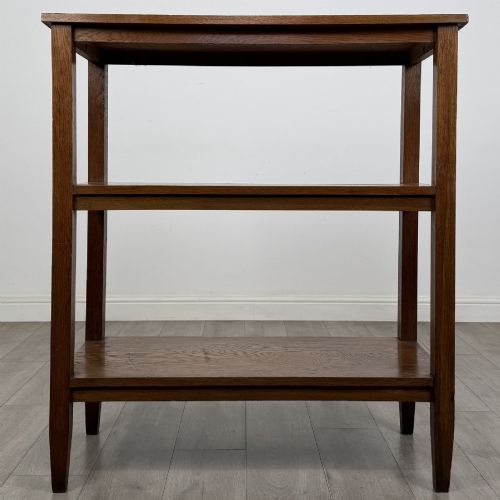
Pieces like plate racks, display cabinets, and three-tier whatnot stands were specifically designed for crockery, ornaments, and decorative collections.
How can I tell an Edwardian piece from a Victorian one?
Victorian oak shelves often feature heavier proportions, deep carving, and darker finishes associated with Gothic or Jacobean Revival aesthetics.
Edwardian pieces generally lean towards lighter golden oak tones, cleaner lines, and simpler Arts and Crafts influences that suit more compact spaces.
Can I adjust the shelf heights?
Many standing bookcases and library cabinets incorporate adjustable shelving systems using traditional wooden ratchets, metal pins, or side grooves.
Fixed shelves remain common in older wall-hanging units and specific cabinet designs where structural rigidity depends on permanent horizontal boards.